Whether a Mastiff Is Genuinely Sensitive
It’s easy to look at a majestic, two-hundred-pound Mastiff and assume they are nothing but stoic, unflappable guardians, especially given their historical lineage. But the reality for many Mastiff owners is a delightful surprise: beneath that formidable exterior often lies a surprisingly tender, deeply sensitive soul. This guide will delve into the genuine emotional landscape of the Mastiff, helping you understand their nuanced temperament and how to foster a loving, supportive environment for these gentle giants.
Understanding the Mastiff Temperament: Gentle Giants with Deep Feelings
When you bring a Mastiff into your home, you're not just getting a big dog; you're welcoming a truly unique personality that often belies its imposing stature. Many people expect a dog of this size to be tough, perhaps even emotionally detached, but Mastiffs routinely defy these expectations with their profound sensitivity.
The Disconnect Between Size and Sensitivity
Imagine a towering figure, perhaps a gentle giant from a fairy tale, who is easily startled by a loud noise or visibly hurt by a sharp word. That's often the Mastiff. Their sheer bulk and power might make you think they're impervious, but internally, many are quite delicate. They often wear their emotions on their sleeve, or rather, in their soft, expressive eyes and the way they carry themselves. A subtle shift in your tone, a momentary frown, or even just a busy, chaotic household can register deeply with them.
This inherent sensitivity means they thrive in calm, predictable environments. A bustling household with constant coming and going, or one where emotions run high frequently, can genuinely stress a Mastiff. They are attuned to the moods of their human companions and can become anxious if their home environment feels unstable or if they sense discord. It’s a trait that often catches first-time Mastiff owners off guard, expecting something more aloof or resilient. Instead, they discover a dog that leans into them, not just physically, but emotionally, seeking reassurance.
How Their Historical Role Influenced Their Nature
It’s true that Mastiffs have a long and storied history, often associated with guarding estates, accompanying knights, and even facing off against wild animals in ancient arenas. You might think such a background would breed a hardened, unfeeling creature. However, the Mastiff's role evolved, particularly in England, from a more aggressive, fighting dog to one valued for its deterrent size and inherent protective instincts, coupled with a calm demeanor.
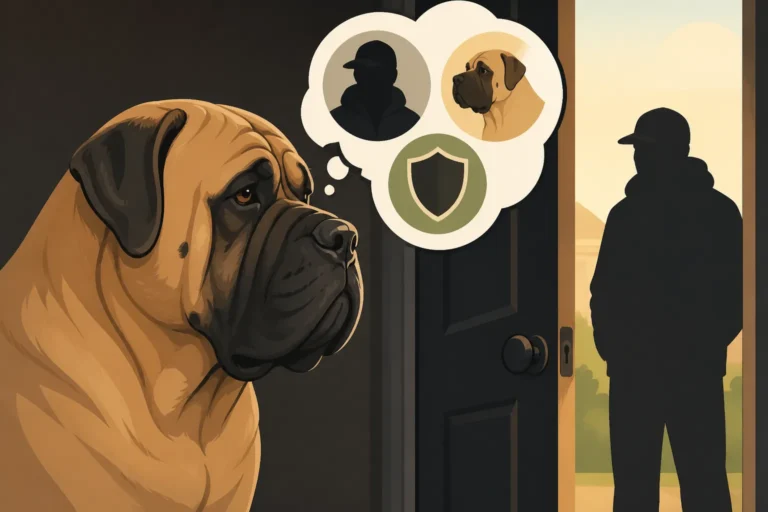
The estate guard dog wasn't necessarily a rabid biter; often, their presence and imposing size alone were enough to deter intruders. This required a dog that was observant, intelligent, and capable of making nuanced judgments – not a mindless brute. They needed to distinguish between a welcomed visitor and a genuine threat. This selective breeding over centuries, valuing a steady temperament alongside size, may have inadvertently cultivated a breed that is deeply observant and empathetic. They are often described as "thinking" dogs, taking their time to process information and situations rather than reacting impulsively. This deliberative nature can sometimes be mistaken for stubbornness, but often, it's just them processing. For a deeper dive into this, consider The Stubbornness That Is Actually a Mastiff Thinking.
This historical context highlights that their "softness" isn't a flaw but an intrinsic part of their magnificent character. They are dogs bred to be loyal, watchful, and deeply connected to their human families, traits that go hand-in-hand with an empathetic and sensitive nature.
Manifestations of Mastiff Sensitivity in Daily Life
A Mastiff's sensitivity isn't just an abstract concept; it manifests in very real, observable ways in their everyday interactions and responses to their environment. Recognizing these signs is crucial for building a strong, trusting relationship with your gentle giant.
Reactions to Harsh Training Methods
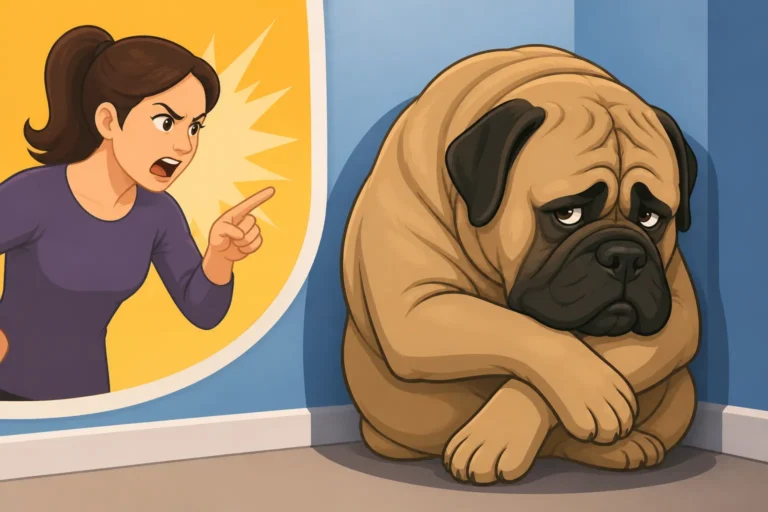
If there’s one thing a sensitive Mastiff cannot tolerate, it’s harshness. Yelling, physical corrections, or even just a consistently stern tone will almost invariably lead to a Mastiff that shuts down, becomes withdrawn, or develops anxiety. They are not dogs that respond well to being dominated or intimidated. Instead of learning, they learn to fear. You might see them cower, avert their gaze, or even "sulk" when they feel unjustly reprimanded. This isn't stubbornness; it's a genuine emotional response to perceived unkindness.
For a Mastiff, a training session built on fear is counterproductive. They might refuse to perform a command they know perfectly well, not out of defiance, but because the joy of learning has been replaced by the stress of potential punishment. Their massive size makes any forceful correction a truly frightening experience, and it can quickly erode the trust you've painstakingly built. This is why understanding Why Harsh Correction Ruins a Mastiff is so vital for every owner. Positive reinforcement, where good behavior is rewarded with treats, praise, or gentle play, is not just preferred; it's often the only effective way to train these intelligent, sensitive dogs.
Emotional Responses to Household Changes and Stress
Mastiffs thrive on routine and predictability. They are creatures of habit, and disruptions to their normal daily rhythm can be a source of considerable stress. Moving to a new house, introducing a new pet or family member, or even significant changes in your work schedule can trigger anxiety in a sensitive Mastiff. They might show this stress in subtle ways, like pacing, reduced appetite, increased clinginess, or house-soiling, even if they are perfectly house-trained.
Think about a sudden unexpected overnight guest. While some dogs might greet them with boundless enthusiasm, a sensitive Mastiff might be wary, observing from a distance, or even retreat to a safe space. They need time to process new people and situations on their own terms. Even loud noises, like fireworks or thunderstorms, can be profoundly upsetting, leading to trembling, hiding, or destructive behaviors as they try to cope. Understanding Whether a Mastiff Suits a Quiet Household can offer further insights into creating an ideal home for them. Their deep attachment to their family means they also pick up on human emotions. If you are stressed, sad, or angry, your Mastiff will likely sense it and may even mirror your emotional state. This empathetic connection is both a beautiful and challenging aspect of living with a Mastiff.
The Mastiff's Bond and Fear of Disappointment
One of the most endearing qualities of a Mastiff is their profound devotion to their family. They form incredibly strong bonds, often viewing their humans as the center of their universe. This deep attachment is intrinsically linked to their sensitivity. Because they care so much, they genuinely want to please you, and they can be quite sensitive to your approval or disapproval.
When a Mastiff feels they have done something wrong, or if they perceive disappointment from their owner, it can genuinely affect them. You might notice How a Mastiff Sulks After Being Told Off, retreating to a corner with a mournful look, or offering an apologetic nudge. This isn't manipulative behavior; it's often a genuine expression of sadness or a desire to repair the perceived rift. They value harmony and positive interaction within their family unit above almost all else. This strong desire to please is actually a powerful tool in training, as they are highly motivated by positive feedback and the joy of making you happy. Conversely, their fear of letting you down means that negative reinforcement or emotional distance can be particularly damaging to their self-esteem and willingness to engage. This strong bond means they are excellent at reading subtle cues and moods, making Whether a Mastiff Reads Its Owner's Mood a definite 'yes'.
Navigating Training and Socialization with a Sensitive Mastiff
Given their sensitive nature, traditional, heavy-handed training methods are not only ineffective but can be detrimental to a Mastiff. A different approach, one rooted in patience, understanding, and positive reinforcement, is essential for a well-adjusted and happy giant.
Positive Reinforcement is Key
For a Mastiff, positive reinforcement isn't just a suggestion; it's the foundation of successful training. These dogs respond beautifully to rewards – whether it's a tasty treat, a favorite toy, or heartfelt praise. They want to please, and when they understand that performing a desired action brings them something good, they are incredibly eager to repeat it. Punishments, harsh words, or force will only make them shut down or become fearful, ultimately hindering their learning and potentially damaging your bond.
Think of it this way: a Mastiff is a "what's in it for me?" kind of dog, not in a selfish way, but in a logical, thoughtful manner. If a behavior yields a positive outcome, they'll happily engage. This means making training fun and rewarding. Short, frequent training sessions are often more effective than long, drawn-out ones, especially when they are puppies. For those looking for structured, positive training guidance, online programs like those from BAXTER & Bella can be incredibly helpful, offering step-by-step methods that respect a Mastiff's sensitive disposition. They are excellent at teaching you how to communicate effectively without resorting to harshness. If you're wondering What Actually Motivates a Mastiff, it's overwhelmingly positive reinforcement and the desire to connect with you. Also, be mindful that Whether Raising Your Voice Sets a Mastiff Back is almost certainly true for these gentle giants.
Gentle Socialization for a Well-Adjusted Giant
Socialization is paramount for a Mastiff puppy, but it needs to be done gently and thoughtfully. You want to expose them to a wide variety of sights, sounds, people, and other animals, but always in a positive, controlled, and non-overwhelming way. Because they are so large, ensuring they are comfortable and confident in various situations prevents potential issues down the line. A shy, fearful Mastiff can become a liability due to its sheer size.
Early, positive experiences are critical. Introduce them to calm, vaccinated dogs, allowing gentle interactions. Have friends and family meet them, always ensuring these interactions are positive and don't involve overwhelming the puppy. Avoid dog parks or overly chaotic environments until your Mastiff is much older and has a solid foundation of confidence. Focus on quality over quantity. A few good experiences are far better than many stressful ones. Remember, Socializing a Mastiff Puppy Before It Gets Heavy is a critical window you won't get back once they reach their full enormous size. You'll want to avoid experiences that might cause them to withdraw, as Whether a Mastiff Forgives a Correction can be a long road if they've had a truly negative experience.
Addressing Anxiety and Fear with Empathy
When a Mastiff displays signs of anxiety or fear, your empathetic response is vital. Punishing fear or anxiety will only make it worse. Instead, try to identify the triggers and then work to desensitize your Mastiff to them gradually, always maintaining a safe distance from the trigger initially. For example, if your Mastiff is afraid of certain sounds, introduce those sounds very quietly and pair them with high-value treats and praise, slowly increasing the volume over many sessions.
Creating a safe haven for your Mastiff can also be incredibly beneficial. This might be a comfortable crate (if they are comfortable with it) or a designated quiet room where they can retreat when feeling overwhelmed. Provide puzzle toys filled with treats or long-lasting chews to distract and provide mental stimulation during stressful times. Sometimes, a gentle body wrap like a Thundershirt can provide a sense of security during anxious moments, acting like a comforting hug. Remember, your Mastiff isn't being "bad" when they're anxious; they're genuinely struggling, and they need your calm guidance and reassurance.
Creating a Supportive Environment for Your Sensitive Mastiff
Beyond training, the everyday environment you create significantly impacts your Mastiff's well-being. A sensitive dog thrives in a home that understands and caters to their unique needs for comfort, security, and clear boundaries.
Providing Comfort and Security
For a large, sensitive dog like a Mastiff, comfort isn't a luxury; it's a necessity. This starts with their sleeping arrangements. A Mastiff needs a truly orthopedic bed that supports their massive joints and provides a soft, warm place to rest. They often spend a lot of time lounging, and hard floors can exacerbate issues like elbow calluses or simply be uncomfortable, leading to restlessness. Look for durable, high-density foam beds, perhaps even those found on Amazon, that can withstand their weight and size. Having several beds around the house in their favorite lounging spots can also be beneficial, creating multiple "safe zones."
Security also means a predictable schedule. Mastiffs thrive on routine. Regular feeding times, consistent walk schedules, and predictable quiet times all contribute to a sense of stability that reduces anxiety. If your schedule changes, try to introduce those changes gradually where possible. Some Mastiffs find immense comfort in a den-like space. While some giant breeds resist crating, a large, comfortable crate (like those from a brand specializing in extra-large dog supplies on Amazon) can be a safe retreat, especially if introduced positively from a young age. Whether a Mastiff Puppy Should Be Crated can depend on the individual, but for sensitive dogs, it can offer a vital sense of security if not used for punishment.
Recognizing and Respecting Their Boundaries
Even the most gentle Mastiff has boundaries, and respecting them is a hallmark of a good owner. This means understanding their body language. A Mastiff might signal discomfort with a stiff posture, a head turn, a yawn, lip licking, or by moving away. Pushing a sensitive Mastiff past their comfort zone can lead to negative reactions, even if they're usually incredibly tolerant.
For example, while they often love attention, they might not always want to be hugged tightly, especially by unfamiliar children or guests. Teach children to interact gently, always supervising. Don't force them to greet every stranger or endure prolonged handling if they're showing signs of unease. Allow them to approach people and situations on their own terms. This doesn't mean letting them be anti-social; it means empowering them to choose comfortable interactions, which builds confidence rather than fear. Understanding and respecting these subtle cues ensures your Mastiff feels safe and heard, reinforcing their trust in you. A secure Mastiff is a happy and well-behaved Mastiff.
| Characteristic | Common Perception of a Large Dog | Reality for a Sensitive Mastiff |
|---|---|---|
| Emotional Response | Stoic, tough, unfeeling | Highly empathetic, easily affected by mood/tone, can "sulk" |
| Training Needs | Requires firm hand, dominance | Thrives on positive reinforcement, gentle guidance, fear-free |
| Social Needs | Eager to meet all, resilient | Prefers calm, predictable interactions, can be wary of novelty |
| Environmental Needs | Can adapt to chaos | Needs a stable, quiet routine; sensitive to loud noises/changes |
| Physical Comfort | Any sleeping surface is fine | Requires orthopedic support, soft beds, avoids hard floors |
| Bonding Style | Independent, loyal | Deeply attached, fears disappointment, seeks reassurance frequently |
Disclaimer
This article is for general informational purposes only and does not constitute professional advice. Laws, prices and regulations vary by location and change over time. Consult a qualified professional for guidance on your specific situation.