Why a Mastiff Only Needs One Hour a Day
One of the biggest surprises for new Mastiff owners, or even those just dreaming of bringing one of these gentle giants home, is often their exercise requirements. You might imagine a dog that weighs as much as a small human needs hours upon hours of strenuous activity to stay happy and healthy. The truth is, quite the opposite is often the case, and pushing a Mastiff too hard can actually lead to serious health problems. This guide will explore why a Mastiff genuinely thrives on a surprisingly moderate amount of daily activity, typically around one focused hour, and how to make that hour count for their well-being.
Understanding the Mastiff's Physical Design
When you look at a Mastiff, you're not just seeing a big dog; you're seeing centuries of selective breeding for a specific purpose. They weren't bred to run down prey across miles of open land or to tirelessly herd livestock all day. Instead, their ancestors were guardians, often tethered or confined to estates, designed for short bursts of impressive power and intimidation. This heritage, combined with their sheer physical mass, dictates a much different approach to exercise than you might take with a Border Collie or a Labrador.
The Weight-Bearing Challenge
Imagine carrying an extra 100 to 200 pounds on your frame every single day, just existing. That's essentially what a Mastiff's skeletal and muscular system contends with. Their enormous size means that every step, every jump, every sudden stop puts immense stress on their joints, ligaments, and bones. This isn't just about their adult weight; it starts from puppyhood. Their bones and growth plates are under constant pressure, and repetitive, high-impact exercise can exacerbate potential issues like hip and elbow dysplasia. Why a Mastiff's Hips Fail Under Its Own Weight speaks volumes about this inherent vulnerability. Owners often feel a deep frustration, wanting to give their dog the best life, but unknowingly, more exercise can sometimes mean more harm.
Built for Bursts, Not Endurance
Unlike breeds designed for sustained effort, the Mastiff's athleticism is geared towards short, powerful actions. Think of a guard dog sprinting across a yard to deter an intruder, then settling back down. They possess incredible strength and can move with surprising speed for their size, but they lack the stamina for long-distance running or marathon play sessions. Trying to force a Mastiff into an endurance athlete role is not only physically detrimental but also goes against their natural inclination. They might humor you for a bit, but you'll notice them slowing down, panting excessively, or simply deciding to lie down mid-walk, as discussed in Stopping a Mastiff That Plants Itself and Will Not Move. Their metabolism is designed for energy conservation, making them efficient, if not exactly energetic, companions.
Genetic Predispositions to Joint Issues
Unfortunately, the very characteristics that make a Mastiff magnificent – their immense size and powerful build – also predispose them to certain orthopedic challenges. Conditions like hip and elbow dysplasia are all too common in giant breeds. Over-exercising, especially during their critical growth phases, can significantly worsen these conditions or even bring them on earlier than they might otherwise manifest. It's a heartbreaking reality that a dog bred for grandeur can be so fragile in its early years. This is why thoughtful, controlled exercise is not just a recommendation but a necessity to protect their long-term health. Breeders conscientiously screen for these issues, and part of responsible ownership is continuing that protective care through appropriate lifestyle choices. Elbow Dysplasia Affects One Mastiff in Seven highlights the prevalence of these issues.
The Crucial Role of Slow Growth in Puppies
The growth period for a Mastiff puppy is unlike almost any other breed. They don't just grow; they explode in size, adding pounds and inches at an astonishing rate. This rapid development puts their delicate, still-forming bones and joints at incredible risk. Any activity that puts undue stress on these developing structures can have lifelong consequences, often manifesting as painful orthopedic conditions in adulthood. It's a huge source of anxiety for new puppy owners who want their energetic little fluffball to run and play, but know they must hold them back.
Protecting Developing Joints
A Mastiff puppy's bones are not fully calcified and their growth plates – the areas of cartilage at the ends of long bones where growth occurs – are wide open and incredibly vulnerable. High-impact activities like jumping off furniture, running up and down stairs repeatedly, or prolonged, vigorous play on hard surfaces can cause microscopic damage that accumulates over time, leading to significant joint problems. It's not about preventing movement entirely, but about channeling their natural puppy exuberance into safe, low-impact activities. Think soft surfaces, gentle wrestling with siblings or carefully chosen playmates, and short, supervised bursts of exploration. Why a Mastiff Puppy Must Not Be Exercised Hard is a concept every new owner must embrace.
The Dangers of Forced Exercise
Forced exercise is any activity where the puppy is compelled to move beyond its natural desire or physical limits. This includes long walks on a leash where they can't stop to rest, jogging with their owner, or repetitive fetching games that involve hard stops and turns. A puppy should always be allowed to self-regulate its activity. If they flop down for a nap, let them! Their bodies are telling them they need rest for proper development. Pushing them past this point is akin to putting a brand-new, half-built car on a race track; the parts aren't ready for that kind of strain. The consequences can be devastating, leading to costly surgeries and chronic pain down the line, as discussed in What Hip Surgery Costs on a Mastiff or What Elbow Surgery Costs on a Mastiff.
Appropriate Puppy Play and Activity
So, if long walks are out, what's left? Plenty! Short, frequent bursts of free play in a safe, enclosed yard are ideal. This allows them to run and tumble on grass, which offers cushioning, and to rest whenever they choose. Puppy classes focusing on socialization and gentle play, often indoors on padded surfaces, are also excellent. Think five to ten minutes of structured training using positive reinforcement, followed by a nap. Mental stimulation, like puzzle toys or scent games, can be just as tiring and beneficial as physical exercise without the joint strain. The goal is to build muscle tone gradually and safely, supporting their growing frame without overwhelming it. The Walk Length That Damages a Mastiff Puppy is shorter than most people imagine.
Defining "One Hour a Day" for an Adult Mastiff
When we talk about "one hour a day" for an adult Mastiff, it's not a rigid, always-the-same schedule. It's a guideline, a flexible concept that encompasses both physical activity and mental engagement. It's about quality over sheer quantity, and understanding that for a Mastiff, mental stimulation can be just as tiring as a brisk walk. This amount is what most adult Mastiffs will happily settle for and thrive on, preventing boredom without overworking their massive bodies.
The Quality Over Quantity Approach
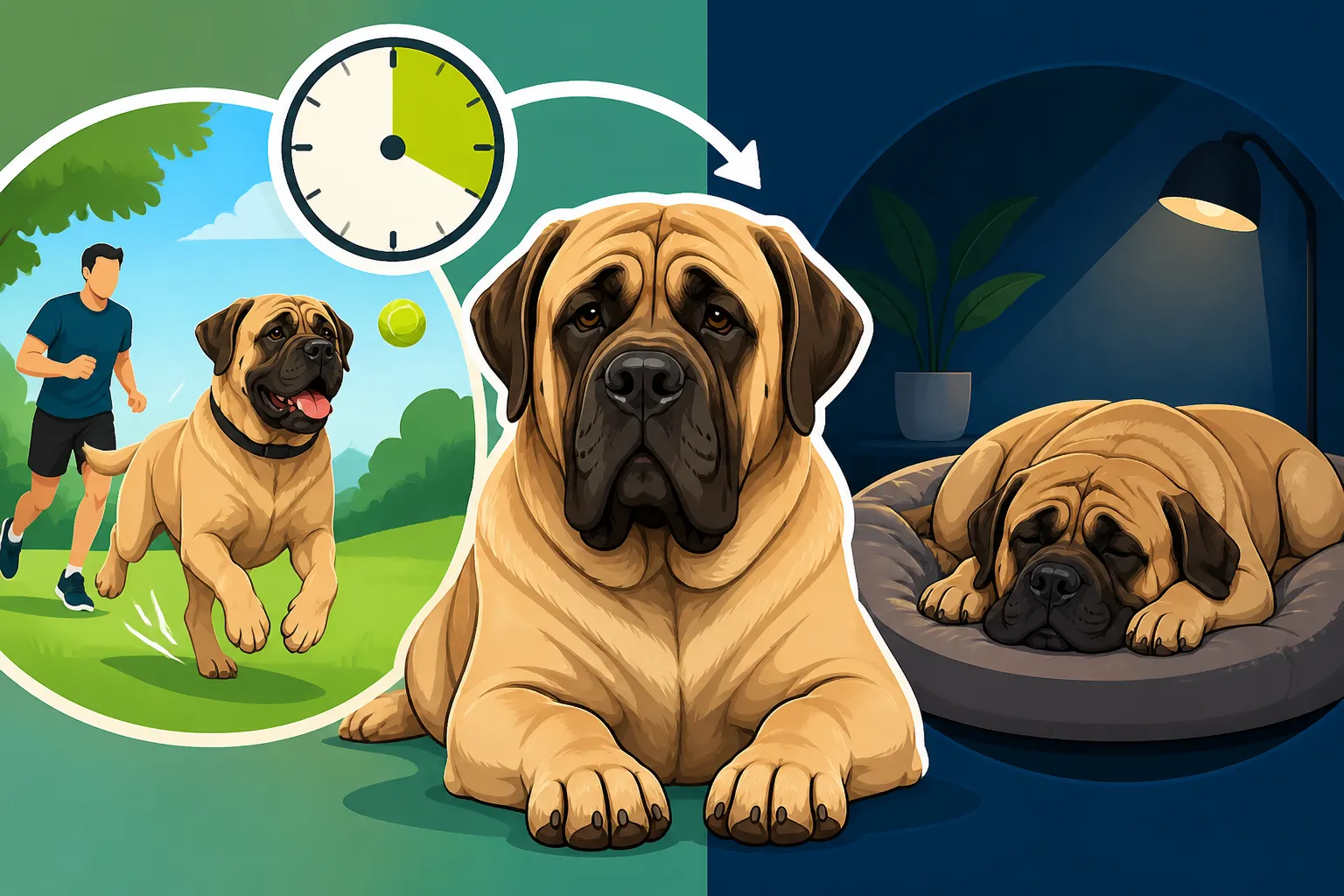
For a Mastiff, a leisurely 20-30 minute walk around the neighborhood is often far more beneficial than an hour-long power hike. This allows them to sniff, explore, and engage with their environment at their own pace. Perhaps another 15-20 minutes of supervised yard time, chasing a soft ball or wrestling gently with a dog-savvy human, fills out the physical component. The key is that this hour is intentional exercise, not just milling about. It's focused time dedicated to moving their large bodies, stretching their limbs, and keeping their minds engaged, all without undue stress. Owners often find that this moderate routine is sustainable and enjoyable for both dog and human.
Blending Structured Walks with Free Play
A typical "hour" might break down into segments throughout the day. Maybe a morning potter around the block, a quick potty break walk at midday, and then a more extended exploration in the evening. Within this, integrate some free play in a secure area. A large, fenced yard where they can wander, sniff, and perhaps do a few zoomies on their own terms is perfect. This isn't forced; it's self-directed. Some Mastiffs adore retrieving a soft, oversized toy a few times, while others prefer simply patrolling their territory. The important thing is observation: watch your Mastiff, learn their cues, and let them guide the intensity and duration of their free play within that hour.
Mental Stimulation as Part of the Hour
Don't underestimate the power of mental exercise! For a Mastiff, 15 minutes of focused training can be as tiring as a 30-minute walk. Teaching new commands, practicing old ones, engaging in scent games where they find hidden treats, or working on puzzle toys can burn significant mental energy. This is especially vital on days when the weather is poor, or your Mastiff just isn't feeling up to a long physical outing. Integrating brands like BAXTER & Bella for their online puppy training programs, for example, can be a fantastic way to access structured mental engagement activities from the comfort of your home. These activities not only tire them out but also strengthen your bond and reinforce good behavior. The Job a Mastiff Actually Wants is often less about physical exertion and more about companionship and calm purpose.
Recognizing Signs of Too Much or Too Little Exercise
Finding the right balance for your Mastiff can feel like a tightrope walk. You want them to be fit and happy, but not over-exerted or bored. It's an ongoing process of observation and adjustment, as what works one day might need tweaking the next, especially as they age or if their health changes. Learning to read your Mastiff's cues is crucial to their well-being.
Over-Exercised Symptoms
An over-exercised Mastiff will show clear signs of fatigue and discomfort. Look for excessive panting that doesn't quickly subside, lagging behind on walks, reluctance to get up, stiffness or lameness (especially the next day), or even a change in demeanor, becoming more irritable or withdrawn. A Mastiff pushing itself too hard might collapse or develop a pronounced limp. Arthritis in a Mastiff at Four can be exacerbated by over-exertion, so pay close attention. In very warm weather, overheating is also a serious concern for such a large dog, which can escalate quickly into a medical emergency. If you notice these signs, it's a clear signal to scale back their activity and prioritize rest.
Under-Exercised Behaviors
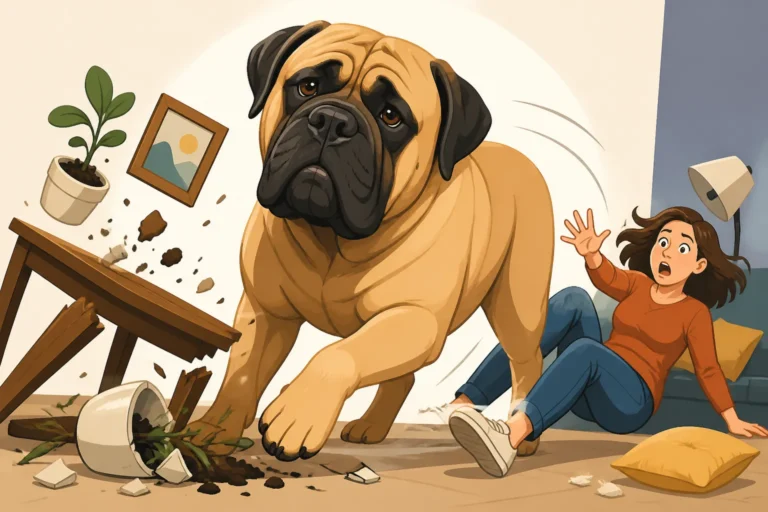
While Mastiffs are generally calm, a chronically under-exercised dog, even a Mastiff, can exhibit unwanted behaviors. These might include restlessness, pacing, excessive chewing (perhaps on furniture or shoes), digging in the yard, or vocalizing more than usual. While not as high-strung as some breeds, a bored Mastiff can find ways to entertain themselves, which might not always align with your household rules. This isn't about being destructive out of malice, but about pent-up energy, both physical and mental, that needs an outlet. If your Mastiff is displaying these signs, try adjusting their hour to include more engaging activities or breaking it up into more frequent, shorter sessions.
Adjusting for Age and Individual Temperament
The "one hour" guideline is a starting point, not a rigid rule. A young, healthy adult Mastiff might tolerate a slightly longer, more vigorous session than an older dog. As they age, their needs will shift. The Age a Mastiff Starts to Slow usually happens sooner than you'd expect in giant breeds. An older Mastiff might prefer several short strolls and more indoor mental games. Similarly, individual temperaments play a role; some Mastiffs are naturally more active and playful, while others are content to be professional couch potatoes. Always consult your veterinarian, especially regarding an older Mastiff or one with known health issues, to tailor an appropriate exercise plan. Regular check-ups are also crucial to monitor joint health and address any emerging concerns. Caring for a Mastiff Past Five highlights the importance of adapting their routine.
Mastiff-Friendly Activities Beyond Just Walking
While walks are a staple, diversifying your Mastiff's activity can provide richer mental and physical benefits without overdoing it. The key is always low-impact, short-duration activities that engage their minds and bodies in gentle ways. Think about how to make their environment stimulating and their interactions meaningful, rather than purely strenuous.
Gentle Brain Games and Training Sessions
Mastiffs are intelligent, even if they sometimes prefer to ponder a command rather than execute it instantly. Their renowned "stubbornness" is often just The Stubbornness That Is Actually a Mastiff Thinking. Harness this intelligence with regular, short training sessions. Work on basic obedience, teach fun tricks, or engage in scent work. Hide-and-seek with treats or a favorite toy is a fantastic indoor activity that uses their nose and brain. Puzzle feeders, readily available on platforms like Amazon, can turn mealtime into a stimulating challenge, making them work for their food and slowing down their eating, which can also help prevent bloat. These activities provide mental fatigue, which is just as important as physical tiredness for a well-rounded dog.
Supervised Outdoor Time
Your backyard, if secure and spacious enough, can be a wonderful extension of their exercise routine. Supervised time allows them to explore scents, roll in the grass, and simply be a dog on their own terms. If you have another well-matched, equally calm dog, gentle wrestling can be a great outlet. However, avoid dog parks or environments where a Mastiff might be pressured into overly rough play or where their sheer size could unintentionally intimidate or injure smaller, more agile dogs. Their large size means even accidental bumps can be significant. If swimming, ensure it's in a controlled environment, as while some Mastiffs enjoy a cool dip, it's not a primary form of exercise for them due to their bulk and potential for overheating. Whether a Mastiff Should Swim for Its Joints can be a great alternative, but it must be done carefully.
The Joy of "Doing Nothing" Together
Sometimes, the most beneficial activity for a Mastiff is simply being with you. These are deeply bonded dogs who thrive on companionship. Cuddling on the sofa, gently grooming them, or just sitting together in the yard provides immense comfort and mental well-being. This might sound counter-intuitive when we talk about exercise, but for a Mastiff, emotional security and a strong bond contribute significantly to their overall health and happiness. Their peaceful presence can be a calming force in a busy household, and they are masters of the art of relaxed togetherness. Remember, they were originally bred to be steadfast guardians, a role that required long periods of calm observation.
Debunking Common Exercise Myths for Giant Breeds
There are so many misconceptions floating around about how much exercise dogs need, and these myths can be particularly damaging when applied to giant breeds like Mastiffs. It's easy to assume "bigger dog equals bigger exercise needs," but this couldn't be further from the truth. Understanding these distinctions is crucial for their health and happiness.
The Myth of "Working Off Energy"
Many people believe that if a dog is misbehaving or seems restless, they just need to "work off" their energy with an intense session. While this might be true for high-energy working breeds, it often backfires with a Mastiff. Trying to force a Mastiff to run off pent-up energy can quickly lead to exhaustion, joint strain, or even an increased risk of serious issues like bloat, a life-threatening condition for the breed. Bloat in the Deepest Chest of Any Breed: the Mastiff is a constant concern. Instead of physical overload, consider if the "energy" is actually boredom, lack of mental stimulation, or simply a young Mastiff's natural bursts of play. Redirecting that energy with a puzzle toy or a short training session is often much more effective and safer.
How a Mastiff Judges a Stranger at the Door
While not directly about exercise, this point illustrates the Mastiff's inherent temperament, which influences their activity needs. Mastiffs are natural guardians, but they aren't typically high-alert, constantly patrolling dogs. Their method of "guarding" is often more about their imposing presence and a deep, rumbling bark than frenetic movement. How a Mastiff Judges a Stranger at the Door often involves a calm, measured assessment, and only if truly provoked will they consider action. This calm, observational nature means they aren't inherently driven to constantly move or "work." Their energy is conserved, ready if needed, but not expended carelessly. This inherent calmness directly supports their lower daily exercise requirement.
Why a Mastiff Does Not Pull You Over, It Simply Stops
Anyone who's walked a strong dog knows the struggle of being pulled. With a Mastiff, the dynamic is often different, highlighting their unique physical and mental makeup. If a Mastiff decides they don't want to go in a certain direction, or if they simply decide it's time for a break, they don't necessarily pull you; they plant their substantial weight and become an immovable object. Stopping a Mastiff That Plants Itself and Will Not Move is a common scenario. This isn't usually an act of defiance but a physical manifestation of their deliberate nature and their awareness of their own size. Trying to drag or force them forward is futile and can be dangerous for both of you. It reinforces the idea that their exercise must be a partnership, respecting their pace and decisions. Using a sturdy, well-fitting harness, perhaps found on Amazon, can offer better control and comfort for both of you during these moments.
The Impact of Exercise on a Mastiff's Longevity and Health
The way you manage your Mastiff's exercise isn't just about daily convenience; it has a profound, long-term impact on their quality of life and even their lifespan. Given that Six to Ten Years Is What a Mastiff Gets is already a relatively short time, every decision we make regarding their health counts. Proper, moderate exercise is a cornerstone of responsible Mastiff ownership, directly influencing their joint health, weight, and overall mental well-being.
Mitigating Joint Stress and Arthritis
Controlled exercise, neither too much nor too little, is vital for joint health. Too much strenuous activity puts excessive wear and tear on cartilage and ligaments, potentially accelerating the onset or worsening the severity of arthritis. Too little, on the other hand, can lead to weak supporting muscles, which also puts more strain on the joints. The sweet spot of about an hour a day, broken into gentle walks and purposeful play, helps build and maintain muscle tone around the joints, providing crucial support without causing damage. This proactive approach can help keep your Mastiff more comfortable and mobile for longer, delaying the inevitable stiffness that often comes with age for giant breeds.
Maintaining a Healthy Weight
Exercise also plays a key role in weight management. A lean Mastiff is a healthier Mastiff. Every extra pound on their frame puts additional stress on their joints, heart, and other organs, shortening their lifespan and increasing the risk of various health problems. Whether a Lean Mastiff Lives Longer is a question with a clear answer: yes. While diet is the primary factor in weight control, consistent, appropriate exercise helps burn calories, maintain muscle mass, and boost metabolism. Monitoring their body condition carefully, ensuring you can feel their ribs without seeing them prominently, is vital. If they're a bit chunky, the solution isn't necessarily more exercise, but a careful adjustment of their food intake, as Taking Weight Off a Mastiff That Barely Exercises requires a strategic approach.
Mental Well-being and Behavior
Beyond the physical benefits, regular, appropriate exercise is crucial for a Mastiff's mental well-being. It provides an outlet for natural instincts, helps prevent boredom, and offers opportunities for socialization and enrichment. A mentally stimulated and physically content Mastiff is a calm, well-behaved companion. Conversely, a Mastiff denied adequate outlets for their energy can become restless, anxious, or develop undesirable habits. The "one hour" of varied activity, incorporating both physical movement and mental challenges, helps create a balanced dog, one that is happy, relaxed, and a joy to live with. It truly makes a difference in their overall demeanor and relationship with their family.
| Activity Type | Recommended for Puppies (Under 18 months) | Recommended for Adults (18+ months) | Benefits | Cautions |
|---|---|---|---|---|
| Leashed Walks | Short, 5-10 min, multiple times a day | 20-30 min, 1-2 times a day | Scent exploration, controlled exercise, bonding | Avoid long distances, hard surfaces; don't force pace or duration |
| Free Play (Yard) | 10-15 min, several times a day | 15-30 min, 1-2 times a day | Self-regulated bursts of energy, natural movement | Ensure soft surfaces (grass), safe environment, no rough play with mismatched dogs |
| Mental Games/Training | 5-10 min, 2-3 times a day | 10-20 min, 1-2 times a day | Cognitive stimulation, reduces boredom, builds bond, burns mental energy | Keep sessions positive and fun; avoid frustration |
| Socialization | Short, controlled interactions | Controlled interactions | Builds confidence, appropriate behavior with others | Avoid dog parks; ensure playmates are calm and gentle with giants |
| Swimming | Not recommended | Moderate, supervised | Low-impact muscle building, cooling | Ensure safety, easy entry/exit, avoid over-exertion, monitor for fatigue |
| Hiking | Not recommended | Short, easy trails | Exploration, varied terrain | Avoid steep inclines, long distances, rocky paths; monitor for lameness |
Disclaimer
This article is for general informational purposes only and does not constitute professional advice. Laws, prices and regulations vary by location and change over time. Consult a qualified professional for guidance on your specific situation.