Whether a Mastiff Should Swim for Its Joints
Many Mastiff owners grapple with the painful reality of their beloved giants facing significant joint issues far too early in life. The sheer weight and rapid growth of these magnificent dogs put immense stress on their developing and aging joints, leading to conditions like hip and elbow dysplasia, and eventually, debilitating arthritis. It’s natural to seek out gentle, effective ways to support their comfort and mobility without adding more strain. This comprehensive guide will explore whether swimming is a beneficial exercise for a Mastiff's joints, delving into its advantages, potential risks, and how to safely incorporate it into their care routine.
The Unique Challenges of Mastiff Joint Health
Owning a Mastiff means understanding that their majestic size comes with a predisposition to orthopedic challenges. These aren't just minor aches and pains; they can be profoundly impactful on a dog's quality of life, often starting when they are surprisingly young.
Understanding Their Immense Weight Burden
Imagine carrying an extra person on your back every single day of your life. That’s essentially the burden a Mastiff’s skeletal structure bears. With adult males often weighing well over 150 pounds, and sometimes exceeding 200 pounds, their joints—especially the hips, elbows, and shoulders—are under constant, immense pressure. This isn't just about weight; it's about the physics of distributing that mass across a frame that, despite its robustness, is still susceptible to the forces of gravity and movement. Every step, every jump (which they shouldn’t do much of), and even just lying down and getting back up places stress on cartilage and bone. This continuous strain contributes significantly to the wear and tear that leads to degenerative joint diseases. It's a fundamental truth of owning these gentle giants that their size dictates a unique approach to their physical care. This constant weight burden is precisely why we need to be so mindful of their exercise and daily activities.
Common Joint Ailments in Mastiffs
Mastiffs are unfortunately prone to several specific joint conditions, which can be heartbreaking to witness. Hip and elbow dysplasia are at the top of the list, often inherited, and exacerbated by their rapid growth and heavy frames. Hip dysplasia, for instance, is a condition where the hip joint doesn't form correctly, leading to a loose joint and eventual degeneration. This often manifests as lameness, stiffness, and reluctance to move. Similarly, Elbow Dysplasia Affects One Mastiff in Seven, a complex condition involving multiple developmental abnormalities in the elbow joint, can cause pain and lameness even in young dogs.
Beyond these well-known dysplasias, Mastiffs are also susceptible to osteochondritis dissecans (OCD), a condition affecting cartilage, especially in the shoulders, where a piece of cartilage (and sometimes underlying bone) detaches. This can cause significant pain and lameness. As they age, and sometimes even by the age of Arthritis in a Mastiff at Four, many Mastiffs will develop widespread degenerative joint disease, or arthritis, as a secondary result of these initial conditions. This leads to chronic inflammation, pain, and reduced mobility. Understanding these prevalent issues helps underscore why finding low-impact ways to maintain muscle strength and joint flexibility is so critical for Mastiffs.
Swimming as a Gentle Exercise for Mastiffs
Given the challenges of their heavy frame, many Mastiff owners naturally look for ways to exercise their dogs that are less impactful than pounding pavements. Swimming often comes up as a promising option, and for good reason.
The Benefits of Hydrotherapy
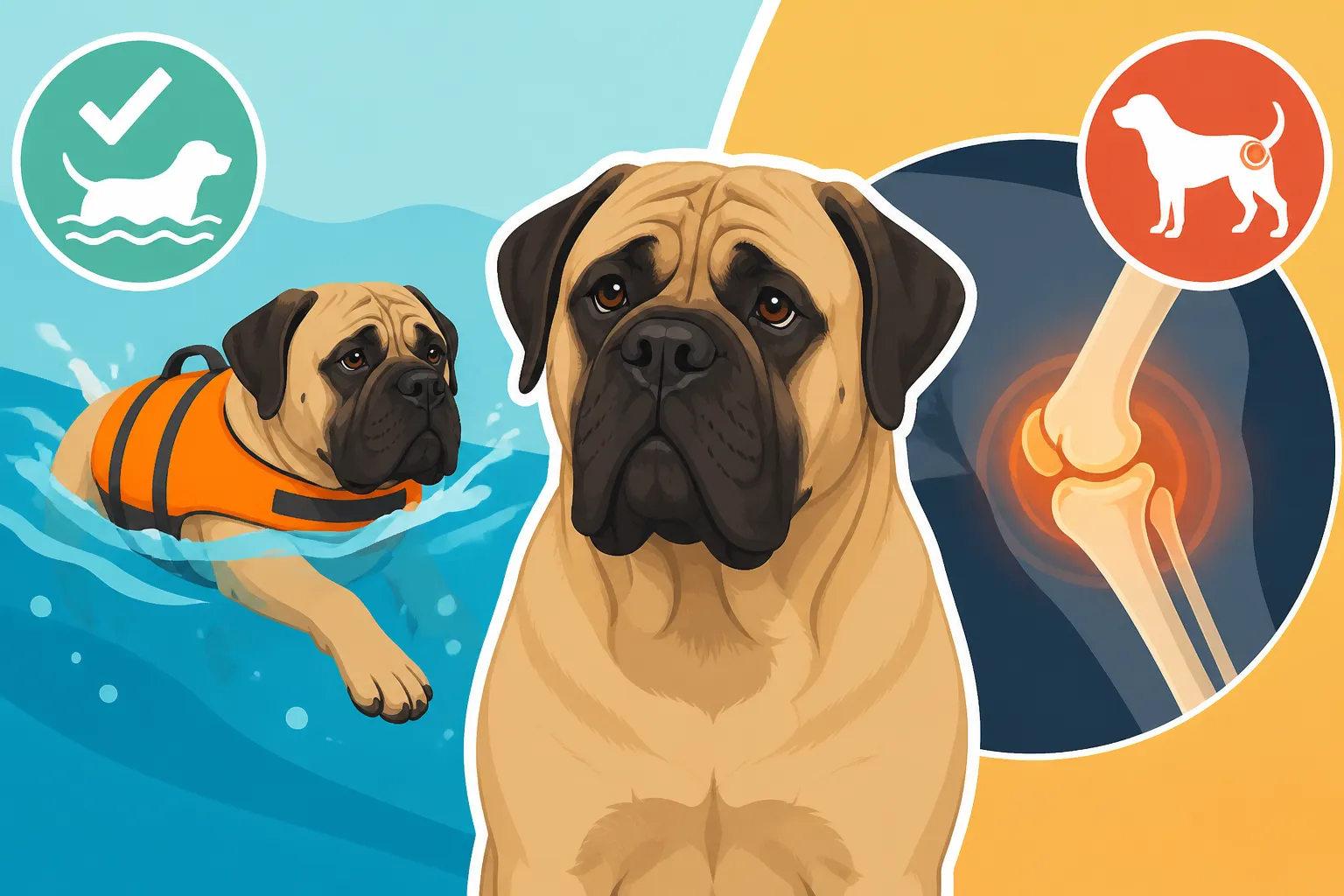
Hydrotherapy, or exercise in water, offers a unique advantage for Mastiffs: buoyancy. When a Mastiff is submerged in water, the buoyant force significantly reduces the impact of their body weight on their joints. This means they can move their limbs through a full range of motion without the painful grinding or jarring that might occur on land. It’s like a gentle massage for their joints, promoting circulation and reducing inflammation.
This low-impact nature makes swimming an excellent tool for building and maintaining muscle mass, especially in the hindquarters and core, which are crucial for supporting their massive bodies. Strong muscles act like natural shock absorbers, further protecting the joints. For dogs recovering from surgery, managing chronic pain from conditions like hip or elbow dysplasia, or simply needing a safe way to stay active as they age, hydrotherapy can be invaluable. It can improve flexibility, stamina, and overall cardiovascular health without the risk of aggravating existing joint conditions. It’s important to note, however, that while swimming is fantastic for joints, it might not be the most efficient way to cool a dog as bulky as a Mastiff on a hot day, as their heavy coats can trap heat even in water. This is a common misconception, and it’s critical to prioritize their core temperature regulation.
Important Considerations for Mastiff Swimmers
While swimming is largely beneficial, it's not a "one size fits all" activity for Mastiffs, and several practical considerations need to be kept in mind to ensure safety and effectiveness. First, the depth and temperature of the water are key. Shallow, calm water in a pool specifically designed for canine hydrotherapy or a very calm lake with a gradual entry is ideal. The water should be warm enough to be comfortable (around 78-82°F for therapy pools) to relax muscles, but not so warm that it causes overheating. Cold water can stiffen muscles and joints, negating some of the benefits.
Accessibility is another huge factor. Trying to get a 200-pound Mastiff into and out of a standard swimming pool can be a logistical nightmare and potentially dangerous for both you and your dog. Look for facilities with ramps or very shallow entry points. If using natural bodies of water, ensure the banks are gently sloped and stable. Supervision is non-negotiable. Even dogs who enjoy water can tire quickly, and a Mastiff's deep chest, though it gives them a striking appearance, can make them prone to certain swimming difficulties. Ensuring they wear a proper life vest, especially in open water, provides extra buoyancy and a handle for you to assist them if needed. This also allows them to focus on movement rather than treading water, making it more therapeutic.
Potential Drawbacks and Risks
Even with its many benefits, swimming for a Mastiff isn't without its potential downsides. One of the primary concerns is overheating. As mentioned, while water can feel cooling, a Mastiff's dense coat and large body mass can actually trap heat, especially if the air temperature is high or if they are exerting themselves significantly. They can quickly become overheated, leading to dangerous heatstroke. Always monitor them closely for signs like excessive panting, lethargy, or glazed eyes.
Another significant risk is exhaustion and difficulty exiting the water. Mastiffs are powerful, but their stamina in water can vary. A tired Mastiff can become a drowning risk. If they're in a pool, ensuring there's an easy-access ramp is vital. Trying to lift a waterlogged Mastiff out of the water is practically impossible for one person. Furthermore, their large, pendulous ears are prone to developing ear infections if not thoroughly dried after every swim. Water trapped in the ear canal creates a warm, moist environment perfect for bacteria and yeast. Thoroughly drying their ears, perhaps even using an ear-drying solution, is a must after any water activity. Finally, always be aware of the quality of the water, especially in natural settings, to avoid skin irritations or ingestion of harmful bacteria.
Practical Steps for Introducing Your Mastiff to Water
Introducing your Mastiff to swimming should always be a gentle, positive experience. For a dog that might already be dealing with joint discomfort, force or fear can set back their progress significantly.
Starting Slow and Building Confidence
Just like with any new experience, patience is paramount when introducing your Mastiff to water. Don't just toss them in and expect them to swim like an otter! Start in very shallow water, perhaps just deep enough for them to walk through, like a kiddie pool in your backyard or a calm, shallow edge of a lake. Encourage them with praise, treats, and their favorite floating toys. The goal is to make it a fun, low-pressure activity.
Many Mastiffs, despite their size, can be surprisingly wary of new things, especially if they haven't been exposed to water as puppies. A Mastiff's deep chest can be a bit of a disadvantage in the water, so supporting them with a life vest right from the start can help them feel more secure and less anxious about sinking. Gradually increase the depth as their confidence grows. This might take several sessions, or even weeks. Never force them, as a negative experience can create a lifelong aversion. Remember, the objective is therapeutic benefit, and that only comes with relaxed, comfortable movement. If you're struggling, consider professional guidance from a certified canine hydrotherapist who has experience with large breeds.
Essential Gear and Safety Measures
Ensuring your Mastiff's safety in and around water is non-negotiable. The most crucial piece of equipment is a well-fitting dog life vest. Look for one with good buoyancy, strong handles on the back (for easy lifting/guiding), and adjustable straps to accommodate their broad chest. Brands like Ruffwear or Outward Hound make excellent options that can support a Mastiff's weight. These vests not only help them stay afloat but also give you something to grab onto if they need assistance or need to be directed.
When choosing a swimming location, prioritize safety. For pools, ensure there’s a ramp or easy-step access point that a large, potentially tired Mastiff can use without struggling. Never let them attempt to scramble out on their own from a high edge, as this can cause further joint strain or injury. For natural bodies of water, check for strong currents, sharp rocks, or sudden drop-offs. Always have fresh drinking water available to prevent them from drinking lake or pool water, which can contain bacteria or chemicals. A first-aid kit nearby is also a smart idea, just in case of minor scrapes or ear issues. Always remember that constant, active supervision is the best safety measure.
When to Consult Your Veterinarian or a Professional
Before you even dip a paw in the water, it is absolutely crucial to consult your veterinarian. They can assess your Mastiff’s overall health, discuss any pre-existing conditions like Why a Mastiff's Hips Fail Under Its Own Weight or elbow dysplasia, and confirm if swimming is a suitable activity. Your vet can provide specific recommendations tailored to your dog's individual needs and limitations. They might advise on the duration and intensity of swim sessions or suggest particular exercises in the water.
In many cases, especially if your Mastiff is dealing with significant joint issues or is recovering from surgery, working with a certified canine hydrotherapist is highly recommended. These professionals have specialized knowledge and facilities (often with heated, filtered pools) to provide controlled, safe, and effective hydrotherapy. They understand canine anatomy and can guide your Mastiff through exercises that maximize therapeutic benefits while minimizing risk. They can also teach you techniques for safe handling in water and proper post-swim care, such as thorough ear drying, which is so vital for a Mastiff.
Alternatives and Complementary Joint Care for Mastiffs
While swimming can be a fantastic part of a Mastiff's joint care regimen, it's rarely the only solution. A holistic approach that combines various strategies is often the most effective way to support their massive bodies and ensure comfort throughout their lives.
Land-Based Low-Impact Exercises
Not every day is a swimming day, and it's essential to have other low-impact options. Controlled, regular walks on soft surfaces like grass or dirt trails are excellent. The key word here is "controlled"—no sudden sprints or jumping. Think leisurely strolls rather than vigorous hikes. Remember, a Mastiff puppy needs very specific exercise restrictions; for instance, The Walk Length That Damages a Mastiff Puppy is surprisingly short. Even for adults, quality over quantity is crucial. Gentle playtime in a securely fenced yard, with soft toys and no high-impact movements, can also keep them engaged and active.
Another often overlooked aspect is simply encouraging slow, deliberate movement around the house. What Bare Floors Do to a Growing Mastiff can be detrimental, and even for adult Mastiffs, slippery floors make movement difficult and increase the risk of injury. Providing good traction with runners or carpet can make a huge difference in their daily mobility and confidence. Simple, intentional movements help maintain muscle tone without overstressing their joints.
Nutritional Support and Supplements
What goes into your Mastiff's bowl plays a critical role in their joint health. Ensuring they maintain a lean body weight is perhaps the single most important nutritional strategy. Keeping a Mastiff Lean on Purpose can significantly reduce the load on their joints, delaying the onset and progression of arthritis. Work with your vet to determine the ideal weight range for your individual Mastiff and adjust their diet accordingly.
Beyond weight management, many Mastiff owners opt for joint supplements. Ingredients like glucosamine, chondroitin, MSM, and Omega-3 fatty acids (like those found in fish oil) are commonly used. These supplements are believed to help maintain cartilage health, reduce inflammation, and improve joint lubrication. Brands like Cosequin, Dasuquin, or Movoflex are popular choices. It's best to start these early, ideally even before signs of joint issues appear, as a preventative measure. However, always discuss specific brands and dosages with your veterinarian, as the right combination can make a big difference, and what works for a smaller dog might not be sufficient for a Mastiff’s immense needs.
The Role of Veterinary Care and Proactive Management
Regular veterinary check-ups are non-negotiable for Mastiffs, especially as they get older. Early detection of joint issues can lead to more effective management and a better quality of life. Your vet can conduct physical exams, recommend imaging (like X-rays) to assess joint health, and discuss treatment options. These might include anti-inflammatory medications, pain management strategies, or even referral to an orthopedic specialist.
Proactive management also means being prepared for the financial realities of Mastiff ownership. Joint issues can lead to expensive diagnostics, medications, and potentially surgeries down the line. This is where pet insurance can be a literal lifesaver. Companies like Healthy Paws offer comprehensive coverage that can help mitigate the significant costs associated with managing chronic conditions or emergency procedures. Imagine facing a potential several-thousand-dollar surgery for a torn cruciate ligament or advanced hip dysplasia; having a robust insurance policy from Healthy Paws can allow you to make decisions based on your Mastiff's health, rather than your bank account. Planning ahead for these potential health expenses is a huge part of responsible Mastiff ownership. Don't wait until problems arise; explore options like Healthy Paws when your Mastiff is still young and healthy to ensure coverage for future needs.
Swimming for Mastiff Joint Health: Pros and Cons
To help you visualize the considerations, here's a quick summary of the pros and cons of incorporating swimming into your Mastiff's joint care routine:
| Aspect | Pros (Benefits for Mastiff Joints) | Cons (Potential Risks & Challenges) |
|---|---|---|
| Joint Impact | Low-impact exercise, reduces stress on hips, elbows, and other joints. | Risk of injury if forced or struggling with entry/exit. |
| Muscle Build | Strengthens core and limb muscles without painful weight-bearing. | Less effective for specific muscle groups if not guided therapeutically. |
| Pain Relief | Promotes circulation, reduces inflammation, offers gentle mobility. | Cold water can stiffen joints; improper technique can cause strain. |
| Cardio/Stamina | Improves cardiovascular health and overall endurance. | Mastiffs can tire quickly; risk of exhaustion/drowning. |
| Accessibility | Ideal for dogs with severe mobility limitations or post-surgery recovery. | Finding suitable, safe, and accessible facilities can be challenging. |
| Safety | Can be very safe with proper supervision and equipment (life vest). | Overheating risk, especially in warm weather; ear infections are common. |
| Enjoyment | Can be a fun, engaging activity that mental stimulation. | Some Mastiffs may dislike water or be fearful. |
Disclaimer
The information provided in this article is for general informational purposes only and is not a substitute for professional veterinary advice. Always consult with a qualified veterinarian or a certified canine hydrotherapist regarding your Mastiff's specific health needs and before making any decisions about their care or exercise regimen.