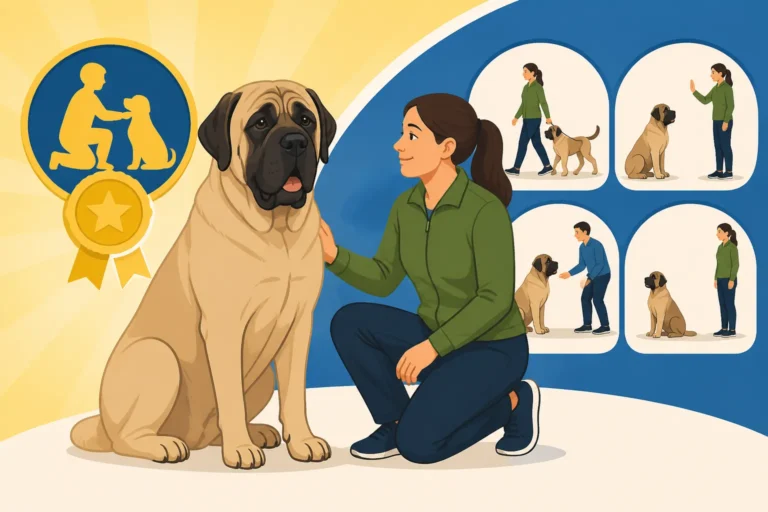
The Job a Mastiff Actually Wants
So many people dream of bringing a Mastiff into their home, picturing a magnificent, powerful dog. But often, the idea of what a Mastiff should do for them clashes with what these gentle giants actually want to do. It can be frustrating when your majestic protector just wants to nap on the sofa or leans on you heavily instead of performing tricks. This guide is all about understanding the true desires of your Mastiff and how to give them a life that makes them genuinely happy and fulfilled.
Dispelling the Myths: What a Mastiff Doesn't Want
Many people come to the Mastiff breed with certain expectations, often rooted in their imposing size and historical reputation. They see a massive, powerful dog and assume it must be itching for high-octane jobs or constant activity. But the reality for most Mastiffs is far, far different, and trying to force them into roles they weren't designed for can lead to frustration for both you and your gentle giant. Let's talk about what they're generally not looking for in a "job."
High-Impact Sports and Endurance
If you're dreaming of a jogging partner or a dog to accompany you on long, strenuous hikes, a Mastiff is likely going to disappoint. Their sheer size and bone structure, while impressive, are not built for sustained speed, agility, or impact. They carry an immense amount of weight, and their joints are already under significant strain just from existing. Pushing them into activities like competitive agility, long-distance running, or even prolonged, fast-paced walks can put immense stress on their hips, elbows, and other joints, potentially leading to or exacerbating conditions like hip and elbow dysplasia. Imagine asking a sumo wrestler to run a marathon – it's just not what their body is designed for. They might try to please you for a while, but you'll likely see them lagging, panting excessively, or showing signs of discomfort rather quickly.
Mastiffs are prone to orthopedic issues, and their growth plates need careful protection, especially as puppies. You’ll often hear the advice that Why a Mastiff Puppy Must Not Run. Even as adults, their bulk means their stamina is limited. They prefer short bursts of activity followed by long periods of rest. Forget about a demanding exercise regimen; a leisurely stroll around the block or some gentle play in the yard is usually their speed. Trying to turn your Mastiff into an endurance athlete is not only unfair to them but also a recipe for costly veterinary bills down the line. They are built for strength and presence, not speed or prolonged exertion.
Complex Obedience Routines and Repetitive Drills
While Mastiffs are intelligent dogs, they aren't typically known for their flashy obedience routines or their desire to perform endless repetitions of commands. They can absolutely learn basic obedience – "sit," "stay," "come," "down" – and these are crucial for managing such a large dog safely and respectfully. However, they aren't the kind of dog that thrives on the intricate, fast-paced drills often seen in competitive obedience trials. Their "stubbornness" is often actually The Stubbornness That Is Actually a Mastiff Thinking, a thoughtful deliberation rather than outright defiance. They process information, consider the request, and then decide if it's worth their effort.
This isn't to say they can't be trained; quite the opposite. They respond wonderfully to positive reinforcement and clear, consistent communication. But asking for ten perfect heel-stays in a row or rapid-fire sequencing of commands will likely result in your Mastiff looking at you as if you've lost your mind, then deciding a nap sounds much more appealing. They have a deep, sensitive nature, and harsh corrections or endless drilling can quickly shut them down. They want to understand what you're asking and then do it on their own terms, which usually involves a slower, more deliberate pace. Training should be about building a bond and clear communication, not about turning them into a performing seal.
Being Left Alone for Long Stretches
This isn't really a "job" but it's a common expectation owners have that dogs should be fine alone while they work a long day. Mastiffs, however, are deeply devoted and bond strongly with their families. They were historically bred to be guardians, yes, but also constant companions, watchful over their people and their homes. They thrive on companionship and being part of the family unit. Being left isolated in a yard or crated for eight, nine, or even ten hours a day can be incredibly detrimental to their mental well-being. They aren't dogs that are content to entertain themselves for prolonged periods without human interaction.
While a Mastiff can certainly handle being alone for a few hours, pushing it too far can lead to separation anxiety, destructive behaviors, or just plain sadness. These aren't typically "kennel dogs" in the traditional sense; they want to be with their people. If your lifestyle demands long hours away from home, seriously consider if a Mastiff is the right fit. If you absolutely must be away, planning for dog walkers or dog-friendly childcare becomes paramount. Remember, How Long a Mastiff Copes Alone is not as long as some might hope. They are gentle giants who crave connection, not isolation.
The True Calling: Guarding, Companionship, and Gentle Presence
So, if they're not built for marathons or circus acts, what do Mastiffs truly want to do? The answer lies in their very nature: they want to be your family's watchful, loving shadow. Their desires are far more profound and less about performing specific tasks, centering instead on their innate protective instincts and their immense capacity for affection.
The Gentle Guardian
A Mastiff's most inherent "job" is that of a guardian, but not in the way many aggressive breeds might fulfill that role. They are not typically attack dogs, nor do they often engage in frantic barking at every squirrel that crosses the yard. Instead, their guardianship is expressed through their sheer presence, their watchful demeanor, and their unwavering loyalty. How a Mastiff Guards Without Being Taught is often a subtle, almost intuitive process. They absorb the energy of their home, recognize the family as their "pack," and inherently understand the boundaries of their territory.
When a stranger approaches, a Mastiff will likely observe, often with a low, rumbling growl that shakes the floor more than it pierces the air. Their size alone is often enough of a deterrent. An uninvited visitor seeing a two-hundred-pound dog quietly watching them from the window is usually enough to make them reconsider their intentions. They position themselves strategically, often between their loved ones and any perceived threat, without needing to be commanded. This is less about active aggression and more about passive deterrence and quiet vigilance, which means Whether a Mastiff Is a Guard Dog or a Deterrent often leans heavily towards the latter. They want to know you are safe, and they take that responsibility seriously, albeit calmly.
Your Loving Shadow and Confidant
Beyond guarding, what a Mastiff truly craves is to be an integral part of your family. They want to be close to you, lean on you (sometimes quite literally!), and share your space. Their ideal "job" is to be your constant companion, whether that means snoozing at your feet while you work, gently nudging your hand for a scratch, or simply lying nearby absorbing your presence. They thrive on affection and are often described as "velcro dogs" due to their desire to be physically close.
This deep bond makes them exceptional family dogs. They are patient, tolerant, and incredibly gentle with children, though their size always necessitates supervision to prevent accidental tumbles. They want to be involved in whatever you're doing, even if their involvement simply means being present. They'll follow you from room to room, settling down with a contented sigh wherever you are. This unwavering companionship provides immense emotional support and a quiet, comforting presence that few other breeds can match. They are truly magnificent living security blankets, always there, always watching, always loving.
The Sofa Supervisor
Let's be real: one of a Mastiff's favorite "jobs" is supervising the sofa. Or the bed. Or any soft, comfortable spot they can claim as their own. While we might joke about it, this isn't laziness; it's a fundamental part of their temperament and physical needs. These large dogs need significant amounts of rest to support their massive bodies. They are masters of relaxation and will happily spend hours napping, observing the world from a comfortable vantage point.
Providing a soft, supportive bed in every room you frequent is not a luxury, but a necessity for a Mastiff. Their joints need cushioning, and they need plenty of opportunities to rest. An orthopedic bed, perhaps from brands like Big Barker available on Amazon, can make a huge difference in their comfort and long-term joint health. Their desire to simply be with you, even if it means sleeping, is a testament to their deep bond and calm nature. Don't mistake their love for napping as a lack of engagement; it's simply how they recharge to continue their important work of being your devoted companion and guardian.
Beyond the Basics: Gentle Activities and Enrichment
While a Mastiff's core desires are rooted in companionship and quiet guardianship, that doesn't mean they don't enjoy activities. They just prefer activities that cater to their specific physical and mental makeup – low-impact, thoughtful, and centered around their bond with you.
Scent Work and Nose Games
Mastiffs have an excellent sense of smell, and engaging their powerful noses is a fantastic way to provide mental enrichment without taxing their bodies. Scent work, often referred to as "nose games," is the perfect activity for these thoughtful giants. This can be as simple as hiding treats around the house and encouraging them to find them, or investing in puzzle toys. Companies like BAXTER & Bella often promote enrichment activities that are perfect for engaging a dog's mind, offering guidance for positive training and fun.
You can create a simple snuffle mat or purchase one where kibble or treats are hidden in fabric folds. Watching your Mastiff methodically sniff out every morsel is incredibly satisfying and provides mental stimulation that can tire them out more effectively than a long run ever could. More advanced scent work involves teaching them to identify specific odors, which can be a fun and low-impact sport. Scent Work as a Mastiff's Low Impact Sport is a fantastic outlet for their intelligence and natural abilities, keeping their minds sharp even if their bodies prefer a slower pace.
Therapy Work
Given their gentle nature, calm demeanor, and imposing yet comforting presence, many Mastiffs make exceptional therapy dogs. They have a natural ability to connect with people, offering a quiet, soothing presence to those in hospitals, nursing homes, or schools. Their size, far from being intimidating, can often be a source of wonder and gentle affection for those who interact with them. Imagine a huge, soft head resting on a lap, accepting gentle pets – it's incredibly therapeutic.
Becoming a certified therapy dog involves training and temperament testing, but it's a calling that many Mastiffs embrace naturally. They seem to understand when someone needs comfort and offer it without reservation. This "job" provides immense fulfillment for the Mastiff, allowing them to use their innate gentleness and empathy to bring joy to others. If your Mastiff has the right temperament – calm, friendly, and unflappable – exploring therapy work could be an incredibly rewarding path for both of you. The Mastiff as a Therapy Dog outlines more about this wonderful role, perfect for their empathetic nature.
Casual Walks and Yard Exploration
While endurance isn't their forte, regular, casual walks are still important for a Mastiff's physical and mental health. These walks aren't about covering vast distances but about allowing them to explore their environment, sniff interesting smells, and enjoy a change of scenery. Think of it as a moving meditation for your Mastiff. The sights, sounds, and smells of the neighborhood provide valuable mental stimulation.
A short, twenty to thirty-minute walk, perhaps twice a day, is often ideal. On these walks, they can practice their leash manners (which are vital given their strength – A Mastiff Does Not Pull You Over, It Simply Stops), greet friendly neighbors, and simply be a dog in the world. Back home, supervised time in a securely fenced yard allows them to wander, sniff, and perhaps perform a few contented rolls in the grass. This balance of gentle activity and ample rest is key to keeping a Mastiff healthy and happy. Remember, their joints appreciate a soft surface, so be mindful of too much hard pavement.
Creating a Fulfilling Life for Your Mastiff
Understanding what your Mastiff truly wants is the first step toward building a deep, respectful relationship and providing them with a life that brings them joy. It's about meeting their needs, not imposing your own expectations of what a "dog" should be.
Consistent, Positive Reinforcement Training
Training a Mastiff isn't about dominance or force; it's about clear communication and building trust. They are sensitive souls, and The Sensitivity Nobody Expects in a Two Hundred Pound Mastiff means they respond best to kindness and positive methods. Focus on rewarding desired behaviors with high-value treats, praise, or gentle affection. If you need help, consider resources like BAXTER & Bella's online training programs, which emphasize positive methods that work well with the Mastiff temperament. These types of programs can be incredibly helpful for Teaching a Mastiff Before It Outweighs You, ensuring you establish good habits early.
Short, engaging training sessions are far more effective than long, repetitive drills. Keep it fun and rewarding. This approach respects their thoughtful nature and builds their confidence, rather than making them feel pressured or confused. A well-trained Mastiff is a joy to live with, not because they perform elaborate tricks, but because they are respectful, understand boundaries, and are confident in their relationship with you. What Actually Motivates a Mastiff is often that connection and the desire to please you, coupled with a delicious reward. Whether Positive Training Alone Works on a Mastiff is a resounding yes for this breed.
Ample Comfort and Space
Given their size and their love for napping, providing ample comfortable sleeping spaces is non-negotiable. Invest in high-quality, orthopedic beds that support their joints. Having a few strategically placed around the house ensures they always have a soft landing spot, whether they're following you to the kitchen or settling in the living room. Look for durable, washable covers on sites like Amazon to make cleanup easier, because let's face it, drool happens!
Beyond beds, consider their living environment. While Mastiffs don't need acres to run, they do need space to move around without feeling cramped. Wide doorways, open floor plans, and non-slip flooring (or strategically placed rugs) are important for their mobility. What Bare Floors Do to a Growing Mastiff can be detrimental to their developing joints, causing them to splay and struggle for traction. Their home should be their sanctuary, a place where they can move and rest with ease and comfort.
A Schedule That Prioritizes Rest and Togetherness
Mastiffs thrive on routine and consistency. A predictable schedule for meals, potty breaks, and short walks helps them feel secure and understood. Crucially, this schedule should build in plenty of downtime for rest. Don't feel guilty if your Mastiff spends much of the day snoozing; that's perfectly normal and healthy for them.
Most importantly, build your schedule around maximizing your time with your Mastiff. Their ultimate happiness comes from being included in family life. Whether it's a quiet evening on the couch, watching TV, or supervising you in the garden, their greatest joy is simply being by your side. They are incredibly intuitive and Whether a Mastiff Reads Its Owner's Mood, often offering silent comfort when you need it most. Their "job" is to be your beloved family member, and the best way to honor that is to make them feel like a cherished and central part of your world.
Here's a quick overview of what a Mastiff truly "wants" in their daily life:
| Activity/Need | Mastiff Preference | Why It's Important |
|---|---|---|
| Exercise | Short, gentle walks | Protects joints, prevents overheating, offers mental stimulation through sniffing. |
| Mental Stimulation | Scent games, puzzle toys | Engages their intelligent mind without physical strain. |
| Companionship | Constant presence with family | Deeply bonded dogs, thrive on being part of the pack, prevents loneliness. |
| Rest & Comfort | Ample soft, orthopedic beds | Essential for supporting their massive bodies and protecting joints. |
| Training | Positive reinforcement | Sensitive and thoughtful, respond best to kind, consistent, and reward-based methods. |
| Guarding | Passive deterrence, watchful | Innate instinct, their size alone is often enough to protect their home and family. |
| Role in Family | Cherished member, 'velcro dog' | Seek closeness and affection, thrive on being part of daily activities. |
Regular Health Check-ups and Preventative Care
Part of providing a fulfilling life is ensuring they're as healthy as possible. Mastiffs, like all large breeds, are prone to certain health conditions. Regular veterinary check-ups are essential to catch any issues early. This includes being proactive about joint health, maintaining a lean body condition, and discussing preventative measures with your vet. What a Mastiff Needs Every Day includes not just food and water, but attentive observation of their health and comfort. A Mastiff free from pain and discomfort is a happy Mastiff.
By understanding and embracing the gentle, loyal nature of the Mastiff, you're not just getting a dog; you're inviting a magnificent, loving presence into your home. Their "job" isn't to perform, but to simply be – a devoted guardian, a comforting presence, and an irreplaceable member of your family. And honestly, that's the best job in the world.
Disclaimer
This article is for general informational purposes only and does not constitute professional advice. Laws, prices and regulations vary by location and change over time. Consult a qualified professional for guidance on your specific situation.