Taking Weight Off a Mastiff That Barely Exercises
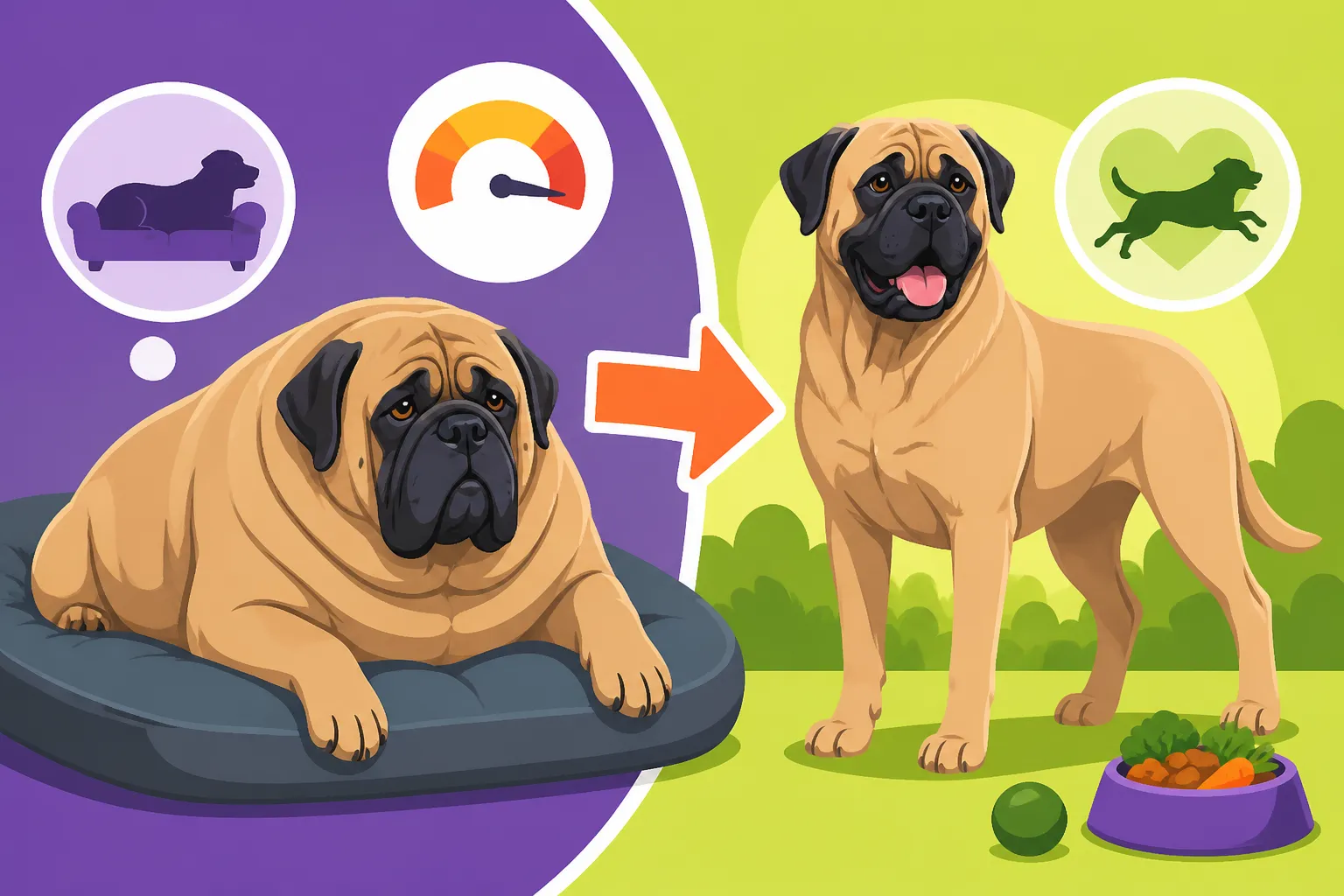
It's a familiar sight for many Mastiff owners: you look at your beloved giant, and suddenly realize they've put on a few (or more than a few!) extra pounds. When you have a dog that was already built like a small pony, the idea of more weight, especially when they aren't exactly training for a marathon, can feel overwhelming. This guide is here to walk you through the practical, empathetic, and most importantly, effective strategies for safely and sustainably helping your low-activity Mastiff shed those extra pounds.
Understanding Mastiff Weight Gain and Metabolism
Let's face it, our Mastiffs aren't exactly built for speed or endurance. They are magnificent, powerful dogs, but their very nature often predisposes them to a more sedentary lifestyle than, say, a Border Collie. This, combined with their unique physiology, makes weight management a lifelong consideration. It's not just about aesthetics; it's about their health and comfort.
The Unique Metabolic Challenges of Giant Breeds
Mastiffs, like many giant breeds, have a metabolism that operates a little differently than their smaller counterparts. They tend to have a slower metabolic rate, meaning they don't burn calories as quickly. Think about it: a creature designed to move with deliberate, powerful steps isn't going to have the same caloric needs as one bred for agility or high-energy herding. Their massive bone structure and muscle mass require a lot of upkeep, but once fully grown and not actively working, their energy expenditure can drop significantly.
This slower metabolism, combined with their sheer size, means that even a slight overestimation of their food intake can lead to weight gain surprisingly quickly. It’s easy to look at a two-hundred-pound dog and think, "Surely they need more food," but often, the opposite is true if their activity level isn't matching that intake. They are also prone to developing conditions that are exacerbated by extra weight, such as joint issues.
Why Less Exercise Equals More Weight for a Mastiff
It’s simple math, really: calories in versus calories out. For a Mastiff that enjoys its naps and leisurely strolls rather than vigorous runs, the "calories out" side of the equation is naturally lower. If the "calories in" side doesn't adjust to match, weight gain is inevitable. Many owners find their Mastiffs become less active as they mature, or if they develop minor aches and pains, which then creates a vicious cycle. Less movement leads to more weight, which puts more strain on joints, leading to even less desire to move.
Imagine a typically lazy Sunday for your Mastiff. They wake up, have breakfast, sprawl on the cool tile for a few hours, maybe a short sniff-walk in the yard, a nap on the couch, dinner, and then back to their favorite sleeping spot. This is a lovely, comfortable life for a Mastiff, but it doesn't burn many calories. If their food bowl isn't adjusted to this reality, those calories accumulate as fat. It’s a common frustration, because you want your dog to be comfortable and happy, but you also need them to be healthy.
Health Risks of an Overweight Mastiff
The implications of an overweight Mastiff go far beyond just looking a bit chunky. For a breed already prone to certain health challenges, extra weight can be a severe detriment. The added strain on their joints, which are already carrying immense weight, can accelerate conditions like hip and elbow dysplasia, leading to increased pain, reduced mobility, and a need for more interventions like joint supplements or even costly surgeries. You can read more about the general financial burden in The Mastiff's Short Life Buys the Biggest Bills.
Beyond joint issues, being overweight can lead to or worsen a host of other health problems. It puts additional strain on their heart and respiratory system, making them more susceptible to heat intolerance and breathing difficulties. Overweight Mastiffs are also at a higher risk for developing diabetes, certain cancers, and even skin fold infections due to increased fat rolls. Their overall quality of life diminishes, and sadly, their already relatively Six to Ten Years Is What a Mastiff Gets lifespan can be shortened even further. Our goal is to keep them as healthy and comfortable as possible for every one of those precious years.
Dietary Adjustments for a Low-Activity Mastiff
When it comes to weight loss for a Mastiff, diet is undeniably the most powerful tool in your arsenal. They simply cannot out-exercise a poor diet, especially given their natural inclination for lounging. Making smart, consistent changes to what and how they eat will yield the biggest results.
Calculating the Right Calorie Intake
This is where it gets a little scientific, but don't worry, you don't need a degree in canine nutrition. The first, and most crucial, step is to consult your veterinarian. They can help you determine your Mastiff's ideal weight and a safe, effective daily calorie target for gradual weight loss. Trying to guess can be dangerous, as extreme calorie restriction can lead to nutritional deficiencies, while too little restriction won't achieve results.
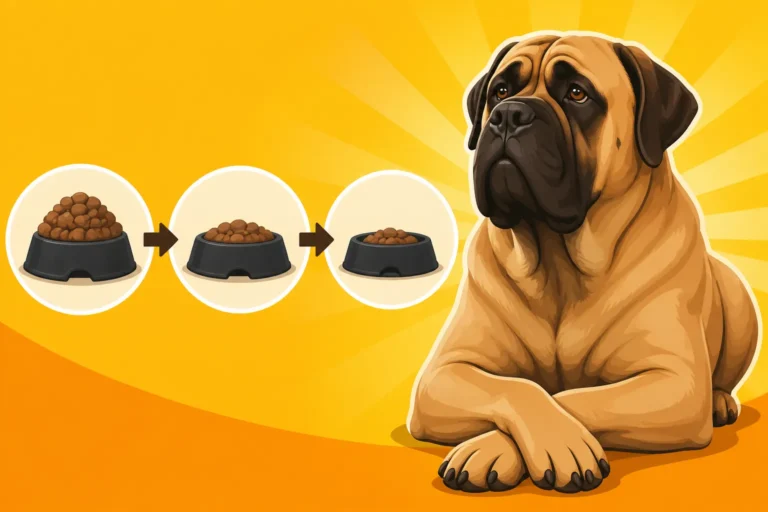
Your vet might use a calculation based on your Mastiff's ideal lean body weight to estimate their basal metabolic rate (BMR), which is the number of calories they burn at rest. From there, an activity factor is applied. For a low-activity Mastiff, this factor will be quite low. Remember, every dog is an individual, and things like age, neuter status, and underlying health conditions all play a role. Your vet might recommend starting with a 10-20% reduction from their current intake, or a specific calorie target per day. It’s a marathon, not a sprint, and slow, steady weight loss is always the healthiest approach for these giants.
Choosing the Right Food Type and Quality
Once you have a calorie target, the next step is selecting the right food. Not all dog foods are created equal, and for a Mastiff on a weight loss journey, quality really matters. Look for foods that are:
- High in Quality Protein: Protein helps maintain muscle mass during weight loss and keeps your dog feeling full. Lean protein sources are key.
- Lower in Fat: Fat is calorie-dense, so a food with a reduced fat content is essential.
- High in Fiber: Fiber adds bulk to the food, promoting satiety without adding many calories. It can also aid in digestion.
Many reputable brands offer "weight management," "light," or "senior" formulas specifically designed with these characteristics. These foods often have a higher protein-to-calorie ratio and increased fiber. While you can find a vast array of options on sites like Chewy or Amazon, always read the labels carefully. Compare the guaranteed analysis and calorie content per cup. Sometimes, simply reducing the portion of a high-calorie food isn't enough; switching to a lower-calorie formula can allow your Mastiff to still feel full while consuming fewer calories. For those who prefer fresh food, companies like Ollie can offer tailored plans, but ensure you discuss these with your vet to guarantee they meet specific weight loss needs and calorie targets. Remember that for a Mastiff, even small differences in nutritional density can have a big impact over time.
| Food Type | Pros for Weight Loss | Cons for Weight Loss |
|---|---|---|
| Dry Kibble | Cost-effective, easy to store and measure, many weight-management formulas available. | Can be calorie-dense if not specifically formulated for weight loss, ingredients vary widely in quality. |
| Wet Food | High moisture content can help with satiety, often palatable for picky eaters. | Can be more expensive, large volumes needed for a Mastiff, might still be high in calories without specific formulation. |
| Fresh Food | Highly palatable, ingredients are clearly identifiable, can be precisely formulated. | More expensive, requires careful calorie counting, can be challenging to balance all nutrients without expert guidance. |
| Raw Food | Many proponents claim better digestion and coat health, high protein. | Very high cost at Mastiff volumes, high risk of nutritional imbalance or pathogen contamination if not prepared correctly, difficult to calorie restrict safely. |
Portion Control and Feeding Strategies
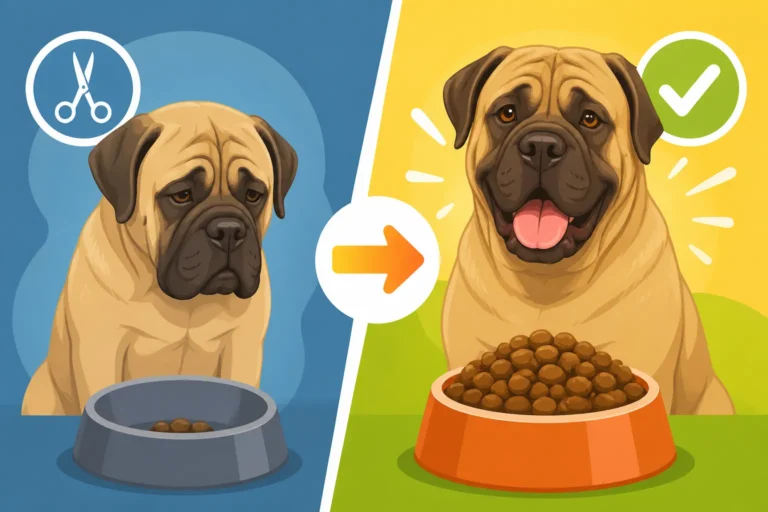
This might sound obvious, but it's often overlooked: measure your Mastiff's food. Don't eyeball it. A small scoop or cup difference daily adds up to hundreds, even thousands, of extra calories over a week for a giant breed. Use a precise measuring cup or, even better, a kitchen scale to ensure accuracy.
Instead of one large meal, consider splitting your Mastiff's daily allowance into two or three smaller meals. This can help manage hunger throughout the day and keep their metabolism gently ticking over. You can learn more about The Meal Schedule a Mastiff Puppy Needs, and while the specifics for adults differ, the principle of scheduled feeding remains crucial. Additionally, explore slow feeder bowls. These bowls have mazes or obstacles that force your Mastiff to eat more slowly, making them feel fuller on less food and reducing the risk of bloat. How Little an Adult Mastiff Eats for Its Size might surprise you, but careful measurement is key.
Another crucial aspect of portion control is eliminating "extra" calories. This means no table scraps, no sneaking treats, and being mindful of training treats. If you use treats for training, deduct their caloric value from the daily food allowance. Opt for low-calorie options like small pieces of cooked chicken, plain green beans, or carrots, especially if your Mastiff is a food-motivated learner.
Gentle Exercise Strategies for Weight Loss
While diet is paramount, exercise still plays a vital role in weight loss and, more importantly, in maintaining muscle mass and overall joint health for your Mastiff. The key here is gentle and low-impact. We're not talking about marathon training; we're talking about consistent, safe movement.
Low-Impact Activities for Joint Protection
Given their size and propensity for joint issues, high-impact activities are generally a no-go for Mastiffs, especially if they are already overweight. Running, jumping, and prolonged intense play can put undue stress on their hips, elbows, and shoulders. You might already know Why Agility Is Wrong for a Mastiff due to these concerns. Instead, focus on activities that build muscle and burn calories without jarring their joints:
- Leisurely Walks: Start with short, slow walks, perhaps 10-15 minutes, a couple of times a day. Gradually increase the duration and distance as your Mastiff's stamina and comfort improve. Pay attention to their pace and signs of fatigue or discomfort. A paved, even surface is often better than uneven terrain for their joints. Even a short stroll around the block or a walk to the mailbox can make a difference if done consistently.
- Swimming (Hydrotherapy): This is often considered the gold standard for low-impact exercise for giant breeds. The buoyancy of the water takes pressure off their joints while still providing excellent resistance for muscle building and calorie burning. If you have access to a canine hydrotherapy center or a vet-approved pool, it can be an incredible tool for weight loss and rehabilitation. Many owners wonder Whether a Mastiff Should Swim for Its Joints, and the answer is often a resounding yes, under supervision. Even a few minutes in a shallow pool can be beneficial.
- Gentle Leash Walking: Even if it's just around the backyard, getting them moving on a leash can be helpful. This isn't about covering vast distances but about controlled, deliberate movement.
Always ensure your Mastiff is well-hydrated before and after any exercise. On warmer days, keep walks short and during the coolest parts of the day to prevent overheating, as their bulk makes them very susceptible to heat.
Mental Stimulation as a Calorie Burner
Don't underestimate the power of mental exercise! A tired mind can be just as effective as a tired body in many ways, and mental stimulation can burn calories too. This is especially true for Mastiffs, who often enjoy "thinking" more than "doing" in the physical sense.
- Puzzle Toys: Invest in a variety of puzzle toys or treat-dispensing toys. These require your Mastiff to engage their brain to get their food or a low-calorie treat, turning mealtime into a mental workout. It slows down eating and provides enrichment. You can find many options on sites like Chewy or Amazon.
- Training Sessions: Short, positive reinforcement training sessions are fantastic. Work on basic obedience cues like "sit," "stay," "down," or even teaching new tricks. These sessions strengthen your bond, keep their minds sharp, and provide a gentle form of activity. Mastiffs may appear The Stubbornness That Is Actually a Mastiff Thinking, but they are intelligent and enjoy learning when properly motivated.
- Scent Work: This is a wonderful, low-impact activity that taps into a dog's natural instincts. Hide low-calorie treats or their favorite toy around the house or yard and encourage them to sniff them out. Scent Work as a Mastiff's Low Impact Sport is incredibly engaging and tiring without putting any strain on their joints.
Varying their mental activities will keep them engaged and prevent boredom, which can sometimes lead to destructive behaviors or lethargy.
Incorporating Movement Throughout the Day
The goal isn't necessarily one long burst of exercise, but rather consistent, gentle movement integrated into their daily routine. For a Mastiff, this might look very different from a smaller, more energetic breed.
- Multiple Short Walks: Instead of one 30-minute walk, consider two or three 10-15 minute walks spread throughout the day. This reduces strain and can be more motivating for a less active dog.
- Leash Walks in the Yard: If a full walk isn't feasible, take them on a leash around your own yard. This ensures they are moving with purpose, rather than just meandering or lying down.
- Play Sessions: Gentle tug-of-war (ensure they're not wrenching their neck), rolling a soft ball, or even just encouraging them to get up and stretch are all small ways to add movement. Focus on short bursts of play, always watching for signs of overexertion.
- "Go find it!" Games: Toss a low-calorie treat across the room and encourage them to get up and retrieve it. Repeat this a few times. It seems simple, but these small movements add up.
Remember, consistency is key. Even if it's just Why One Hour a Day Is Enough for a Mastiff of combined activity, breaking it up and making it a regular part of their day will be far more effective than sporadic, intense bursts.
Monitoring Progress and Troubleshooting
Patience is truly a virtue when it comes to helping a Mastiff lose weight. It won't happen overnight, and there will be times when progress feels slow or even stalled. Consistent monitoring and a willingness to adjust your plan are essential.
Regular Weigh-Ins and Body Condition Scoring
You need to know if your efforts are paying off. Regular weigh-ins are crucial. If your Mastiff can fit on your home scale, great! If not, most vet clinics have large, walk-on scales you can use. Aim for weekly or bi-weekly weigh-ins, ideally at the same time of day (e.g., before breakfast) for consistency. Don't be discouraged if the numbers don't drop dramatically each week; small, steady losses are what you're aiming for. A loss of 1-2% of their body weight per month is a healthy and sustainable rate for a Mastiff.
Beyond the number on the scale, learn to assess your Mastiff's body condition score (BCS). This is a visual and tactile assessment of their fat reserves. You should be able to:
- Feel their ribs without pressing hard, like feeling the back of your hand. If you have to dig to find them, they're likely overweight. You can read more about Feeling for a Mastiff's Ribs Under Its Bulk.
- See a slight waist when looking down at them from above, and a tuck-up of the abdomen when viewed from the side. On a Mastiff, this will be subtle due to their heavy build, but it should still be discernible.
- Feel the top of their spine and hip bones with moderate pressure, but they shouldn't be protruding sharply.
Your vet can guide you on how to properly body condition score your Mastiff. Taking a photo from above and the side every month can also help you track subtle changes you might not notice day-to-day.
Adjusting as Needed and Seeking Vet Guidance
Weight loss isn't a linear journey, and you might hit plateaus. If your Mastiff's weight loss stalls for several weeks despite your best efforts, it's time to re-evaluate.
- Re-assess Calorie Intake: Are you measuring food precisely? Have you accounted for all treats, chews, and "accidental" snacks? Sometimes a slight further reduction (another 5-10%) in calories is needed, again, with vet approval.
- Boost Activity (Carefully): Can you add another 5-10 minutes to a walk, or an extra short play session? Even small increases in movement can make a difference.
- Consider Underlying Conditions: If your Mastiff is truly struggling to lose weight despite strict adherence to a diet and exercise plan, it's crucial to consult your veterinarian. There might be an underlying medical condition, such as hypothyroidism, that is hindering their metabolism. Conditions like this can manifest at any age, but are often more noticeable in Caring for a Mastiff Past Five. A vet can perform blood tests to rule out these possibilities and offer further tailored advice or medication if necessary. They can also ensure that when we talk about Why a Mastiff Is Dosed by Lean Weight and Not Scale Weight, we're considering all factors that might impact the effectiveness of any medication or dietary intervention.
Common Pitfalls and How to Overcome Them
Helping a Mastiff lose weight can present its own unique set of challenges, beyond just the diet and exercise.
- The "Sad Eyes" Trap: Those big, soulful Mastiff eyes can be incredibly persuasive when they beg for food. It's tough to resist! Remember that you are doing what's best for their long-term health. Instead of food, offer affection, a short play session, or a low-calorie veggie treat.
- Owner Indulgence: It's easy to spoil our big dogs, but every extra bite counts. Get everyone in the household on board with the weight loss plan to prevent accidental overfeeding. Consistency across all family members is vital.
- Stubbornness: Mastiffs are known for their deliberate nature, which can sometimes come across as stubbornness. They might lie down mid-walk or refuse to cooperate with an exercise. It often isn't defiance, but rather them being thoughtful or perhaps uncomfortable. Gentle encouragement, positive reinforcement, and understanding their limits are key. You can gain insights from The Stubbornness That Is Actually a Mastiff Thinking to better understand their unique mindset. Don't drag them; try to motivate them or understand why they might be hesitant.
- Plateaus: As mentioned, weight loss isn't always smooth. Don't get discouraged if the scale doesn't budge for a week or two. Stick with the plan, double-check your measurements, and re-evaluate. Sometimes, your Mastiff might be building muscle while losing fat, which means the scale doesn't change, but their body composition is improving. Regular BCS checks will help you see these positive changes.
Remember, you're not alone in this journey. Many Mastiff owners face these same challenges. With patience, consistency, and a close partnership with your veterinarian, you can help your gentle giant achieve and maintain a healthy weight, ensuring they live their best, most comfortable life for as long as possible.
Disclaimer
This article is for general informational purposes only and does not constitute professional advice. Laws, prices and regulations vary by location and change over time. Consult a qualified professional for guidance on your specific situation.