What Elbow Surgery Costs on a Mastiff
When your beloved Mastiff starts to limp, favoring an elbow, a wave of dread can wash over you. Is it just a stumble, or something more serious? For many Mastiff owners, the thought of elbow dysplasia and the potential for surgery is a significant worry, not just for their dog's comfort, but for the hefty financial implications involved. This guide will walk you through the various cost components associated with elbow surgery for a Mastiff, helping you understand what to expect and how to prepare for such a substantial veterinary undertaking.
Understanding Elbow Dysplasia and Initial Diagnostic Costs
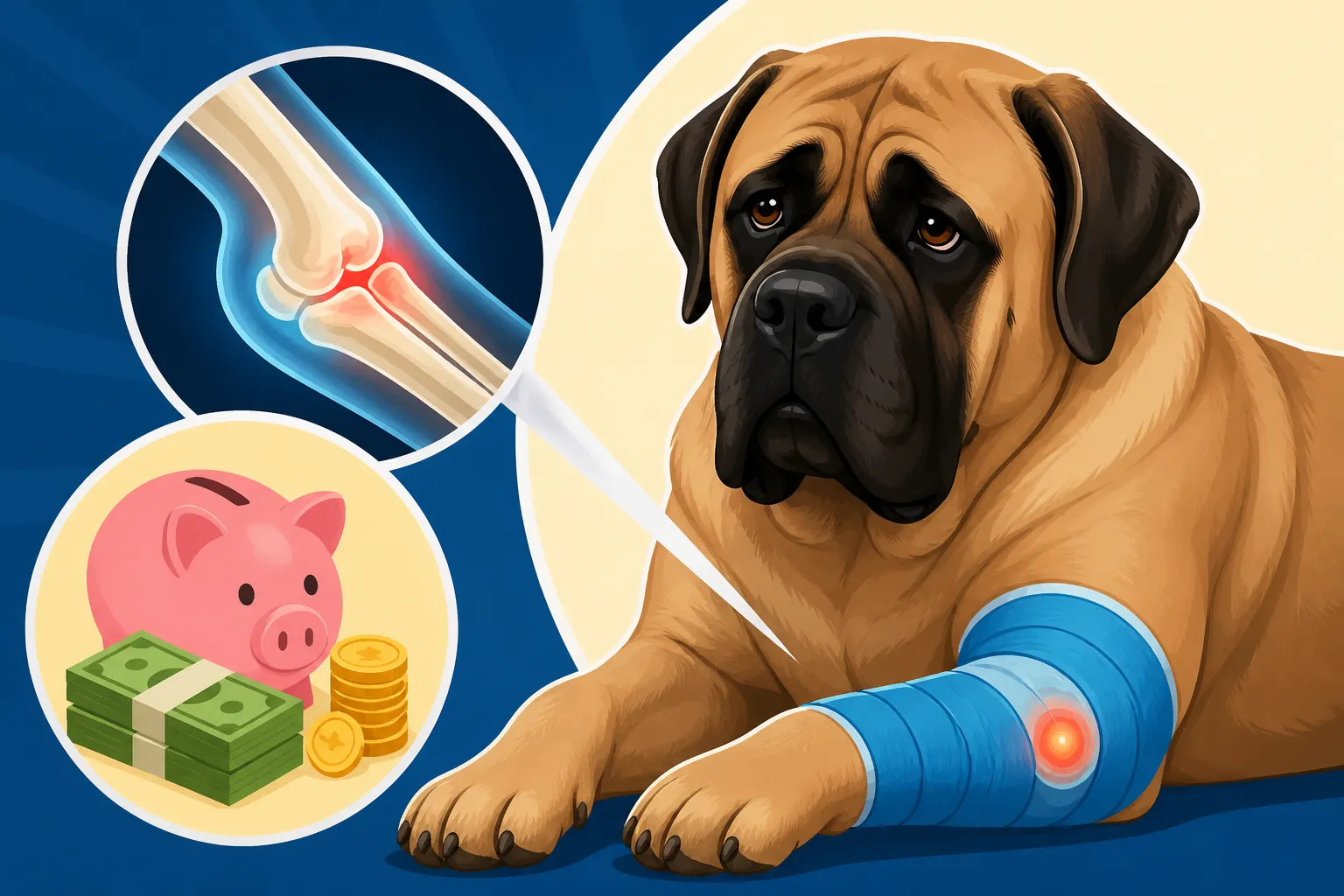
Elbow dysplasia is a complex, inherited condition that affects many large and giant breed dogs, and our Mastiffs are certainly no exception. It's a developmental disorder, meaning it stems from abnormal growth and formation of the elbow joint. This can manifest as several distinct issues, including fragmented medial coronoid process, ununited anconeal process, osteochondrosis dissecans (OCD) of the humeral condyle, and elbow incongruity. All of these lead to pain, lameness, and eventually, debilitating arthritis. It's a heartbreaking reality for many owners, especially when you know Elbow Dysplasia Affects One Mastiff in Seven.
The first step when you notice a problem is always a trip to your veterinarian. They’ll perform a thorough physical examination, checking for pain, swelling, and range of motion in the elbow. This initial consultation, while routine, is the gateway to understanding the problem. If elbow dysplasia is suspected, your vet will likely recommend diagnostic imaging. For a dog as large as a Mastiff, this isn't always a simple affair. X-rays are typically the first line of defense, but getting good diagnostic quality images on a two-hundred-pound dog often requires sedation, especially to position them correctly for multiple views. Sedation itself adds to the cost, as does the expertise required to interpret these specialized X-rays. In some cases, to get a truly clear picture of the joint's intricate structures, more advanced imaging like a CT scan or MRI might be recommended, which are significantly more expensive procedures, often requiring referral to a specialty veterinary hospital.
The Diagnostic Journey for a Mastiff's Elbow
Your journey often begins with your regular family vet, who might take preliminary X-rays. If these images are inconclusive, or if the vet suspects a particularly complex issue, they will likely suggest referral to a veterinary orthopedic specialist. This specialist might want to repeat X-rays with different positioning or recommend the aforementioned CT or MRI. These advanced imaging techniques provide three-dimensional views of the joint, which can pinpoint the exact nature and severity of the dysplasia, guiding the surgical plan. For a Mastiff, every step of this diagnostic journey, from the larger doses of sedation needed to the specialized equipment required to handle their weight, contributes to a higher overall cost compared to smaller breeds. Many owners are surprised to learn that a significant What a Mastiff's Weight Does to Every Line on the Vet Invoice.
The cost of diagnosis can vary widely based on your location and the specific imaging required. Basic X-rays under sedation are one thing, but a CT scan can easily run into a substantial four-figure sum. This initial investment, however, is crucial. Without a precise diagnosis, effective treatment, surgical or otherwise, is impossible. This is where you start to really see the bills add up, even before any incision is made.
The Components of Elbow Surgery Cost for a Mastiff
Once elbow dysplasia is diagnosed and surgery is deemed the best course of action, you're looking at a multi-faceted bill. It’s not just the surgeon's fee; there are many moving parts that contribute to the final cost. Each element is essential for a safe and successful outcome, especially for a giant breed like a Mastiff.
Pre-Surgical Preparations and Anesthesia
Before any surgery, especially for a major joint procedure on a large dog, extensive pre-surgical bloodwork is vital. This ensures your Mastiff's organs are functioning properly and can handle the anesthesia. This includes a complete blood count, biochemistry panel, and sometimes a clotting profile. For a Mastiff, the amount of anesthetic required is significant, making careful monitoring during the procedure absolutely paramount. Anesthesia in giant breeds carries its own set of risks, and a dedicated veterinary anesthetist is often part of the team at specialty hospitals, constantly monitoring vital signs, administering drugs, and adjusting dosages. Why Anesthesia Is Riskier in a Mastiff is a topic Mastiff owners often research. The cost reflects the skill of this team, the drugs used, and the extensive monitoring equipment.
Then there's pain management. A Mastiff post-surgery needs robust pain control, both during and after the procedure. This involves not only injectable medications during surgery but often a multi-modal approach that includes continuous pain infusions, nerve blocks, and oral medications to go home with. Ensuring your Mastiff is comfortable is not just humane, it's critical for their recovery, as excruciating pain can hinder movement and lead to complications.
The Surgical Procedure Itself
The core of the expense is the surgery. Elbow dysplasia surgery can involve various techniques depending on the specific lesion. This could range from arthroscopy, a minimally invasive procedure using a tiny camera and instruments, to open-joint surgery for more complex reconstructions. Arthroscopy, while less invasive, still requires specialized equipment and highly trained veterinary surgeons. Open surgery on a Mastiff's joint is a substantial undertaking, requiring significant surgical time and resources.
The surgeon's fee will encompass their expertise, the surgical team's time, and the use of the operating room and specialized instruments. Given the complexity of elbow dysplasia and the sheer size of a Mastiff, these procedures are almost always performed by board-certified veterinary orthopedic surgeons in specialty referral hospitals. Their years of advanced training and experience are invaluable, but they come at a premium. The type of repair, the need for implants (if any), and the duration of the surgery all factor into this cost. You're paying for precision, skill, and the best chance at mobility for your big dog.
Post-Operative Care and Rehabilitation
After surgery, your Mastiff will need careful post-operative care, which typically involves a stay at the veterinary hospital. This includes nursing care, continued pain management, wound checks, and potentially physical therapy to get them moving again. For a Mastiff, simply moving them from one place to another after surgery can be a challenge, requiring multiple staff members and specialized lifting equipment. The costs for an overnight stay or multiple days of hospitalization can accrue quickly, covering medications, fluids, monitoring, and staff time.
Once home, the journey continues with strict rest protocols, medication administration, and a long course of physical rehabilitation. This rehab is crucial for regaining strength, flexibility, and proper joint function. It can involve regular sessions with a certified canine rehabilitation therapist, which could include therapeutic exercises, hydrotherapy, laser therapy, and massage. These sessions are typically charged per visit and can continue for weeks or even months. Many owners find themselves looking at Whether a Mastiff Recovers From Elbow Surgery and realizing that recovery is a marathon, not a sprint, both for their dog and their wallet.
| Cost Component | Description | Typical Contribution to Overall Bill |
|---|---|---|
| Initial Consultation | Physical exam, lameness evaluation by your primary vet. | Relatively low, but essential first step. |
| Diagnostic Imaging | X-rays (often requiring sedation), possibly CT scan or MRI at a specialty clinic for detailed diagnosis. | Moderate to very high, depending on imaging type and whether sedation/anesthesia is needed. |
| Pre-Surgical Prep | Bloodwork (CBC, chemistry, clotting), ECG, anesthesia consultation. | Moderate, crucial for patient safety. |
| Anesthesia | Anesthesiologist's fee, anesthetic drugs, gases, and intensive monitoring throughout the procedure. Higher doses for Mastiffs. | High, due to duration, drugs, and specialized monitoring for giant breeds. |
| Surgical Fee | Surgeon's expertise, operating room use, surgical instruments, and team. Varies by complexity (arthroscopy vs. open surgery) and type of repair. | Very high, typically the largest single component. |
| Hospitalization | Post-operative nursing care, pain management, fluids, wound care, monitoring, overnight stays. | Moderate to high, depending on length of stay. |
| Take-Home Meds | Pain medications, anti-inflammatories, antibiotics. | Low to moderate, but essential. |
| Physical Therapy/Rehab | Multiple sessions with a certified canine rehab specialist (hydrotherapy, laser, exercises) for weeks to months post-surgery. | High, as it's an ongoing commitment over an extended period. |
| Follow-up Exams | Post-operative checks, suture removal, recheck X-rays to monitor healing. | Moderate, spread out over the recovery period. |
| Long-Term Joint Support | Joint supplements, specialized diet, orthopedic bedding. | Ongoing, adds up over time, important for preventing Arthritis in a Mastiff at Four. Can be found on sites like Chewy. |
Factors Influencing the Final Bill
The total cost of elbow surgery for your Mastiff isn't a fixed number; it's a dynamic figure influenced by several key variables. Understanding these can help you better anticipate the financial impact.
Geographic Location and Veterinary Practice Type
Just like human healthcare, veterinary costs fluctuate significantly based on where you live. A specialty hospital in a major metropolitan area like Los Angeles or New York City will likely have higher overheads and therefore charge more than a similar facility in a smaller town or rural setting. The cost of living, property values, and demand for specialized veterinary services all play a role. Referral hospitals, with their advanced equipment, extensive staff, and board-certified specialists, will always be more expensive than your local general practice. However, for complex surgeries on a Mastiff, a specialist is almost always recommended for the best outcome.
The type of veterinary practice also matters. A university veterinary teaching hospital, while often on the higher end of the cost spectrum, can offer cutting-edge treatments, resident specialists, and a collaborative approach that can be invaluable for challenging cases. They might also have research trials that could offer alternative solutions or cost savings, though these are not guaranteed.
Severity of the Condition and Surgical Complexity
The specific type and severity of your Mastiff's elbow dysplasia will heavily dictate the surgical approach and, by extension, the cost. A simple fragmentation addressed arthroscopically might be less expensive than a severe case requiring open surgery with bone grafts or internal fixation, or a situation where multiple components of the elbow are affected. Some cases might even require more than one surgery or staged procedures. The longer the surgery, the more complex the techniques, and the more specialized the tools or implants needed, the higher the cost will be.
Moreover, if there are existing complications, such as significant arthritis already present in the joint, the surgical plan might need to address these as well, potentially adding to the time and complexity of the procedure. How a Mastiff's First Year Compares With Its Last often highlights how initial health investments can sometimes prevent later, more costly interventions.
Potential Complications and Extended Recovery
While every effort is made for a smooth surgery and recovery, complications can arise, especially with giant breeds. Infections, anesthetic reactions, poor healing, or a slower-than-expected recovery can all necessitate extended hospitalization, additional medications, or even revision surgeries. Each of these unplanned events adds significantly to the overall bill. For a Mastiff, these complications can be particularly challenging to manage due to their size and weight. A setback in recovery means more time off work for you, more trips to the vet, and potentially more specialized care.
It's also worth noting that post-operative care for a Mastiff means careful management at home. This might include buying specific ramps to avoid stairs, finding orthopedic beds large enough to support their massive frame, or even investing in traction solutions for slippery floors to prevent re-injury during recovery. All of these 'hidden' costs contribute to the real-world financial burden of caring for a Mastiff undergoing elbow surgery. You might find yourself needing What an Orthopedic Bed for a Mastiff Costs or considering temporary floor coverings.
Managing the Financial Burden of Mastiff Elbow Surgery
Let's be realistic: facing elbow surgery for your Mastiff is not only emotionally taxing but can also be a significant financial strain. Thankfully, there are several avenues to explore to help manage these substantial costs.
Pet Insurance: A Lifeline for Major Surgeries
This is perhaps the single most impactful way to mitigate the financial shock of a major surgery like elbow dysplasia. Pet insurance can cover a substantial portion of veterinary bills, including diagnostics, surgery, hospitalization, and rehabilitation, depending on your plan. It’s important to understand the terms of your policy: deductibles, reimbursement percentages, and annual limits. For conditions like elbow dysplasia, which can be hereditary, some policies might have specific waiting periods or clauses regarding pre-existing conditions, so it's always best to get coverage early in your Mastiff's life, ideally when they are a puppy.
Companies like Healthy Paws are well-known for their comprehensive coverage, which often includes accidents, illnesses, and even hereditary conditions (if the policy is in place before symptoms appear). Comparing different providers and their coverage for chronic or genetic conditions is crucial. While insurance is an added monthly expense, it can be an absolute lifesaver when a bill runs into the thousands. Consider What Insuring a Mastiff for Its Six to Ten Years Costs in total, and how it can spread risk.
Payment Plans and Financial Assistance
If you don't have pet insurance or if your policy doesn't cover enough, many veterinary specialty hospitals offer payment plans directly or through third-party medical credit services. These allow you to break down a large bill into more manageable monthly installments. It's always worth discussing these options with the hospital's financial coordinator. They often have resources or suggestions to help families navigate these challenging situations.
Additionally, there are various non-profit organizations and charities that provide financial assistance for pet owners facing expensive veterinary treatments. These are often breed-specific or condition-specific, so research local and national organizations that might offer grants or subsidies for Mastiffs with orthopedic issues. While these funds are not always readily available or guaranteed, they can provide a much-needed lifeline in desperate times. Don't be afraid to ask your vet if they know of any such programs.
Preventative Care and Long-Term Joint Support
While prevention isn't always possible for inherited conditions like elbow dysplasia, good long-term care can support joint health and potentially slow the progression of arthritis or minimize its severity. This includes feeding a high-quality, large-breed appropriate diet to ensure slow, steady growth for puppies – Why a Mastiff Puppy Must Grow Slowly is vital knowledge for any owner. Maintaining a lean body condition throughout your Mastiff's life is paramount, as excess weight puts immense strain on already compromised joints.
Supplementation with joint-supporting nutrients like glucosamine, chondroitin, and Omega-3 fatty acids can also be beneficial, starting early on. Brands available on sites like Chewy often offer a wide range of Joint Supplements for a Mastiff. Regular, moderate exercise, avoiding high-impact activities, and providing adequate soft bedding at home (like an orthopedic bed from Chewy) are also crucial. For dogs recovering from surgery, maintaining a healthy weight and continuing physical therapy exercises at home, possibly guided by products from Chewy, will be essential for their long-term comfort and mobility. Even consider the specialized diets offered by brands like Ollie, which some owners choose for overall health and joint support, though always consult your vet before making dietary changes for a medical condition.
Disclaimer
This article is for general informational purposes only and does not constitute professional advice. Laws, prices and regulations vary by location and change over time. Consult a qualified professional for guidance on your specific situation.