Whether Degenerative Myelopathy Is Painful for a Mastiff
It’s a heartbreaking sight to watch your magnificent Mastiff, once a picture of strength and steady movement, begin to falter. When their hind legs start to wobble, when they stumble more often, or struggle to push themselves up, the mind immediately jumps to painful conditions like arthritis. Owners often worry incessantly, asking if their beloved giant is suffering in silence. This guide aims to clear up a lot of the confusion surrounding Degenerative Myelopathy (DM) in Mastiffs, focusing specifically on whether this challenging neurological condition causes pain and how we can best support our dogs through it.
Understanding Degenerative Myelopathy in Mastiffs
When a Mastiff starts to show signs of hind leg weakness, it’s natural for our minds to race through every possibility, from simple sprains to severe arthritis. However, for some Mastiffs, the culprit might be a condition known as Degenerative Myelopathy, a neurological challenge that often gets misunderstood.
What Exactly is Degenerative Myelopathy?
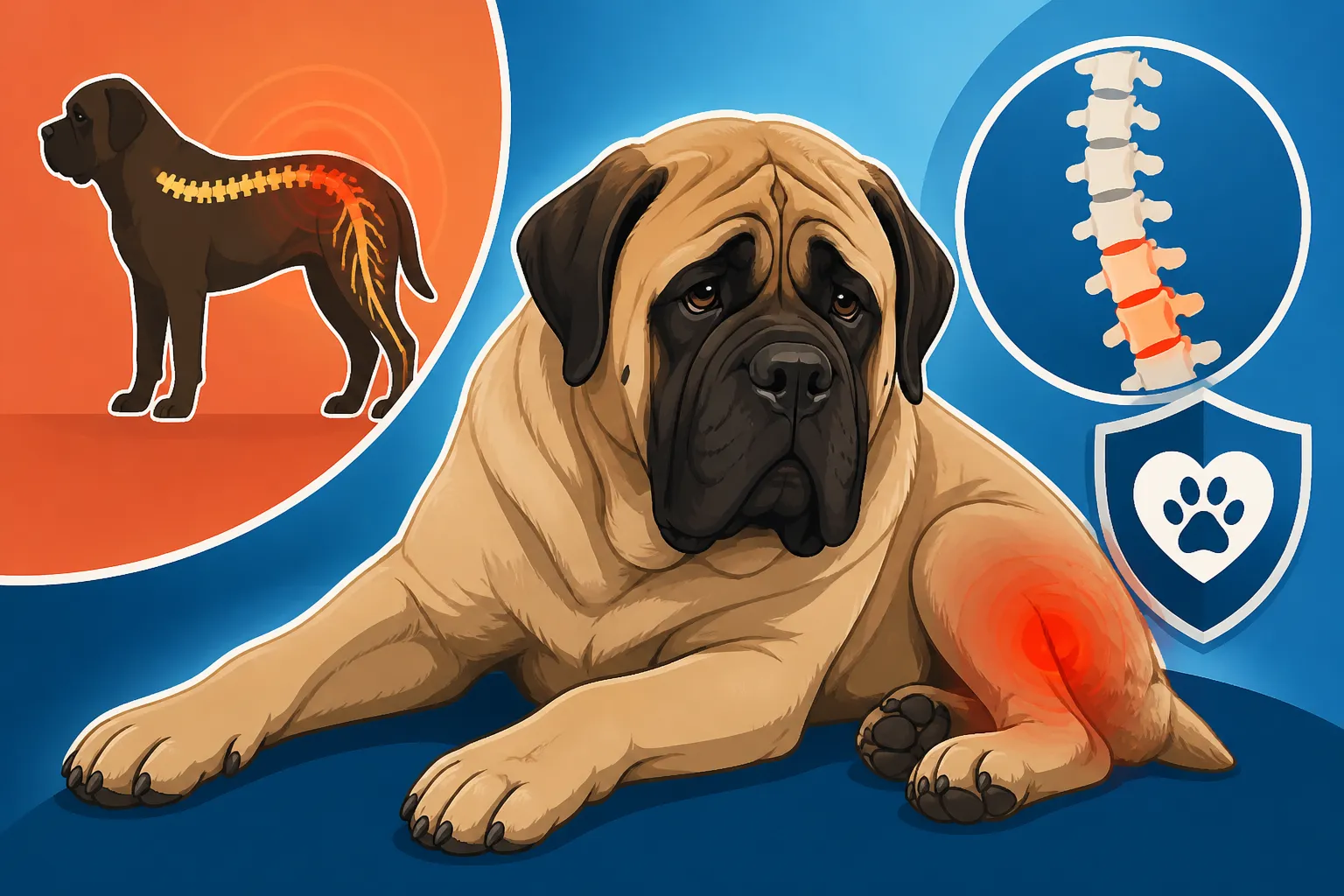
Degenerative Myelopathy, or DM, is a progressive disease of the spinal cord in dogs. Think of it as similar to Amyotrophic Lateral Sclerosis (ALS) in humans. It primarily affects the white matter of the spinal cord, which is responsible for transmitting commands from the brain to the limbs and sensory information back to the brain. Over time, the nerve fibers in this region break down, disrupting these vital communication pathways. This means the brain struggles to tell the hind legs what to do, and the legs struggle to send messages back.
What makes DM particularly insidious is its relentless progression. It's not an acute injury that suddenly appears; rather, it’s a slow, insidious decline. The disease typically starts in the hind limbs, causing weakness and incoordination, and eventually progresses to paralysis. In later stages, it can also affect the front limbs, and tragically, even muscles involved in swallowing and breathing. This breakdown of communication is the key component, and it's important to understand that this process, in itself, does not typically generate pain signals. For a more in-depth look at this condition, you might find our article on What Degenerative Myelopathy Does to a Mastiff insightful.
Early Signs and Progression in a Mastiff
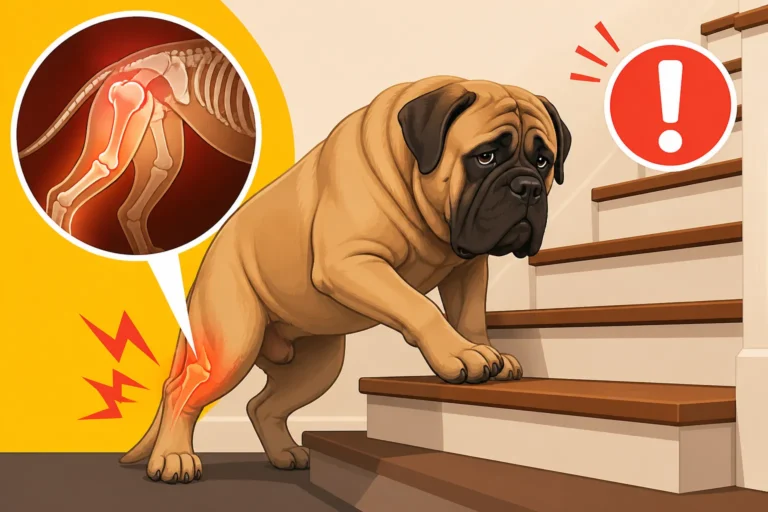
Identifying DM in its early stages can be incredibly challenging, especially in a breed as stoic and large as a Mastiff, where subtle changes can be attributed to their sheer size or simply "getting older." Often, the first signs are incredibly subtle, perhaps a slight dragging of a back paw, known as knuckling, or an occasional stumble. You might notice your Mastiff's nails on their hind feet wearing down unevenly because they’re not lifting their feet completely. They might struggle a little more when getting up from a lying position, or their gait might seem a bit wobbly, almost as if they're a little drunk.
A hallmark of DM is that it typically progresses slowly over several months, or even a couple of years. The initial weakness is often asymmetrical, meaning one leg might be weaker than the other at first, before both hind limbs become affected. This can sometimes lead to misdiagnosis as arthritis, as the initial symptoms can overlap. As the disease advances, the weakness becomes more pronounced, leading to difficulty standing, walking, and eventually, the inability to use their hind legs altogether. The age of onset usually ranges from 8 to 10 years, though some Mastiffs may show signs earlier. It’s a truly difficult journey to witness, as these gentle giants lose their mobility while often remaining completely alert and engaged mentally. The article The Age Degenerative Myelopathy Starts in a Mastiff explores this timeline further.
Is Degenerative Myelopathy Itself Painful?
This is perhaps the most crucial question for Mastiff owners when faced with a DM diagnosis. The thought of our enormous, beloved companions enduring chronic pain is agonizing. Thankfully, the answer regarding the disease itself provides some relief, though the secondary effects can indeed cause discomfort.
The Core Nature of DM: A Lack of Pain Sensation
Let's cut right to the chase: Degenerative Myelopathy, at its neurological core, is generally not considered a painful condition. The disease primarily affects the motor neurons and proprioceptive pathways in the spinal cord. Proprioception is a dog's sense of where their body parts are in space – essentially, their internal map of their own limbs. When these pathways degenerate, the dog loses this crucial awareness and the ability to control their movements smoothly. They become weak, uncoordinated, and eventually paralyzed, but they typically don't feel pain directly from the neurological damage itself.
This lack of primary pain sensation from DM is a critical distinction that often brings solace to worried owners. It means that while your Mastiff might be struggling immensely with movement and balance, the disease process itself isn't sending pain signals to their brain. Their struggle is one of physical inability and frustration, rather than excruciating pain, which can be a huge mental relief for those caring for them. Our related article, How a Mastiff's Hind End Fails With DM, delves deeper into the specific physical changes your dog will experience.
Secondary Pains and Complications
While DM itself isn't painful, the consequences of severe mobility loss can absolutely lead to significant discomfort and pain. It's these secondary issues that become our primary focus in terms of pain management. Imagine a Mastiff, weighing well over a hundred pounds, trying to stand or walk with compromised hind limbs.
Here are some common secondary sources of pain and discomfort:
- Muscle Strains and Sprains: The constant effort to compensate for weak hind limbs puts immense strain on other muscle groups, particularly in the front legs, shoulders, and lower back. This can lead to muscle soreness, strains, and even injuries as they try to push themselves up or maintain balance.
- Joint Pain: Existing arthritis can flare up due to altered gait and increased pressure on joints. New arthritic changes can also develop in joints that are taking on an undue load, like the front elbows and shoulders. The hips and stifles (knees) might also experience pain from instability.
- Pressure Sores (Decubital Ulcers): As a Mastiff becomes less mobile and spends more time lying down, especially on hard surfaces, their sheer weight can cause pressure sores. These usually develop over bony prominences like hips, elbows, and hocks. These sores can be incredibly painful, get infected, and are a serious concern requiring diligent care.
- Paw Abrasions: Dogs with DM often knuckle over or drag their back paws, leading to scrapes, cuts, and severe abrasions on the tops of their feet and toes. These can become infected and are quite painful.
- Urinary Tract Infections (UTIs) and Fecal Incontinence: In advanced stages, DM can affect bladder and bowel control. Incontinence increases the risk of UTIs, which are uncomfortable and sometimes painful. Soiling themselves can also lead to skin irritation and infections, causing further distress.
- Anxiety and Frustration: While not physical pain, the mental and emotional toll on a Mastiff who can no longer move freely can be immense. They may become frustrated, anxious, or even depressed, which can manifest as vocalizations or behavioral changes that might be interpreted as pain.
Therefore, while the primary disease doesn't hurt, vigilant monitoring and proactive management of these secondary complications are absolutely essential to ensure your Mastiff's comfort and quality of life.
Managing Comfort and Quality of Life for a Mastiff with DM
Living with a Mastiff affected by Degenerative Myelopathy requires immense dedication and a proactive approach to their care. Our goal is to minimize secondary pains and maximize their remaining quality of life, focusing on comfort, mobility, and emotional well-being.
Supportive Care and Environmental Modifications
Making your home a safe and accessible haven for your Mastiff is paramount. Their sheer size means even small changes can make a huge difference, and some modifications become absolutely critical as their mobility declines.
Firstly, traction is everything. A Mastiff struggling with weak hind legs on slippery hardwood or tile floors is a recipe for disaster. They will splay, fall, and potentially injure themselves. Lay down runners, yoga mats, or carpet remnants throughout your house, especially in areas where your Mastiff walks or rests. Our article, Traction: Why a Mastiff Cannot Live on Bare Hardwood, offers more detailed advice on this crucial topic. Secondly, proper bedding is non-negotiable. Your Mastiff will be spending a significant amount of time lying down, and their heavy bodies are prone to developing painful pressure sores if not adequately supported. Invest in thick, orthopedic memory foam beds. These should be placed in multiple locations around the house, encouraging them to rest comfortably and preventing them from having to move far to find a soft spot. How Thick a Bed a Mastiff Needs gives specifics on selecting the right kind of bed.
As their mobility decreases, you'll need mobility aids. A rear-support harness, like the Help 'Em Up harness or Ruffwear Web Master harness, can be a godsend. These allow you to safely support their hind end when they need to stand, walk a few steps, or go outside to potty, preventing falls and easing strain on both you and your dog. For getting in and out of vehicles, or even navigating a few steps, a sturdy ramp designed for large dogs is essential. Trying to lift a two-hundred-pound Mastiff is a recipe for back injury for you, and potentially dangerous for them if you slip. Teaching a Mastiff to Use a Ramp provides practical advice on training your Mastiff to use one. Regular turning and repositioning when they are recumbent for long periods is also vital to prevent pressure sores. Finally, maintaining impeccable hygiene is crucial; accidents happen, and keeping them clean and dry prevents skin irritation and infections.
Veterinary Interventions and Pain Management
While there's no cure for DM, and thus no medication to stop its progression or address its primary neurological damage, veterinary intervention is absolutely vital for managing the secondary complications that do cause pain. Your veterinarian will be your most important partner in this journey.
Pain medication will be prescribed, not for the DM itself, but to alleviate the pain from those secondary issues we discussed – muscle strains, arthritis flare-ups, or pressure sores. Non-Steroidal Anti-Inflammatory Drugs (NSAIDs) might be used for joint pain, and other medications could target muscle soreness or nerve pain stemming from compensatory issues. Additionally, your vet will help you manage any urinary tract infections or skin infections that arise due to incontinence or reduced mobility.
Supplements can play a supportive role. Joint supplements containing ingredients like glucosamine, chondroitin, and MSM can help support joint health and comfort, which is crucial when other joints are working harder to compensate. Fish oil, rich in Omega-3 fatty acids, can also provide anti-inflammatory benefits. Our article on Joint Supplements for a Mastiff delves into good options for giant breeds. Physical therapy can also be incredibly beneficial. Gentle range-of-motion exercises, massage, and controlled movement can help maintain muscle mass, prevent stiffness, and improve circulation. If accessible, hydrotherapy (under strict supervision) can allow your Mastiff to exercise with less weight bearing, preserving muscle and mobility for longer. More information can be found in Whether Physical Therapy Slows a Mastiff's DM.
As the disease progresses, mobility carts or wheelchairs can offer an incredible boost to your Mastiff's independence and quality of life. While the sheer size of a Mastiff makes fitting and maneuvering a cart a unique challenge, custom-built carts are available and can allow them to remain active and enjoy walks for much longer. Whether a Mastiff With DM Can Be Fitted With a Cart gives a realistic look at this option. Throughout this process, regular vet check-ups are essential to monitor for new secondary issues and adjust their care plan. The cumulative cost of diagnostics, medications, and supportive care for a giant breed like a Mastiff can be substantial, which is why many owners consider pet insurance. Providers like Healthy Paws can offer crucial financial support, helping you cover the myriad expenses associated with managing a chronic condition like DM.
Emotional Support for Both Dog and Owner
Caring for a Mastiff with Degenerative Myelopathy is not just physically demanding; it's an immense emotional journey for both you and your dog. Our Mastiffs are incredibly sensitive creatures, and they pick up on our emotions. Witnessing their physical decline while their minds remain bright and aware is heartbreaking.
For your Mastiff, maintaining a sense of routine and normalcy is vital. Keep their days as predictable as possible. Continue with gentle interactions, cuddle time, and mental stimulation through puzzle toys or soft chew toys, especially if physical exercise is limited. Their inability to move as they once did can lead to frustration, and your calm, reassuring presence is their anchor. Remember, Mastiffs thrive on connection, and even if they can no longer romp, they still need to feel loved and included. Our article, The Sensitivity Nobody Expects in a Two Hundred Pound Mastiff, highlights just how attuned these gentle giants are to their environment and human companions.
For you, the owner, it's critical to acknowledge the emotional toll. There will be days of exhaustion, frustration, and profound sadness. Seek support from online communities of DM owners, your veterinarian, or even friends and family who understand the bond you share with your Mastiff. The decision of when to say goodbye is one of the hardest any pet owner faces. As DM progresses, it can affect breathing and swallowing, eventually diminishing quality of life beyond what supportive care can address. Your veterinarian can help you assess your Mastiff’s quality of life and guide you through this impossible decision, offering comfort and reassurance that you are acting out of love.
The Role of Genetics and Testing
Understanding the genetic component of Degenerative Myelopathy is crucial for both current Mastiff owners and prospective puppy buyers. While genetic testing isn't a diagnostic tool for the disease itself, it can identify a Mastiff's predisposition and help make informed decisions.
The SOD1 Gene and Risk Assessment
Degenerative Myelopathy is strongly associated with a specific mutation in the SOD1 gene. This gene is involved in producing an enzyme that protects cells from damage, and when mutated, it's thought to contribute to the degeneration of nerve fibers in the spinal cord. The inheritance pattern for DM is considered recessive, meaning a dog typically needs two copies of the mutated gene to be "at-risk" of developing the disease.
Genetic tests for the SOD1 mutation will classify a Mastiff into one of three categories:
- Clear (N/N): The dog has two normal copies of the gene and is highly unlikely to develop DM.
- Carrier (A/N): The dog has one normal copy and one mutated copy of the gene. Carriers are generally not expected to develop DM themselves, but they can pass the mutated gene on to their offspring.
- At-Risk (A/A): The dog has two copies of the mutated gene. This means the dog has a significantly increased risk of developing DM during its lifetime. However, and this is a critical point, being "at-risk" does not guarantee that the dog will develop the disease. There are factors of "incomplete penetrance" and environmental influences that we don't fully understand yet, meaning some "at-risk" dogs never show symptoms. This can be a source of confusion and hope for owners. You can learn more about this in Whether an At Risk Mastiff Always Develops DM.
Understanding your Mastiff's genetic status can empower you with knowledge. While an "at-risk" result doesn't change the immediate management of a symptomatic dog, it helps explain why symptoms might be appearing. Whether a DNA Test Predicts Mastiff DM offers a deeper dive into the science behind this testing.
Why Genetic Testing Matters for Mastiff Owners
For breeders, genetic testing for DM is an ethical responsibility. By testing breeding stock and making informed choices, breeders can work to reduce the prevalence of the SOD1 mutation in future generations, helping to safeguard the breed's health. Avoiding breeding two carriers together, for example, prevents the possibility of producing "at-risk" puppies. Our article, Which DNA Tests a Mastiff Breeder Should Add, outlines important considerations for responsible Mastiff breeding.
For owners of pet Mastiffs, knowing their dog's DM status, especially if they are "at-risk," allows for proactive preparation and monitoring. If you know your Mastiff carries two copies of the SOD1 gene, you can be more vigilant for early signs of weakness or incoordination as they age. This awareness means you can discuss potential DM with your veterinarian sooner, allowing for earlier implementation of supportive care and environmental modifications that can maximize comfort for longer. It also means you might approach initial symptoms with less fear of chronic pain, focusing instead on managing the mechanical difficulties. When considering the costs associated with diagnosing and managing chronic conditions like DM, having a pet insurance plan from a provider like Healthy Paws can be an invaluable asset, covering everything from initial vet visits for suspicious symptoms to ongoing physical therapy and medications for secondary issues. While genetic tests themselves are usually not covered, the subsequent care certainly is.
| Feature | Degenerative Myelopathy (DM) Symptoms | Secondary Painful Complications |
|---|---|---|
| Nature of Problem | Neurological degeneration | Physical injuries, inflammation, or infections resulting from mobility loss |
| Primary Sensation | No direct pain, loss of proprioception | Actual physical pain, tenderness, soreness, burning, itching |
| Common Signs | Hind limb weakness, knuckling, ataxia | Lameness, favoring limbs, limping, vocalizing upon touch, reluctance to move, licking sore areas |
| Origin | Spinal cord nerve damage | Muscles, joints, skin (pressure sores), urinary tract |
| Medication Focus | No specific DM treatment | NSAIDs, pain relievers, antibiotics, anti-inflammatories, topical treatments |
| Owner Concern | Loss of mobility, frustration | Physical suffering, discomfort |
In Conclusion
The journey of watching a beloved Mastiff grapple with Degenerative Myelopathy is undoubtedly challenging, but understanding the nuances of the disease can bring a measure of comfort to worried owners. While the physical decline is heartbreaking to witness, the crucial takeaway is that Degenerative Myelopathy itself is not a painful condition. Your Mastiff's struggles are primarily due to a loss of coordination and strength, not from constant, agonizing pain signals emanating from their spinal cord.
However, we must remain vigilant for the very real and painful secondary complications that can arise from reduced mobility and the strenuous effort of compensating for weak limbs. Muscle strains, arthritis flare-ups, painful pressure sores, and paw abrasions are all potential sources of discomfort that demand our attention and proactive management. By providing a supportive home environment, utilizing mobility aids, working closely with your veterinarian for appropriate pain management of these secondary issues, and exploring physical therapy, you can significantly enhance your Mastiff's comfort and preserve their quality of life for as long as possible.
Remember, your Mastiff depends on you to be their advocate. They may not be able to tell you where it hurts, but with careful observation and dedicated care, you can ensure their golden years, even with DM, are filled with as much joy and comfort as possible.
Disclaimer
The information provided in this article is for general informational purposes only and is not a substitute for professional veterinary advice. Always consult with a qualified veterinarian for any health concerns or before making any decisions related to your Mastiff's care, diet, or medical treatment.