The Age Degenerative Myelopathy Starts in a Mastiff
One of the hardest things about owning a Mastiff is facing the unique health challenges that come with such a magnificent, giant breed. When your gentle giant starts to show signs of weakness in their hind legs, it’s all too easy to dismiss it as simple aging or arthritis, especially since they don't get as many years as smaller dogs. But for many Mastiff families, this can be the agonizing first whisper of Degenerative Myelopathy (DM), a cruel, progressive neurological disease that often presents in a confusingly similar manner to other common senior ailments. This guide will walk you through understanding DM, identifying when it typically begins, and navigating the difficult journey of supporting your beloved Mastiff.
Understanding Degenerative Myelopathy in Mastiffs
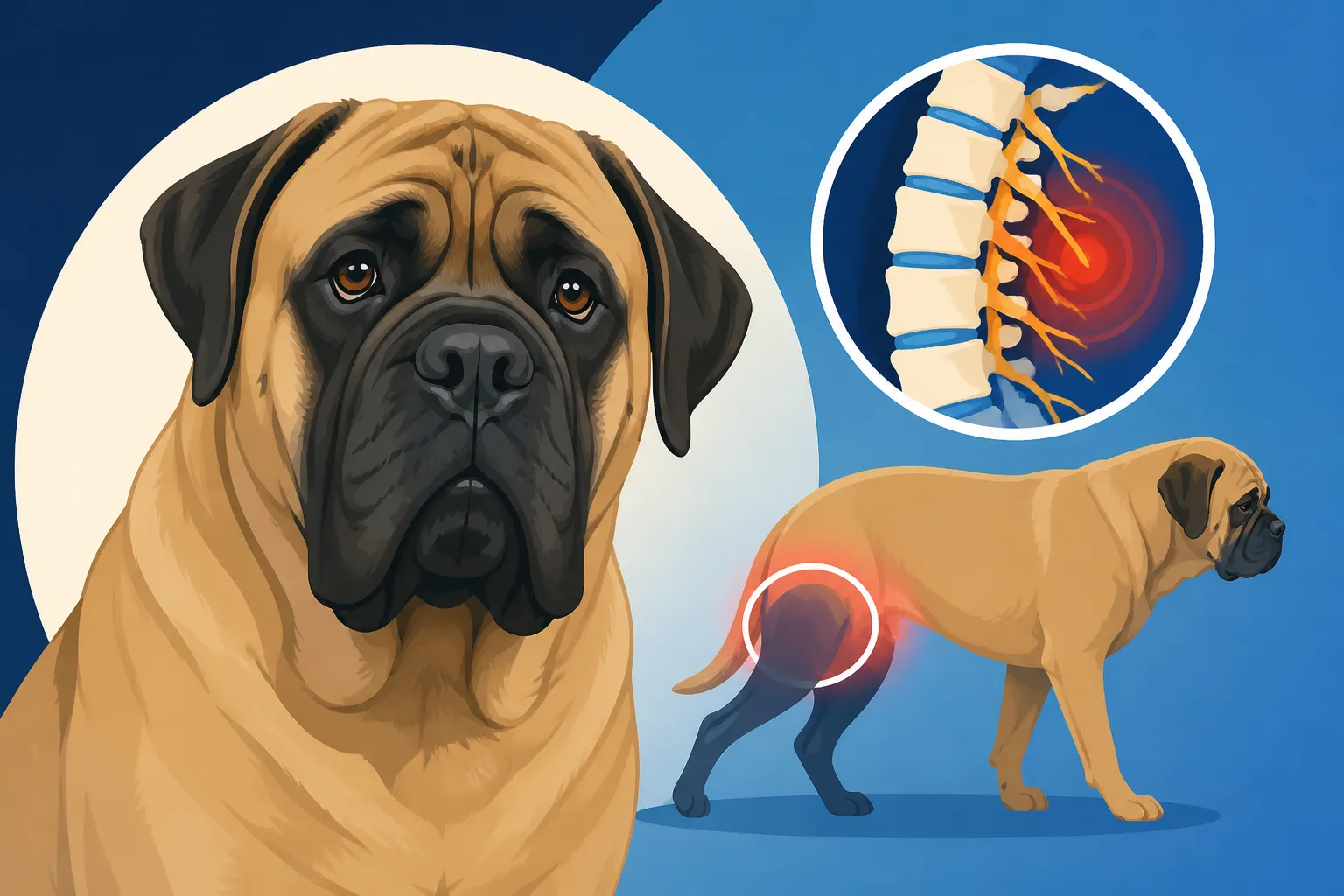
Degenerative Myelopathy is a heartbreaking condition that impacts the spinal cord, slowly robbing a dog of its ability to walk. It's not something that happens overnight, and for Mastiff owners, the sheer size and stoicism of their dogs can sometimes mask the early signs, making diagnosis even more challenging. It's a disease that attacks the nerve fibers in the spinal cord, leading to a progressive loss of coordination and strength, primarily in the hind limbs.
What DM Actually Is and Isn't
At its core, Degenerative Myelopathy is a neurological disease, specifically affecting the white matter of the spinal cord. Think of it like a short circuit: the signals from the brain to the limbs become scrambled or don't get through effectively. This leads to a gradual, non-painful weakness and loss of coordination, most notably in the back legs. It’s crucial to understand that DM is not a painful condition itself, which can be both a blessing and a curse. It spares your Mastiff from chronic pain, but it doesn't offer the clear "ouch" factor that might prompt an earlier veterinary visit if you suspect a different issue.
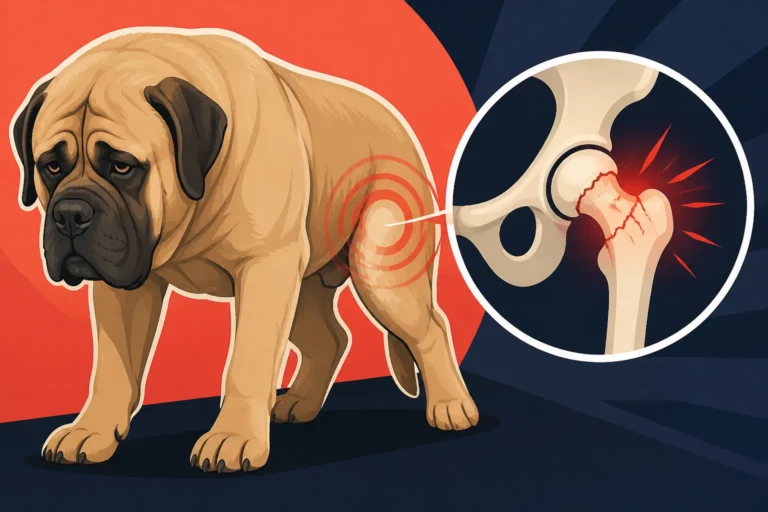
Many people confuse DM with hip dysplasia or arthritis, and it's an understandable mistake, particularly in a breed prone to joint issues. While a Mastiff with DM might drag its feet or struggle to stand, much like a dog with severe arthritis, the underlying cause is vastly different. Arthritis affects the joints themselves, causing pain and stiffness, whereas DM affects the communication to the limbs. In a condition like What Degenerative Myelopathy Does to a Mastiff, the spinal cord itself is degenerating, not the bones or cartilage. This distinction is vital for proper diagnosis and management, as treatments for arthritis won't help DM, and vice versa.
The Genetic Link: Why Mastiffs Are at Risk
The devastating reality of DM is that it has a strong genetic component, specifically linked to a mutation in the SOD1 gene. This is not exclusive to Mastiffs, as many large breeds, like German Shepherds and Boxers, are also predisposed. For our gentle giants, understanding this genetic susceptibility is paramount. A Mastiff needs to inherit two copies of the mutated gene (one from each parent) to be at risk of developing DM. This means that a dog can be a carrier (having one copy) and never show symptoms, but could still pass the gene on to its offspring.
Reputable Mastiff breeders are keenly aware of this genetic predisposition and utilize DNA testing to screen their breeding stock. Knowing the genetic status of your Mastiff's parents can provide some insight into their potential risk. However, it's also important to remember that not every Mastiff with two copies of the gene will develop the disease. There are still many unknowns surrounding the exact triggers and penetrance of DM, making it a frustrating puzzle for both owners and veterinarians. But the genetic link is undeniable, and it's a critical piece of the puzzle in managing and, hopefully one day, eradicating this disease from the breed.
Typical Onset Age: When Symptoms Begin to Show
The question that weighs heavily on every Mastiff owner's mind, especially if they know their dog carries the genetic markers, is "When will it start?" There's no single, universally definitive answer to the age when Degenerative Myelopathy begins in a Mastiff, which adds to the anxiety. However, based on extensive research and veterinary observations, we can identify a general window.
The Frustrating Variability of DM Onset
Typically, Degenerative Myelopathy in Mastiffs, much like in other predisposed breeds, tends to manifest in middle to later life. This usually means around 8 to 14 years of age. However, "typically" is the keyword here, and it’s where the frustration for owners often begins. Some Mastiffs might show subtle signs as early as six years old, while others might not exhibit any symptoms until they are well into their senior years, perhaps 10 or 11. This wide range makes it incredibly challenging to predict exactly when your individual Mastiff might begin to struggle.
The insidious nature of DM means that the initial symptoms can be so mild that they are easily overlooked or attributed to other causes. You might notice a slight scuffing of their back paws, a wobble in their gait, or a bit of difficulty getting up after resting. In a two-hundred-pound Mastiff, these subtle changes can be especially hard to spot until they become more pronounced. Owners often think, "Oh, he's just getting old," or "Maybe his The Age a Mastiff Is Certified by OFA hips are finally bothering him." This variability is why owners often feel blindsided when a DM diagnosis eventually comes, as the early, almost imperceptible shifts were happening long before they fully registered as a problem.
Early Signs Versus Normal Aging in a Mastiff
Distinguishing the subtle onset of DM from the natural progression of aging or common orthopedic issues like arthritis is incredibly difficult, and it's where many Mastiff owners struggle. After all, a Mastiff is considered Why a Mastiff Is Old at Five, and by the time they are 8 or 9, some degree of stiffness or slower movement is almost expected. However, there are some key differences that keen observers might pick up on.
With DM, the primary issue is often a lack of coordination (ataxia) rather than outright pain or stiffness. Your Mastiff might cross their back legs when walking, knuckle over on their paws, or drag their hind feet, sometimes wearing down the nails unevenly. They might struggle with stairs or ramps, not because of pain, but because their brain isn't sending clear signals to their legs. They may appear to have good days and bad days, which further complicates the picture. This can easily be mistaken for conditions like arthritis or even a minor injury. For example, Whether DM Is Mistaken for Arthritis in a Mastiff is a very common scenario, as both can cause hind leg weakness. However, a dog with arthritis will often show signs of pain when a joint is manipulated, whereas a Mastiff with DM typically won't. If you notice any of these signs, especially if they seem to worsen progressively over weeks or months, it's crucial to consult your veterinarian and discuss the possibility of DM, pushing for a thorough neurological examination.
Progression of DM and How It Affects Your Mastiff's Life
Once Degenerative Myelopathy truly takes hold, its progression is unfortunately relentless. It’s a road that requires immense patience, dedication, and adaptation from Mastiff owners, as the disease slowly diminishes their beloved companion's mobility. Understanding this trajectory can help you prepare for the changes and make informed decisions about care.
The Stages of Hind End Weakness
The journey of DM often begins subtly, as we've discussed, but it progresses through distinct stages, each presenting new challenges. In the early stages, you might notice that slight lack of coordination – a mild wobble, dragging of the back paws, or an occasional stumble. Your Mastiff might still be able to walk, run, and even play, albeit with less grace. This is the stage where misdiagnosis is most common, as the symptoms are often attributed to age or general joint discomfort.
As the disease advances, typically over 6-12 months, the weakness becomes more pronounced. Your Mastiff will start to lose significant strength in their hind limbs, making it difficult to stand up from a lying position, navigate stairs, or maintain balance. They might begin to collapse more frequently, particularly when turning or trying to gain traction on slippery surfaces. You'll likely see How a Mastiff's Hind End Fails With DM, where the muscles visibly atrophy, and their stance becomes wider to compensate for instability. Eventually, they will lose the ability to walk unassisted, moving to a stage where they need full support, or even a cart, to get around. This progression is heartbreaking to watch, especially in a breed known for its power and presence.
Impact on Mobility and Quality of Life
The impact of DM on a Mastiff's mobility and overall quality of life is profound. As they lose the ability to use their hind legs, activities they once enjoyed become impossible. Simple acts like getting up to greet you, going outside to relieve themselves, or even shifting position comfortably become monumental tasks. This can lead to secondary issues such as incontinence, pressure sores from prolonged lying, and muscle atrophy in the front legs as they try to compensate.
Beyond the physical limitations, there's an emotional toll. While DM isn't painful, the frustration of being unable to move freely can affect a Mastiff's demeanor. They might become more withdrawn or, conversely, more clingy. Their world shrinks, often confined to the areas of the house they can navigate, and their independence diminishes. Owners grapple with balancing their dog's dignity with providing the necessary support. It’s a constant evaluation of their comfort, happiness, and whether their quality of life, despite the physical challenges, remains acceptable. This often forces difficult conversations about what is fair for our beloved companions as their disease progresses.
Diagnosis and Management Strategies
Receiving a potential DM diagnosis for your Mastiff can be overwhelming, filled with uncertainty and a desire to do everything possible. The path to a definitive diagnosis can be frustrating, but understanding the options for management can bring some peace and practical steps forward.
The Challenging Road to a Definitive DM Diagnosis
Unlike many diseases, there isn't a single, straightforward test to definitively diagnose Degenerative Myelopathy in a living Mastiff. The genetic test for the SOD1 mutation can tell you if your Mastiff is at risk for developing DM, but it doesn't confirm the disease itself or its onset. The only way to truly confirm DM is through a post-mortem examination of the spinal cord. This means that for living dogs, diagnosis is largely one of exclusion.
Your veterinarian will conduct a thorough neurological examination, looking for specific signs like proprioceptive deficits (difficulty knowing where their feet are in space), absent reflexes in the hind limbs, and general muscle weakness. They will likely recommend X-rays of the spine and hips to rule out other conditions that cause similar symptoms, such as severe arthritis, disc disease, or spinal tumors. An MRI might also be suggested to further investigate the spinal column and eliminate compressive lesions. This process of ruling out other conditions can be lengthy, expensive, and emotionally draining. It's not uncommon for owners to go through several tests, sometimes involving specialists, before DM is strongly suspected. Insurance providers like Healthy Paws can be a real lifeline during this diagnostic journey, helping to cover the costs of these extensive workups and ensuring you can explore every avenue without immediate financial strain.
Supportive Care and Lifestyle Adjustments
While there's currently no cure for DM, there's a great deal that can be done to manage its symptoms and maintain your Mastiff's quality of life for as long as possible. The focus is entirely on supportive care and adaptations. Physical therapy is often at the forefront of this, and Whether Physical Therapy Slows a Mastiff's DM is a question many owners have. While it won't stop the disease, regular, gentle exercise and specific physical therapy techniques can help maintain muscle mass, improve coordination, and delay the progression of weakness. This might include hydrotherapy, passive range of motion exercises, and specific stretches.
Lifestyle adjustments are also crucial. Investing in orthopedic beds, non-slip rugs or runners for hard floors, and even a ramp for accessing vehicles or stairs can make a huge difference in your Mastiff's daily life. Harnesses with handles, like the Help'EmUp Harness, can provide vital assistance for standing and walking, taking pressure off your back. Regular nail trims are essential to prevent overgrowth that can further impede walking and cause discomfort. Your veterinarian might also recommend supplements, though it's important to understand these are generally for overall health and joint support, not a direct treatment for DM. Given the extensive care needed, considering What Insuring a Mastiff for Its Six to Ten Years Costs from a provider like Healthy Paws when they are young can be a thoughtful way to prepare for potential future health challenges like DM, offering peace of mind when significant expenses arise.
Genetic Testing and Breeding Considerations
For Mastiff breeders and prospective owners, understanding the genetic underpinnings of Degenerative Myelopathy is vital for making responsible decisions. Genetic testing provides a powerful tool in the fight against this devastating disease.
Understanding the DNA Test for DM
The most significant advance in managing DM risk has been the development of a DNA test that identifies the SOD1 gene mutation. This test determines if a Mastiff is "clear" (N/N, no copies of the mutation), a "carrier" (N/A, one copy), or "at risk" (A/A, two copies). For Mastiff owners, Whether a DNA Test Predicts Mastiff DM is a common question, and the answer is yes, to a degree. The test predicts genetic predisposition, not guaranteed onset.
The testing process is typically simple, often involving a cheek swab or a blood sample sent to a specialized veterinary genetics laboratory. Reputable labs like those run by the Orthopedic Foundation for Animals (OFA) offer these tests. Understanding the results is critical. An "at risk" (A/A) result means the dog has inherited two copies of the mutated gene and is genetically predisposed to developing DM. However, it's crucial to remember that Whether an At Risk Mastiff Always Develops DM is not a certainty; many genetically at-risk dogs live their entire lives without showing symptoms, while others develop the disease. A "carrier" (N/A) dog will not develop DM itself but can pass on the mutation. A "clear" (N/N) dog has no copies of the mutation and cannot pass it on. This genetic information, while not a perfect crystal ball, is invaluable for breeders aiming to reduce the incidence of DM in future generations.
Responsible Breeding Practices to Mitigate Risk
For Mastiff breeders, incorporating DM genetic testing into their health screening protocols is a cornerstone of responsible breeding. The goal isn't necessarily to eliminate all carriers from the breeding pool immediately, as doing so could severely narrow the gene pool of the breed, leading to other potential health issues. Instead, the focus is on making informed breeding choices to avoid producing "at risk" puppies.
This means never breeding two "at risk" (A/A) Mastiffs together. It also means carefully considering pairings involving carriers (N/A). A common strategy is to breed a carrier (N/A) with a clear (N/N) dog. This pairing will produce a litter with a 50% chance of being clear and a 50% chance of being carriers, but crucially, no "at risk" puppies. This approach allows for the continuation of valuable genetic lines while gradually reducing the presence of the mutated gene. The Mastiff Club of America and other breed organizations strongly advocate for such testing and responsible breeding practices to ensure the long-term health and vitality of the breed. Transparency with prospective puppy buyers about the genetic status of parent dogs is also a sign of an ethical breeder.
Living with a Mastiff Affected by DM
When your Mastiff receives a Degenerative Myelopathy diagnosis, the focus shifts from prevention and diagnosis to compassionate care and ensuring the best possible quality of life. This means adapting your home environment and providing unwavering emotional support for your beloved companion.
Creating a Safe and Accessible Home Environment
Living with a Mastiff affected by DM requires significant adjustments to your home environment to ensure their safety, comfort, and continued mobility for as long as possible. One of the first things to address is flooring. Hardwood, tile, or linoleum can become treacherous as your Mastiff loses traction and hind leg strength. Lay down non-slip rugs, carpet runners, or even yoga mats in high-traffic areas where your dog walks. This provides crucial grip and prevents dangerous slips and falls. Consider a ramp for any steps or high thresholds, and for getting in and out of vehicles. Even Lifting an Old Mastiff That Cannot Get Up requires careful planning and proper technique, often with the help of a lifting harness.
Orthopedic beds are no longer a luxury but a necessity. A thick, supportive bed will prevent pressure sores and provide critical comfort for a dog spending more time lying down. As mobility decreases, so does the ability to shift positions easily. Bowls should be raised to a comfortable height, allowing them to eat and drink without excessive bending or strain. For dogs who lose the ability to walk entirely, specialized equipment like a doggie wheelchair or cart can be life-changing. Whether a Mastiff With DM Can Be Fitted With a Cart is a common question, and the answer is a resounding yes. Many Mastiffs adapt remarkably well to carts, regaining a sense of independence and enjoying outdoor adventures again. These devices allow them to exercise their front legs and enjoy mental stimulation, keeping them engaged in family life.
Emotional Support for You and Your Dog
Navigating a DM diagnosis and its progression is an incredibly emotional journey for Mastiff owners. Watching your powerful, majestic companion slowly lose their mobility is heartbreaking, and it’s okay to feel overwhelmed, sad, or frustrated. Remember that your Mastiff still feels your love and presence, and maintaining routines and providing comfort is paramount. They pick up on your emotions, so try to remain calm and reassuring, even when you're struggling.
For your Mastiff, continued mental stimulation is just as important as physical care. Engage them with puzzle toys, scent games, or gentle cuddle sessions. They may not be able to chase a ball across the yard, but they can still enjoy your company and feel loved. Regular, gentle massage can improve circulation and muscle tone, and simply spending quiet time together can be incredibly therapeutic for both of you. As your Mastiff enters their senior years, Caring for a Mastiff Past Five takes on a new meaning, often becoming a testament to your deep bond and commitment. This unwavering love and dedication are the most important things you can provide as you journey together through the challenges of Degenerative Myelopathy. The reality is that Six to Ten Years Is What a Mastiff Gets, and making every moment count, especially in the face of such a progressive illness, is the ultimate goal.
Disclaimer
The information provided in this article is for general informational purposes only and does not constitute veterinary advice. Always consult with a qualified veterinarian for any health concerns or before making any decisions about your Mastiff's medical care.