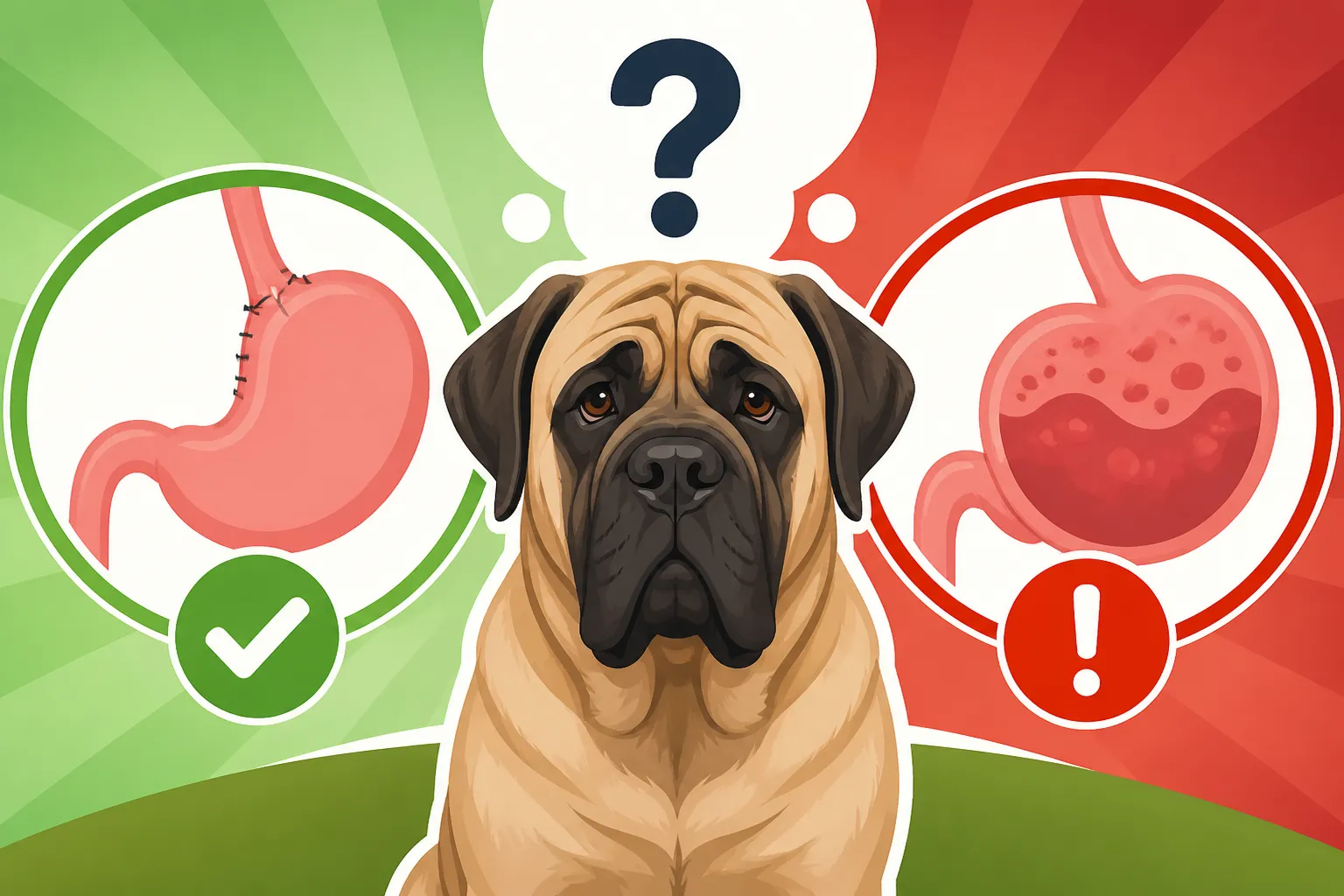
Whether a Gastropexied Mastiff Can Still Bloat
If you've welcomed a majestic Mastiff into your home, you're likely acutely aware of the shadow that bloat, or gastric dilatation-volvulus (GDV), casts over this incredible breed. The decision to have your gentle giant undergo a preventative gastropexy surgery is a huge step, offering a measure of peace of mind. But even after this significant procedure, a very real and persistent question often lingers in the back of every dedicated Mastiff owner's mind: can a gastropexied Mastiff still experience bloat? It's a perfectly valid concern, and we're going to dive deep into exactly what this surgery prevents, what it doesn't, and how you can continue to protect your beloved companion.
Understanding What Gastropexy Actually Prevents and What It Doesn't
Let's clear the air right from the start. A gastropexy is a remarkable surgery, a true lifeline for many giant breeds like our Mastiffs. However, it's crucial to understand its precise function. Many owners believe it completely eliminates "bloat," but the reality is a little more nuanced. It tackles the most life-threatening aspect of the condition, but not the entire process.
The Dual Threat of Bloat: Dilation and Volvulus
To truly grasp what a gastropexy does, we need to distinguish between the two components of bloat, medically known as Gastric Dilatation-Volvulus (GDV). This distinction is key to understanding why your gastropexied Mastiff still needs your vigilance.
First, there's gastric dilatation. This is when the stomach fills with gas, fluid, or food, causing it to swell and distend. Think of it like a balloon inflating inside your dog's abdomen. This accumulation of gas can happen for various reasons: rapid eating, gulping air, excessive drinking, or even stress. Even a mild case can cause significant discomfort, pain, and pressure on internal organs, including the diaphragm, making breathing difficult. This initial swelling is often the first stage of any bloat episode, regardless of whether a twist follows. Many of the preventative measures we take as Mastiff owners, such as using slow feeder bowls or managing eating habits, are aimed at reducing the risk of this initial gas accumulation. For a more in-depth look at this terrifying condition, you might want to read our guide on Bloat in the Deepest Chest of Any Breed: the Mastiff.
Second, and far more dangerous, is gastric volvulus. This is the terrifying twist. When the gas-filled stomach rotates on its axis, it twists, pinching off both the entry and exit points. This rotation traps the gas, food, and fluids inside, preventing them from escaping and worsening the distension. More critically, this twisting motion cuts off the blood supply to the stomach and often the spleen, leading to tissue death (necrosis), shock, and almost inevitable death if not treated surgically within a few hours. This is the truly life-threatening emergency that haunts giant breed owners, and it's the specific part of GDV that gastropexy is designed to prevent.
How a Gastropexy Anchors the Stomach
A gastropexy, in its essence, is a surgical procedure where the stomach is permanently attached, or "tacked," to the inside of the abdominal wall. Imagine securing a loose sail to the mast of a ship; it's designed to prevent that sail from flapping wildly or twisting out of control. The most common technique involves stitching a portion of the stomach lining (usually the pyloric antrum) to the right side of the abdominal wall. This creates a permanent adhesion.
The procedure can be performed in several ways. An incisional gastropexy is done through an open abdominal incision, directly suturing the stomach to the muscle layer of the abdominal wall. A laparoscopic-assisted gastropexy is less invasive, performed using a camera and instruments through small keyhole incisions. Regardless of the method, the goal is the same: to create a fixed point for the stomach. This anchor significantly reduces the stomach's ability to rotate, thereby preventing the volvulus (twist) that turns a scary situation into an immediate, life-or-death crisis. This means that while the stomach can still fill with gas and dilate, it cannot easily flip over. Many owners choose to have this procedure done electively, often at the same time as a spay or neuter. If you're considering it, you might be interested in knowing When a Mastiff's Gastropexy Should Be Done. It's a preventative measure, not a magic bullet that makes your Mastiff immune to all stomach upset, but it truly mitigates the most dangerous outcome.
The Signs of Gastric Dilation in a Gastropexied Mastiff
So, your Mastiff has had a gastropexy, and you understand it prevents the twist. But what does bloat without the twist look like? And why is it still something you need to take seriously? Even with a gastropexy, your dog's stomach can still dilate, filling with gas and causing significant discomfort and potential health issues. Knowing the signs is paramount.
Recognizing the Warning Signs of Bloat Without the Twist
While a gastropexied Mastiff won't typically exhibit the rapid, extreme distension and immediate collapse associated with a full twist, they can still show signs of gastric dilation that warrant your immediate attention. These symptoms might be less dramatic than a full-blown GDV, but they are still clear indicators that something is wrong.
Watch out for these tell-tale signs:
- Restlessness and Pacing: Your typically calm Mastiff might seem agitated, unable to settle, constantly shifting positions, or pacing around the house. This is often an early sign of discomfort.
- Excessive Drooling: More drool than usual, often stringy or foamy, can indicate nausea or pain. Given that Mastiffs are already prone to drooling, you'll need to pay close attention to the amount and consistency.
- Unproductive Retching or Gagging: This is perhaps one of the most classic and worrying signs. Your Mastiff will try to vomit, often forcefully, but nothing (or very little, perhaps just foam or bile) comes up. This is because the gas-filled stomach is preventing normal expulsion.
- Abdominal Discomfort or Mild Distension: While not as rigid or drum-like as with a twist, you might notice your Mastiff's abdomen seems fuller or firmer than usual. They might be sensitive if you gently touch their belly.
- Reluctance to Lie Down or Stand Up: Moving can be painful when the stomach is distended, making your dog hesitant to change positions.
- Changes in Breathing: The pressure from a distended stomach can make it harder for the lungs to fully expand, leading to shallow or rapid breathing.
- Lethargy or Weakness: As discomfort increases, your Mastiff might become subdued, less interested in their surroundings, and generally appear weak.
It's vital to remember that these symptoms, even without a twist, mean your Mastiff is in pain and potentially at risk. Do not wait to see if they improve. You might initially confuse these signs with indigestion or a general upset stomach, but if they persist or worsen, it's time to act. To compare these signs with the more severe ones, refer to The First Sign a Mastiff Is Bloating.
Why Immediate Veterinary Attention is Still Crucial
Even though the terrifying twist has been largely prevented by the gastropexy, gastric dilation is still a medical emergency that requires prompt veterinary intervention. Letting it go unchecked can lead to a cascade of problems for your Mastiff.
For one, the sheer volume of gas inside the stomach causes immense pain and discomfort. Imagine a severe cramp that just keeps getting worse. Beyond the pain, the distended stomach puts significant pressure on surrounding organs. This can restrict blood flow, impair breathing by pushing on the diaphragm, and even lead to dangerous heart arrhythmias. Left untreated, severe gastric dilation can still lead to shock, organ damage, and in extreme cases, be life-threatening, even without the stomach rotating. It might not be a race against a twist, but it's still a race against escalating pain and physiological distress. You might think, "Well, at least it won't twist," but thinking that could delay crucial care.
When you get to the vet, they'll likely perform a physical exam and take X-rays to confirm gastric dilation and rule out other issues. They'll assess your Mastiff's overall condition, looking for signs of shock. Treatment for dilation, even without a twist, often involves relieving the gas through a tube passed into the stomach (decompressing it) and providing pain medication, intravenous fluids, and close monitoring. Your veterinarian will also investigate the underlying cause of the dilation to prevent future episodes. Knowing How Long a Bloating Mastiff Has Before Surgery is typically relevant for GDV, but even for dilation, prompt care makes a huge difference in your Mastiff's comfort and recovery. This is where having pet insurance, like a policy from Healthy Paws, can be a massive relief, as emergency vet visits are always costly, and you'll want to focus on your dog's care, not the bill.
Managing Bloat Risk Even After Gastropexy
While a gastropexy dramatically reduces the risk of the most catastrophic form of bloat, it's not a license to disregard all preventative measures. Think of it as having airbags in your car; they're a life-saver, but you still drive carefully and wear your seatbelt. For your Mastiff, proactive management of lifestyle and diet remains incredibly important to minimize the chances of even gastric dilation occurring.
Lifestyle Adjustments to Minimize Dilation
Even after a gastropexy, you want to do everything you can to prevent your Mastiff's stomach from filling with excessive gas in the first place. These lifestyle adjustments are well within your control and contribute significantly to your dog's overall well-being.
- Multiple Small Meals: Instead of one or two large meals, consider splitting your Mastiff's daily food allowance into three or even four smaller meals throughout the day. This reduces the amount of food and air ingested at any one time, lessening the burden on the stomach.
- Slow Eating Practices: If your Mastiff tends to gobble their food, investing in a slow-feeder bowl or placing a large, clean rock or toy in their regular bowl can help them eat more slowly, thus reducing air intake. This is often discussed when considering Whether a Slow Feeder Reduces a Mastiff's Bloat Risk.
- Elevated Bowls: While once thought to cause bloat, more recent studies suggest that elevated bowls neither prevent nor cause bloat. However, many owners of very large, deep-chested breeds still prefer them for comfort, especially for older dogs or those with neck issues. Discuss this with your vet to see if it's right for your Mastiff.
- Manage Exercise Around Meals: Avoid vigorous exercise, playtime, or stressful situations for at least an hour before and two hours after meals. A full stomach bouncing around or stress-induced gulping of air can contribute to gas accumulation. A leisurely potty break is fine, but intense activity is best avoided.
- Ensure Constant Access to Fresh Water: Keeping your Mastiff well-hydrated is always important. However, try to prevent them from gulping down huge amounts of water immediately after eating or heavy exercise, which can also contribute to stomach distension. Offer smaller amounts more frequently.
- Minimize Stress: Stress can lead to a dog gulping air or having digestive upset. Try to maintain a calm and consistent routine, especially around mealtimes.
Implementing these practices becomes a regular part of your routine, much like the commitment to training and grooming. They're about creating an environment that supports optimal digestive health for your big dog. Understanding What Triggers Bloat in a Mastiff can help you tailor these strategies even further.
The Ongoing Role of Vigilance and Preventative Care
Having a gastropexied Mastiff provides immense relief, but it doesn't mean you can relax your vigilance entirely. Instead, your focus shifts slightly: from fearing the twist to proactively preventing and quickly addressing any gastric dilation. This ongoing commitment to your Mastiff's health involves regular vet check-ups, maintaining a healthy lifestyle, and being prepared for the unexpected.
Regular veterinary visits are critical. Your vet can monitor your Mastiff's overall health, discuss any dietary changes or concerns, and reinforce good preventative practices. They can also keep an eye on your dog's weight, as maintaining a lean body condition is generally beneficial for joint health and overall longevity in giant breeds.
It's also about being emotionally and financially prepared for unexpected health issues. Even if the risk of a twisted stomach is largely mitigated, Mastiffs, like all large breeds, can face other significant health challenges. We talk a lot about Why Anesthesia Is Riskier in a Mastiff for surgeries, and for any unexpected emergency, having a plan is crucial. This is where pet insurance comes in. A reputable provider like Healthy Paws can offer a safety net for those unforeseen emergencies or chronic conditions that inevitably arise in a dog's life. While a gastropexy covers one major concern, accidents, other illnesses, or even severe gastric dilation that still requires vet intervention can lead to substantial bills. Knowing that you have financial support means you can always make the best health decisions for your Mastiff without the added stress of overwhelming costs. This peace of mind is truly invaluable, allowing you to enjoy your time with your gentle giant without constantly worrying about "what if." Being prepared for the financial impact of veterinary care, as highlighted in articles like What a Mastiff's Weight Does to Every Line on the Vet Invoice, is part of responsible Mastiff ownership.
Frequently Asked Questions About Gastropexy and Bloat
Even after absorbing all this information, it's natural to have lingering questions about gastropexy and its effectiveness. It's a significant procedure, and understanding every angle is part of being the best advocate for your Mastiff.
Can a Mastiff still die from bloat after a gastropexy?
This is a stark and honest question, and the answer, though rare, is technically yes. While a gastropexy is incredibly effective at preventing the volvulus (the life-threatening twist) that is the primary cause of death in bloat, it does not prevent gastric dilation. If a gastropexied Mastiff's stomach dilates severely and is left untreated, the immense pressure can still lead to shock, damage to internal organs, and cardiovascular collapse.
The critical difference is that without the twist, you generally have a slightly longer window for intervention, and the prognosis is far better. The immediate, catastrophic cut-off of blood supply to the stomach is prevented. However, severe dilation still demands immediate veterinary attention. This is why recognizing the signs of dilation (even without the twist) and acting quickly remains crucial. Delaying treatment for severe dilation, even in a gastropexied dog, can have fatal consequences. So, while the gastropexy drastically reduces the risk, it doesn't make your Mastiff invincible. Understanding Whether a Mastiff Survives Bloat Surgery usually refers to a full GDV, but prompt care for dilation is also vital for survival.
Is a gastropexy always 100% effective at preventing a twist?
No medical procedure can ever guarantee 100% effectiveness, and gastropexy is no exception, though it comes remarkably close. Studies show that a properly performed gastropexy is typically 95-98% effective at preventing gastric volvulus.
In very rare instances, the adhesion between the stomach and the abdominal wall can fail or tear. This might happen due to extreme physical trauma, severe internal stress, or, in even rarer cases, if the initial surgical attachment was not as strong as intended. While these occurrences are exceedingly uncommon, they highlight why continued vigilance is important. The procedure is overwhelmingly successful at preventing the twist, offering a vast improvement in your Mastiff's odds of avoiding this emergency. The peace of mind it provides is substantial, but it's important to understand the minuscule possibility of failure, just as with any surgical intervention.
What are the long-term benefits of a gastropexy?
The long-term benefits of a gastropexy for a Mastiff are profound and primarily revolve around safeguarding their life and providing immense peace of mind for their owners.
The most significant benefit is the drastically reduced risk of life-threatening Gastric Dilatation-Volvulus (GDV). Knowing that the stomach is securely anchored significantly lowers the chances of that terrifying twist occurring, which is the deadliest aspect of bloat. This alone can extend a Mastiff's life by preventing an otherwise fatal event.
Beyond just preventing death, it often translates to potentially lower emergency veterinary costs associated with bloat. While gastric dilation still needs attention, the complex, intensive, and expensive surgery required to correct a twisted stomach is usually avoided. This is another area where having pet insurance from Healthy Paws can really ease the burden, covering unexpected, non-gastropexy-related emergencies.
Finally, and perhaps most importantly for owners, is the unquantifiable benefit of peace of mind. Living with a Mastiff means constantly monitoring for bloat symptoms. After a gastropexy, while vigilance is still required for dilation, the overwhelming fear of the twist subsides, allowing you to enjoy your time with your gentle giant more fully, knowing you've taken a crucial step to protect them. This procedure is a cornerstone of preventative care, especially as your Mastiff grows older, and you consider Caring for a Mastiff Past Five.
| Symptom / Condition | Pre-Gastropexy Bloat (GDV) | Post-Gastropexy Dilation (Bloat without Twist) |
|---|---|---|
| Abdominal Distension | Rapid, severe, rigid, drum-like | Mild to moderate, firmer than usual, may be less obvious |
| Pain Level | Extreme, immediate, rapidly worsening | Moderate to severe discomfort, persistent |
| Retching/Gagging | Frequent, unproductive, violent attempts to vomit | Frequent, unproductive, attempts to vomit |
| Restlessness/Pacing | Pronounced, unable to settle | Present, persistent agitation |
| Drooling | Excessive, stringy | Increased, possibly foamy |
| Gum Color | Pale, gray, or blue (signs of shock) | Usually normal pink, but can become pale with severe dilation |
| Collapse/Weakness | Rapid onset of weakness, collapse, inability to stand | Lethargy, weakness, but less likely to collapse immediately |
| Heart Rate | Elevated, signs of shock | Can be elevated due to pain/stress |
| Breathing | Labored, rapid, shallow | Rapid, shallow due to abdominal pressure |
| Immediate Danger | Extremely high, life-threatening due to twist and shock | High discomfort, potential for shock if severe/untreated |
| Surgical Emergency | Yes, immediate surgery required | Usually managed medically, but may require emergency decompression |
| Prognosis with Treatment | Guarded to poor, especially if delayed | Good to excellent with prompt veterinary care |
Disclaimer
The information provided in this article is for educational and informational purposes only and does not constitute veterinary advice. Always consult with a qualified veterinarian for any health concerns or before making any decisions about your Mastiff's medical care.