Which DNA Tests a Mastiff Breeder Should Add
For Mastiff breeders, navigating the complex world of genetic health can feel like walking a tightrope. You want to produce the healthiest puppies possible, but knowing which tests go beyond the absolute basics can be a real headache, leaving you wondering if you're missing something crucial for your lines. This comprehensive guide is here to shed light on the additional DNA tests that serious Mastiff breeders should consider incorporating into their health screening protocols to ensure the longevity and well-being of this magnificent breed.
Beyond the Foundational Health Clearances
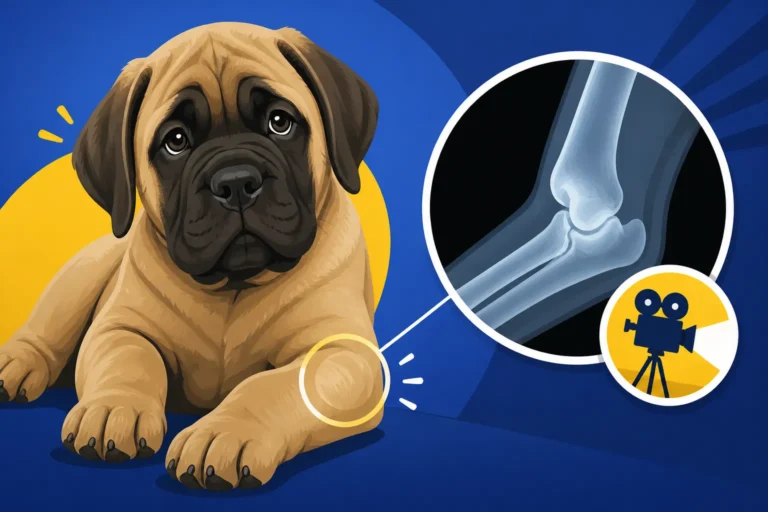
When you're deeply committed to the health of your Mastiffs, you quickly realize that simply meeting the minimum requirements, like those covered by the Orthopedic Foundation for Animals (OFA) or the Canine Health Information Center (CHIC), is just the starting point. While the four CHIC tests a Mastiff breeder must clear are absolutely essential – covering hips, elbows, eyes, and cardiac health – they don't encompass every potential genetic pitfall. There's a whole world of inherited conditions that DNA testing can illuminate, giving you an unparalleled insight into the genetic blueprint of your breeding stock.
Understanding the Limitations of Physical Exams Alone
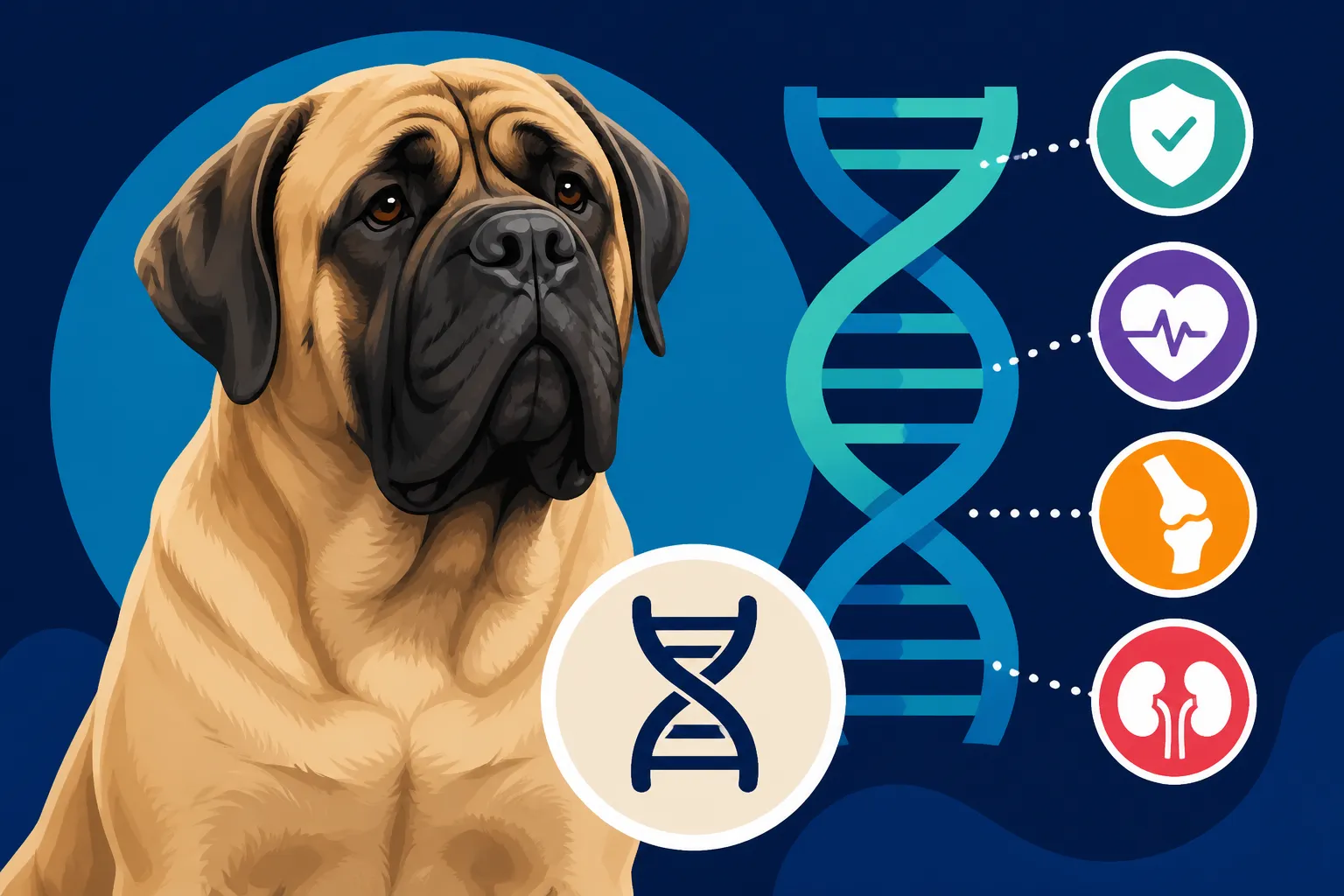
Physical examinations and imaging, while critical, are snapshots in time. They tell you about the current health status of an adult dog, but they don't always predict what might be passed down to future generations. For instance, a Mastiff might appear perfectly healthy with excellent vision during an eye exam, but still carry a gene for a late-onset eye disease that will only manifest years down the line, or in its puppies. This is where DNA tests become invaluable. They offer a window into the genetic code, identifying carriers or at-risk individuals long before symptoms ever appear, providing a proactive approach to breeding decisions rather than a reactive one.
The Value Proposition of Expanded Genetic Screening
Investing in additional DNA tests is not just about avoiding sick puppies; it’s about making truly informed breeding choices. It means being able to confidently tell prospective puppy owners that you've done everything in your power to minimize the risk of known inheritable diseases. It helps you protect your kennel's reputation and contribute positively to the Mastiff gene pool as a whole. Think of it as building a stronger, more resilient foundation for the breed's future. The knowledge gained from these tests can also be crucial for insurance providers like Healthy Paws, who assess risk based on a dog's health history and genetic predispositions, potentially impacting coverage options down the line.
Key Genetic Risks Specific to the Mastiff Breed
The Mastiff, like many purebred dogs, has certain predispositions to genetic conditions that dedicated breeders should be aware of and test for. These aren't necessarily always included in the basic panel, but they can significantly impact a dog's quality of life and lifespan. Understanding these specific risks allows you to target your additional DNA testing effectively.
Progressive Retinal Atrophy PRA
One of the most significant eye conditions that breeders need to address is Progressive Retinal Atrophy (PRA). While eye certifications catch current issues, a DNA test can identify if a dog is a carrier for PRA, even if its own vision is currently perfect. It's a devastating condition that leads to blindness, and understanding its inheritance pattern is key. For example, it’s crucial to know why Mastiff Retinal Atrophy needs only one copy of the gene to be present for the disease to manifest in some forms, meaning even a single affected parent can pass it on.
There are different forms of PRA, and specific tests like the DNA test that finds Mastiff PRA can pinpoint the exact mutation responsible for the disease in the breed. This allows breeders to make informed decisions about pairings, aiming to produce only clear or carrier offspring (with carriers ideally being bred to clear mates only), thereby gradually reducing the prevalence of the disease in the population. Ignoring these tests means you're breeding blind, literally and figuratively, risking heartbreaking outcomes for families and their beloved pets.
Cystinuria Type III
Another critical genetic condition to test for in Mastiffs, particularly males, is Cystinuria Type III. This inherited metabolic disorder causes the kidneys to improperly reabsorb certain amino acids, leading to the formation of cystine stones in the urinary tract. These stones can cause severe pain, blockages, and require emergency surgery. It's especially impactful for male Mastiffs due to their anatomy, and knowing that Cystinuria Type III and the intact male Mastiff are strongly linked through this genetic predisposition can save lives.
The genetic marker for Type III Cystinuria is often identified through a simple DNA test. This test is vital because carriers, while not typically forming stones themselves, can pass the gene to their offspring. Knowing how many Mastiffs carry the Type III marker in your lines can help you plan matings to avoid producing affected puppies. While medical management can sometimes help, preventing the condition through careful breeding is always the preferred route, significantly improving the welfare of future Mastiffs.
Degenerative Myelopathy DM
Degenerative Myelopathy (DM) is a progressive neurological disease that affects the spinal cord, often mimicking arthritis in its early stages. It's an insidious condition that eventually leads to paralysis, primarily in the hind limbs. Seeing what Degenerative Myelopathy does to a Mastiff is truly heartbreaking, as these magnificent dogs slowly lose their mobility and independence. A DNA test can identify Mastiffs that are "at-risk" or carriers for DM.
It's important to understand that carrying two copies of the "at-risk" gene doesn't guarantee a dog will develop DM, but it significantly increases the likelihood. The question of whether an at-risk Mastiff always develops DM is complex, as environmental factors and other genes can play a role, but the genetic predisposition is undeniable. Breeders should aim to avoid breeding two "at-risk" dogs together to prevent producing highly susceptible offspring. While there's no cure for DM, early identification through DNA testing allows owners to prepare and manage the condition with appropriate supportive care, making informed decisions about their dog's future.
Implementing Additional DNA Tests in Your Breeding Program
Adding more DNA tests to your breeding program might seem daunting, both in terms of cost and complexity, but the benefits far outweigh the challenges. It’s an investment in the future health of your lines and the breed as a whole. Reputable laboratories like Embark Veterinary, Optimal Selection (MyDogDNA), and GenSol Diagnostics offer panels that include many of these crucial tests.
Choosing the Right Testing Panel
Most reputable genetic testing companies offer breed-specific panels that include a range of common inheritable diseases. For Mastiffs, beyond PRA and Cystinuria Type III, consider looking for tests for Canine Multifocal Retinopathy (CMR1), often included in general panels. What Canine Multifocal Retinopathy does to a Mastiff is cause retinal lesions that can impair vision, though usually not leading to total blindness. While less severe than PRA, it's still a condition you'd want to avoid propagating.
When selecting a panel, don't just pick the cheapest option. Look for comprehensive panels that are specifically tailored to the Mastiff or general large-breed health concerns. Some panels also include traits like coat color or genetic diversity markers, which can provide a fuller picture of your dog's genetic makeup. Discuss your options with other experienced Mastiff breeders and your veterinarian. They can often recommend laboratories known for their accuracy and customer support. Remember, a comprehensive approach to genetic testing, along with the foundational CHIC clearances, is what truly defines an ethical breeding program. This thoroughness is something insurance providers like Healthy Paws look favorably upon, as it indicates a commitment to preventative care.
Interpreting and Utilizing DNA Test Results
Receiving a dog's DNA results can sometimes feel like reading a foreign language, but understanding the terminology is critical for making sound breeding decisions. Results typically categorize dogs as "clear" (meaning they don't carry the gene for the tested condition), "carrier" (meaning they carry one copy of the gene but are not expected to be affected themselves), or "affected/at-risk" (meaning they carry two copies of the gene and are expected to develop or are at high risk of developing the condition).
For conditions like PRA where the inheritance can be dominant or recessive, knowing if your dog is a carrier is paramount. For example, if you have a carrier for PRA, you would only breed them to a dog that is "clear" for PRA. This pairing ensures that no puppies will be "affected," though 50% of the litter would likely be carriers. This systematic approach allows you to responsibly utilize valuable breeding stock that might be carriers, without producing affected offspring. The goal is to reduce the carrier status in your lines over generations, moving towards a healthier overall breed population. It’s also wise to check if the Cystinuria marker test is reliable in Mastiffs, as some tests have varying degrees of accuracy.
Table: Recommended Additional DNA Tests for Mastiffs
| Test Name | Condition Screened For | Mode of Inheritance | What it Means for Breeding |
|---|---|---|---|
| Progressive Retinal Atrophy (PRA) | Blindness (various forms) | Recessive/Dominant | Avoid breeding two carriers/affected; breed carriers to clear. |
| Cystinuria Type III | Urinary tract stones (males) | Recessive | Avoid breeding two carriers; breed carriers to clear. |
| Degenerative Myelopathy (DM) | Progressive spinal cord disease | Recessive | Avoid breeding two at-risk dogs; breed at-risk to clear or carrier. |
| Canine Multifocal Retinopathy (CMR1) | Retinal lesions, impaired vision | Recessive | Avoid breeding two carriers; breed carriers to clear. |
| Hyperuricosuria (HUU) | Urate bladder stones | Recessive | Avoid breeding two carriers; breed carriers to clear. |
| Dilated Cardiomyopathy (DCM) | Heart muscle disease (some forms have genetic markers) | Variable | Screen for known genetic markers if available for Mastiffs; otherwise rely on cardiac exams. |
The Ethical Breeder's Responsibility
Being a Mastiff breeder isn't just about mating two dogs; it's a profound responsibility to the breed's future. It means making difficult decisions, prioritizing health over show potential or perceived rarity, and being transparent with puppy buyers. Ethical breeding contributes directly to the overall health and lifespan of the breed.
Transparency and Disclosure to Puppy Buyers
A truly ethical breeder is open and honest about the health testing conducted on their breeding dogs, including all DNA test results. This means providing copies of all relevant health certifications, not just saying a dog is "clear." Showing prospective owners that you’ve gone the extra mile with tests like the DNA test that finds Mastiff PRA, and have a clear understanding of your dogs’ genetic profiles, builds trust and demonstrates your commitment. This transparency helps buyers understand the genetic background of their potential puppy and appreciate the investment you've made in their health.
This level of disclosure also extends to explaining what being a "carrier" means, and assuring buyers that pairings have been made to avoid producing affected puppies. It’s about educating the public and setting a new standard for responsible breeding, directly addressing concerns like why a Mastiff's short life is getting shorter and working proactively to reverse that trend.
Contributing to the Health of the Breed
Every conscientious breeder plays a role in safeguarding the Mastiff breed. By selectively breeding away from known genetic diseases, or at least strategically pairing carriers with clear mates, you're slowly but surely reducing the prevalence of these conditions. This isn't just about your own kennel; it's about the entire breed. Participating in health databases and openly sharing your results (even if they're not perfect) helps researchers and other breeders gain a clearer picture of genetic health within the Mastiff population.
Moreover, if you find a genetic condition prevalent in your lines, consulting with a veterinary geneticist can provide guidance on how to manage it responsibly while preserving genetic diversity. The goal is not to eliminate all carriers overnight, as this could severely restrict the gene pool, but to make thoughtful, informed decisions over generations. Your dedication ensures that future generations of Mastiff enthusiasts can enjoy these magnificent dogs for as long and as healthy as possible, perhaps even extending the average Mastiff lifespan. Considering pet insurance for puppies from your lines, and discussing reputable options like Healthy Paws, also underscores your commitment to their lifelong well-being.
Working with Veterinary Geneticists and Laboratories
Navigating the nuances of genetic testing can be complex, and you don't have to do it alone. Utilizing the expertise of veterinary geneticists and working closely with reputable laboratories can provide invaluable support and ensure you're making the most informed decisions.
Consulting with Experts
Veterinary geneticists are specialists who can help you understand complex inheritance patterns, interpret unusual test results, and provide guidance on breeding strategies for specific genetic conditions. If you have a dog with a complicated genetic profile, or if you're trying to manage a newly identified genetic issue in your lines, a consultation with a geneticist can be incredibly helpful. They can clarify questions like why Mastiff Retinal Atrophy needs only one copy of the gene in certain forms or help you understand the implications of a "carrier" status for a specific condition.
They can also advise on the frequency of testing, especially for conditions where the reliability of the test might be evolving or where multiple genes are involved. For instance, if you're asking whether the Cystinuria marker test is reliable in Mastiffs, a geneticist can offer the most current information based on research and practical application, helping you avoid unnecessary worry or flawed breeding decisions.
Ensuring Accurate and Timely Results
When sending samples for DNA testing, always choose laboratories with a strong reputation for accuracy, reliability, and clear reporting. Read reviews, ask for recommendations from other established breeders, and verify their accreditations. Ensure you follow their sample collection instructions precisely, whether it’s a cheek swab or blood sample, to avoid delays or invalid results.
It's also a good idea to maintain thorough records of all your health testing. This includes not only DNA test results but also OFA certifications and other clearances. This meticulous record-keeping is part of being a responsible breeder and ensures you have all the necessary information readily available for your own breeding decisions, for prospective puppy buyers, and for any health insurance inquiries (which, let's be honest, will likely come up with a giant breed, even with the best genetic testing from Healthy Paws or similar providers!). Remember, The CHIC Four plus the DNA stack behind a Mastiff's price isn't just a cost, it's a testament to the effort and care put into breeding.
Disclaimer
This article is intended for informational purposes only and does not constitute veterinary advice. Always consult with a qualified veterinarian or veterinary geneticist for specific health concerns and breeding decisions for your Mastiffs.