Bathing a Mastiff You Cannot Lift Into a Tub
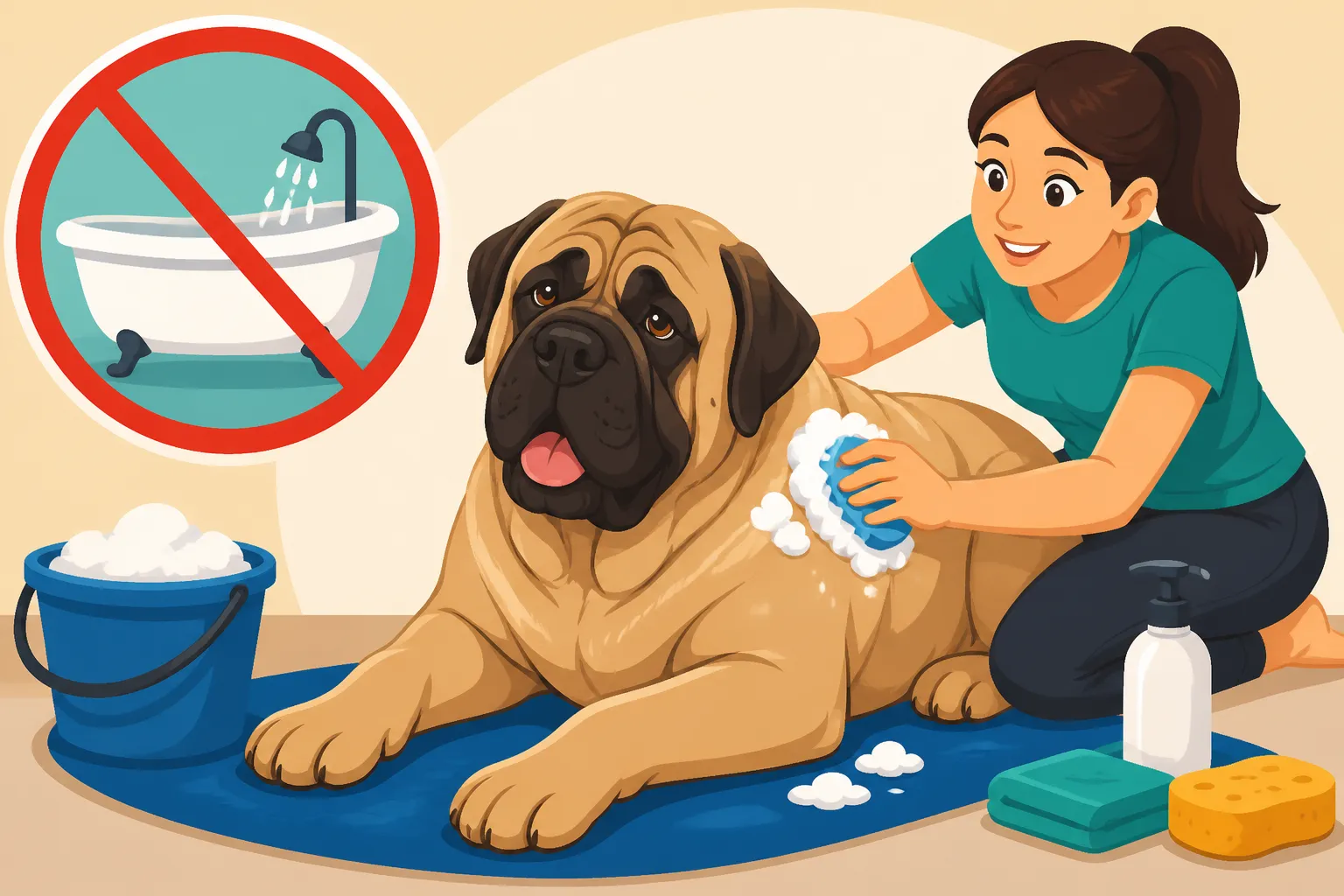
The reality of owning a Mastiff is that everything is big – big love, big paws, and yes, big challenges, especially when it comes to routine care like bathing. Trying to lift a two-hundred-pound dog into a standard bathtub isn't just difficult; it's practically impossible and downright dangerous for both you and your gentle giant. This comprehensive guide will explore practical solutions, essential gear, and a step-by-step approach to bathing your Mastiff without ever needing to hoist them off the floor, ensuring a safe and stress-free experience for everyone involved.
The Grand Challenge of Bathing a Giant Mastiff
Let's face it, the sheer scale of a Mastiff makes simple tasks monumental. When your furry family member tips the scales at what can easily be over 150 pounds, or even well over 200 pounds for a male, the idea of getting them into a standard tub becomes less of a chore and more of a Herculean feat. This isn't just about strength; it's about physics, safety, and understanding your dog's unique needs.
Why Lifting is Simply Not an Option for Most
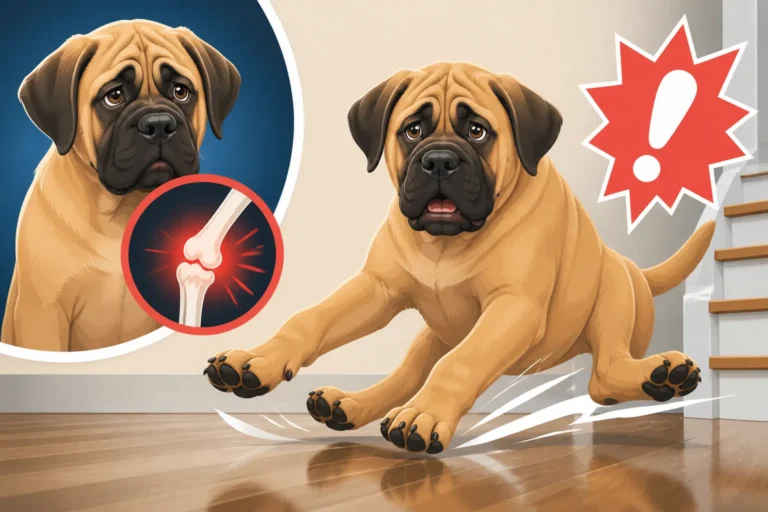
For most Mastiff owners, the moment their puppy grows past a certain point, the dream of lifting them into the bathtub vanishes. A typical adult Mastiff weighs more than the average adult human. Imagine trying to deadlift someone your own weight, soaking wet, squirming, and potentially uncooperative, over the side of a slippery tub. It’s a recipe for disaster. You risk back injury for yourself, and far worse, you risk dropping and seriously injuring your beloved dog. Their immense weight also puts tremendous strain on their joints, especially when wet and trying to find purchase, which is why a slip or fall can lead to significant orthopedic issues. What a Mastiff's Weight Does to Every Line on the Vet Invoice becomes very clear when considering potential injuries from an unsafe bath. It’s simply not a sustainable or safe method for routine bathing.
Beyond the physical strain, there's the psychological aspect. A Mastiff who feels insecure or panicky during bath time because they're being manhandled can develop a strong aversion to bathing. This isn't a breed that responds well to force; they are sensitive creatures, and building trust is paramount. A negative experience early on can make every subsequent bath a battle, turning a necessary hygiene task into a source of dread for both owner and dog. Finding methods that allow them to remain on solid ground fosters a sense of control and reduces anxiety, paving the way for a much more cooperative experience.
The Inevitable Mess and Where the Water Goes
Even if you could somehow get your Mastiff into a tub, the mess doesn't end there. A Mastiff's short coat, while seemingly low maintenance, still sheds, and when wet, that hair goes everywhere. Why a Mastiff's Short Coat Is Not Low Maintenance discusses this in detail, and bath time only amplifies it. Their jowls, a defining characteristic we adore, are also highly efficient drool dispersal units when wet, leading to an impressive splash zone that often extends far beyond the tub's immediate vicinity. You'll find water, shampoo suds, and wet dog hair adhering to walls, ceilings, and every surface within a ten-foot radius.
The sheer volume of water required to thoroughly wet and then rinse a Mastiff is astounding. You're not just wetting a small dog; you're essentially drenching a small pony. This means your drainage system needs to be up to the task, and you need a plan for containing the overflowing suds and dirty water. If you're bathing indoors, protecting your floors and furnishings from water damage becomes a major concern. Thinking about What Cleaning Mastiff Drool Off Walls Costs will give you a pretty good idea of the cleanup challenge, and bath water is no different. It’s not just about getting the dog clean; it's about minimizing the collateral damage to your home in the process.
Understanding Your Mastiff's Bath Time Disposition
Just like people, every Mastiff has a unique personality, and this extends to their feelings about baths. Some Mastiffs are surprisingly docile and enjoy the warm water and gentle massage, treating it like a spa day. They'll stand patiently, perhaps with a soft lean into your hand, and tolerate the entire process with grace. These are the Mastiffs that make you think, "This isn't so bad!"
However, many Mastiffs are less enthusiastic. Some might be simply indifferent, standing like a large, immovable statue, tolerating the water but offering no cooperation. Others can be genuinely anxious or fearful, trembling, trying to escape, or even reacting defensively if they feel trapped or uncomfortable. Their sensitivity means that even a stern voice or a slightly too-rough scrub can turn them off baths entirely. Understanding your Mastiff's temperament is crucial for success. If they're a "fearful Fido," a slow, patient approach with abundant positive reinforcement is essential. Never force them; instead, use treats, praise, and a calm demeanor to build a positive association with the bathing process, making it a routine rather than a dreaded event.
Essential Tools for an Effective and Safe Bath
Having the right equipment can make all the difference between a chaotic wrestling match and a relatively smooth bathing experience. When you can't lift your Mastiff, you need to rely on tools that ensure their safety, your comfort, and effective cleaning. These aren't just luxuries; they're necessities for managing a dog of this size.
Non-Slip Surfaces and Gentle Restraints
Safety is paramount when bathing a giant breed, especially one as heavy as a Mastiff. Wet floors and slippery surfaces are major hazards, risking falls that could cause serious injury to your dog's joints or even break bones. Investing in high-quality, non-slip mats or rubberized flooring is not just recommended; it’s essential. These can be placed in your bathing area, whether it's outdoors on a concrete pad or in a utility room. Look for mats with strong suction cups or heavy-duty rubber that won't shift under pressure. This provides your Mastiff with the confidence of firm footing, which helps immensely with their cooperation.
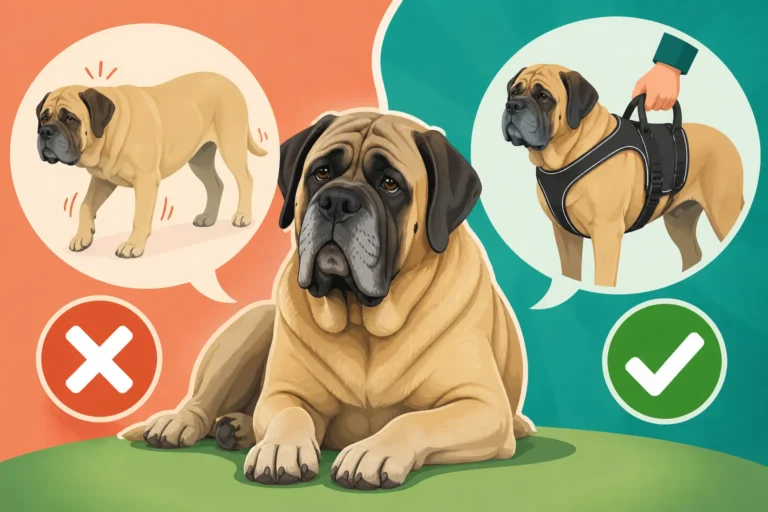
In addition to non-slip surfaces, gentle restraints can be incredibly helpful, particularly for Mastiffs who are nervous or prone to trying to escape. A sturdy, properly fitted harness (never just a collar, which could put pressure on their windpipe) can be attached to a secure anchor point in your bathing area. This isn't about tying them down tightly, but rather about providing a gentle boundary and preventing sudden lunges. A slip-lead or grooming loop can also be used, but always ensure it's comfortable and not causing distress. The goal is to keep them safely in place without making them feel trapped or anxious. Some owners find that a simple tether to a secure post or handle is enough to keep their Mastiff from wandering too far, giving them a sense of security within a defined space.
Choosing the Right Cleaning Products
With a Mastiff, the choice of shampoo and conditioner isn't just about making them smell good; it's about maintaining their skin and coat health. Their size means a lot of skin and hair, and inappropriate products can lead to dryness, irritation, or exacerbate existing conditions. Look for shampoos specifically formulated for sensitive skin, or those designed for large breeds. Hypoallergenic, soap-free, or oatmeal-based formulas are often good choices to prevent irritation. Since Mastiffs can have skin folds, especially around their face, neck, and sometimes tail, residue from harsh shampoos can become trapped and cause issues. Which Shampoo Suits a Mastiff's Skin is a topic worth diving into.
Consider products that help with shedding if your Mastiff is blowing their coat, or deodorizing shampoos if they tend to develop a "doggy odor." While some dogs may not develop a strong scent, others might, and specific shampoos can help. You can find a wide variety of excellent shampoos and conditioners on online retailers like Chewy or Amazon, often with reviews from other large breed owners. Remember, you’ll need a larger volume of product than you would for a smaller dog, so buying in bigger bottles is usually more economical. A good conditioner is also essential to keep their short coat soft, moisturized, and to help with any potential matting or dryness, even if their coat seems low-maintenance.
Smart Water Delivery Systems
Wetting down and thoroughly rinsing a Mastiff requires a consistent and efficient water flow. Trying to do this with a cup or a small showerhead can be an exercise in futility and frustration. A handheld shower sprayer with a long hose attachment is an absolute game-changer for indoor bathing. It allows you to direct the water precisely where it's needed, getting deep into their dense coat and under their jowls and folds, and making rinsing much more effective. Look for models with different spray settings, from a gentle stream to a stronger jet, to tackle different areas.
For outdoor bathing, a good quality garden hose with a spray nozzle that has adjustable settings is perfect. If you can, connect it to a utility sink or an outdoor spigot that provides warm water. Cold water can be a shock to a Mastiff, especially in cooler weather, and makes the experience unpleasant. Ensuring a consistent, comfortable water temperature will help keep them calm and cooperative. Some specialized pet bathing systems also exist, which can be connected to a garden hose and have built-in shampoo dispensers, making the application process even easier, although these are more of an investment.
Practical Locations for a No-Lift Bath
Since lifting your Mastiff into a standard tub is off the table, you need to think creatively about where to conduct bath time. The location you choose will largely depend on your living situation, local climate, and the available facilities. Each option has its own set of pros and cons, but with a bit of planning, any can be made to work.
Outdoor Bathing: Pros, Cons, and Setup
For many Mastiff owners, bathing outdoors is the most practical solution. The biggest advantage is the sheer space it offers and the natural drainage. You don't have to worry about overflowing suds or water damage to your home. A concrete patio, a dedicated wash area, or even a grassy spot in the yard can work. The fresh air also helps with drying. Washing a Mastiff Outdoors Without a Fight delves into how to achieve this successfully.
However, outdoor bathing comes with its own set of challenges. The most obvious is the weather. You're at the mercy of the elements; a sunny, warm day is ideal, but cold temperatures or rain can make it impossible or even dangerous for your Mastiff, who can get chilled easily, especially if their coat doesn't dry quickly. The Temperature at Which a Mastiff Should Stay Indoors is a good guideline for when it's simply too cold. You'll also need a reliable source of warm water. Connecting a garden hose to an indoor hot water tap, or using a portable water heater designed for camping, can solve this. Remember to ensure adequate drainage so you don't create a muddy mess or waterlog your lawn. A dedicated concrete pad with a slight slope and a drain is an ideal setup if you're able to create one.
Indoor Alternatives: Utility Rooms and Walk-In Showers
If outdoor bathing isn't feasible, or if you live in a cold climate, certain indoor spaces can be adapted. A large utility room or laundry room with a concrete or tiled floor and a floor drain can be a perfect spot. These areas are typically designed to handle water spills and often have easy access to a utility sink with hot water. You’ll still need non-slip mats for your Mastiff and plenty of old towels or a shop vac to manage the inevitable puddles and splashing. Protecting surrounding walls with plastic sheeting or shower curtains can also save you from a major cleanup later.
Some homes are lucky enough to have large, walk-in showers or even dedicated "dog showers" with ramps. If you have a walk-in shower with a low threshold, it might be possible to coax your Mastiff in. Again, non-slip mats are crucial here. The enclosed space can sometimes make nervous dogs feel more secure, but for others, it might feel too confining. The main challenge with an indoor shower is the relatively small space to maneuver around such a large dog and the potential for water to escape around the shower door or curtain, soaking your bathroom floor. Always pre-clean the area and have all your supplies within easy reach before bringing your Mastiff in.
Professional Groomers and Self-Serve Washes
When all else fails, or if you simply prefer professional help, dedicated grooming salons and self-serve dog wash stations are fantastic options. Many professional groomers are equipped with hydraulic grooming tubs that lower to the ground, allowing your Mastiff to walk directly in, and then raise to a comfortable working height for the groomer. They also have specialized high-velocity dryers that can efficiently dry a Mastiff's thick coat, reducing the risk of skin issues like hot spots. Whether a Groomer Has a Table Rated for a Mastiff is a question to ask your local salon.
Self-serve dog wash stations, often found in pet supply stores or standalone facilities, are another excellent choice. These typically feature waist-high tubs with ramps, powerful sprayers, and often an array of shampoos and conditioners. You pay a fee, bring your dog, and do the bathing yourself, but you get access to all the specialized equipment without the mess at home. This can be a great compromise for owners who want to keep bathing costs down but need the right tools and setup. While these options do come with a cost, the convenience, specialized equipment, and peace of mind can be well worth the investment, especially if your Mastiff is particularly challenging to bathe at home.
| Bathing Location | Pros | Cons | Ideal Setup |
|---|---|---|---|
| Outdoors | Ample space, natural drainage, fresh air, less indoor mess | Weather dependent, requires warm water source, potential for mud/dirt | Concrete pad, garden hose with warm water connection, secure tether point |
| Utility Room | Indoor comfort, access to hot water, easy clean floors | Limited space, risk of indoor mess/water damage, needs good drainage | Tiled floor with drain, utility sink, wall protection, non-slip mats |
| Walk-In Shower | Enclosed space for some dogs, built-in drainage | Very limited space, water overflow risk, difficult for very wide dogs | Large low-threshold shower, non-slip mats, shower curtain/door seal |
| Professional/Self-Serve | Specialized equipment (ramps, dryers), no home mess, expert help | Costly, requires travel, limited availability | Hydraulic tub, high-velocity dryer, trained staff (professional) |
A Step-by-Step Guide to the Bathing Process
Once you've chosen your location and gathered your supplies, it's time to actually get your Mastiff clean. A methodical approach, coupled with patience and positive reinforcement, will make the process smoother and more enjoyable for both of you. Remember, a calm owner often means a calm dog.
Pre-Bath Preparations and Mental Conditioning
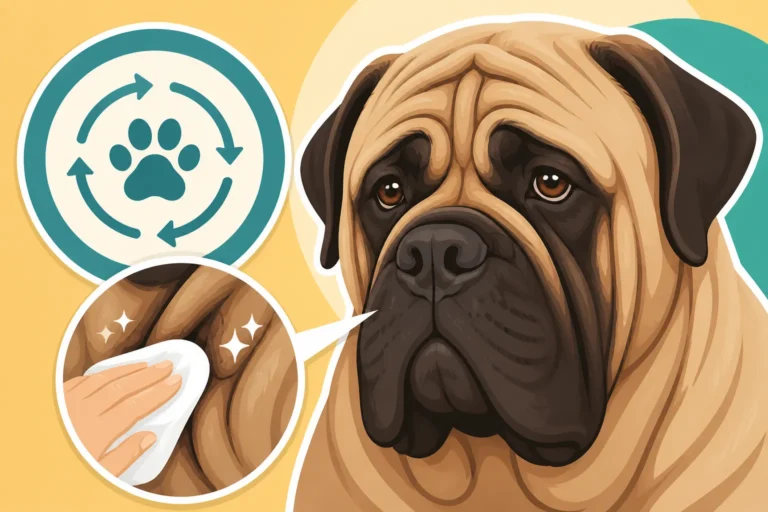
Before any water even touches your Mastiff, preparation is key. Start by thoroughly brushing their coat to remove as much loose hair, dirt, and debris as possible. This makes the shampoo more effective and reduces clogging drains. While brushing, pay extra attention to The Wrinkles and Folds a Mastiff Owner Cleans Every Week. Giving them an initial wipe-down with a damp cloth or pet-safe wipe can help loosen any gunk, as these areas are prone to collecting dirt and moisture.
Next, gather all your supplies and place them within easy reach: shampoo, conditioner, towels, non-slip mats, a handheld sprayer, treats, and perhaps even a lick mat smeared with peanut butter to distract them. Lay down your non-slip mats in the chosen bathing area. Once everything is ready, bring your Mastiff to the area calmly. Use a cheerful voice, offer treats, and give them a moment to explore the space. If they are wary, let them sniff the equipment. This initial positive conditioning is crucial for setting the right tone. For dogs with severe bath anxiety, you might need to introduce the area and sounds of water gradually over several days or weeks, rewarding them for simply being near the bath.
The Actual Wash: From Wetting to Rinsing
Now for the main event! Slowly introduce water to your Mastiff. Start with their paws and legs, gradually moving up their body, always praising and offering treats. Avoid spraying water directly into their face or ears; instead, use a damp cloth for their head. Gently but thoroughly wet their entire coat down to the skin. This can take a surprisingly long time for a Mastiff due to their dense undercoat. Once they are thoroughly wet, apply the shampoo, working it into a rich lather. Start from the neck and work your way down to the tail and legs.
Massage the shampoo deeply into their coat, paying special attention to areas that tend to get dirtiest or hold odor, like their chest, undercarriage, and between their toes. Be extra gentle around their facial folds and ears, cleaning them carefully. After a good scrub, comes the most crucial part: rinsing. You must rinse, rinse, and then rinse again. Shampoo residue left in the coat can irritate the skin and lead to dryness, itching, or even skin infections. For a Mastiff, this often means rinsing for at least twice as long as you think is necessary, using your handheld sprayer to get under their jowls and deep into their coat until the water runs completely clear and there are no suds remaining.
The Critical Drying Phase
Once your Mastiff is thoroughly rinsed, it's time for the drying phase, which is just as important as the washing. First, gently squeeze excess water from their coat with your hands, and then use large, absorbent towels to blot and rub them dry as much as possible. You'll likely go through several towels for a Mastiff. This initial towel-drying helps immensely and prevents them from shaking too much water all over your surroundings. Be prepared for the inevitable "Mastiff shake," so stand back! What Cleaning Mastiff Drool Off Walls Costs also applies to wet dog shake.
For a Mastiff, simply air-drying is rarely sufficient, especially indoors, as their dense coat can hold moisture close to the skin, creating a prime breeding ground for bacteria and yeast, leading to skin infections or Whether a Mastiff Gets Hot Spots. If you don't have a professional high-velocity dryer, which can be an excellent investment, use a regular human hairdryer set to a cool or low-heat setting. Keep the dryer moving constantly to avoid overheating any one spot. You can also use a forced-air pet dryer, often available at self-serve wash stations, which blows air without heat to quickly dry the coat. Make sure your Mastiff is completely dry, particularly in their undercarriage, between their legs, and in their folds, before allowing them to settle. If it's cold outside, ensure they are thoroughly dry and warm before going out.
Post-Bath Care and Maintaining Cleanliness
The bath itself is just one part of keeping your Mastiff clean and healthy. What you do immediately after, and in between baths, plays a huge role in maintaining their skin, coat, and overall well-being. This is where you reinforce good habits and catch any potential issues early.
Ongoing Coat and Skin Health Checks
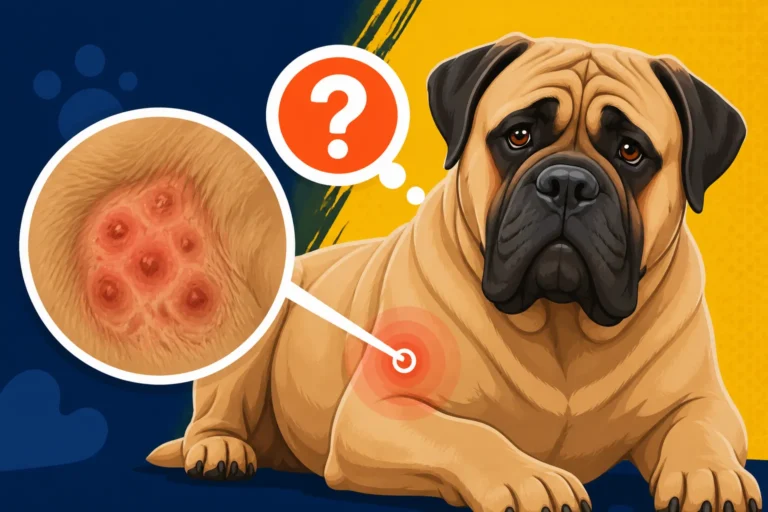
Immediately after the bath, while your Mastiff is clean and dry, take the opportunity to perform a thorough skin and coat check. Their freshly cleaned skin will make it easier to spot any redness, bumps, flakiness, or signs of irritation that might have been hidden by dirt or loose hair. Pay close attention to their elbows, where calluses can form from lying on hard surfaces – A Mastiff Lying Two Hundred Pounds on One Elbow All Day can lead to these. While their calluses might not crack and bleed as much if they have proper bedding, keeping an eye on them is still important.
This is also an excellent time to inspect their skin folds carefully. Ensure they are completely dry, as residual moisture can lead to yeast or bacterial infections. If you notice any redness or irritation in their folds, gently clean them with a pet-safe antiseptic wipe and ensure they stay dry. A healthy diet, perhaps one like Ollie's fresh food plans, can also contribute to overall skin and coat health, making these post-bath checks more about maintenance than troubleshooting. Maintaining good skin health goes a long way in preventing future issues and making bath time less frequent.
Nail Trims and Ear Cleaning During This Window
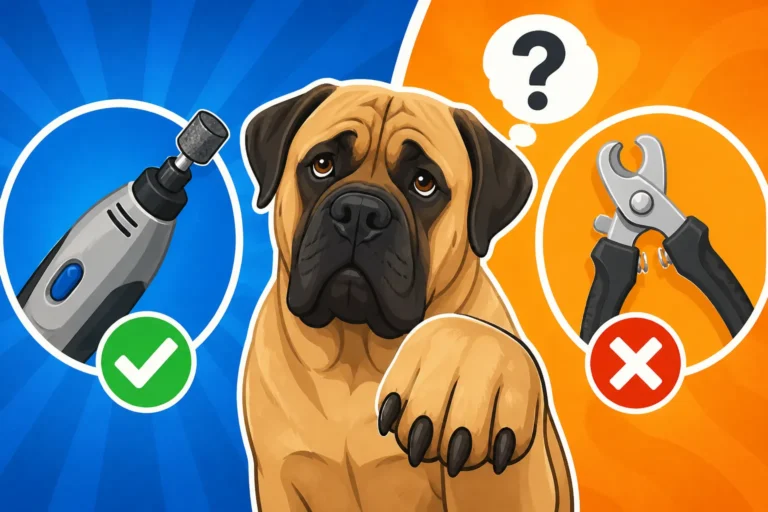
Bath time provides a golden opportunity for other essential grooming tasks, as your Mastiff's nails will be softer and their ears more accessible. While their nails might not wear down naturally due to their limited exercise, soft nails are easier to trim. Nails, Teeth and Ears on a Mastiff That Will Not Be Lifted highlights the challenge of these tasks, but a cooperative, relaxed Mastiff after a bath can make it easier. Use sharp, sturdy nail clippers designed for large breeds, or a Dremel tool, to carefully trim their nails, being mindful of the quick. If you're unsure, ask your vet or groomer for a demonstration. Keeping their nails short is crucial for their comfort and traction, especially on hard floors.
As for their ears, Whether a Mastiff's Ears Need Cleaning is a definite yes, although not every bath. After washing, gently clean the outer ear and the visible parts of the ear canal with a vet-approved ear cleaner and a soft cotton ball. Mastiffs, with their heavy, pendulous ears, can be prone to ear infections due to poor air circulation. Avoid pushing anything deep into the ear canal, and always ensure the ears are dry after cleaning to prevent moisture buildup. Make these routine checks and cleaning a positive experience with treats and praise, building a positive association for future care.
Reinforcing Positive Associations
Every interaction with your Mastiff should ideally build trust and positive associations, and bath time is no exception. After the bath and grooming, reward your Mastiff with high-value treats, plenty of praise, and perhaps a favorite toy or a short play session. This helps them associate bathing with positive outcomes, making future baths much easier. Consistency is key; if baths are a regular, positive routine, your Mastiff will learn to accept them with less fuss.
Think about What a Mastiff Needs Every Day in terms of comfort and routine. A successful bath contributes to their overall well-being. If your Mastiff was particularly cooperative, consider making the post-bath reward extra special. Building a good routine and positive experiences can even reduce the frequency of full baths you need, especially if you maintain regular brushing and spot cleaning of their folds and paws. The goal is to make bath time a manageable, low-stress part of their life, ensuring they remain happy, healthy, and clean without you ever having to attempt a dangerous lift.
Troubleshooting Common Bathing Issues
Even with the best preparation, you might encounter some bumps in the road when bathing a Mastiff. Their size and sometimes stubborn nature can present unique challenges. Learning to anticipate and effectively troubleshoot these issues will ensure that bath time remains a positive and safe experience.
Dealing with Resistance and Fear
If your Mastiff is resistant or fearful of baths, forcing them will only exacerbate the problem. Instead, adopt a strategy of gradual desensitization and positive reinforcement. Start by simply leading them to the bathing area and giving them treats and praise, without any water involved. Let them sniff the hose or sprayer. Over several sessions, introduce the sound of running water, then a trickle on their paws, always rewarding calm behavior. Use very high-value treats – something they absolutely adore – to create a strong positive association.
For extremely anxious dogs, consult with your veterinarian. They might suggest calming supplements or even a mild sedative for initial sessions, just to break the cycle of fear. Patience is paramount here. A fearful Mastiff isn't being "naughty"; they're genuinely scared. Your calm, reassuring presence and consistent positive reinforcement will be key to helping them overcome their fears and learn that bath time isn't something to dread. Never rush the process, and always end on a positive note, even if it means cutting a session short to avoid a traumatic experience.
Managing the Mess Efficiently
Let's be real: bathing a Mastiff will always generate some level of mess. The goal isn't to eliminate it entirely, but to manage it efficiently. Before you start, lay down old towels or waterproof tarps around your bathing area to catch splashes. If bathing indoors, close bathroom doors, remove any rugs or delicate items, and consider hanging an old shower curtain over nearby walls. Have a designated "wet Mastiff" area where they can shake off before re-entering the main living space.
After the bath, immediately deal with the wet towels and any standing water. A powerful shop vac can be invaluable for quickly sucking up water from concrete or tiled floors. Regularly brushing your Mastiff between baths can also significantly reduce the amount of loose hair that ends up in the tub or drain during washing. How Often a Mastiff Needs a Bath might be less frequent if regular brushing and spot cleaning are part of your routine. Remember, a clean home and a clean dog often go hand-in-hand with proactive mess management.
Keeping Your Mastiff Comfortable
A comfortable Mastiff is a cooperative Mastiff. Beyond the non-slip mats, think about water temperature. As mentioned, cold water can be a shock. Aim for lukewarm water, similar to what you'd use for a baby. In colder climates or seasons, ensure the bathing area is free from drafts. If bathing outdoors in cooler weather, plan the bath for the warmest part of the day and ensure you have a plan to get them thoroughly dry and warm quickly afterward.
Also consider the pressure of the water spray. A harsh, direct jet can be unpleasant. Use a gentle shower setting, especially for sensitive areas. Throughout the bath, keep talking to your Mastiff in a calm, soothing voice. Pay attention to their body language. Are their ears back? Are they cowering? Adjust your technique if needed. For an older Mastiff, ensure they have soft, orthopedic bedding to lie on immediately after the bath while they finish drying and relaxing. How Thick a Bed a Mastiff Needs becomes even more important for their comfort and joint health after standing for a bath. By prioritizing their comfort, you help create a positive experience that they'll be more willing to repeat.
Disclaimer
This article is for general informational purposes only and does not constitute professional advice. Laws, prices and regulations vary by location and change over time. Consult a qualified professional for guidance on your specific situation.