Whether a Mastiff Sheds
You've brought home a magnificent Mastiff, admired its short, sleek coat, and perhaps thought, "Finally, a dog that won't leave tumbleweeds of fur everywhere!" Oh, my friend, if only that were true. Many people make the understandable mistake of believing that a short coat equals low shedding, but with a Mastiff, that couldn't be further from the truth. This comprehensive guide is here to unravel the reality of Mastiff shedding, help you manage the hair, and keep both your giant companion and your home looking their best.
The Truth About Mastiff Shedding
It's a common misconception, isn't it? You look at that short, dense coat on your majestic Mastiff and think it can't possibly shed much. After all, it's not a fluffy Golden Retriever or a thick-coated Bernese Mountain Dog. Yet, any Mastiff owner will tell you a different story. The truth is, Mastiffs shed, and they shed a lot. It's not the long, wispy hair that floats everywhere, but rather a constant, fine layer of dense fur that seems to embed itself into every fabric surface you own.
Understanding the Mastiff Coat
The Mastiff's coat is designed for practicality and protection, not necessarily for minimal shedding. They possess what's known as a double coat: a short, dense outer coat that's slightly coarse, designed to repel water and dirt, and a softer, even denser undercoat that provides insulation against both cold and heat. This undercoat is often overlooked when you glance at their seemingly simple outer layer, but it's a major player in the shedding game.
Because their hair is short, it doesn't always form those obvious "dust bunnies" that longer-haired breeds produce. Instead, it weaves its way into carpet fibers, sofa cushions, and clothing, becoming almost part of the fabric itself. You might not see large clumps of hair immediately, but run a sticky roller over your dark pants, and you'll quickly realize the extent of the shedding. This short hair, precisely because it's short, detaches easily and disperses widely, making its presence felt throughout your home. In fact, many people are surprised to learn Why a Mastiff's Short Coat Is Not Low Maintenance when it comes to hair control.
Seasonal Shedding vs. Year-Round Hair Loss
Like most double-coated breeds, Mastiffs experience seasonal "blow-outs," typically in spring and fall. During these periods, their undercoat sheds heavily to prepare for the changing weather. In the spring, they'll ditch their thick winter insulation for a lighter summer coat, and in the fall, they'll shed the lighter coat to make way for a denser, warmer one. These are the times when you'll truly be overwhelmed by the sheer volume of hair. It feels like it comes off in handfuls, clinging to everything and leaving a fine haze on your floors.
However, seasonal shedding is just one part of the equation. Mastiffs are also consistent, year-round moderate to heavy shedder. Even outside of their blow-out seasons, they continuously lose hair at a steady pace. This means that while the volume might decrease slightly, you'll still find Mastiff hair on your clothes, furniture, and floors every single day. Factors like living indoors in temperature-controlled environments can sometimes blur the distinction between seasonal and year-round shedding, as their bodies don't get as strong of a signal from extreme temperature changes to shed all at once. Diet, overall health, and even stress can also influence the rate and intensity of this continuous hair loss.
Why Mastiffs Shed So Much (It's Not Just Size!)
It's easy to look at a two-hundred-pound dog and assume that sheer mass alone dictates the amount of hair it sheds. While a bigger dog naturally has more surface area (and thus, more hair) than a smaller one, there are specific physiological reasons why Mastiffs shed as much as they do, going beyond just their impressive stature.
The Undercoat and Its Purpose
The Mastiff's undercoat is the primary culprit for much of the shedding you'll experience. This soft, downy layer sits beneath the coarser guard hairs of the outer coat. Its main purpose is thermal regulation, acting as both an insulator in cold weather and a protector against excessive heat in warmer climates. When the seasons change, or even when their body temperature needs adjustment due to environmental factors, this undercoat needs to be replaced. This process of replacing old, dead undercoat hairs is what we perceive as shedding.
During a heavy shedding cycle, the undercoat detaches from the hair follicles and needs to be physically removed. If it's not brushed out, it can accumulate, leading to matting (even in short-haired dogs!) and skin irritation. The sheer density of this undercoat, combined with the Mastiff's large size, means that when it decides to "blow," you're dealing with a substantial amount of hair. It's not just a few strands here and there; it's a cloud of fine, soft hair that seems to emanate from every inch of your dog. Owners often wonder Whether a Mastiff Sheds More Than Expected, and the answer is almost universally "yes" for those new to the breed.
Hormonal and Environmental Factors
Beyond the natural coat cycle, several other factors can significantly impact a Mastiff's shedding. Hormones play a considerable role. Spaying or neutering, for instance, can sometimes lead to changes in coat texture and shedding patterns. While not always the case, some dogs may develop a softer, thicker coat that sheds more persistently after these procedures due to altered hormone levels. This isn't a reason to avoid these surgeries, which offer many health benefits, but it's something to be aware of.
The environment also has a profound effect. Dogs that live predominantly indoors, where temperatures are relatively stable year-round, may experience a less defined seasonal shedding cycle. Instead of two massive blow-outs, they might shed moderately throughout the year, as their bodies aren't getting strong signals from extreme outdoor temperature fluctuations. Stress can also contribute to increased shedding. A Mastiff experiencing anxiety, changes in routine, or new environments might shed more than usual. Even diet can impact coat health; a dog on a poor-quality diet might have a duller coat and shed more excessively due to nutritional deficiencies. It’s always important to consider the whole picture of your Mastiff's health and environment when observing changes in their coat.
Managing the Monsoon of Mastiff Hair
Accepting that your Mastiff sheds is the first step; the next is learning how to effectively manage it. While you can't stop a Mastiff from shedding entirely, you can significantly reduce the amount of hair floating around your home and improve your dog's coat health with a consistent grooming routine.
Brushing: Your First Line of Defense
Regular brushing is by far the most effective way to tackle Mastiff shedding. It helps remove dead hair before it has a chance to settle on your furniture and floors. For a Mastiff, daily brushing, especially during peak shedding seasons, is ideal. Outside of these times, aiming for at least 3-4 times a week will make a huge difference.
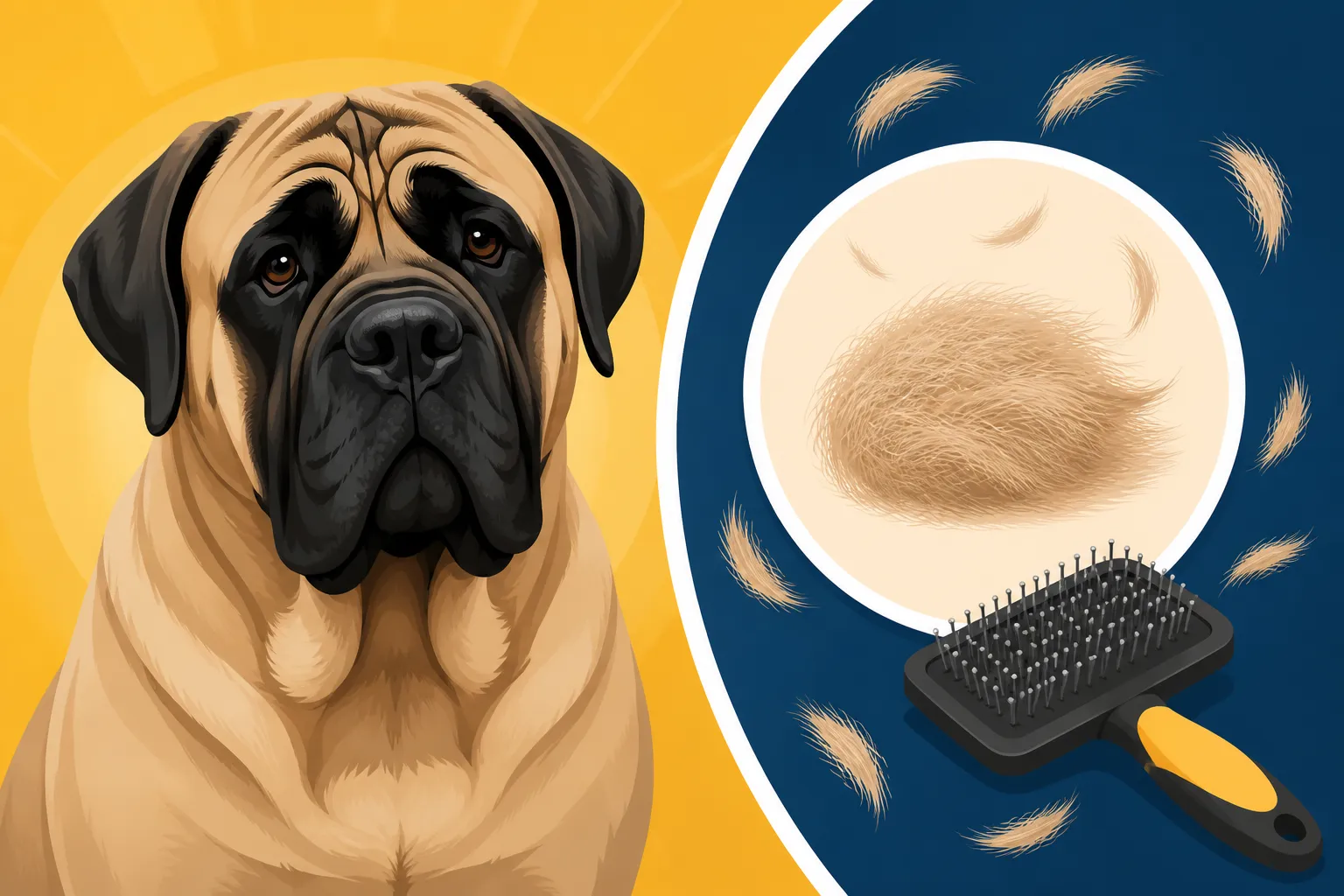
When it comes to tools, you'll want a few options. A rubber curry brush, like the Kong ZoomGroom, is excellent for everyday use. It's gentle on the skin, massages your dog, and helps lift loose hair from the undercoat. For heavier shedding, a deshedding tool like a Furminator (used carefully and sparingly to avoid coat damage) or a quality slicker brush designed for short coats can be very effective at getting into that dense undercoat. Always brush in the direction of hair growth, working in small sections. Start from the head and work your way down their body, paying close attention to their sides, back, and hindquarters, where shedding is often heaviest. Make brushing a positive experience with treats and praise, and your Mastiff will learn to enjoy this bonding time. For more specific advice, you might want to read Which Brush Suits a Mastiff's Coat.
Bathing for Shedding Control
While brushing is king, strategic bathing can also help. A good bath can loosen and remove a lot of dead hair, especially if followed by a thorough blow-dry (if your Mastiff tolerates it). During peak shedding times, a bath every 4-6 weeks might be beneficial. However, avoid over-bathing, as this can strip natural oils and dry out your Mastiff's skin, potentially leading to more shedding or skin issues.
Look for deshedding shampoos and conditioners specifically formulated to help release undercoat. These products often contain ingredients that help lubricate the hair, making it easier for dead strands to be rinsed away. After shampooing, apply conditioner and let it sit for a few minutes before rinsing thoroughly. While drying, you can use a high-velocity pet dryer (if your dog is comfortable with it) to blast out loose hair. This step alone can remove an astonishing amount of fur. The challenge, of course, is bathing a dog of this size. You'll likely need a walk-in shower or bathtub, or even consider professional groomers with large tubs. If you're thinking of tackling it yourself, check out tips on Washing a Mastiff Outdoors Without a Fight. It's also worth noting Which Shampoo Suits a Mastiff's Skin to avoid irritation.
Diet and Supplements for Coat Health
A healthy coat starts from within. Feeding your Mastiff a high-quality, balanced diet is crucial for overall skin and coat health, which in turn can influence shedding. Look for foods with good protein sources and healthy fats. Some owners find that incorporating fresh food options, like those offered by services such as Ollie, can lead to a shinier coat and potentially reduced shedding, though individual results vary. Always check with your vet before making significant dietary changes.
Omega-3 and Omega-6 fatty acid supplements, particularly fish oil, are well-known for their benefits to skin and coat health. These essential fatty acids help keep the skin hydrated and the hair follicles strong, which can reduce excessive or unhealthy shedding. Many Mastiff owners add a daily dose of fish oil to their dog's food. You can find high-quality fish oil supplements at pet stores or online retailers like Chewy. Always ensure you're giving the correct dosage for your Mastiff's size, and consult your veterinarian before adding any supplements to their diet. Supplements like fish oil are a small cost compared to other Mastiff expenses, but you can learn more about What Fish Oil Costs a Mastiff Owner.
Keeping Your Home (Relatively) Hair-Free
Even with diligent grooming, a Mastiff will still leave hair around the house. The goal isn't necessarily a completely hair-free home – that's often an impossible dream with a giant breed – but rather to manage the shedding so it doesn't overwhelm your living space.
Vacuuming and Cleaning Strategies
Your vacuum cleaner is about to become your best friend. For a Mastiff household, a powerful vacuum designed for pet hair is a non-negotiable item. Look for models with strong suction, good filtration (HEPA filters are a bonus), and specialized attachments for upholstery. You'll likely need to vacuum daily, or at least every other day, to stay on top of the shedding. Robot vacuums can be a great supplementary tool for daily maintenance, picking up surface hair before it gets trodden in, but you'll still need a more powerful upright or canister vacuum for deeper cleans.
Beyond vacuuming, keep lint rollers handy in strategic locations: near the front door, by your sofa, and in your car. Microfiber cloths are excellent for wiping down hard surfaces as they attract and hold hair rather than just pushing it around. A damp mop on hard floors will also pick up a surprising amount of fine hair. Remember that Mastiff hair loves to cling to static, so consider antistatic sprays for furniture or using a dryer sheet on fabric surfaces before vacuuming.
Furniture Covers and Protective Measures
If you cherish your furniture, investing in washable slipcovers or throws is a smart move. Choose durable fabrics that can withstand frequent washing and that hair doesn't cling to excessively. Many online retailers like Amazon and Chewy offer a wide range of pet-friendly furniture covers in various styles and materials. These can be easily removed, shaken out outdoors, and tossed in the washing machine, saving your actual furniture from becoming a furry tapestry.
Accept that dog hair will be a part of your life. Instead of fighting every single strand, create designated dog zones with comfortable, washable beds or blankets. These areas can help contain some of the shedding. Think about the surfaces your Mastiff spends the most time on. If they love the sofa, a dedicated cover is essential. If they have their own giant orthopedic bed, that's where much of the shed hair will collect. Speaking of beds, Mastiffs go through them quickly; you might be interested in How Often a Mastiff Flattens a Bed or Whether a Mastiff Needs a Bed in Every Room. Also, don't underestimate how many towels you'll go through; check out How Many Towels a Mastiff Household Retires Each Year for a realistic picture.
| Shedding Tool Category | Description & Mastiff Suitability | Frequency of Use | Benefits for Mastiffs |
|---|---|---|---|
| Rubber Curry Brush | Gentle rubber nubs, excellent for lifting loose hair and massaging skin. Ideal for short, dense coats. | Daily to every other day | Stimulates circulation, removes surface and loose undercoat, pleasant for dog. |
| Slicker Brush | Fine wire bristles. Good for deeper undercoat removal, but use gently on short coats. | 2-3 times per week, or as needed | Gets deeper into the undercoat to pull out dead hair, adds shine. |
| Deshedding Tool | (e.g., Furminator) Designed to reach deep into the undercoat and remove large amounts of loose hair. | Once every 1-2 weeks, sparingly | Highly effective at removing large volumes of undercoat during seasonal sheds. Use with caution to avoid skin irritation. |
| Grooming Glove | Fabric glove with rubber nubs on the palm. Great for a quick daily rub down. | Daily | Easy to use, good for bonding, effective for light surface shedding. |
| Vacuum Cleaner | Pet-specific models with strong suction and specialized attachments. | Daily | Removes hair from carpets, upholstery, and hard floors effectively. |
| Lint Rollers | Sticky rollers. | As needed | Quick cleanup for clothing, small furniture areas. |
When Shedding Might Signal a Problem
While shedding is a normal part of life with a Mastiff, there are times when changes in their coat or excessive hair loss can indicate an underlying health issue. It's important to recognize the difference between normal shedding and a cause for concern.
Excessive Shedding vs. Normal Shedding
Normal shedding, even heavy seasonal shedding, usually results in an even distribution of hair loss across the body, with new hair growing in to replace it. The skin underneath should look healthy, not red, irritated, or flaky. The coat, while shedding, should still retain some of its natural luster.
However, if you notice patches of baldness, thinning hair in specific areas, a dull or brittle coat texture, or if your Mastiff is scratching or licking excessively, it's time to pay closer attention. Any sudden increase in shedding that isn't tied to a seasonal change, or shedding that doesn't seem to stop even with consistent grooming, warrants investigation. A healthy coat is a good indicator of overall health, and changes can often be the first visible sign that something is amiss internally.
Health Issues Linked to Hair Loss
Numerous health conditions can manifest as excessive or abnormal hair loss in dogs, including Mastiffs. External parasites like fleas, ticks, and mites (such as those causing mange) are common culprits. Their bites can cause intense itching, leading to scratching and secondary skin infections that result in hair loss. Allergies, whether to food, environmental factors (pollen, dust mites), or even certain grooming products, can also cause skin irritation and subsequent shedding.
Internal conditions like hypothyroidism (an underactive thyroid gland) are another common cause of poor coat quality and excessive shedding. Hormonal imbalances can disrupt the hair growth cycle, leading to a dull, dry coat and symmetrical hair loss, often on the flanks. Nutritional deficiencies, especially a lack of essential fatty acids, can also contribute to a lackluster coat and increased shedding. If you notice any unusual changes in your Mastiff's coat, accompanied by other symptoms like lethargy, weight changes, or behavioral shifts, it's crucial to consult your veterinarian promptly. For more information on one specific condition, you might want to read about Hypothyroidism in a Mastiff.
Disclaimer
This article is for general informational purposes only and does not constitute professional advice. Laws, prices and regulations vary by location and change over time. Consult a qualified professional for guidance on your specific situation.