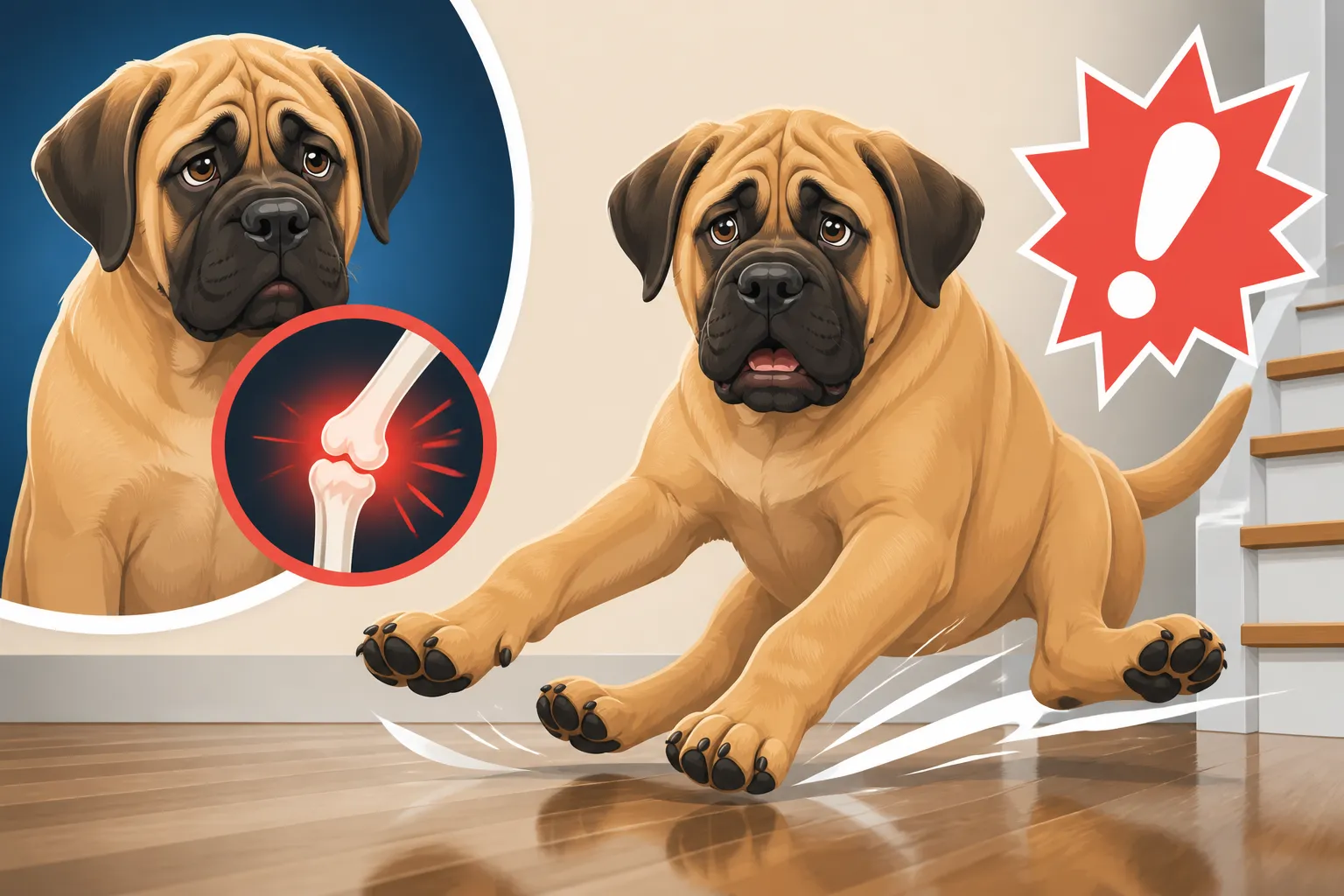
Whether a Young Mastiff Can Injure Itself Slipping
It’s a heart-stopping moment for any Mastiff owner: you watch your beloved giant puppy, all gangly limbs and growing bulk, lose its footing on a smooth floor and take an awkward tumble. The sheer size of these dogs, even as youngsters, means that what might be a minor slip for a smaller breed can translate into a serious injury for a growing Mastiff. This guide will walk you through why young Mastiffs are so susceptible to slipping injuries, what dangers they face, and most importantly, how to create a safer environment for them to thrive without unnecessary risk.
The Unique Vulnerabilities of a Growing Mastiff
When you bring home a Mastiff puppy, you're not just getting a dog; you're getting a magnificent creature undergoing an incredible, rapid transformation. This period of intense growth, while awe-inspiring, also presents unique physical vulnerabilities that make them more prone to injury from something as seemingly innocuous as a slip.
Rapid Growth and Developing Joints
Imagine a skyscraper being built at lightning speed. That's essentially what's happening inside your Mastiff puppy. They gain an astonishing amount of weight and height in a very short period, often doubling in size in a matter of months. This rapid expansion puts tremendous stress on their still-developing skeletal system. Their bones are growing quickly, and crucial growth plates, which are areas of cartilage at the ends of long bones where new bone tissue is formed, are still open and soft. These growth plates are incredibly vulnerable to trauma. A sudden jolt or twisting motion from a slip can damage these delicate areas, potentially leading to lifelong orthopedic issues. It's not just about the bones getting longer; it's about all the surrounding structures – ligaments, tendons, and muscles – trying to keep pace and stabilize this rapidly expanding framework.
Because their joints aren't fully mature and robust until they're much older, sometimes up to two years or more, any undue stress or impact during a fall can have lasting consequences. For instance, a forceful landing could easily contribute to conditions like Elbow Dysplasia Affects One Mastiff in Seven or exacerbate predispositions to hip problems, issues that Mastiff owners already worry about constantly. Their bodies are literally a work in progress, and we have to protect that work.
Disproportionate Weight and Coordination Challenges
Even a young Mastiff puppy, still very much a baby in canine terms, carries a significant amount of weight. They're often large, hefty, and sometimes a little bit clumsy as they navigate their growing bodies. Their paws can seem enormous, and their center of gravity is constantly shifting as they sprout upwards and outwards. This inherent lack of precise coordination, combined with their substantial mass, creates a recipe for potential disaster on slippery surfaces.
Think of it: a Mastiff puppy might weigh as much as an adult Labrador Retriever, but with the coordination of a much younger, still developing dog. When they slip, that considerable weight comes down with force, often leading to awkward splaying of limbs that can hyperextend joints or strain muscles. They don't have the nimble agility of a smaller breed to quickly correct a misstep. They move with a deliberate, sometimes lumbering gait, which can be thrown off balance very easily. It’s not just about preventing a fall; it’s about understanding the mechanics of their large, still-forming bodies and how easily they can be put at risk. How Fast a Mastiff Puppy Puts On Weight is truly remarkable, and this rapid increase in mass directly impacts their stability.
Common Injuries from Slipping in Young Mastiffs
It's natural to panic a little when your giant puppy takes a spill. Understanding the types of injuries they are most susceptible to can help you know what to look for and when to act. These aren't just minor bumps and bruises; the sheer force involved can lead to significant problems.
Soft Tissue Strains and Sprains
One of the most common consequences of a Mastiff puppy slipping is a soft tissue injury. This includes muscle strains, where muscle fibers are stretched or torn, and ligament sprains, which involve damage to the tough bands of tissue that connect bones at a joint. Because a Mastiff's weight is so immense, even a simple slip can cause a sudden, forceful twisting or overextension of a limb. This often affects the carpus (wrist), hock (ankle), shoulder, and, of course, the ever-vulnerable hips.
You might notice your puppy favoring a leg, a subtle limp that seems to come and go, or even outright lameness. Swelling around a joint, pain when touched, or reluctance to put weight on a limb are all red flags. These injuries, even if they seem minor at first, can become chronic issues if not properly addressed, especially in a breed predisposed to joint problems. It's a cruel irony that the very thing meant to support their impressive size can be so easily compromised.
Growth Plate Damage and Long-Term Consequences
This is perhaps one of the most serious risks for a growing Mastiff. As mentioned, growth plates are the soft, cartilaginous areas at the ends of long bones in puppies and adolescents. They are responsible for bone lengthening. These areas don't fully close and harden until a Mastiff is often 18-24 months old, sometimes even later depending on the individual. A slip and subsequent awkward fall can cause a fracture through these growth plates. Because the cartilage is softer than bone, it’s more likely to break or be damaged.
Damage to a growth plate can interrupt the normal bone growth process, leading to deformities, limb length discrepancies, or long-term lameness. It can also significantly increase the risk for developmental orthopedic diseases. For example, a growth plate injury in the hip or elbow can contribute to Why a Mastiff's Hips Fail Under Its Own Weight or elbow dysplasia down the line. Unlike a simple bone fracture, growth plate injuries can be complex because they affect the future development of the bone. This is why vigilance in preventing slips during their crucial growth period is paramount. The Shifting Lameness of a Growing Mastiff can sometimes be a subtle sign of an underlying issue, and a fall could certainly contribute to these kinds of symptoms.
Impact Injuries and Bruising
Beyond strains and growth plate damage, a hard fall can result in significant impact injuries. While a Mastiff's sheer bulk provides some cushioning, their heavy bodies landing on a hard surface can cause severe bruising, muscle contusions, or, in more extreme cases, actual fractures. Imagine a two hundred pound puppy suddenly hitting the ground; the force is considerable.
Less visible, but equally concerning, are potential internal injuries. A strong impact could cause soft tissue damage that isn't immediately apparent. Even something like a concussion could occur if they hit their head. While a broken bone is usually obvious, deep bruising or internal trauma might only present with subtle signs like lethargy, a loss of appetite, or a general reluctance to move. It’s always best to err on the side of caution. If your Mastiff puppy takes a particularly nasty spill, a thorough vet check is never a bad idea, even if they seem to bounce back quickly.
Preventing Slips and Promoting Safe Movement
The good news is that many slipping injuries are preventable with a few thoughtful adjustments to your home environment and your Mastiff's routine. It's about proactive care and understanding the unique needs of these magnificent giants.
Ensuring Optimal Floor Traction
This is probably the single most impactful change you can make. Bare hardwood, tile, or laminate floors are beautiful, but they are an absolute hazard for a growing Mastiff. Their large, heavy bodies struggle to gain purchase on slick surfaces, leading to constant minor slips that can strain joints over time, or one major fall that causes acute injury. It's a well-known fact that What Bare Floors Do to a Growing Mastiff is detrimental to their skeletal development.
The solution is to carpet your home as much as possible, or at least strategically place non-slip rugs and runners in all high-traffic areas. Think about where your Mastiff walks, stands, and rests most often. Their path from their bed to the kitchen, to the door, or to their favorite sunny spot should be covered. Staircases are particularly dangerous; consider blocking access or installing non-slip treads. You can find excellent, durable floor runners on Amazon that can be cut to size, or large, washable rugs at retailers like Chewy to cover bigger expanses. The goal is to provide consistent, reliable traction underfoot, allowing them to move with confidence and stability.
| Flooring Type | Slip Risk for Mastiffs | Traction Level | Best Use for Mastiffs |
|---|---|---|---|
| Hardwood/Tile/Lamin | High | Low | Avoid or cover completely |
| Wall-to-Wall Carpet | Low | High | Ideal for main living areas, bedrooms |
| Area Rugs/Runners | Medium (if non-slip) | Medium-High | Strategic placement in high-traffic zones, secured |
| Vinyl/Linoleum | Medium | Medium | Better than tile, but still benefits from runners |
| Concrete (sealed) | High | Low | Often outdoors, ensure non-slip treatment or matting |
Controlled Exercise and Development
While it might be tempting to let your energetic Mastiff puppy run wild, moderation is key during their growth phase. Excessive or uncontrolled exercise, especially on unsuitable surfaces, dramatically increases the risk of injury. Their soft growth plates and developing ligaments aren't designed for high-impact activities like jumping, long runs, or intense dog park play. Why a Mastiff Puppy Must Not Be Exercised Hard is a crucial piece of advice often overlooked.
Instead, focus on short, frequent, low-impact walks on soft surfaces like grass or dirt paths. Structured playtime that involves mental stimulation and gentle movement, rather than explosive bursts of speed, is far better. Swimming can be an excellent form of exercise as it's non-weight bearing, but always ensure safety and supervise closely. The focus should be on building muscle mass and coordination gradually, without stressing vulnerable joints. Talk to your vet about appropriate exercise routines and growth expectations. Remember, The Walk Length That Damages a Mastiff Puppy is often less than you think for such a large breed.
Nail Trimming and Paw Pad Care
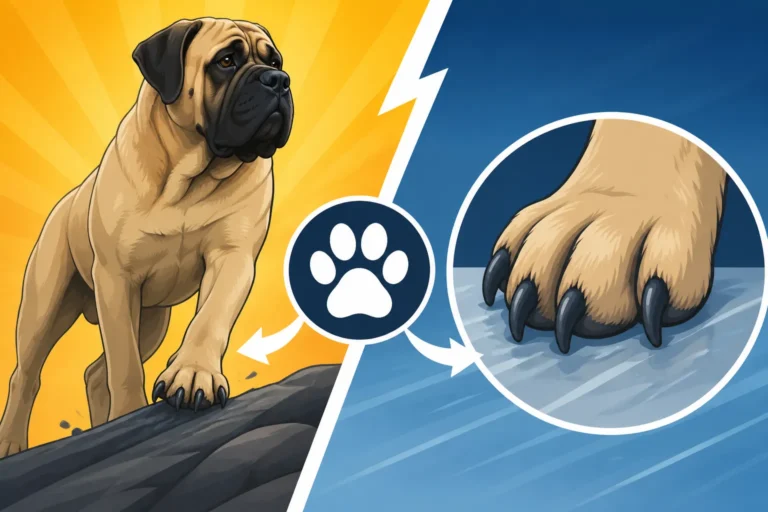
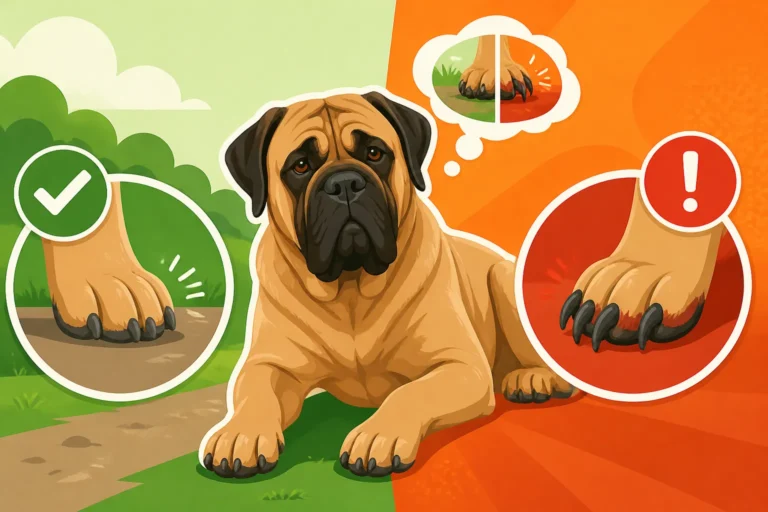
It might seem like a small detail, but the condition of your Mastiff's nails and paw pads plays a significant role in their ability to grip surfaces. Overgrown nails are like wearing high heels; they push the paw pads up, reducing the amount of surface area that can make contact with the ground. This drastically diminishes traction, making slips far more likely. Whether a Mastiff's Nails Affect Its Traction is a definite yes.
Regular, consistent nail trims are essential. You should aim to trim them frequently enough that they don't click on hard floors. If the thought of trimming those formidable nails is daunting, consider investing in a Dremel tool or seeking professional grooming help. Additionally, keeping their paw pads healthy and moisturized can prevent cracking and improve grip. Products like paw balms (available on Amazon or Chewy) can help keep pads supple. For very slippery paws, some owners even use anti-slip socks or paw grips, though these require patience for a Mastiff to get used to.
Nutritional Support for Joint Health
The right nutrition is foundational for healthy bone and joint development in a growing Mastiff. Overfeeding a puppy, especially with a diet too high in protein or calcium, can lead to accelerated growth, which in turn can exacerbate joint problems. This is why Restraining the Growth of a Mastiff Puppy through carefully managed nutrition is so important.
Always opt for a high-quality large or giant breed puppy formula specifically designed to support slow, steady growth. These foods typically have carefully controlled calcium and phosphorus levels. The Protein and Calcium Ceiling for a Mastiff Puppy is something your breeder or veterinarian can advise you on, but generally, you want to avoid puppy foods marketed for "all sizes" or those with excessively high protein. While some owners consider joint supplements early on, always consult your veterinarian before adding anything to your puppy's diet. They can help you determine if supplements like glucosamine and chondroitin are appropriate for your individual Mastiff’s needs, and reputable brands can be found at stores like Chewy or specialized providers like Ollie.
What to Do If Your Young Mastiff Slips
Even with the best preventative measures, accidents can happen. Knowing how to react calmly and effectively if your young Mastiff takes a tumble can make a big difference in the outcome.
Immediate Assessment and First Steps
If your Mastiff puppy slips and falls, your immediate reaction should be to remain calm. Panicking won't help your dog, and your anxiety can transfer to them. Gently approach your puppy and assess the situation from a distance first. Look for obvious signs of distress, limping, or vocalization. Does your puppy immediately try to get up, or are they hesitant?
Once you've made a quick visual assessment, speak to them in a soothing voice. If they can move, encourage them to slowly get up. Observe their gait for any favoring of a limb. If they are unable or unwilling to move, do not force them. Instead, gently examine their body, paying close attention to their legs, hips, and spine. Feel for any swelling, warmth, or signs of pain when you gently palpate their limbs. Even subtle changes in behavior like licking a specific area, reluctance to bear weight, or a change in how they sit or lie down can indicate a problem. Always prioritize getting them to a safe, comfortable spot, ideally on a soft surface, for further observation.
When to Seek Veterinary Attention
It's better to be safe than sorry, especially with a growing Mastiff. If you observe any of the following signs after a slip, it’s time to call your veterinarian immediately:
- Obvious lameness or inability to bear weight: If your Mastiff can't put weight on a leg or is clearly limping severely.
- Swelling or visible deformity: Any new swelling, bruising, or an abnormal angle to a limb.
- Persistent pain or vocalization: Crying, yelping, or flinching when touched, or showing signs of being in pain for more than a few minutes.
- Lethargy or changes in appetite: If your puppy becomes unusually quiet, withdrawn, or refuses to eat after the fall.
- Reluctance to move: If they seem stiff, unwilling to get up, or struggle with movements they normally perform easily.
- Any concerns about head or spinal injury: If they hit their head, seem disoriented, or are unable to coordinate their movements.
Don't wait to see if it "gets better." Early intervention can prevent minor injuries from becoming major, chronic problems, especially when growth plates are involved. Explain exactly what happened, when, and what symptoms you've observed. Your vet can advise you on the best course of action, which might include imaging like X-rays to check for fractures or growth plate damage. Remember, The Age a Mastiff Is Certified by OFA often comes long after growth plate injuries can occur, so proactive care and prompt vet attention are crucial throughout their younger years.
Disclaimer
This article is for general informational purposes only and does not constitute professional advice. Laws, prices and regulations vary by location and change over time. Consult a qualified professional for guidance on your specific situation.