Which Shampoo Suits a Mastiff’s Skin
Finding the right shampoo for your beloved Mastiff can feel like a never-ending quest, especially when you're faced with their sheer size, their unique skin folds, and often, surprisingly sensitive skin. It’s not just about getting them clean; it’s about protecting their delicate skin barrier, preventing irritation, and managing those distinctive smells that come with being a giant breed. This guide will walk you through everything you need to know to choose the perfect shampoo that will keep your Mastiff's coat healthy and their skin happy, tackling those frustrations head-on.
Understanding Your Mastiff's Unique Skin and Coat Needs
Your Mastiff isn't just a big dog; they have specific dermatological characteristics that make them different from many other breeds. Ignoring these can lead to a host of skin issues, turning a simple bath into a stressful event for both of you.
The Mastiff's Skin: More Than Meets the Eye
Beneath that short, seemingly low-maintenance coat lies a world of potential skin sensitivities. Mastiffs, like many large breeds, can have skin that's prone to dryness, allergies, and bacterial or yeast infections, especially in their characteristic folds. These wrinkles around their muzzle, neck, and sometimes tail are charming, but they can also be incubators for moisture, dirt, and bacteria if not cleaned properly. The skin in these areas is often thinner and more delicate, making it particularly susceptible to irritation from harsh chemicals found in many commercial shampoos. You might find yourself cleaning these folds several times a week, a task that becomes much harder if the skin is already inflamed.
The sheer surface area of a Mastiff's skin also means that any irritant in their shampoo is spread over a vast expanse, potentially causing a widespread reaction. It's not uncommon for a Mastiff to develop a rash or excessive itching after using a product that wouldn't bother a smaller, less sensitive dog. Their skin barrier can be compromised by environmental factors or even diet, making them more vulnerable. Understanding this inherent sensitivity is the first step toward choosing a shampoo that will genuinely benefit them.
The Mastiff's Coat: Short But Demanding
While a Mastiff's short coat might seem like a blessing compared to a long-haired breed, it doesn't mean it's maintenance-free. Their dense double coat sheds year-round, and the skin beneath produces oils that contribute to that characteristic "doggy smell" if not managed. A good shampoo needs to effectively clean these oils without stripping the skin of its natural moisture, which can lead to dryness and further irritation.
Furthermore, a healthy coat is a reflection of healthy skin. If the skin is dry, irritated, or infected, the coat will often look dull, feel rough, and shed excessively. A short coat also offers less physical protection to the skin from environmental allergens or irritants, meaning what touches the fur often quickly reaches the skin. The right shampoo can help maintain the natural balance of skin oils, minimize shedding, and keep their coat looking its best, making those regular brushing sessions more effective too.
Common Mastiff Skin Issues and How Shampoo Can Help
Many Mastiff owners grapple with various skin issues, and understanding how shampoo fits into the management plan is crucial. It’s not always about a magic cure, but about supportive care and targeted treatment.
Allergies and Irritations
Mastiffs can be prone to allergies, much like humans, and these can manifest as itchy, red, or inflamed skin. Environmental allergens like pollen, dust mites, or certain grasses can trigger reactions, as can food sensitivities. When your Mastiff is constantly scratching, licking, or rubbing against furniture, it's a clear sign their skin is irritated. In these cases, the goal of shampooing isn't just to clean, but to soothe and remove allergens from the coat and skin.
For general allergies and irritations, a hypoallergenic, soap-free shampoo is often the first line of defense. These gentle formulas avoid common irritants and focus on calming the skin. Look for ingredients like colloidal oatmeal or aloe vera, which are known for their soothing properties. Regular bathing with such a shampoo can help wash away pollen and other surface allergens, reducing the immediate itch and discomfort. Remember, while shampoo can offer relief, addressing the underlying cause of the allergy, perhaps through dietary changes or environmental control, is equally important. Whether a Mastiff Gets Skin Allergies goes into more detail on this topic.
Skin Fold Dermatitis and Yeast Infections
Those adorable wrinkles that give Mastiffs their distinctive look can also be a breeding ground for problems. Skin fold dermatitis, often caused by bacteria or yeast (Malassezia), is a common and incredibly frustrating issue. Moisture gets trapped in the folds, especially around the muzzle, neck, and sometimes even a deep tail pocket, creating a warm, dark environment perfect for microbial overgrowth. This leads to redness, itching, a foul odor, and sometimes even open sores. You might notice your Mastiff rubbing their face on carpets or showing discomfort when you try to touch their folds. The Wrinkles and Folds a Mastiff Owner Cleans Every Week discusses the cleaning routine needed to prevent these issues.
For these specific issues, a medicated shampoo with antifungal and/or antibacterial properties is often necessary. Ingredients like chlorhexidine or miconazole are commonly found in these therapeutic shampoos. They help to kill the yeast and bacteria causing the infection, providing much-needed relief and promoting healing. It's vital to follow the instructions for medicated shampoos carefully, often requiring a specific contact time on the skin before rinsing, to allow the active ingredients to work. Your veterinarian will be your best resource in diagnosing these infections and prescribing the appropriate medicated shampoo.
Dry, Flaky Skin
Just like humans, Mastiffs can suffer from dry, flaky skin, especially in arid climates or during colder months. This can be exacerbated by over-bathing with harsh shampoos that strip natural oils. You might notice small flakes in their coat, or feel a dryness to their skin when you scratch them. Itching can also be a symptom, as dry skin often feels tight and uncomfortable.
For dry, flaky skin, the focus shifts to moisturizing shampoos. These formulas are designed to hydrate the skin and restore its natural barrier. Look for ingredients such as lanolin, essential fatty acids, and humectants that draw moisture to the skin. Some shampoos might also contain emollients like ceramides or natural oils such as coconut or shea butter, which help to lock in moisture. When using a moisturizing shampoo, ensure you rinse thoroughly, but avoid excessive scrubbing that could further irritate already dry skin. Combining this with a diet rich in omega fatty acids can also work wonders from the inside out.
Key Ingredients to Look For (and Avoid) in a Mastiff Shampoo
Navigating the ingredient list on a shampoo bottle can feel like reading a foreign language. But for a Mastiff, knowing what to look for—and what to absolutely avoid—is paramount to their skin health.
Beneficial Ingredients for Sensitive Skin
When your Mastiff has sensitive skin, or you simply want to ensure you're using the gentlest product possible, certain ingredients stand out as beneficial. Colloidal oatmeal is a superstar here, renowned for its soothing and anti-itch properties. It forms a protective barrier on the skin, helping to relieve irritation and lock in moisture. Aloe vera is another fantastic natural ingredient, offering cooling and anti-inflammatory benefits that can calm red, irritated skin. Many gentle shampoos you find on sites like Chewy or Amazon will highlight these ingredients.
Other helpful additions include ceramides, which are lipids that help restore the skin's natural barrier, and essential fatty acids like Omega-3 and Omega-6, which contribute to skin health and coat luster. Glycerin, a humectant, helps draw moisture to the skin, preventing dryness. Natural oils such as coconut oil or jojoba oil can also provide gentle moisturization without feeling greasy. When selecting a shampoo, prioritize formulas that feature these ingredients prominently and are labeled as "hypoallergenic" or "for sensitive skin."
Ingredients to Steer Clear Of
Just as important as knowing what to look for is knowing what to avoid. Many common shampoo ingredients can be harsh and irritating, especially for a Mastiff's sensitive skin. Sulfates, like Sodium Lauryl Sulfate (SLS) and Sodium Laureth Sulfate (SLES), are powerful detergents that create a rich lather but can strip the skin of its natural oils, leading to dryness and irritation. Always aim for "sulfate-free" options.
Artificial fragrances, while making the shampoo smell pleasant to us, are a common cause of skin allergies and irritation in dogs. Opt for fragrance-free or naturally scented shampoos. Dyes, often added for aesthetic appeal, serve no purpose for your dog and can also trigger reactions. Parabens, used as preservatives, are another ingredient many pet owners prefer to avoid due to potential health concerns, though more research is needed on their long-term effects in dogs. When reading labels, if you see a long list of unpronounceable chemicals or vague terms like "fragrance," it's often best to err on the side of caution and choose a simpler, more natural formula. Which Cancers Mastiffs Get sometimes prompts owners to be more careful about chemical exposure.
When to Consider Medicated Shampoos
Sometimes, a gentle, everyday shampoo simply isn't enough. If your Mastiff is battling a persistent skin infection, excessive flakiness, or a severe allergic reaction, your veterinarian might recommend a medicated shampoo. These aren't your typical bathing products; they contain active pharmaceutical ingredients designed to treat specific conditions.
Common medicated shampoos contain ingredients like chlorhexidine, an antiseptic effective against bacteria and some yeasts, or miconazole, an antifungal agent. For parasitic issues like fleas or mites, certain prescription shampoos might include insecticides or acaricides. It's crucial to use medicated shampoos exactly as directed by your vet, including specific contact times, which can be longer than standard shampoos. These aren't meant for routine bathing once the condition is resolved but are powerful tools for addressing specific dermatological problems. Always consult your vet before using a medicated shampoo to ensure you're treating the right issue with the correct product.
Different Types of Shampoos for Mastiffs and Their Uses
The pet shampoo aisle can be overwhelming with all its options. Let’s break down the categories that are most relevant to Mastiff owners.
Hypoallergenic and Sensitive Skin Shampoos
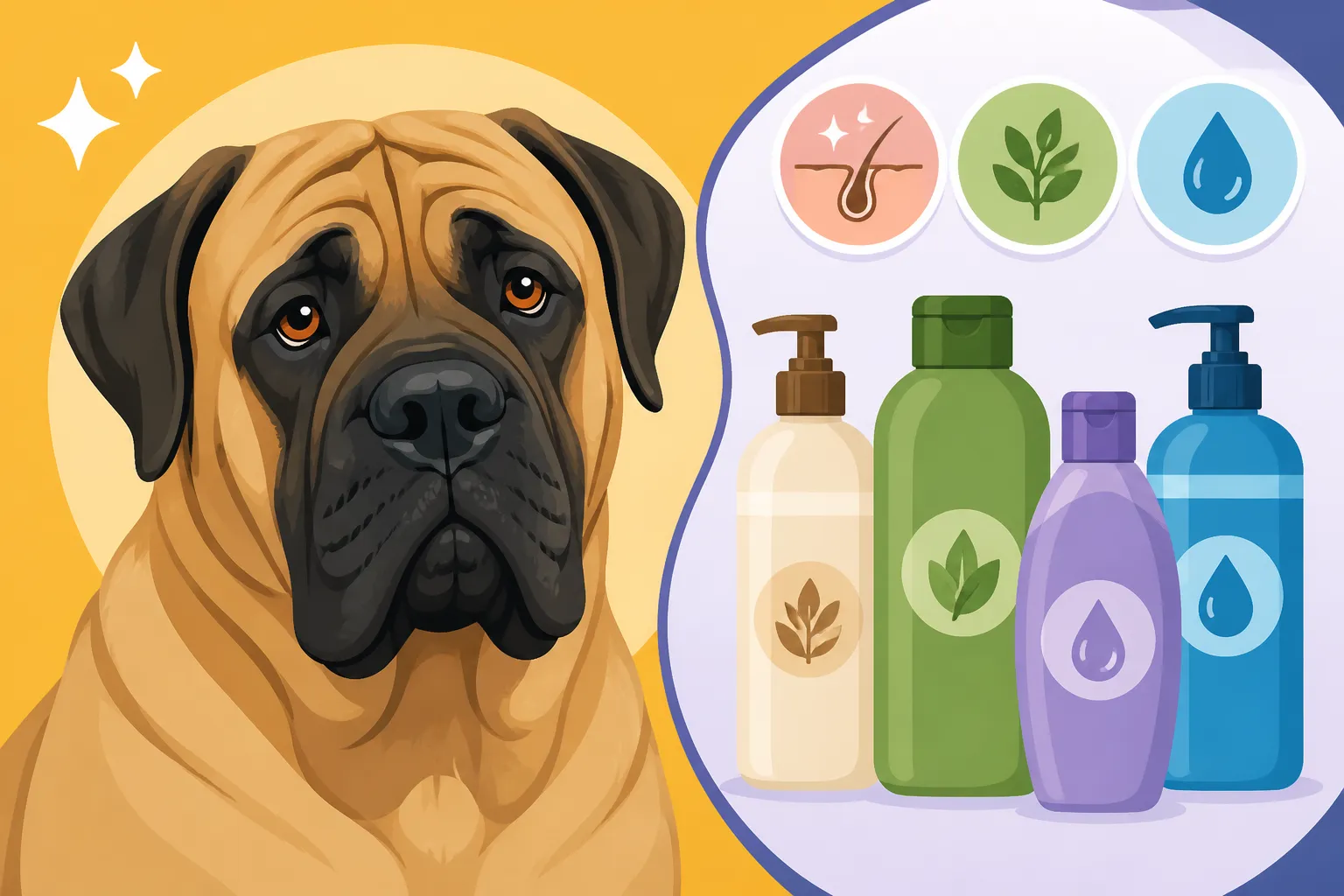
These are your go-to for general bathing, especially if your Mastiff has a history of skin sensitivities or allergies. Hypoallergenic shampoos are formulated to minimize the risk of allergic reactions by excluding common irritants like dyes, perfumes, and harsh chemicals. They often contain soothing ingredients like colloidal oatmeal, aloe vera, and gentle cleansers.
Using a sensitive skin shampoo regularly can help maintain your Mastiff's skin barrier, preventing irritation before it starts. They are perfect for removing environmental allergens after a walk and for routine cleanliness without stripping essential oils. Brands like Earthbath or those found on Chewy often have excellent sensitive skin lines that Mastiff owners rave about. Even if your Mastiff doesn't have obvious skin issues, choosing a gentle, hypoallergenic formula is a smart preventive measure for these large, sometimes delicate dogs.
Moisturizing Shampoos
If your Mastiff's skin tends to be dry, flaky, or itchy, a moisturizing shampoo can be a real game-changer. These shampoos are packed with ingredients designed to hydrate the skin and restore its natural moisture balance. Look for formulas that include emollients like ceramides, lanolin, shea butter, or plant-based oils such as coconut, jojoba, or argan oil.
The goal of a moisturizing shampoo is not just to clean but to replenish lost moisture, leaving the skin supple and the coat soft and shiny. They can be particularly beneficial during dry winter months or in arid climates. Be sure to rinse thoroughly to avoid leaving any residue that could weigh down the coat or attract dirt. Some premium brands, including those found on Ollie's website, focus on natural, hydrating ingredients that can be great for maintaining skin health.
Deodorizing Shampoos
Let's be honest, Mastiffs can develop a certain "doggy odor," especially between baths or if their skin folds aren't meticulously cleaned. A deodorizing shampoo can help tackle this, but it's important to choose wisely. You don't want to just mask the smell with strong perfumes, as these can irritate sensitive skin.
Effective deodorizing shampoos work by neutralizing odors rather than just covering them up. They often contain ingredients like baking soda, charcoal, or specific enzymes that break down odor-causing molecules. While some will have light, natural scents, the primary focus should be on the odor-neutralizing properties. If your Mastiff has a persistent, strong odor, it's always worth checking with your vet to rule out an underlying skin infection, as a medicated shampoo might be needed instead of just a deodorizer.
Medicated Shampoos
As discussed earlier, medicated shampoos are specific treatments for active skin conditions such as bacterial infections, yeast overgrowth, or severe allergies. These shampoos typically contain active ingredients like chlorhexidine, miconazole, ketoconazole, or salicylic acid. They are potent and should only be used under the guidance of a veterinarian.
Your vet might prescribe a medicated shampoo if your Mastiff has skin fold dermatitis, pyoderma, ringworm, or severe seborrhea. The treatment protocol usually involves a specific frequency of bathing and contact time, allowing the active ingredients to penetrate the skin and do their work. It's crucial not to guess with medicated shampoos; improper use can delay healing or even exacerbate the problem. These aren't "everyday" shampoos and should be discontinued once the condition resolves, switching back to a gentle, maintenance formula. Whether a Mastiff's Fold Infection Needs Antibiotics often goes hand-in-hand with medicated shampoos.
Practical Tips for Bathing Your Giant Mastiff
Bathing a Mastiff is an event. They're big, they're heavy, and they're not always thrilled about getting wet. But with the right technique and attitude, it can be a smooth process. Washing a Mastiff Outdoors Without a Fight offers more specific tips for the logistical challenge of bathing a giant.
Pre-Bath Preparation
Before you even think about getting your Mastiff wet, preparation is key. First, gather all your supplies: your chosen shampoo, plenty of towels (you'll need more than you think!), a non-slip mat for the tub or wash area, a brush, and maybe some treats for positive reinforcement. Trying to grab something mid-bath with a wet, squirming Mastiff is a recipe for disaster.
Next, give your Mastiff a thorough brushing. This helps remove loose hair, dirt, and any mats (though mats are rare with their short coats, tangles can happen). Brushing also helps the shampoo penetrate their coat more effectively. If you're using a medicated shampoo, ensure you have read and understood the instructions regarding contact time. Finally, make sure the water temperature is comfortably lukewarm, not too hot or too cold, to make the experience as pleasant as possible for your big dog.
The Bathing Process Itself
Getting a Mastiff into a tub or shower can be a feat. A walk-in shower with a handheld sprayer is often ideal. If using a tub, ensure there’s a non-slip mat to prevent slips and falls, which can be dangerous for their joints. Start by thoroughly wetting their coat, working from their neck down to their tail and legs. Be careful around their eyes and inside their ears.
Apply the shampoo, starting at their neck and working your way back. Use generous amounts – remember, they’re a big dog! Lather gently, massaging the shampoo into their skin and coat. Pay special attention to their skin folds, gently opening them to clean out any trapped debris or moisture. If using a medicated shampoo, be mindful of the required contact time, perhaps using a timer. This might involve keeping them lathered for 5-10 minutes. During this time, gentle petting and calm reassurance can help them relax.
Post-Bath Care
The rinsing stage is arguably the most crucial part of bathing a Mastiff, especially one with sensitive skin. Any shampoo residue left behind can cause irritation, dryness, and itching. Rinse, rinse, and rinse again. Use your fingers to really get down to the skin, making sure all traces of shampoo are gone. Their dense coat can hold onto suds, so be patient and thorough.
Once rinsed, gently squeeze excess water from their coat. Then, grab those towels! Start toweling them off vigorously, trying to absorb as much water as possible. For their folds, gently pat them completely dry with a clean, soft cloth or cotton pads. Leaving moisture in the folds can lead to yeast or bacterial infections, so this step is critical. Whether a Mastiff's Folds Need Drying After Cleaning explains just how important this is. If your Mastiff tolerates it, a high-velocity dog dryer on a cool setting can dramatically speed up drying time, especially if they have a thick undercoat. Avoid heat settings, as this can overheat them.
Frequency of Bathing
How often you should bathe your Mastiff really depends on their lifestyle, skin condition, and the type of shampoo you're using. For a Mastiff with generally healthy skin, a bath every 4-8 weeks is often sufficient. Over-bathing, especially with harsh shampoos, can strip their skin of natural oils and lead to dryness and irritation.
However, if your Mastiff is prone to allergies, more frequent baths (perhaps every 2-4 weeks) with a gentle, hypoallergenic shampoo might be beneficial to wash away allergens. For active dogs who love to get dirty, occasional spot cleaning or more frequent but quick rinses might be needed. If your vet has prescribed a medicated shampoo for a specific skin issue, follow their instructions precisely regarding bathing frequency. Always observe your Mastiff's skin and coat; they'll tell you if your bathing routine is working for them. How Rarely a Mastiff Needs a Bath emphasizes that less is often more.
Shampoo Selection at a Glance
Here's a quick reference to help you choose the right shampoo for your Mastiff's needs:
| Shampoo Type | Best For | Key Ingredients to Look For | Key Ingredients to Avoid | Where to Find Examples |
|---|---|---|---|---|
| Hypoallergenic/Sensitive | General cleaning, allergy prevention, delicate skin | Colloidal oatmeal, aloe vera, glycerin, ceramides, gentle cleansers | Sulfates, artificial fragrances, dyes, parabens | Chewy, Amazon, Pet specialty stores |
| Moisturizing | Dry, flaky, itchy skin, dull coat | Lanolin, shea butter, coconut oil, jojoba oil, essential fatty acids | Harsh detergents, strong drying agents | Chewy, Ollie (some lines), online stores |
| Deodorizing | "Doggy odor," general freshening | Baking soda, charcoal, natural enzymes, mild natural scents | Strong artificial perfumes, harsh chemicals | Amazon, Pet supply stores |
| Medicated (Vet Prescribed) | Bacterial/yeast infections, severe allergies, specific skin conditions | Chlorhexidine, miconazole, ketoconazole, salicylic acid, benzoyl peroxide | (Follow vet instructions precisely) | Veterinary clinics, online pharmacies |
Choosing the right shampoo for your Mastiff is a crucial part of their overall care, impacting not just their appearance but their comfort and health. It takes a bit of investigation and understanding of their unique needs, but armed with this knowledge, you can confidently select products that truly benefit your gentle giant. Pay attention to their reactions, always prioritize gentle, natural ingredients over harsh chemicals, and don't hesitate to consult your veterinarian for persistent skin issues. Your Mastiff will thank you with happy, healthy wiggles and a shiny, clean coat!
Disclaimer
This article is for general informational purposes only and does not constitute professional advice. Laws, prices and regulations vary by location and change over time. Consult a qualified professional for guidance on your specific situation.