The Temperature at Which a Mastiff Should Stay Indoors
It's a common misconception that because Mastiffs are so incredibly large, they're somehow impervious to the weather. We often see them portrayed as rugged, stoic guardians, which they absolutely are in spirit, but their immense size and unique physiology actually make them incredibly vulnerable to temperature extremes, both hot and cold. This guide is dedicated to helping you understand exactly what temperatures are safe for your Mastiff indoors, and how to create a protective environment that keeps your beloved giant comfortable and healthy, no matter what the thermometer says outside.
The Urgent Need to Protect Your Mastiff from Temperature Extremes
Living with a Mastiff means becoming acutely aware of the environment around them. These magnificent dogs are not built for extreme weather, and overlooking this crucial fact can lead to serious health consequences. Their very size, which we love so much, becomes a challenge when temperatures fluctuate, making them prone to overheating in summer and needing extra care to stay warm in winter. It’s not about coddling them; it’s about understanding their biological realities and providing the protection they physically cannot provide for themselves.
Understanding the Mastiff's Unique Thermoregulation Challenges
Think about it: a Mastiff carries a huge amount of body mass. This bulk means they generate a lot of internal heat, and they have a relatively small surface area compared to their volume through which to dissipate that heat. Unlike smaller, leaner breeds, they don't have the same efficiency when it comes to cooling down. Their relatively short muzzle, while not as extreme as a true brachycephalic breed, still means their panting mechanism, which is a primary way dogs cool themselves, isn't as efficient as a dog with a longer snout.
On the flip side, their short coat, while dense, isn't designed for extreme cold like that of a Husky or a Newfoundland. They lack the thick undercoat that provides natural insulation. Add to this the fact that many Mastiffs are naturally inclined to lounge and conserve energy, meaning they might not move enough to generate warmth when it's chilly, yet can quickly become overheated with even moderate activity. This combination of factors places a significant burden on owners to manage their environment, especially their indoor living space, to mitigate these inherent challenges.
The Real-World Dangers of Ignoring Temperature Guidelines
Ignoring appropriate indoor temperature ranges isn't just about your Mastiff being a bit uncomfortable; it can quickly become a life-threatening situation. In hot weather, a Mastiff can go from slightly warm to full-blown heatstroke alarmingly fast, leading to organ damage, neurological issues, and even death. We often underestimate The Minutes a Mastiff Has in a Warm Car or how quickly they can succumb to heat even in a seemingly mild environment.
Conversely, exposure to excessive cold, particularly for older Mastiffs or puppies, can lead to hypothermia, frostbite, and exacerbate joint pain. Imagine the discomfort of an older Mastiff with arthritis trying to navigate cold, damp floors. The physical stress can significantly impact their quality of life and shorten their already precious years. This is why having a clear understanding of safe indoor temperatures is not just good practice, but a critical component of responsible Mastiff ownership. For more on their health as they age, consider reading Caring for a Mastiff Past Five.
Navigating the Heat: When It's Too Hot for Your Gentle Giant
Summer can be a beautiful time for humans, but for a Mastiff, it presents a significant health risk. Their massive bodies simply aren't designed to handle prolonged exposure to high temperatures, making them prime candidates for heat-related illnesses if precautions aren't taken.
Physiological Factors Making Mastiffs Heat-Intolerant
The sheer size of a Mastiff is their biggest enemy in the heat. Their large muscle mass and body fat content act like an internal furnace, generating a significant amount of heat. Unlike smaller breeds, they have a harder time radiating this heat away from their bodies. This is precisely Why Bulk Makes a Mastiff Overheat. While their muzzle isn't as severely foreshortened as a Pug's, it's still shorter than many other breeds, which means their panting – their primary method of evaporative cooling – is less efficient. Imagine trying to cool down a massive engine with a tiny fan; that's somewhat what your Mastiff is up against.
Furthermore, Mastiffs have a generally low activity tolerance in warm weather. Even a short walk on a humid day can be too much for them, quickly pushing their internal temperature into dangerous territory. Their deep chests, while magnificent, also contribute to their overall mass and heat retention. When humidity is high, the evaporative cooling effect of panting is drastically reduced, making even moderate temperatures feel stifling and dangerous for these giants. This is why Whether a Mastiff Should Walk at Midday is almost always a resounding "no" in warmer climates.
Identifying the Telltale Signs of Overheating
Recognizing the early signs of overheating is paramount. Time is of the essence when your Mastiff is getting too hot. Initially, you might notice excessive panting, often louder and more rapid than usual. Their gums might become a darker red, and their drool might be thicker and stickier. As overheating progresses, the signs become more severe: staggering, weakness, vomiting, diarrhea, and a glazed look in their eyes. Some Mastiffs might even collapse or experience seizures.
It’s crucial not to wait for these severe symptoms. If you notice persistent heavy panting even when resting, or if their gums appear unusually dark, it's time to act immediately. Feel their ears; if they feel hot to the touch, that’s another sign. Every minute counts. Knowing Signs a Mastiff Is Overheating could literally save your dog's life.
Recommended Indoor Temperatures and Prevention Strategies
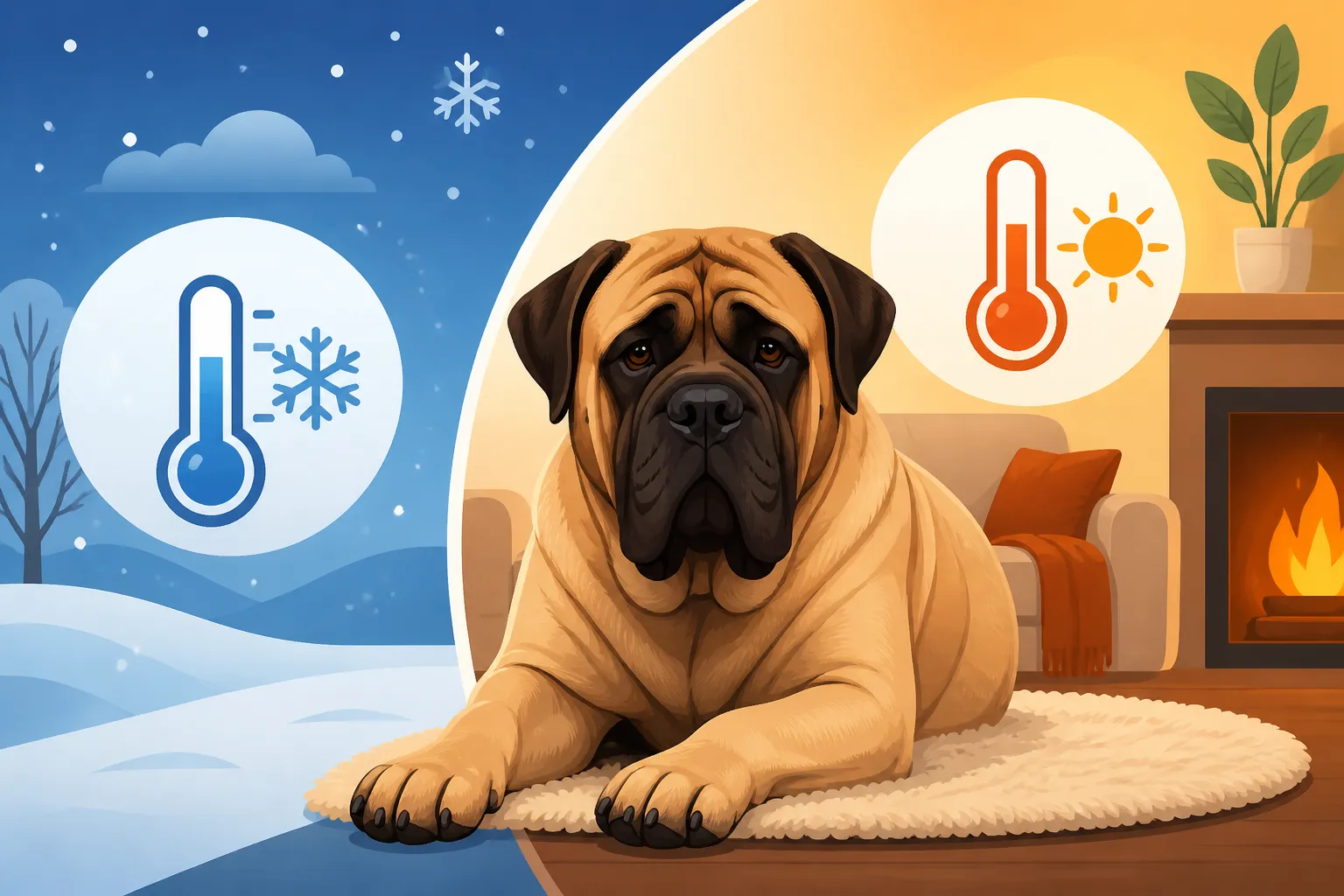
Ideally, your indoor temperature for a Mastiff should be kept comfortably cool, generally between 70-75°F (21-24°C) during the warmer months. If your home goes above 80°F (27°C), it's really pushing the danger zone for a Mastiff, especially if there's any humidity. Consider it an urgent situation if your indoor temperature consistently exceeds this.
To prevent overheating:
- Air Conditioning is Non-Negotiable: If you live in a warm climate, air conditioning isn't a luxury; it's a necessity for a Mastiff. Ensure it's well-maintained and kept running.
- Strategic Fan Use: While fans don't cool the air, they can create a wind chill effect on your Mastiff's damp tongue and body as they pant. Position fans low to the ground where your Mastiff rests.
- Cooling Mats and Beds: Invest in pressure-activated cooling mats or elevated dog beds that allow air circulation underneath. Brands like The Green Pet Shop or K&H Pet Products, available on Chewy or Amazon, offer excellent options.
- Fresh, Cool Water: Always have multiple bowls of fresh, cool water available. Adding ice cubes can help keep the water colder longer.
- Limit Activity: During the hottest parts of the day, keep walks short and to a minimum, primarily for potty breaks. Avoid strenuous play.
- Cooling Gear: Which Cooling Gear Works on a Mastiff can include cooling vests (like those from Ruffwear) or bandanas, which use evaporative cooling. Be cautious with these, as they can sometimes trap heat if not properly moistened and ventilated.
- Consider a Cool Room: If you don't have central AC, designate the coolest room in your house (often a basement or a north-facing room) as your Mastiff's sanctuary.
Remember, a Mastiff cannot shed heat efficiently, so preventative measures are far more effective than trying to reverse a heatstroke once it has started.
Braving the Cold: Keeping Your Mastiff Warm and Safe
While heatstroke is often the primary concern for Mastiff owners, winter brings its own set of challenges. Despite their size, Mastiffs are not inherently cold-hardy and can suffer from exposure if not properly protected.
Why Even a Large Dog Can Get Chilly
It’s easy to look at a two-hundred-pound Mastiff and think, "Surely they're warm enough!" But that's a dangerous assumption. Whether a Mastiff Feels the Cold depends on several factors, and the answer is a definitive yes, they can. Their short, single coat, while thick, doesn't provide the same insulation as a double-coated breed. They lack the fluffy undercoat that traps warm air close to the body. This means that prolonged exposure to cold, especially wet or windy conditions, can quickly lower their core body temperature.
Older Mastiffs, those with health conditions like arthritis, hypothyroidism, or compromised immune systems, and very young puppies are even more susceptible to cold. Their ability to regulate body temperature might be diminished, or their bodies might be using more energy to fight illness, leaving less for staying warm. Even robust adult Mastiffs, if inactive for long periods in a cold environment, can become uncomfortably chilly and experience stiffness.
Recognizing When Your Mastiff is Too Cold
Just like with overheating, recognizing the signs of cold stress early is vital. Shivering is the most obvious sign. Your Mastiff might also hunch their back, tuck their tail, lift their paws off the cold ground, or seek shelter by curling up tightly or trying to burrow into blankets or your lap. Their ears or paws might feel unusually cold to the touch.
As hypothermia progresses, symptoms become more severe: lethargy, weakness, muscle stiffness, shallow breathing, and their gums might appear pale or bluish. They may become less responsive or disoriented. If you see these severe signs, it's an emergency, and you need to warm your Mastiff slowly and seek veterinary attention immediately.
Cold Weather Protocols and Indoor Comfort
For a Mastiff, a comfortable indoor temperature in winter typically ranges from 68-72°F (20-22°C). While they can tolerate slightly cooler temperatures than in summer, prolonged exposure to anything below 60°F (15°C) can start to cause discomfort and health issues, especially overnight or if they are elderly.
Here are ways to keep them cozy:
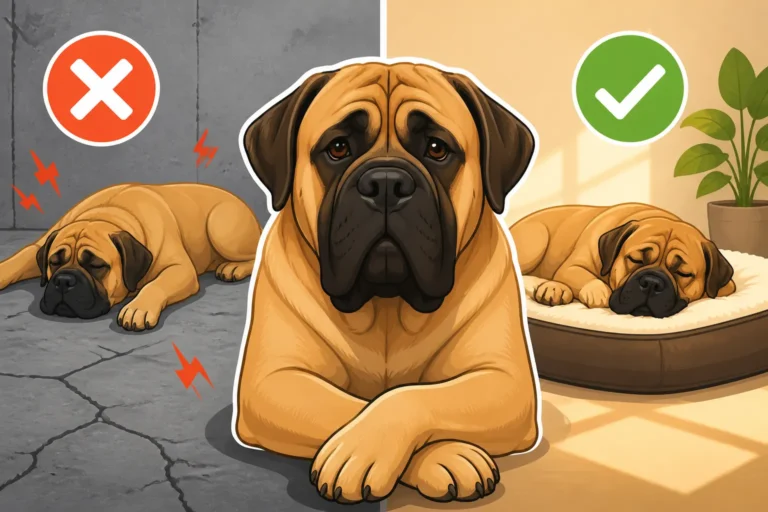
- Warm, Soft Bedding: Provide thick, orthopedic dog beds that elevate them off cold floors. Brands like Big Barker or Mammoth Dog Beds offer excellent support and insulation. You can find many options on Chewy or Amazon. Layer with soft blankets that they can nestle into.
- Avoid Drafts: Position their beds away from drafty windows or doors. Consider placing a pet-safe space heater in their designated area, but always ensure it's at a safe distance and monitored to prevent burns or fire hazards.
- Winter Coats/Sweaters: Believe it or not, even a Mastiff can benefit from a winter coat, especially for outdoor excursions or if your home is kept on the cooler side. Whether a Mastiff Needs a Coat in Winter often depends on the individual dog and the severity of the cold, but a good, well-fitting coat can provide crucial warmth.
- Limit Outdoor Time: Keep potty breaks brief in frigid weather. If they're showing signs of discomfort, bring them in immediately.
- Proper Nutrition: Ensure your Mastiff is receiving adequate nutrition. A well-balanced diet contributes to a healthy metabolism, which helps generate body heat. Some owners consult with their vet or a service like Ollie to ensure their Mastiff is getting optimal nutrients.
- Foot Protection: While less common for indoor concerns, if your Mastiff is going out in snow or ice, consider paw balm or booties to protect their pads from extreme cold and chemical irritants.
Just like in summer, prevention is key. By maintaining a consistently warm indoor environment and providing comfortable amenities, you can help your Mastiff stay safe and snug through the colder months.
Creating a Year-Round Sanctuary: Optimal Home Environment for Your Mastiff
A Mastiff's home isn't just a shelter; it's their sanctuary, and ensuring it's comfortable in all seasons is vital for their long-term health and well-being. It requires proactive planning and a keen awareness of their needs.
Climate Control and Air Quality Considerations
Beyond just temperature, the overall climate within your home plays a huge role in your Mastiff's comfort. In summer, adequate How Much Cooling a Mastiff Household Needs isn't just about cranking the AC; it's also about managing humidity. High humidity makes it much harder for dogs to cool down, even if the air temperature seems reasonable. A dehumidifier can be a fantastic investment in humid climates, helping your Mastiff feel much more comfortable at the same air temperature.
In winter, while warmth is crucial, air quality matters too. Overly dry indoor air can irritate a Mastiff's respiratory system, especially those prone to snoring or with existing conditions. A humidifier can add moisture back into the air, making it more comfortable for breathing. Proper ventilation is also important year-round to prevent stale air and reduce allergens. Think about where your Mastiff spends most of their time and ensure that area is well-controlled.
Furthermore, consider the flooring in your home. Hard, slippery floors can be tough on a Mastiff's joints, regardless of temperature. Adding runners or rugs, especially in high-traffic areas, provides better traction and also offers a warmer, softer surface for them to lie on in winter. This proactive approach can help prevent unnecessary strain and discomfort for your gentle giant.
Essential Gear for Temperature Management
Outfitting your home with the right gear can make all the difference in maintaining your Mastiff's comfort. It's about creating a layered approach to environmental control that addresses both heat and cold.
| Season | Optimal Indoor Temperature (approx.) | Key Gear & Strategies |
|---|---|---|
| Summer | 70-75°F (21-24°C) | Air conditioning, low-level fans, cooling mats (e.g., from Chewy or Amazon), elevated beds, multiple bowls of fresh, cool water, limited outdoor activity, cooling vests/bandanas. |
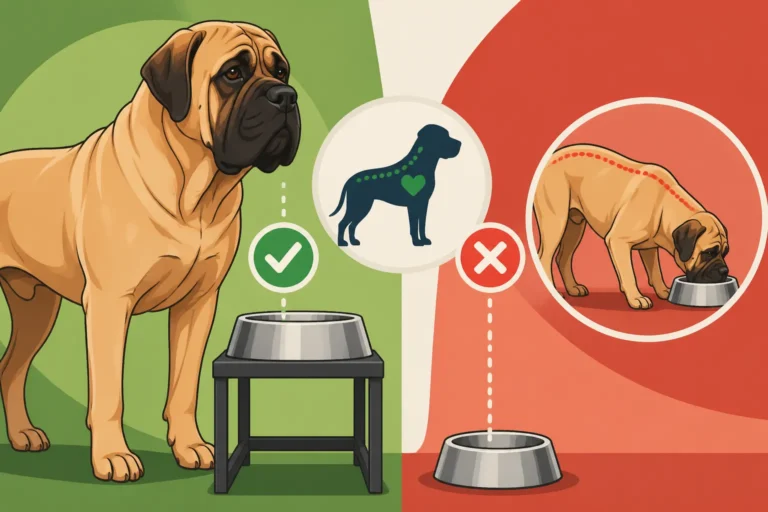
| Winter | 68-72°F (20-22°C) | Heating system, thick orthopedic beds, warm blankets, elevated feeding bowls to reduce neck strain, sweaters/coats for outdoor use, avoiding drafts, humidifiers if air is dry. |
| All Year | Consistent within ranges | Reliable thermostat, emergency temperature monitoring (if traveling), easy access to water, appropriate flooring (rugs/runners), consistent access to comfortable resting spots, regular vet check-ups for overall health. |
For summer, cooling mats are fantastic because they don't require electricity and are activated by the dog's weight. Elevated cots allow air to circulate underneath, helping dissipate heat from their undersides. For winter, investing in truly supportive, thick beds is crucial. Remember, your Mastiff weighs a lot, and cheap beds will flatten quickly, offering no insulation or joint support. Look for high-density foam or memory foam, often found in specialized pet stores or online retailers like Chewy or Amazon.
Even something as simple as a designated "safe zone" or "cool zone" in your home, equipped with these items, can make a huge difference. If you ever have to leave your Mastiff for an extended period, ensure your climate control system is working reliably. A smart thermostat can offer peace of mind, allowing you to monitor and adjust temperatures remotely. Ultimately, providing a consistent, temperature-controlled environment is one of the most loving and responsible things you can do for your Mastiff.
Disclaimer
This article is for general informational purposes only and does not constitute professional advice. Laws, prices and regulations vary by location and change over time. Consult a qualified professional for guidance on your specific situation.