What a Mastiff Needs Every Day
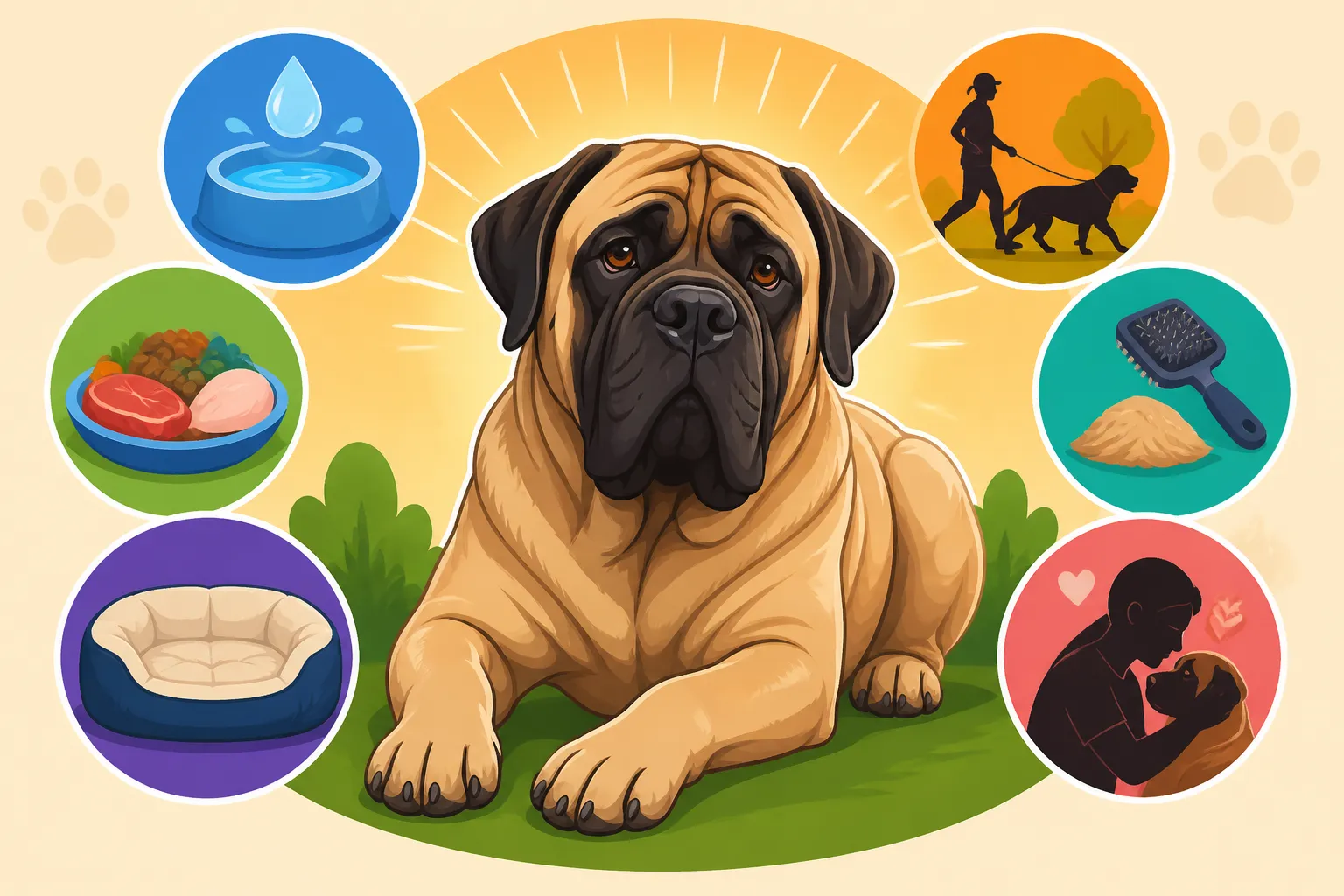
Bringing a Mastiff into your home is an incredible joy, but let's be realistic: their sheer size and unique needs mean daily care isn't just about love and cuddles. It's about a consistent, thoughtful routine that addresses everything from their giant appetites to their delicate joints, ensuring their comfort, health, and happiness every single day. This guide will walk you through the essential daily requirements for your Mastiff, helping you navigate the unique demands of this magnificent breed.
A Balanced Diet Tailored for Giant Breeds
Feeding a Mastiff isn't just about putting kibble in a bowl; it's a science unto itself. Their rapid growth as puppies and their immense adult size mean their nutritional needs are fundamentally different from smaller breeds. Getting it wrong can lead to serious health issues down the line, so understanding their diet is paramount.
The Right Food for Growth and Maintenance
From the moment you bring home your Mastiff puppy, their diet needs to be carefully controlled to ensure slow, steady growth. Many new owners, eager to see their pups grow into impressive adults, might be tempted to overfeed or choose high-protein, high-calorie foods designed for active working breeds. However, for a Mastiff, this can be incredibly detrimental. Rapid growth puts undue stress on their developing bones and joints, increasing the risk of conditions like hip and elbow dysplasia. This is why it’s critical that a Mastiff puppy's diet is specifically formulated for large or giant breeds, which are typically lower in calories and calcium to promote a more measured growth rate. Why a Mastiff Puppy Must Grow Slowly delves deeper into this crucial aspect.
As your Mastiff matures, their dietary needs shift again. An adult Mastiff, while enormous, generally doesn't require the same high-energy food as a smaller, more active dog. Overfeeding an adult Mastiff can quickly lead to obesity, which exacerbates joint problems, strains their heart, and can shorten their already tragically short lifespan. The focus should be on a balanced diet that supports their muscle mass and energy levels without contributing to excessive weight gain. Look for formulas with moderate protein and fat content, and ensure the ingredients are high-quality and easily digestible. Brands often have specific "Large Breed" or "Giant Breed" formulas, which are good starting points for your research, though always check the ingredient list carefully.
Beyond kibble, some owners explore fresh food or raw diets. While these options can offer excellent nutrition, they require a significant commitment in terms of preparation, storage, and cost, especially at Mastiff volumes. If considering such a diet, consult with a veterinary nutritionist to ensure it's balanced and complete for your Mastiff's specific needs, as imbalances can be just as harmful as an inappropriate commercial kibble. Regardless of the type of food, understanding the specific nutrient profiles and calorie counts is key to keeping your Mastiff healthy through all life stages.
Feeding Schedules and Portion Control
Free-feeding, where food is left out all day for your dog to graze, is rarely a good idea for any dog, but it's particularly problematic for Mastiffs. Firstly, they can easily overeat, leading to the aforementioned weight issues. Secondly, and perhaps more critically, Mastiffs are prone to bloat, a life-threatening condition where the stomach twists. Eating large meals rapidly, especially once a day, can increase this risk. Therefore, establishing a consistent feeding schedule with portion control is a non-negotiable part of daily Mastiff care.
Most adult Mastiffs do best on two meals a day, spaced evenly apart, such as once in the morning and once in the evening. Puppies may need three smaller meals a day to help manage their energy levels and digestion as they grow. The exact portion size will depend on the specific food you're using, your Mastiff's age, activity level, and metabolic rate. Always start with the manufacturer's recommendations on the food bag for a dog of your Mastiff's weight and then adjust as needed. You should be able to feel their ribs easily without seeing them prominently, and they should have a discernible waist when viewed from above.
Regularly weighing your Mastiff (which can be a challenge in itself!) or using a "body condition score" chart is vital for monitoring their weight. If you're struggling to keep weight off, or if your Mastiff is looking too lean, don't hesitate to talk to your vet. They can help you determine the ideal weight range for your individual dog and adjust their feeding plan accordingly. Remember, consistency is key – sudden changes in diet or feeding times can upset a Mastiff's sensitive stomach.
Hydration and Bowl Choices
Water, water, everywhere! A dog the size of a Mastiff needs a prodigious amount of fresh water daily. Dehydration can lead to numerous health problems, and given their propensity for kidney issues and urinary stones in some cases (like Type III Cystinuria, which primarily affects intact males), consistent access to clean water is absolutely essential. You'll often find yourself refilling their water bowl multiple times a day, sometimes feeling like you just did it five minutes ago.
Choosing the right water bowl is also surprisingly important for a Mastiff. Their massive jowls mean that after every drink, a significant amount of water will cling to their lips and then get flung across your kitchen, often reaching impressive heights and distances. A wide, heavy, non-tip bowl made of ceramic or stainless steel is generally best. Some owners opt for elevated feeders, which can be helpful for some large breeds, but there's ongoing debate about whether these truly reduce bloat risk in Mastiffs; consult your vet for their current recommendation. What is certain is that a wider bowl can sometimes help them get a better drink without submerging their entire muzzle, potentially reducing the initial "splash zone" when they lift their head.
Beyond the bowl itself, daily vigilance for water intake is crucial. If your Mastiff suddenly starts drinking significantly more or less than usual, it could be a sign of an underlying health issue, such as kidney problems, diabetes, or even a urinary tract infection. Clean their water bowls daily to prevent bacterial growth and ensure they always have access to fresh, cool water, especially after exercise or on warm days. For busy households, a large automatic water dispenser can be a game-changer, but still requires daily cleaning and monitoring to ensure it's functioning correctly and not just accumulating drool and grime.
Consistent Exercise Without Overdoing It
Many people imagine giant dogs need giant exercise, but this is a common misconception, especially with Mastiffs. Their immense size, heavy bones, and predisposition to joint issues mean their exercise regimen must be carefully managed to support their health, not stress it. It's a delicate balance that requires understanding their unique physiology.
The Gentle Giant's Exercise Needs
Despite their impressive stature, Mastiffs are generally not high-energy dogs. They are typically calm, laid-back companions who prefer lounging on a soft bed to running marathons. For puppies, forced or excessive exercise is particularly dangerous. Their growth plates are still open, and high-impact activities like jumping, long walks, or rough play with other dogs can cause irreversible damage to their developing joints. Why a Mastiff Puppy Must Not Be Exercised Hard explains the specifics of why this caution is so important during their formative months.
For adult Mastiffs, an hour of moderate exercise daily is usually sufficient. This might involve a couple of shorter walks, some gentle play in the yard, or a leisurely stroll around the block. The key is "moderate" and "gentle." Think sniff walks where they can explore at their own pace, rather than brisk jogs. They are not built for endurance, and overexertion can lead to heatstroke, joint pain, and general fatigue. Some Mastiffs enjoy a good swim, which can be excellent low-impact exercise, but always supervise closely due to their heavy build.
Even as adults, repetitive, high-impact activities like running long distances, intense fetch sessions, or agility training are generally unsuitable for Mastiffs. Their large frames simply aren't designed for such stress. Focus on activities that allow them to use their bodies naturally and comfortably, such as a leisurely walk through a park where they can take in the sights and smells, or a relaxed game of tug-of-war on a soft surface. The goal is to keep them mobile and mentally stimulated without putting undue strain on their formidable but vulnerable joints.
Mental Stimulation and Play
While their physical exercise needs are moderate, Mastiffs still require daily mental stimulation to prevent boredom and keep their minds sharp. A bored Mastiff isn't necessarily destructive (though some can be), but they might become lethargic or develop undesirable habits. Interactive puzzle toys, which dispense treats as your dog manipulates them, are excellent for engaging their problem-solving skills. Filling a Kong with peanut butter or plain yogurt and freezing it can provide a long-lasting, enriching activity that keeps them occupied.
Gentle play sessions are also important for bonding and keeping them active. A game of hide-and-seek with a favorite toy, or a short session of "find the treat" where they use their nose, can be very rewarding. Remember, given their size, even gentle play needs to be supervised, especially with children or smaller pets, to avoid accidental knocks or bumps. Toys should be sturdy and appropriately sized to prevent choking hazards. The Sensitivity Nobody Expects in a Two Hundred Pound Mastiff means they respond well to positive, calm interactions during play.
Scent work is another fantastic way to engage a Mastiff's mind and satisfy their natural instincts without physical strain. Hiding treats around the house or yard and encouraging them to sniff them out is simple to set up and incredibly rewarding for them. This type of mental exercise tires them out in a different way than physical activity and helps keep them engaged with their environment. Incorporating a few minutes of mental games into their daily routine can make a significant difference to their overall well-being.
Monitoring for Overheating
Mastiffs are particularly susceptible to overheating, a serious and potentially fatal condition. Their large body mass, often combined with a dense coat and sometimes a brachycephalic (smooshed) face, makes it difficult for them to dissipate heat efficiently. On warm or humid days, or even during moderate exercise, they can quickly become overheated. Daily monitoring for signs of heat stress is non-negotiable.
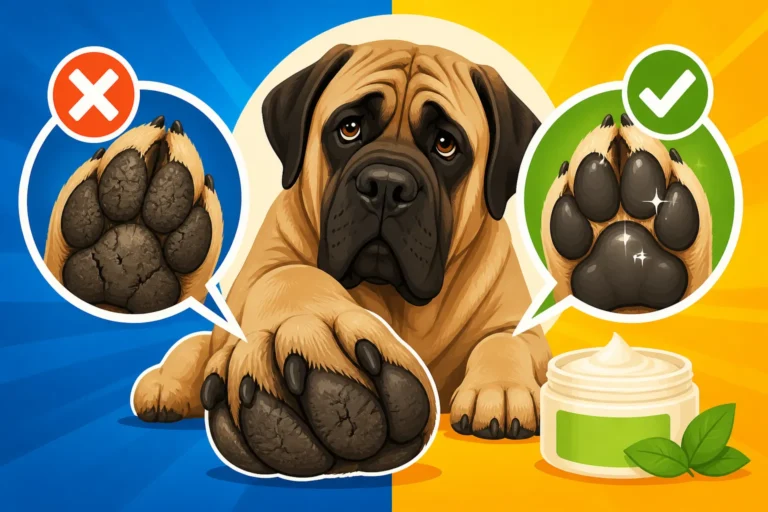
Signs of overheating include excessive panting, drooling, lethargy, red gums, stumbling, or even collapse. If you notice any of these symptoms, act immediately: get them into a cool area, offer water, apply cool (not cold) water to their paws, belly, and armpits, and if symptoms persist or worsen, seek immediate veterinary attention. Prevention is always better than cure. On warmer days, limit walks to the coolest parts of the day – early morning or late evening. Avoid asphalt or concrete, which can radiate heat and burn their paw pads.
Ensure they always have access to plenty of fresh water and a shaded, cool spot to rest, both indoors and outdoors. A cooling mat or a fan can be a welcome addition to their resting area. Never, ever leave a Mastiff in a parked car, even on a mild day, as temperatures inside can rise rapidly to dangerous levels. Being proactive about managing their temperature is a daily responsibility that can literally save their life.
Meticulous Grooming for Skin and Coat Health
While a Mastiff’s short coat might suggest low maintenance, their wrinkles, folds, and sheer size mean grooming is far from a quick once-over. Daily attention to certain areas is essential to prevent infections and discomfort.
Daily Wrinkle and Fold Care
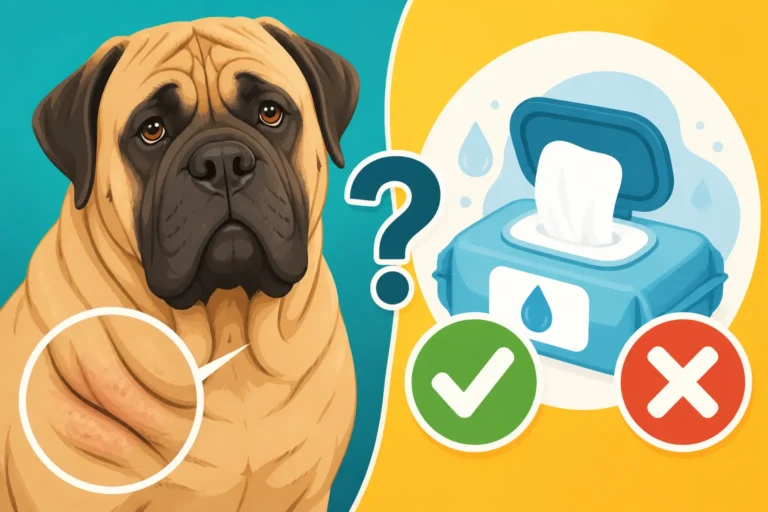
This is perhaps the most critical daily grooming task for a Mastiff. Their characteristic loose skin and deep facial folds, while endearing, are perfect breeding grounds for bacteria and yeast. Moisture, dirt, and food debris can get trapped in these folds, leading to skin fold dermatitis – a red, itchy, sometimes painful infection that can emit an unpleasant odor. The Wrinkles and Folds a Mastiff Owner Cleans Every Week describes this challenge in detail.
Your daily routine should involve gently inspecting and cleaning all of your Mastiff's folds, particularly around their muzzle, eyes, and any other areas where skin folds touch. Use a soft, damp cloth or a pet-safe wipe (unscented baby wipes can also work in a pinch, but always check for harsh chemicals) to meticulously clean out any debris. After cleaning, it's absolutely crucial to thoroughly dry the folds. Residual moisture is the enemy and will only encourage bacterial growth. A soft towel or even a cool setting on a hairdryer can be used.
Pay close attention to areas like the nose rope (the fold above their nose), the jowls, and even folds around their tail or under their armpits. If you notice any redness, oozing, or a strong odor, it's time for a vet visit, as these are signs of infection that may require medicated wipes or antibiotics. Consistency here prevents minor irritations from escalating into painful, expensive problems. This daily ritual not only keeps them healthy but also reinforces your bond.
Coat Brushing and Bathing Essentials
Despite their short coat, Mastiffs do shed, and regular brushing helps manage this, distributes natural oils, and provides another opportunity for a quick health check. A rubber curry brush or a shedding blade works well to remove loose hair and stimulate circulation without irritating their skin. A few minutes of brushing daily or every other day can make a big difference in reducing the amount of Mastiff hair tumbleweeds floating around your home.
Bathing a Mastiff is an event, not a quick dip. Their size makes getting them into a standard tub a Herculean task, and many owners opt for professional groomers with giant breed-friendly facilities or resort to washing them outdoors in warmer weather. Mastiffs generally don't need frequent baths – usually once every few months or when they've rolled in something particularly pungent is sufficient. Over-bathing can strip their skin of essential oils, leading to dryness or irritation.
When you do bathe them, use a gentle, pH-balanced dog shampoo. Be sure to rinse thoroughly, as any residue can cause skin irritation. And just like with their folds, ensuring they are completely dry afterwards is important, especially in cooler weather, to prevent chills and skin issues. It's a team effort for most owners, with one person holding the Mastiff while the other lathers and rinses.
Nail Trims and Oral Hygiene
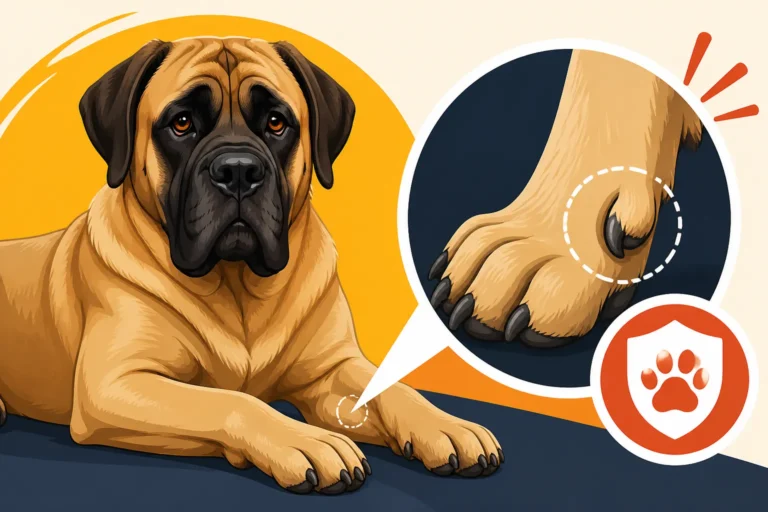
Keeping your Mastiff's nails trimmed is crucial for their comfort and joint health. Overgrown nails can push their toes out of alignment, causing pain and contributing to orthopedic problems like splayed feet or discomfort in their elbows and shoulders. Since they can't effectively wear down their nails on walks due to their weight and relatively low activity level, regular trimming is a must. Aim for a trim every 2-4 weeks. Keeping a Mastiff's Nails Short Enough for Traction highlights this critical task.
This can be a challenge. A Mastiff’s nails are thick and often dark, making the quick hard to see. Many Mastiffs are also not thrilled about having their paws handled. Start early with puppies, making it a positive experience with treats. As adults, you might need two people: one to hold and distract, the other to trim. A good quality pair of large clippers or a Dremel tool (a rotary grinder) specifically designed for pet nails can make the job easier. If you're uncomfortable, your vet or a professional groomer can perform this task.
Oral hygiene is another often-overlooked daily need. Large breeds are just as susceptible to dental disease as smaller dogs, though their sheer size means extra effort. Daily tooth brushing with dog-specific toothpaste is ideal. If that's not feasible, dental chews, water additives, or specialized dental diets can help, but they are generally less effective than brushing. Regular veterinary dental check-ups are also essential, though be aware that full dental cleanings under anesthesia can be more complex and costly for a dog of a Mastiff's size.
Creating a Comfortable and Safe Living Environment
A Mastiff isn't just a pet; they're a massive, living fixture in your home. Their environment needs to be adapted to their size and unique physical vulnerabilities to prevent injuries and ensure their comfort.
Orthopedic Bedding for Joint Support
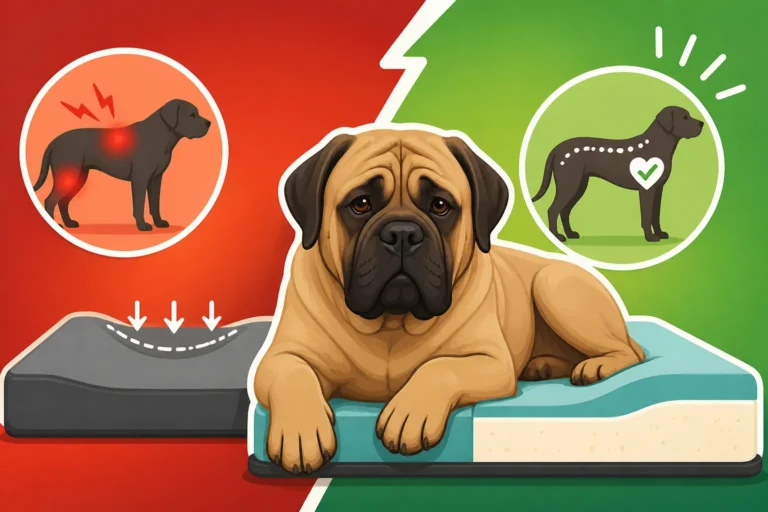
Imagine lying down with two hundred pounds pressing on your joints, particularly your elbows and hips, on a hard surface. This is what a Mastiff experiences without proper bedding. Mastiffs are prone to developing elbow calluses, painful sores on their elbows from prolonged pressure on hard floors. More importantly, their heavy frames put immense stress on their joints, making orthopedic support absolutely vital, even from a young age. A Mastiff Lying Two Hundred Pounds on One Elbow All Day is a poignant reminder of this issue.
Every Mastiff needs at least one, and ideally several, high-quality orthopedic beds strategically placed throughout the home where they like to rest. These aren't just plush pillows; they need to be dense, supportive foam that won't flatten under their weight. Memory foam or solid orthopedic foam is ideal. Look for beds with removable, washable covers, because let's face it, they're going to get dirty (and drooly!). Investing in these beds early can help prevent joint pain, stiffness, and the development of unsightly and uncomfortable calluses.
Consider their preferred sleeping positions – some like to sprawl, others curl up. The bed needs to be large enough to accommodate them comfortably in any position without parts of their body hanging off onto the hard floor. While they might occasionally choose the cool tile on a hot day, having the option of supportive bedding readily available is a daily necessity for their long-term joint health and overall comfort.
Non-Slip Flooring and Accessibility
Hardwood, laminate, and tile floors might look beautiful, but for a Mastiff, they can be a hazard. Their sheer weight combined with often clumsy movements and the tendency for their massive paws to splay out can lead to slips, falls, and serious injuries. These surfaces provide almost no traction, especially as they age and their balance or strength might diminish. A sudden slip could result in a pulled muscle, a ligament tear, or even a fracture.
To mitigate this risk, daily life in a Mastiff household often involves strategically placed rugs, carpet runners, or even wall-to-wall carpeting in high-traffic areas. These provide much-needed traction and a softer landing spot if they do stumble. Think about their main paths of travel: from their bed to the water bowl, to the door, or to their favorite sunny spot. Ensuring these routes are covered can significantly reduce the chance of an accident. What Floor Runners for a Mastiff Cost explains how to budget for this necessity.
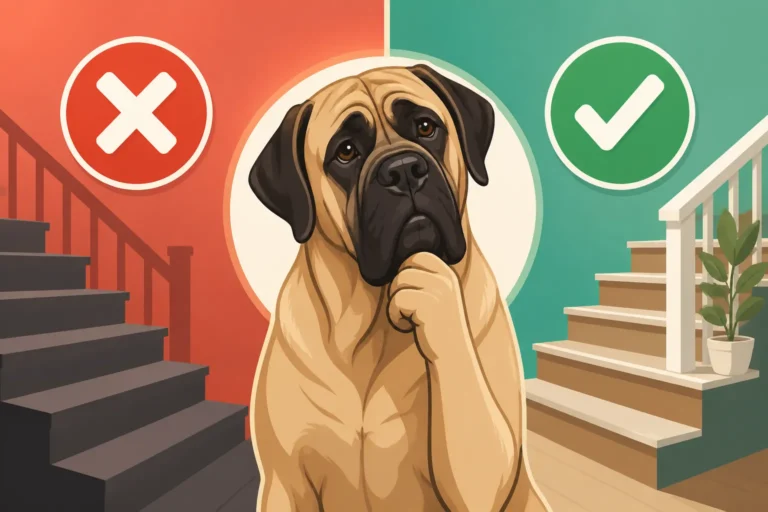
Beyond flooring, consider accessibility. As Mastiffs age, stairs become a challenge, and lifting them can be impossible. If your home has stairs, consider blockading access or finding alternative routes as they get older. Ramps can be invaluable for helping them get into vehicles, up steps, or even onto furniture (if allowed). Training them early to use a ramp can save you and their joints a lot of stress down the line. Daily attention to their movement and proactively addressing areas where they might struggle is part of responsible Mastiff ownership.
Managing Drool and Its Impact
Ah, the drool. It’s an unavoidable, often endearing, but definitely impactful part of daily Mastiff life. Their loose jowls, while giving them that classic Mastiff look, are not designed to hold saliva efficiently. The result is copious amounts of drool, especially after drinking, eating, or getting excited. This isn't just a minor inconvenience; it literally dictates some daily routines and choices around your home. Drool Physics and the Mastiff Head Shake truly captures the essence of this daily challenge.
Managing drool starts with acceptance, then moves to strategy. Keeping a stash of "drool towels" in key areas of the house (by the water bowl, near the couch, by the door) becomes second nature. Wiping their jowls after they drink can prevent the infamous "head shake" that sends slobber flying onto walls, ceilings, and unsuspecting guests. Many owners also opt for durable, washable fabrics for furniture, or use slipcovers that can be easily tossed in the laundry.
Beyond aesthetics, excess moisture from drool can also lead to skin irritation or even yeast infections in their lip folds if not regularly cleaned. Consider the placement of their water bowl – having it in an easily washable area, perhaps with a mat underneath, is a smart choice. While you can't stop a Mastiff from drooling, you can absolutely manage its impact on your home and keep your dog comfortable and clean with a consistent daily routine of wiping and cleaning.
Health Monitoring and Preventative Care
Being intimately familiar with your Mastiff's normal behavior and physical state is the most powerful tool you have for detecting potential health issues early. Their stoic nature sometimes means they hide discomfort until it's quite advanced, so daily observation is paramount.
Daily Health Checks
Part of your daily interaction with your Mastiff should implicitly include a quick head-to-tail health check. This isn't a formal veterinary exam, but rather an awareness of what's "normal" for your dog. Pay attention to their eyes – are they clear and bright, or are they red, watery, or showing discharge? Check their nose for moisture and any unusual discharge. A quick sniff of their ears can alert you to yeast or bacterial infections before they become severe. Eye and Eyelid Disease in a Mastiff is a good resource for understanding common ocular issues.
Feel along their body during a petting session. Are there any new lumps, bumps, or tender spots? Check their paws for any cuts, punctures, or signs of irritation between their toes. Observe their gait: Are they moving freely, or is there any stiffness, lameness, or reluctance to move that wasn't there yesterday? Note their appetite and water intake; any significant changes can be a red flag. These small, daily observations, woven into your regular interactions, are invaluable for catching problems early when they are often easier and less costly to treat.
Don't forget their "output." Consistency in stool is a good indicator of digestive health. Any diarrhea, constipation, or straining should be noted. Similarly, monitor their urination. While sometimes challenging to observe with a large outdoor-pottying dog, paying attention to frequency or any signs of discomfort can be important. Being an attentive owner means you're their first line of defense against illness.
Recognizing Early Warning Signs
Beyond general checks, understanding specific warning signs for common Mastiff ailments is critical. Bloat, or Gastric Dilatation-Volvulus (GDV), is perhaps the most feared condition for Mastiff owners. It's a true emergency where every minute counts. The First Sign a Mastiff Is Bloating details the subtle and obvious indicators. Daily awareness of signs like restlessness, pacing, unproductive retching (trying to vomit but nothing comes up), a distended abdomen, or excessive drooling should trigger immediate concern and a call to your emergency vet.
Lameness or stiffness, particularly in the mornings or after rest, could signal developing joint problems like arthritis or dysplasia. While some stiffness might be expected in older Mastiffs, any sudden or persistent lameness, especially in a younger dog, warrants a veterinary examination. Mastiffs are also prone to various cancers, so any new, rapidly growing, or firm lumps should be evaluated by a vet promptly.
Finally, behavioral changes, while sometimes attributed to "stubbornness," can also be indicators of pain or illness. A Mastiff that suddenly becomes withdrawn, irritable, or unusually clingy could be telling you they don't feel well. Trust your gut; if something feels "off" with your dog, it's always best to err on the side of caution and consult your veterinarian.
Routine Medications and Supplements
Daily preventative care often extends to regular medications and supplements. Heartworm prevention is absolutely essential, especially in areas where mosquitoes are prevalent. Flea and tick preventatives are also crucial, not just for comfort, but to prevent tick-borne diseases. For a Mastiff, dosing these medications can be a significant consideration, as they often fall into the highest weight bands, meaning larger doses and thus higher costs. Why a Mastiff Is Dosed by Lean Weight and Not Scale Weight highlights the nuances of medication for this giant breed.
Many Mastiff owners also choose to start their dogs on joint supplements, such as glucosamine and chondroitin, from a young age or as they approach middle age. While not a cure for joint disease, these supplements can help support cartilage health and may alleviate some discomfort. Always discuss any supplements with your veterinarian to ensure they are appropriate for your dog and won't interact negatively with other medications. Joint Supplements for a Mastiff provides more information on what to look for.
If your Mastiff has chronic conditions like hypothyroidism (common in the breed), allergies, or requires ongoing medication for pain management, administering these daily becomes a vital part of their routine. Having a designated medication spot and routine can help ensure consistency. For many owners, daily preventative care, whether it's a chewable heartworm pill, a topical flea treatment, or a daily joint supplement, is a small but critical step in maintaining their Mastiff's health and quality of life.
Training, Socialization, and Emotional Well-being
A Mastiff's massive size means that early and consistent training, combined with gentle socialization, isn't just a nicety—it's a necessity. Their emotional well-being is deeply intertwined with feeling secure, understood, and a valued part of the family.
Consistent Training and Reinforcement
Even though Mastiffs are often described as "gentle giants," their sheer power means they need to understand and respond to basic commands without hesitation. A Mastiff who pulls on the leash, even slightly, can easily take an adult off their feet. A Mastiff who jumps up in greeting can injure a small child or elderly person. Therefore, daily, consistent training is fundamental. This doesn't mean grueling, hour-long sessions; Mastiffs are known for being thoughtful and sometimes a bit stubborn, so shorter, more frequent training bursts are often more effective.
Positive reinforcement methods work best with Mastiffs. They are sensitive souls and harsh corrections can easily shut them down or make them distrustful. Use high-value treats, praise, and gentle encouragement to reward desired behaviors. Focus on practical commands like "sit," "stay," "down," "come," and a reliable "leave it." Leash manners are particularly important; practice walking calmly on a loose leash daily, even if it's just around the yard or down the driveway. Teaching them to wait politely at thresholds before going outside or entering a room prevents accidental bulldozing.
Remember that training isn't just for puppies. Mastiffs, like all dogs, benefit from ongoing reinforcement throughout their lives. Ten minutes a day, practicing known commands or teaching a new trick, keeps their minds engaged and strengthens the bond between you. A well-trained Mastiff is a joy to live with and a safer member of society.
Gentle Socialization and Stranger Interactions
Proper socialization is crucial for a Mastiff, starting from puppyhood, but it's a lifelong process. Given their natural guarding instincts and imposing size, it's vital they learn to be comfortable and calm around new people, places, and experiences. However, "socialization" doesn't mean forcing them into overwhelming situations like busy dog parks where they could accidentally injure other dogs or be overwhelmed themselves.
Instead, focus on controlled, positive exposures. Daily walks where they can observe the world calmly are important. Introduce them to a variety of people – men, women, children, people in hats or uniforms – in a calm, non-threatening way. Reward them for polite, neutral behavior. Mastiffs tend to be reserved with strangers, which is their nature, but they should not be fearful or aggressive. Allow them to approach people on their own terms, offering a friendly sniff rather than demanding interaction.
Supervise all interactions with children and smaller pets, teaching both the dog and the children how to behave appropriately. A Mastiff, despite its gentle nature, can accidentally knock over a toddler with a wagging tail or a clumsy turn. Daily positive interactions ensure they remain confident, well-adjusted companions who are comfortable in various situations without feeling the need to guard unnecessarily.
Companionship and Quiet Time
Mastiffs are deeply devoted to their families and thrive on companionship. They are not dogs that do well being left alone for extended periods in a backyard or isolated from household activity. They want to be where you are, whether that's lounging in the living room while you read or supervising your kitchen activities from a comfortable spot. Ignoring their need for daily interaction can lead to sadness or even separation anxiety. How Many Hours a Mastiff Can Be Left is a key consideration.
However, a Mastiff also appreciates quiet time and a predictable routine. While they want to be with you, they don't necessarily need constant play or attention. Often, simply being in the same room is enough. Provide them with a comfortable, quiet space where they can retreat if they feel overwhelmed or just want to nap. This could be their orthopedic bed in a corner of the living room or a large crate in a quiet den.
Establishing a consistent daily routine – feeding times, walk times, training sessions, and quiet downtime – helps a Mastiff feel secure and reduces anxiety. They are creatures of habit, and knowing what to expect throughout the day contributes significantly to their emotional well-being. Daily cuddles, gentle pats, and simply acknowledging their presence are small efforts that yield huge emotional dividends for these magnificent, sensitive dogs.
Preparing for the Later Years
The sad reality for Mastiff owners is their relatively short lifespan. While heartbreaking, this knowledge means that daily care needs to proactively shift as they enter their senior years, often starting as early as five or six. Caring for a Mastiff Past Five is an essential read for any Mastiff owner.
Adjusting Care as They Age
As your Mastiff ages, you'll begin to notice changes in their mobility, energy levels, and even their appetite. Daily observations become even more critical during this stage. They might be slower to get up, more reluctant to go for walks, or spend more time sleeping. Their eyesight or hearing might also start to decline. Your daily routine needs to adapt to these changes to maximize their comfort and quality of life.
This might mean shorter, more frequent walks, or simply allowing them more time to sniff and potter around the yard instead of covering distance. Adjust their diet to a senior-specific formula, which often has fewer calories to prevent weight gain (as their metabolism slows and activity decreases) and includes joint-supporting nutrients. Monitor their weight diligently; it's easy for older, less active Mastiffs to become overweight, which puts even more strain on their aging joints.
Regular veterinary check-ups, often twice a year, become vital for senior Mastiffs. These visits allow your vet to catch age-related conditions like arthritis, kidney disease, or heart issues early. Blood work, urine tests, and careful physical examinations are part of this proactive approach to maintaining their health. Your daily commitment to these adjustments can significantly enhance their comfort in their golden years.
Supporting an Aging Mastiff's Comfort
An aging Mastiff will increasingly rely on you to help them navigate their world. This means making their environment as accessible and comfortable as possible. Ensure their orthopedic beds are still providing adequate support; you might even consider adding more beds in various rooms so they don't have to travel far to rest. Warm blankets can be comforting for stiff joints, especially in cooler weather.
Assistance devices can become daily necessities. Harnesses with handles can help you steady them as they walk or provide gentle support when they need to get up, especially if they struggle with their hind legs due to conditions like degenerative myelopathy or severe arthritis. Non-slip floor runners become even more critical to prevent dangerous falls. Lifting an Old Mastiff That Cannot Get Up is an invaluable resource for practical tips when mobility becomes a significant challenge.
For some older Mastiffs, managing incontinence might become a daily task, requiring absorbent bedding or doggy diapers. Patience and understanding are key. These daily adjustments are a testament to the bond you share and ensure that your Mastiff remains as comfortable and dignified as possible during their final years, surrounded by love and dedicated care.
Disclaimer
This article is for general informational purposes only and does not constitute professional advice. Laws, prices and regulations vary by location and change over time. Consult a qualified professional for guidance on your specific situation.