What Cleaning Mastiff Drool Off Walls Costs
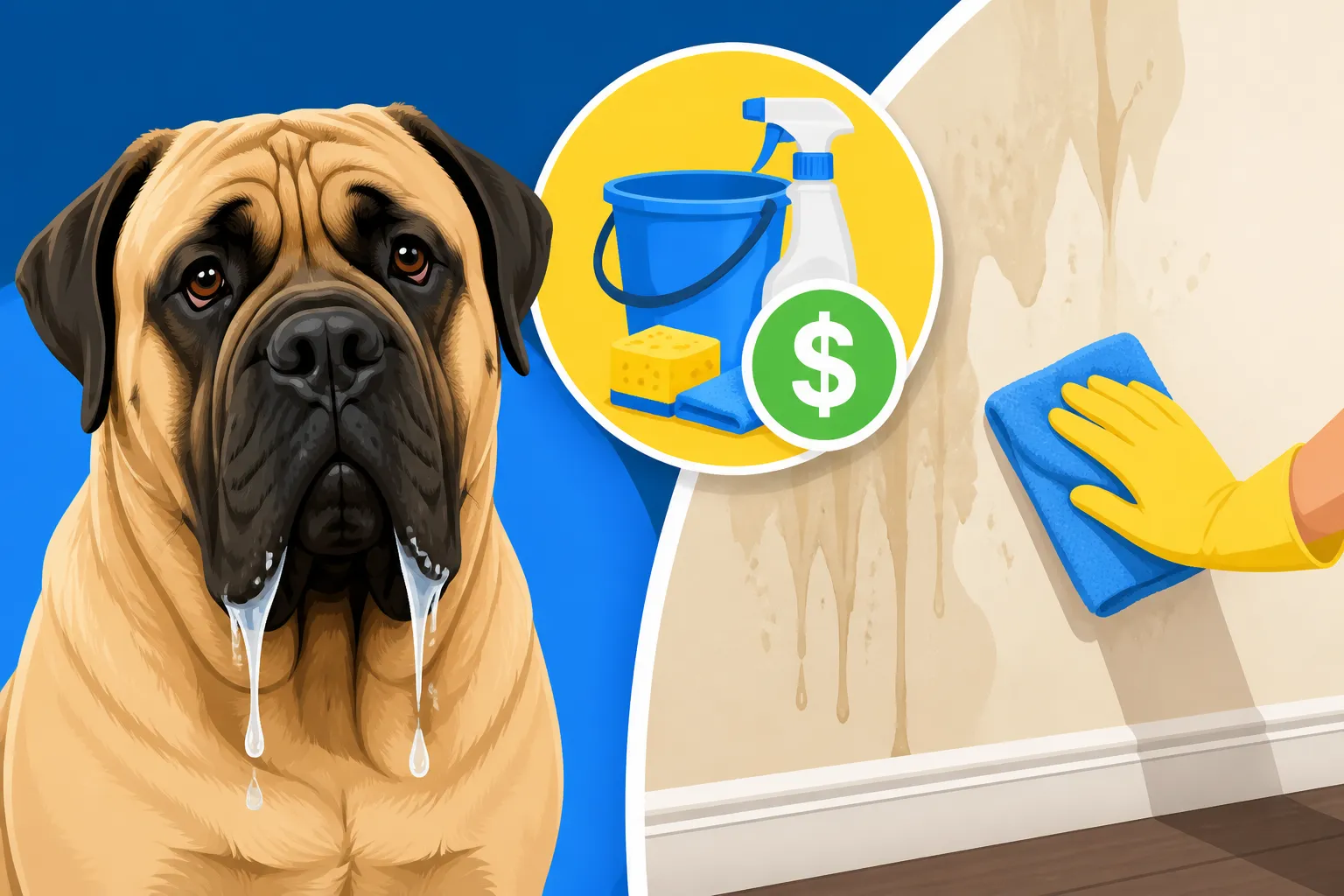
Ah, the majestic Mastiff! There’s nothing quite like their gentle giant presence in your home. But let's be real, while we adore their squishy faces and soulful eyes, there's one undeniable truth about living with a Mastiff: drool happens. And not just a little "oh, a tiny drip" kind of drool. We're talking about glorious, gravity-defying, physics-bending strings of slobber that often end up splattering across your pristine walls. It's a common frustration, isn't it? That moment you catch the shimmering trail, or worse, the dried, crusty spot, and you just sigh, knowing it’s time for another cleanup mission. This guide is here to walk you through the real costs, both in time and money, of keeping your home looking respectable when you share it with a magnificent, slobbery Mastiff.
The Unavoidable Reality of Mastiff Drool on Your Walls
Living with a Mastiff means accepting a certain level of drool in your life. It’s part of the package, a badge of honor, some might say! But what starts as a charm can quickly become a challenge when you realize your walls are becoming an abstract art canvas for your beloved giant. Understanding why they drool so much and how it ends up where it does is the first step to managing it, and ultimately, understanding the cost.
Why Mastiffs Are So Prone to Drooling
Let's dive into the anatomy that makes our Mastiffs such magnificent droolers. It's not a flaw, it's just how they're built! Their characteristic loose jowls and pendulous lips, which give them that wonderfully dignified and somewhat sorrowful expression, are also incredibly efficient drool-collection and distribution devices. Unlike breeds with tighter lips, Mastiffs don't have a snug seal around their mouths to keep saliva contained. When they drink, eat, get excited, or even just breathe heavily, that excess saliva has nowhere to go but out.
Think about your Mastiff after a long drink from the water bowl. Their jowls are practically overflowing, and then they lift their head, perhaps give a little shake, and whoosh – water mixed with saliva becomes a projectile. Or when they’re super excited to see you after you've been gone for a bit, those happy panting sounds can send strings of drool flying across the room. It’s a natural process, linked directly to The Anatomy Behind a Mastiff's Drool, and it means that walls, furniture, and even ceilings are often in the splash zone. You might even find yourself wondering How Far a Mastiff Can Fling Drool!
The Chemistry of Drool and Wall Damage
It's not just water that hits your walls; it's saliva, a complex mixture of enzymes, proteins, and mucous. While it's natural, it's not entirely benign for your home's surfaces, especially over time. Fresh drool might seem harmless enough, a simple wipe-away job. But as it dries, the water evaporates, leaving behind a sticky residue of those proteins and enzymes. This residue can attract dust and dirt, creating a more visible and often darker stain.
On painted walls, particularly those with a matte or flat finish, these stains can really set in. The porous nature of such paints allows the drool to penetrate, making it much harder to simply wipe off. Over repeated incidents, the acidic or alkaline nature of the saliva (depending on your dog's diet and health) can actually begin to etch or subtly discolour the paint. You might notice a faint yellowing or darkening where the drool consistently hits, even after cleaning. Wallpaper presents an even greater challenge, as the moisture can weaken the adhesive, cause bubbling, or leave permanent marks that are impossible to remove without damaging the paper itself. It’s definitely a factor in The Staining a Mastiff's Drool Leaves, and why simple wiping isn't always enough to prevent long-term damage.
The Direct Costs: Cleaning Supplies for Drool Management
When you're constantly battling drool on your walls, you quickly discover that cleaning isn't a one-and-done type of expense. It's an ongoing investment in supplies. From everyday wipes to more specialized cleaners, the cost of keeping your home clean can really add up, beyond what you might spend in a "normal" dog-owning household.
Everyday Cleaning Solutions
For the daily dribbles and fresh splatters, you'll need an arsenal of basic cleaning supplies. This includes things like:
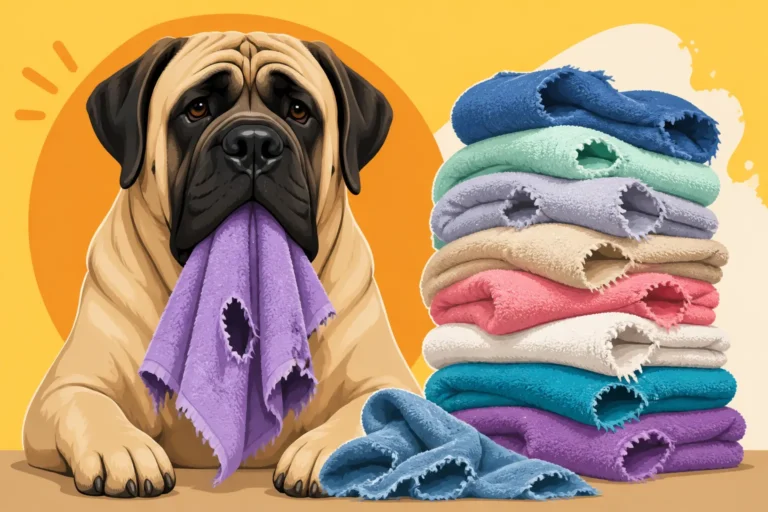
- Microfiber cloths or soft rags: You'll go through these quickly. Having a dedicated stash for "dog drool duty" is a must. They're great because they pick up moisture and grime without scratching surfaces.
- Gentle, pet-safe all-purpose cleaners: You want something that won't harm your Mastiff if they decide to lick the wall post-cleaning (because, let's face it, they might!), and that won't strip paint or leave harsh chemical residues. White vinegar diluted with water is a classic, cost-effective option, but sometimes you want something with a bit more cleaning power and a nicer scent.
- Sponges or soft scrub brushes: For those spots that have dried a bit and need a little more effort than a simple wipe. Again, ensure they're non-abrasive.
- Paper towels: While not the most eco-friendly, they're often necessary for quickly absorbing fresh, wet drool before it has a chance to set or run further down the wall. You'll likely buy these in bulk.
The cost here isn't astronomical for a single purchase, but the frequency adds up. If you're wiping down walls, baseboards, and sometimes even ceilings several times a week, you're constantly replenishing these items. Imagine buying cleaning sprays every few weeks instead of every few months, and having a laundry basket dedicated to drool rags. It becomes part of your regular grocery budget, a quiet line item that you just accept as part of your Mastiff's charm. You might find yourself stocking up on cleaning supplies just like you do on kibble from places like Chewy, grabbing larger quantities to save a few dollars in the long run.
Tackling Stubborn Stains and Residue
Sometimes, that fresh drool isn't caught in time, or it lands in a tricky spot, and you're left with a stubborn, dried-on stain. This is where more specialized, and often pricier, cleaning products come into play.
- Enzymatic cleaners: These are specifically designed to break down organic matter like pet stains (and yes, drool!). They work by using beneficial bacteria or enzymes to digest the proteins and other components in the drool, effectively removing the stain and any lingering odor. These are particularly useful if your Mastiff is prone to drooling near baseboards or on carpets, where the drool can wick into fibers. They tend to be more expensive per bottle than your average all-purpose cleaner, but they are often indispensable for tough stains.
- Magic eraser-style sponges: While incredibly effective at removing scuffs and stains from painted surfaces, they work by acting as a micro-abrasive. This means you need to use them with extreme caution on painted walls, as they can remove paint, especially on matte finishes or if scrubbed too vigorously. They're best for small, localized, truly stubborn spots and should always be patch-tested first. Using too many of these can actually contribute to the need for repainting sooner.
- Grease-cutting dish soap: Sometimes, a concentrated drop of dish soap on a wet cloth can help cut through the sticky residue that dried drool leaves behind. It's a slightly stronger approach than an all-purpose cleaner and can be surprisingly effective.
The cost of these specialized products can vary, but typically, a good enzymatic cleaner might be double or triple the price of a standard cleaner. While you won't use them every day, having them on hand for emergencies is crucial. Skipping them can mean permanent stains that degrade the look of your home and potentially lead to more expensive repairs down the line. It's an investment in maintaining your home's appearance.
Specialized Tools and Equipment
Beyond the bottles and rags, there are a few larger, more specialized items that can either make the job easier or become necessary for deeper cleaning:
- Stepladders or extension poles: Let's face it, Mastiffs are tall. When they do a vigorous head shake, drool can reach surprisingly high up your walls, sometimes even onto the ceiling. Reaching these spots safely and effectively often requires a sturdy stepladder or a cleaning tool with an extendable handle.
- Steam cleaners: For serious build-up or large areas, a handheld steam cleaner can be a godsend. The hot steam helps to loosen and sanitize dried-on drool, making it easier to wipe away. It's also chemical-free, which is a bonus if you're worried about your Mastiff's exposure to cleaning agents. These are a larger upfront investment, but can save time and effort in the long run, and are versatile for other household cleaning tasks.
- Protective gear: While not directly for cleaning, if you're using stronger chemicals or doing a lot of scrubbing, gloves are a good idea. Even a simple pair of rubber gloves contributes to your overall cleaning expenditure.
A decent stepladder might be a one-time purchase, but a good steam cleaner can cost a significant amount. These are items that a "normal" pet owner might not consider essential, but for a Mastiff household, they can shift from luxury to necessity if you want to keep your home truly clean. They represent a higher initial cost but aim to reduce the ongoing effort and potentially prevent more costly repairs in the future.
| Cleaning Item | Typical Use | Cost Implication | Frequency of Purchase |
|---|---|---|---|
| Microfiber Cloths/Rags | Daily wiping, quick cleanups | Low initial, high ongoing | Monthly/Bi-monthly |
| Gentle All-Purpose Cleaner | Regular surface cleaning | Moderate initial, high ongoing | Monthly |
| White Vinegar | Budget-friendly disinfectant/cleaner | Very low, high ongoing | Monthly/Bi-monthly |
| Enzymatic Pet Stain Remover | Stubborn, set-in drool stains | Higher initial, moderate ongoing | Quarterly/As needed |
| Magic Eraser Sponges | Small, tough spots (use with care!) | Low initial, moderate ongoing | Monthly/As needed |
| Stepladder | Reaching high drool spots | One-time investment | Rarely |
| Handheld Steam Cleaner | Deep cleaning, sanitizing | Higher one-time investment | Rarely |
| Rubber Gloves | Chemical protection | Very low, moderate ongoing | Quarterly |
The Indirect Costs: Time, Effort, and Potential Home Repairs
The visible costs of cleaning supplies are just one part of the equation. There are significant, often overlooked, indirect costs associated with managing Mastiff drool on your walls. These are the costs that impact your lifestyle, your time, and the long-term value of your home.
The Value of Your Time
Time is money, as they say, and when you own a Mastiff, a surprising amount of your time can be dedicated to drool cleanup. Imagine dedicating 10-15 minutes every single day to wiping down walls, doors, and baseboards in your main living areas. Over a week, that’s over an hour. Over a month, that's four to six hours. Annually, you're looking at 48 to 72 hours, or even more, purely dedicated to drool patrol.
This isn't just "extra chores"; it's time you could be spending relaxing, exercising (yourself, not just your Mastiff puppy, who must not be exercised hard!), or engaging in other hobbies. It’s a constant vigilance, an interruption to your daily flow. That quick clean-up before guests arrive, the sudden spot you notice just as you're heading out the door – these little moments add up to a significant portion of your mental and physical energy. The cumulative mental load of constantly monitoring for new drool, and the physical effort of scrubbing, bending, and reaching, is a real cost. It's the cost of maintaining a certain standard of cleanliness that most non-Mastiff owners simply don't have to contend with. How Often a Mastiff's Jowls Need Wiping ties directly into this daily time investment.
Repainting and Repairing Damaged Surfaces
Despite your best efforts with cleaning, sometimes the drool wins. Persistent drool can eventually damage paint, causing discoloration, fading, or even slight etching that can't be cleaned away. This often necessitates repainting specific areas, or even entire rooms, much sooner than you would otherwise.
The cost of repainting involves:
- Paint and primer: You'll likely need to invest in good quality, washable paint that is more resistant to stains and easier to clean. This can be more expensive than standard flat wall paint. Primer might be needed to cover stubborn stains before painting.
- Supplies: Brushes, rollers, painter's tape, drop cloths – all necessary expenses.
- Labor: If you're doing it yourself, there's the cost of your time (see above!). If you hire a professional painter, that's a significant expense. Painting a large room can easily run into hundreds or even thousands of dollars, depending on the size and complexity.
In more extreme cases, drool can even damage wallpaper, requiring removal and reinstallation, which is often a professional job and can be quite costly. It’s not just about a fresh coat of paint; it’s about restoring the integrity and appearance of your home that has been slowly degraded by the constant drool exposure. This type of preventative maintenance, or rather, reactive maintenance, is a recurring, indirect cost that many Mastiff owners face more frequently than other dog owners. You might find that The Furniture, Vehicle and Doors a Mastiff Changes extends to your walls as well, requiring regular upkeep and sometimes replacement.
Impact on Home Value and Aesthetics
While it might seem minor, the cumulative effect of drool on your home's interior can actually impact its overall aesthetic appeal and, in extreme cases, its perceived value. When prospective buyers walk into a home, stained or dingy walls, even if freshly cleaned, can leave a lasting negative impression. It suggests a lack of upkeep or a perpetual battle against mess, even if it's just Mastiff charm.
Think about the first impression when you entertain guests. While fellow dog owners might "get it," others might silently judge the faint discolouration around your dog's favorite leaning spots or the high-water marks near their designated water bowl area. This isn't just about superficial appearance; it’s about the subtle mental cost of constantly feeling like your home isn't as pristine as you'd like it to be, or having to explain away the "character" marks left by your furry family member.
This indirect cost is harder to quantify in dollars and cents, but it's a real consequence of living with a giant breed. It might lead you to invest in more frequent deep cleaning services, or to simply repaint more often than you would otherwise, all to maintain a standard that feels comfortable and presentable.
Strategies to Minimize Drool Cleanup Costs
While drool is an inherent part of Mastiff ownership, there are definitely proactive steps you can take to minimize the amount of cleaning required and, in turn, reduce both the direct and indirect costs associated with it. A little prevention can go a long way in saving your walls and your sanity.
Proactive Cleaning and Prevention
The best offense is a good defense when it comes to Mastiff drool. Implementing a few daily habits can drastically cut down on the more intensive cleanup missions.
- Daily face wiping: After every meal and drink, gently wipe your Mastiff's jowls with a soft cloth. This removes the immediate excess saliva and water before it can be shaken onto your walls. Keep a designated "drool towel" handy near their food and water bowls. You might even consider a specially designed bib; Whether a Bib Is Worth It on a Mastiff is a common question, and for many, the answer is yes, if it saves their walls!
- Strategic water bowl placement: Place water bowls in areas where splashes and drool are less likely to hit valuable surfaces. A tiled area, a mudroom, or even outdoors are ideal. Consider a mat underneath to catch spills. Also, experiment with different types of water bowls. Some owners find that Which Water Bowl Suits a Mastiff's Jowls can significantly reduce splashing. Deeper, narrower bowls can sometimes help, as can bowls with a rim designed to catch drips.
- Elevated feeding/water stations: While the science around elevated bowls and bloat risk is complex and debated (and not something to take lightly if your Mastiff has Bloat in the Deepest Chest of Any Breed: the Mastiff), for some, simply raising the bowls can reduce the downward splash radius, directing more drool to the floor mat instead of the walls. Always consult your vet about feeding practices for bloat prevention.
- Prompt cleanup: The moment you see fresh drool on the wall, wipe it. Don't let it dry. A quick wipe with a damp cloth is far easier and more effective than scrubbing a dried-on stain later. This ties back to the ongoing value of your time.
These small, consistent efforts can feel like a chore at first, but they quickly become routine. They prevent minor inconveniences from becoming major cleaning projects or permanent stains, ultimately saving you money on expensive cleaning products or repainting.
Choosing Dog-Friendly Home Finishes
If you're building a new home, renovating, or just looking to refresh your current space, consider materials and finishes that are more resilient to Mastiff drool. This is a significant upfront investment but can drastically reduce long-term cleaning costs and frustrations.
- Washable paint: Opt for semi-gloss or satin finishes over matte or flat paints, especially in high-traffic areas or rooms where your Mastiff spends a lot of time. These finishes are smoother, less porous, and much easier to wipe clean without damaging the paint. Many paint brands offer "scrub-able" or "washable" formulas that are perfect for homes with pets and children.
- Tile or wainscoting: In dining areas, kitchens, or entryways, consider installing tile or wainscoting on the lower half of your walls. Tile is impervious to drool and incredibly easy to wipe down. Wainscoting, often made of wood or composite materials, can also be painted with a durable, washable finish, providing an extra layer of protection for your drywall.
- Strategic use of wallpaper: If you love wallpaper, use it sparingly in areas where drool is unlikely to reach, or choose washable vinyl wallpapers in durable patterns. Avoid delicate fabrics or textured wallpapers in Mastiff zones.
- Floor runners and mats: While not strictly wall finishes, strategically placed floor runners or large mats can catch a lot of the drool and water splashes that miss your Mastiff's jowls. These are easier to throw in the wash or wipe down than scrubbing your floors or walls. This is also important to consider for your Mastiff's joint health, as What Bare Floors Do to a Growing Mastiff is a serious concern.
Making these choices upfront requires a larger initial outlay, but it pays dividends over the years in reduced cleaning time, fewer repainting projects, and a more durable, low-maintenance home environment. It’s about creating a living space that can truly stand up to the unique challenges of Mastiff ownership.
Health Management and Drool
Sometimes, a sudden increase in drooling or unusually thick/foul-smelling drool can be an indicator of an underlying health issue. While occasional drooling is normal for a Mastiff, changes in its quantity or quality should always prompt a call to your veterinarian. This is an important consideration for your Mastiff's overall well-being and can indirectly affect your cleaning costs.
Potential health issues that might increase drooling include:
- Dental problems: Tooth decay, gum disease, or even foreign objects lodged in the mouth can cause pain and excess salivation.
- Nausea or stomach upset: An unwell Mastiff might drool more.
- Heatstroke: Excessive drooling can be a symptom of overheating, a serious condition for a giant breed. Signs a Mastiff Is Overheating include excessive panting, weakness, and of course, profuse drooling.
- Toxicity: If your Mastiff has ingested something harmful, increased drooling is a common symptom.
Addressing these issues promptly not only ensures your Mastiff's health but can also resolve unusual drooling patterns. While it might involve vet bills, ensuring your dog is healthy can prevent excessive drool, which in turn reduces your cleaning burden. For example, if you're dealing with unexpected health issues, having pet insurance like Healthy Paws might alleviate some of the financial stress of vet visits, allowing you to focus on your Mastiff's well-being without worrying about the immediate cost of every test or medication. Remember, keeping your Mastiff healthy is a key part of responsible ownership, and sometimes, that means keeping an eye on their drooling habits too. When a Mastiff's Drool Signals Trouble is important to recognize.
Ultimately, living with a Mastiff is a joy, but it's a messy joy. Understanding the true costs of cleaning drool off your walls—from the endless supply of rags and cleaners to the value of your time and the potential need for repainting—helps you prepare and plan. By being proactive and choosing resilient home finishes, you can minimize the impact and keep your home a beautiful, albeit slightly slobbery, sanctuary for you and your beloved giant.
Disclaimer
This article is for general informational purposes only and does not constitute professional advice. Laws, prices and regulations vary by location and change over time. Consult a qualified professional for guidance on your specific situation.