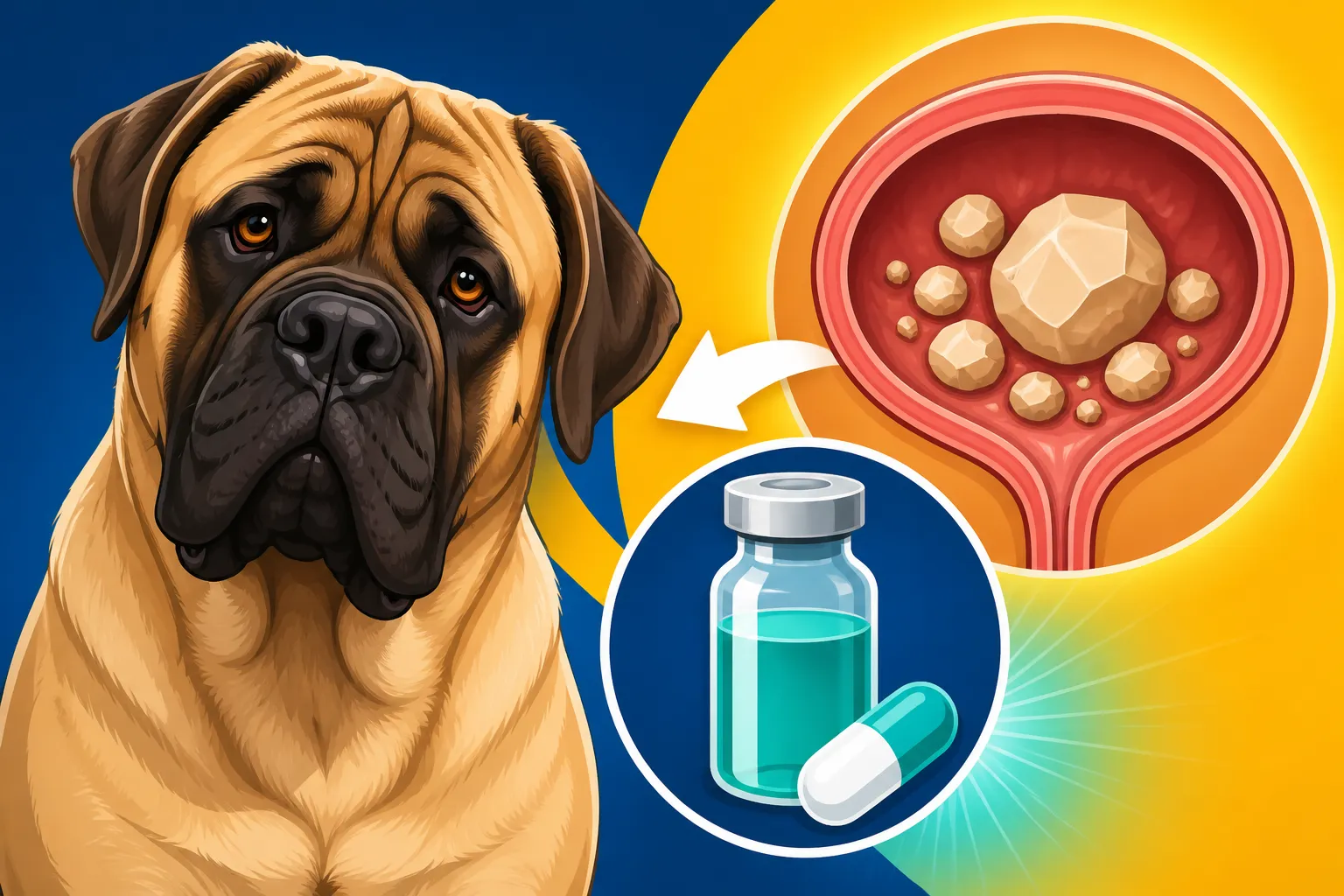
Which Drug Dissolves a Mastiff’s Cystine Stones
It’s heartbreaking to watch your magnificent Mastiff struggle with pain, especially when you know it's caused by something as insidious as bladder stones. The sheer size of these dogs already presents unique challenges for their health, and when you add the acute distress of a urinary blockage, it’s truly terrifying. Owners often feel trapped, facing the daunting prospect of expensive, invasive surgery for their beloved giant. This guide aims to shed light on a crucial medical option: using specific medication to dissolve your Mastiff's challenging cystine stones, offering a glimmer of hope beyond the operating table.
Understanding Cystine Stones in Mastiffs
Cystine stones are a particular type of urinary stone that can form in a dog's bladder or kidneys. Unlike some other stone types that respond to dietary changes or acidification, cystine stones have a specific genetic link and a unique formation pathway, making them a particular challenge for certain breeds.
The Unique Challenge of Type III Cystinuria
Your Mastiff's predisposition to cystine stones isn't just bad luck; it's often rooted in a genetic condition called cystinuria. Specifically, Mastiffs are known to carry the gene for Type III cystinuria, a form that is unique because it's androgen-dependent. This means that the male sex hormones play a significant role in its expression. In simple terms, affected male Mastiffs have a defect in the kidney tubules that prevents them from reabsorbing cystine, an amino acid, back into the bloodstream. Instead, excess cystine is excreted in the urine, where it can crystallize and form stones.
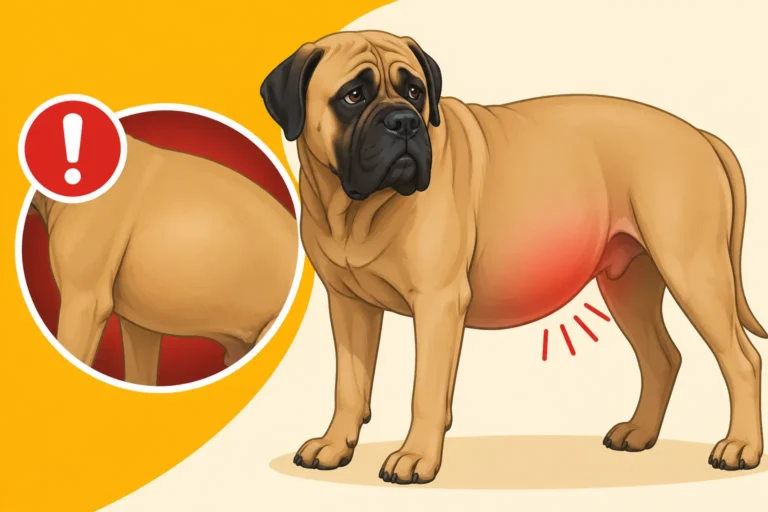
This isn't just an abstract biological process; it has very real, painful consequences. These stones can grow quite large, leading to irritation, infection, and, most critically, blockages. If you have an intact male Mastiff, understanding Cystinuria Type III and the Intact Male Mastiff is paramount, because these are the dogs most at risk. A blocked urethra is an emergency situation, often causing immense pain, inability to urinate, and can quickly become life-threatening due to kidney failure. It's a race against the clock, as The Hours a Blocked Male Mastiff Has are very limited before permanent damage occurs.
When Surgery Seems Like the Only Option
For many dog owners, especially those with large breeds like Mastiffs, the immediate thought when facing urinary stones is surgery. And for good reason – traditionally, a cystotomy (surgical removal of bladder stones) has been the gold standard, particularly for large or multiple stones causing a blockage. It’s an effective way to remove stones quickly and relieve obstruction. However, anyone who has navigated the medical care of a giant breed knows that surgery comes with significant risks and a hefty price tag.
The sheer size of a Mastiff means more anesthetic, more intricate surgical procedures, and a longer, more complicated recovery. Beyond the immediate procedure, the idea of repeated surgeries if stones recur can be financially and emotionally draining. You might be weighing the immediate relief of surgery against the long-term implications and asking if there's any other way to spare your dog (and your wallet) another invasive procedure. It's a completely valid concern, and thankfully, for cystine stones, there can indeed be alternatives to consider.
The Primary Medication for Cystine Stone Dissolution: Thiola (Tiopronin)
When it comes to dissolving existing cystine stones in dogs, there's one specific drug that veterinarians often turn to: Thiola, whose active ingredient is tiopronin. This medication isn't a magic bullet that works overnight, but it has proven to be quite effective for many dogs with cystinuria.
How Thiola Works Its Magic
Tiopronin works by interfering with the chemical process that allows cystine to form crystals and eventually stones. When administered, tiopronin binds with cystine in the urine, creating a new, more soluble compound called a mixed disulfide. This new compound is much less likely to crystallize, thereby preventing new stone formation and, critically, helping to dissolve existing stones. Think of it as a chemical chaperone that escorts cystine out of the body without letting it cause trouble.
For Thiola to be effective, consistency is key. Your Mastiff will likely need to take this medication regularly, often for several weeks to months, depending on the size and number of the stones. It’s not just about giving the pill; it’s about maintaining a therapeutic level in their system to continuously break down the stones. The goal is to gradually shrink the stones until they are small enough to be passed naturally or dissolve entirely. This approach requires patience and close collaboration with your veterinarian.
Navigating Side Effects and Monitoring
While Thiola can be a game-changer for dissolving cystine stones, it’s important to be aware of potential side effects and the necessity of diligent monitoring. Some dogs may experience gastrointestinal upset, such as nausea, vomiting, or diarrhea, especially when first starting the medication or if the dosage is too high. Skin rashes or lethargy are also possible, though less common. Your vet will typically start with a lower dose and gradually increase it, monitoring for any adverse reactions.
Because this is a long-term treatment, regular follow-up appointments are critical. Your veterinarian will likely recommend periodic urinalysis to check for cystine crystals and urine pH, blood tests to monitor kidney and liver function, and most importantly, diagnostic imaging like X-rays or ultrasound to track the size and number of the stones. This ongoing monitoring ensures the medication is working, that your Mastiff is tolerating it well, and helps determine when the stones have dissolved. All these vet visits and the medication itself can add up financially, which is why many Mastiff owners find a robust pet insurance plan like Healthy Paws invaluable for covering these continuous medical expenses. Having that peace of mind can make a huge difference during a challenging time.
Adjunctive Therapies and Management Strategies
While Thiola is the primary drug for dissolving existing cystine stones, it's not the only piece of the puzzle. Effective long-term management of cystinuria in Mastiffs requires a multifaceted approach that includes dietary modifications, ensuring adequate hydration, and for intact males, considering neutering.
Dietary Modifications for Stone Prevention
Diet plays a huge role in both preventing new cystine stones and supporting the dissolution process. The goal is typically a low-protein, alkalinizing diet. Why low protein? Because cystine is an amino acid, and a lower protein diet means less cystine available for stone formation. Alkalinizing the urine helps keep cystine more soluble, making it less likely to crystallize.
Your veterinarian will be able to recommend specific prescription diets formulated for this purpose. Brands like Royal Canin Urinary SO or Hill's Prescription Diet u/d are often prescribed, though the exact recommendation will depend on your Mastiff's individual needs. It's critical that any dietary changes are made under veterinary supervision, especially for a giant breed. They have specific nutritional requirements, and you don't want to inadvertently cause other health issues while trying to manage stones. These specialized diets might also be beneficial for Why Neutering Changes a Cystinuric Mastiff's Diet.
The Critical Role of Hydration
Diluting the urine is one of the simplest yet most effective ways to prevent stones from forming and aid in the dissolution of existing ones. The more diluted the urine, the lower the concentration of cystine, and thus the less likely it is to precipitate out and form crystals. This means encouraging your Mastiff to drink as much water as possible.
How do you get a Mastiff, already prone to being a creature of comfort, to drink more? Consider adding water to their kibble, feeding wet food, or even incorporating low-sodium chicken or beef broth into their water bowl to entice them. Multiple water bowls placed throughout the house, and even a water fountain, can also encourage more frequent sips. It might seem like a small detail, but consistent, increased water intake is a cornerstone of managing cystinuria. Keeping their urine dilute is a battle you'll fight daily, but it's one of the most important battles to win. You might want to refer to How Much Water a Cystinuric Mastiff Needs for more detailed advice.
The Impact of Neutering on Cystinuria
As mentioned, Type III cystinuria in Mastiffs is androgen-dependent. This is a critical piece of information, as it means that the male sex hormones (androgens) directly influence the amount of cystine excreted in the urine. Therefore, for intact male Mastiffs diagnosed with cystinuria, neutering can be a highly effective, and often recommended, part of the management strategy.
Removing the source of these hormones can dramatically reduce the excretion of cystine, thereby preventing future stone formation. While neutering won't dissolve existing stones, it can create an environment where Thiola can work more effectively without constantly battling new stone formation. Many veterinarians will discuss this option in conjunction with medical dissolution and dietary changes. It's a significant decision, but for many owners of affected male Mastiffs, it can be a long-term solution to a very painful problem. You might find further clarity in understanding Whether Neutering Resolves a Mastiff's Cystinuria.
What to Expect: The Dissolution Journey
Embarking on the journey of dissolving cystine stones with medication is a commitment. It requires patience, consistency, and close monitoring. It's not a quick fix, and understanding the realistic timeline and potential challenges is key to managing expectations.
Timeline for Stone Dissolution
The time it takes for cystine stones to dissolve using Thiola can vary significantly. Factors like the size and number of the stones, how consistently the medication is given, and how well your Mastiff responds to the treatment all play a role. Generally, owners should be prepared for a process that can take anywhere from a few weeks to several months. Smaller stones might dissolve relatively quickly, while larger or multiple stones will naturally take longer.
Regular re-evaluation by your veterinarian using X-rays or ultrasound is absolutely essential to track progress. These imaging techniques allow the vet to visually confirm if the stones are shrinking or disappearing. It’s incredibly rewarding to see those images showing tangible progress, but it also helps your vet adjust the treatment plan if needed. Don't get discouraged if the process feels slow; it's a marathon, not a sprint, and every bit of shrinkage is a win.
When Dissolution Isn't Enough
While medical dissolution with Thiola is often successful, it's important to acknowledge that it doesn't work for every Mastiff in every situation. There are instances where dissolution might not be enough, or it might fail entirely. This could happen if:
- Stones are too large or numerous: Very large stones might be too dense or extensive for dissolution to be practical within a reasonable timeframe.
- Persistent blockage: If stones cause repeated or irreducible blockages, especially a complete urethral obstruction, immediate surgical intervention (such as a cystotomy or urohydropropulsion) becomes necessary to save your dog's life and alleviate suffering. Why a Blocked Mastiff Cannot Wait Until Morning underscores this urgency.
- Poor compliance: Missing doses or inconsistent administration of Thiola can severely hinder its effectiveness.
- Intolerance to medication: Some dogs may not tolerate the side effects of Thiola, making long-term treatment impossible.
In these scenarios, despite best efforts, surgery might still be the most viable or only option. This can be a tough pill to swallow, especially after investing time and resources into medical dissolution. It highlights the importance of having financial planning in place, perhaps through pet insurance like Healthy Paws, which can help mitigate the significant costs of emergency surgery or long-term management of chronic conditions. Knowing the financial safety net is there can allow you to make the best medical decisions for your Mastiff without added stress.
Here’s a quick overview contrasting medical dissolution with surgical intervention for cystine stones:
| Feature | Medical Dissolution (Thiola/Tiopronin) | Surgical Removal (Cystotomy) |
|---|---|---|
| Method | Oral medication, dietary changes, hydration | Invasive surgery to physically remove stones |
| Primary Goal | Dissolve existing stones, prevent new ones | Immediate removal of existing stones |
| Timeframe | Weeks to months | Immediate (post-surgery recovery) |
| Invasiveness | Non-invasive | Highly invasive |
| Anesthesia | Not required for dissolution | Required |
| Side Effects | GI upset, skin issues (Thiola) | Surgical risks, pain, infection, recovery time |
| Cost | Ongoing medication, vet visits, specialized diet | High upfront cost for surgery, anesthesia, hospitalization |
| Recurrence | Still possible without ongoing management | Still possible if underlying cause not addressed |
| Best For | Dissolvable stones, long-term management | Emergency blockages, large/non-dissolvable stones |
Disclaimer
The information provided in this article is for general informational purposes only and is not a substitute for professional veterinary advice. Always consult with a qualified veterinarian for any health concerns or before making any decisions related to your Mastiff's medical care.