Why Neutering Changes a Cystinuric Mastiff’s Diet
Discovering that your magnificent male Mastiff is prone to cystine stones, a painful and potentially life-threatening condition, can be incredibly daunting. Many owners find themselves navigating a complex world of specialized diets, frequent vet visits, and the constant worry of a urinary blockage. This guide is here to unravel why, for many Mastiffs dealing with cystinuria, the decision to neuter isn't just about reproduction but fundamentally changes the game for their dietary management, offering a path to reduce stone formation and alleviate some of that ever-present anxiety.
Understanding Cystinuria Type III in Male Mastiffs
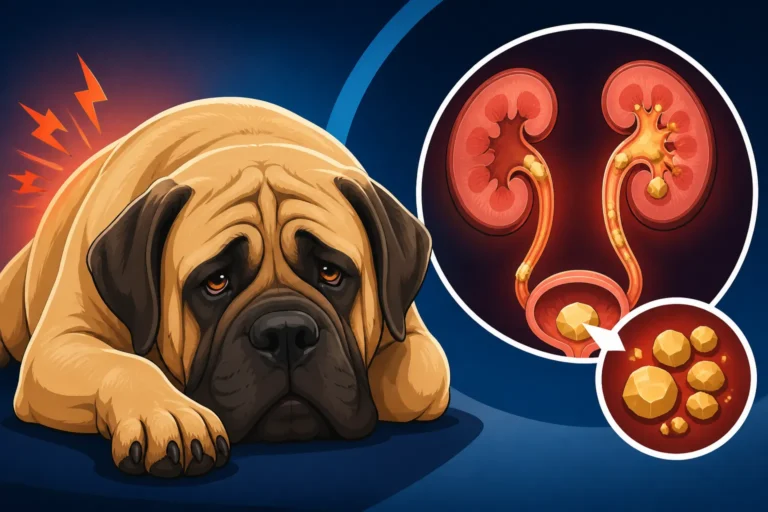
Cystinuria is a metabolic disorder where the kidneys don't properly reabsorb certain amino acids, including cystine, back into the bloodstream. Instead, these amino acids are excreted in high concentrations in the urine, leading to the formation of crystals and, eventually, painful stones. For Mastiff owners, it's crucial to understand that their breed is particularly susceptible to a specific form, Type III, which behaves differently from other types found in different breeds. This isn't just a generic kidney issue; it's a condition with unique characteristics that profoundly impact treatment, especially diet.
The Androgen-Dependent Nature of Cystinuria
The Type III cystinuria seen in Mastiffs is unique because it's considered "androgen-dependent." This means the production and excretion of cystine in the urine are significantly influenced by male hormones, specifically androgens like testosterone. In layman's terms, the very hormones that make a male Mastiff a male Mastiff also contribute to his body producing and excreting higher levels of cystine, making him more susceptible to stone formation. It's a cruel twist of fate for these majestic dogs and their devoted owners.
Imagine the frustration: you’re trying everything to manage your boy’s diet, carefully measuring and scrutinizing every morsel, only to learn that an internal hormonal factor is constantly working against your efforts. This dependency on male hormones is a critical piece of the puzzle, explaining why intact males are almost exclusively the ones affected, and why a treatment approach might involve more than just dietary changes. Knowing that Why Mastiff Cystinuria Is Androgen Dependent truly highlights the core challenge for these dogs.
The Formation of Cystine Stones
When cystine concentrations in the urine are consistently high, it creates an environment ripe for crystallization. Think of sugar dissolving in water – if you add too much, it won't all dissolve and will form crystals at the bottom. The same principle applies here. These microscopic cystine crystals can then aggregate, growing larger and forming stones within the urinary tract. These stones can develop in the kidneys, but more commonly, they form and cause problems in the bladder.
The real danger, however, comes when these stones migrate. Because male dogs have a longer, narrower urethra than females, a stone moving from the bladder into the urethra can easily become lodged, causing a complete urinary obstruction. This is a medical emergency; a dog that cannot urinate can suffer kidney damage, electrolyte imbalances, and bladder rupture within a matter of hours. The phrase "life-threatening" isn't an exaggeration here. Owners often live with the constant dread of The Age a Mastiff First Blocks, knowing that an emergency trip to the vet is always a possibility, and that Why a Blocked Mastiff Cannot Wait Until Morning is a stark reality.
Dietary Management for Intact Cystinuric Mastiffs
Managing the diet of an intact male Mastiff with cystinuria is a meticulous and often stressful undertaking. The goal is to create a urinary environment that discourages the formation of those troublesome cystine stones. This isn't just about what they eat, but also the chemical balance and volume of their urine. For a breed as large as a Mastiff, every dietary adjustment is magnified, from the sheer quantity of food to the cost and logistical challenges of sourcing specialized ingredients.
The Goal of a Pre-Neutering Diet
Before neutering, the dietary strategy for an intact cystinuric Mastiff is incredibly focused: reduce the amount of cystine being excreted in the urine and make the urine less hospitable for crystal formation. This typically involves a three-pronged approach. First, the diet aims to be low in protein, specifically proteins rich in the amino acid methionine, which is a precursor to cystine. By reducing methionine intake, the body has less material to convert into cystine.
Second, the diet works to alkalinize the urine, meaning to make it less acidic. Cystine stones are more likely to form in acidic urine, so increasing the pH can help keep cystine dissolved and prevent crystals from aggregating. This often involves specific dietary additives or prescription foods. Finally, and perhaps most crucially for a giant breed, is maximizing water intake to dilute the urine. The more dilute the urine, the lower the concentration of cystine, making stone formation less likely. Balancing these factors while ensuring your Mastiff gets adequate nutrition and actually eats the food can feel like a full-time job. Many owners worry about How Much Water a Cystinuric Mastiff Needs, as it's a fundamental part of prevention.
Specific Dietary Components and Restrictions
To achieve these goals, a pre-neutering diet for a cystinuric Mastiff often involves significant restrictions and specific food choices. High-protein meat sources, especially those rich in methionine like poultry or eggs, might be severely limited. Instead, vets often recommend prescription diets formulated specifically for stone prevention, such as Hill's u/d or Royal Canin Urinary SO. These diets are carefully balanced to be low in protein, often using plant-based proteins or highly digestible animal proteins in controlled amounts.
Beyond protein, the diet will likely include urine alkalinizers like potassium citrate, either as an ingredient in the food or as a separate supplement. The goal is to consistently maintain a urine pH between 7.0 and 8.0. Sodium content might be carefully adjusted – sometimes slightly higher to encourage drinking, but never excessively high, as that can lead to other health issues. For a Mastiff that eats many pounds of food a day, these specialized diets can be incredibly expensive and logistically challenging to store. Regular urine tests are essential to confirm the diet is working, making How Often an Intact Male Mastiff's Urine Is Checked a critical question for owners.
The Impact of Neutering on Cystinuria Management
The decision to neuter a male Mastiff, especially one with cystinuria, is a significant one that extends far beyond preventing unwanted litters. For many owners grappling with the complexities of this condition, neutering offers a profound shift in management, primarily by addressing the root cause of the androgen-dependent cystine excretion. It’s a step that can dramatically alter the daily routine and long-term prognosis, offering a glimmer of hope for a less stone-filled future.
Hormonal Shifts and Cystine Excretion
Neutering, or orchiectomy, involves the surgical removal of the testes, which are the primary source of testosterone and other androgens in male dogs. Once these hormone-producing organs are removed, the levels of androgens in the Mastiff's body begin to decline. This reduction in male hormones directly impacts the kidneys' handling of cystine. For Mastiffs with Type III cystinuria, lower androgen levels typically lead to a significant decrease in the amount of cystine excreted in the urine.
This physiological change is nothing short of revolutionary for managing the condition. Owners often breathe a sigh of relief as the constant battle against high cystine levels becomes less intense. While it’s not an instantaneous cure – it takes time for hormone levels to drop and for the body to adjust – the long-term effect is generally a much lower risk of stone formation. This is why a vet might discuss Whether Neutering Resolves a Mastiff's Cystinuria as a primary management strategy, as it often reduces the disease expression to a much more manageable level, sometimes almost eliminating stone recurrence.
Shifting Dietary Priorities Post-Neutering
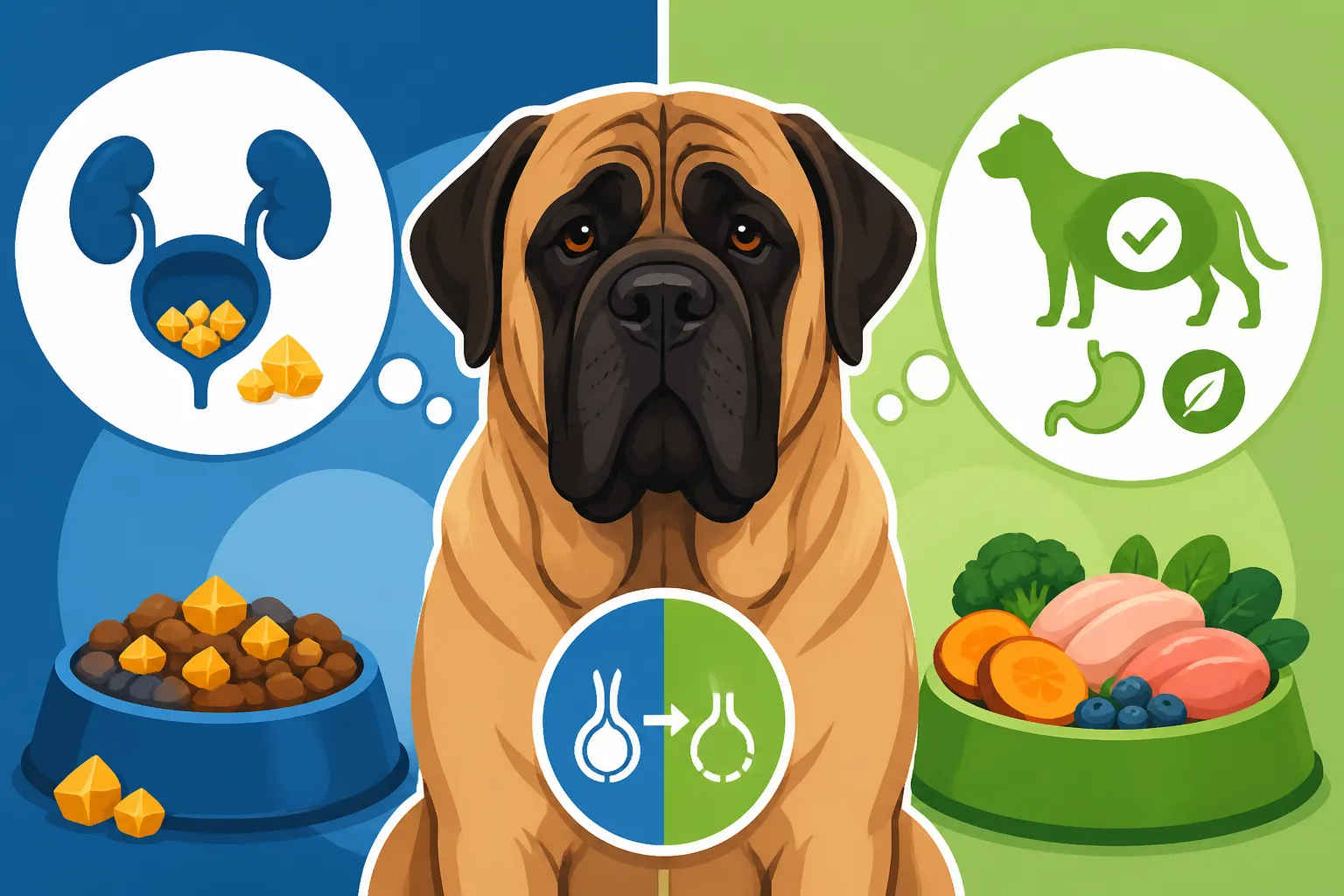
With the significant reduction in androgen levels post-neutering, the dietary strategy for a cystinuric Mastiff can often be relaxed considerably. The intense, often restrictive, low-protein, alkalinizing diets may no longer be strictly necessary. This doesn't mean you can throw caution to the wind, but it does mean a pivot from a highly specialized, 'stone-prevention-only' diet to a more balanced, giant-breed-appropriate diet with ongoing vigilance.
The emphasis shifts from aggressive cystine reduction to maintaining general urinary tract health and preventing other potential issues. While keeping your Mastiff well-hydrated and monitoring urine pH are still important lifelong habits, the urgency and strictness of the pre-neutering diet often subside. This can be a huge relief for owners, both financially and practically. It opens the door to a wider range of high-quality foods that support a Mastiff’s overall health, especially important for a breed that already carries a lot of weight and needs strong joint support and good muscle mass, without the fear of exacerbating cystinuria.
Crafting a Post-Neutering Diet for a Cystinuric Mastiff
Transitioning to a post-neutering diet for a Mastiff with cystinuria requires careful consideration and a partnership with your veterinarian. The goal is to maintain the benefits gained from neutering while providing optimal nutrition for a giant breed. It’s about finding a sweet spot that supports their immense size and unique needs without reintroducing unnecessary risks for stone formation. This can feel like navigating a new landscape after years of strict adherence to a specific regimen.
Reintroducing a Balanced Diet
Once your Mastiff has recovered from neutering and sufficient time has passed for hormone levels to stabilize, you can begin the process of slowly reintroducing a more balanced diet. This might mean moving away from extremely low-protein prescription foods to a high-quality adult maintenance diet formulated for large or giant breeds. Look for reputable brands that prioritize balanced nutrition, not just low protein, but also provide adequate protein for muscle maintenance without being excessively high.
While the strict methionine restrictions can often be eased, it's wise to still be mindful of ingredients. Avoid diets that are exceptionally high in methionine-rich proteins if your vet recommends continued caution. Many high-quality kibbles offer excellent nutritional profiles for Mastiffs, supporting their growth and joint health. The transition should be gradual, mixing increasing amounts of the new food with the old over several days to weeks to prevent digestive upset. This flexibility is a welcome change for many, allowing for a broader spectrum of What a Mastiff Needs Every Day in terms of sustenance.
| Dietary Aspect | Intact Cystinuric Mastiff (Pre-Neutering) | Neutered Cystinuric Mastiff (Post-Neutering) |
|---|---|---|
| Protein Level | Very Low to Moderate (low methionine) | Moderate (appropriate for giant breed) |
| Urine pH Goal | Alkaline (pH 7.0-8.0) | Slightly Alkaline to Neutral (pH 6.5-7.5) |
| Primary Goal | Reduce cystine excretion, prevent stone formation | Maintain urinary health, general well-being |
| Food Type Often Used | Prescription urinary diets (e.g., Hill's u/d, Royal Canin Urinary SO) | High-quality adult giant breed formulas, home-prepared (with vet guidance) |
| Supplements | Often potassium citrate, sometimes Thiola | Less common, potentially cranberry or general urinary support |
| Hydration | Critical and emphasized | Still very important, but perhaps less aggressive encouragement needed |
| Monitoring Frequency | Very frequent urine analyses, sometimes imaging | Regular annual check-ups, urine analysis as needed |
Ongoing Monitoring and Adjustments
Even after neutering and adjusting the diet, ongoing monitoring is still essential for a Mastiff with a history of cystinuria. Neutering dramatically reduces the risk, but it doesn't entirely eliminate the genetic predisposition in every single dog. Your veterinarian will likely recommend periodic urine analyses to check for the presence of cystine crystals, urine pH, and specific gravity. The frequency might be reduced compared to an intact dog, perhaps every 6-12 months, but it should never be skipped.
If crystals reappear or the urine pH shifts, it might signal the need for a temporary return to a more restrictive diet or the introduction of medications such as Tiopronin (Thiola). This drug actively binds to cystine, making it more soluble in urine and less likely to form stones. However, it's a potent medication with potential side effects, often considered when diet and neutering alone aren't sufficient. Having a safety net like pet insurance from providers like Healthy Paws can offer incredible peace of mind when facing unexpected diagnostics or the potential for medication. They can help cover the costs of these necessary, ongoing veterinary interventions, ensuring your Mastiff gets the best possible care without added financial stress during an already worrying time.
Beyond Diet: Holistic Management for Neutered Cystinuric Mastiffs
While dietary changes are paramount, managing a neutered Mastiff with cystinuria extends into broader aspects of their daily life and veterinary care. It’s about creating a comprehensive strategy that supports their urinary health and overall well-being, acknowledging that even with neutering and a tailored diet, vigilance remains key. For these magnificent giants, every element of care needs to be considered, especially as they age.
Hydration as a Lifelong Strategy
Regardless of neutering status or dietary specifics, optimal hydration remains a cornerstone of cystinuria management throughout your Mastiff's life. Dilute urine is less likely to form crystals, even if some cystine is still being excreted. This means being proactive about encouraging your Mastiff to drink plenty of water. It's not enough to just put a bowl down; for some dogs, you need to make drinking an enticing activity.
Consider multiple water bowls placed strategically around the house, perhaps a ceramic or stainless steel bowl that stays cool, or even a pet drinking fountain which provides circulating, fresh water that many dogs find more appealing. Adding a little low-sodium broth to their water or incorporating wet food into their diet can significantly boost their fluid intake. For a Mastiff, every bit of extra hydration helps keep their urinary system flushed and healthy. It directly addresses the concern of How Much Water a Cystinuric Mastiff Needs to help prevent those crystals from ever forming.
Lifestyle and Veterinary Partnership
Managing a Mastiff with cystinuria requires a dedicated and ongoing partnership with your veterinarian. Regular check-ups are non-negotiable, providing opportunities to monitor their overall health, assess their urinary tract, and make any necessary dietary or medical adjustments. Your vet may recommend periodic diagnostic tests, such as urine specific gravity measurements, urine sediment analysis, or even imaging like ultrasound or X-rays, especially if there are any signs of discomfort or changes in urination.
Remember that even with proactive management, complications can sometimes arise. Being prepared for potential veterinary costs, whether through an emergency fund or pet insurance, is a wise decision for any Mastiff owner, especially with a breed predisposed to certain health issues. Providers like Healthy Paws can be invaluable here, helping to mitigate the financial burden of diagnostics, medications, or even potential emergency surgeries if a stone recurrence occurs. This proactive approach ensures that your Mastiff receives timely and comprehensive care, helping them to live the longest, healthiest life possible, even with their unique challenges. After all, The Mastiff's Short Life Buys the Biggest Bills, and having support for their care can make all the difference.
Disclaimer
This article is intended for informational purposes only and does not constitute veterinary advice. Always consult with a qualified veterinarian for any health concerns or before making any decisions related to your Mastiff's medical care, diet, or treatment plan.