Whether Early Neutering Raises a Mastiff’s Cancer Risk
For many Mastiff owners, the decision of when, or even if, to neuter their beloved giant is fraught with worry. It’s not just about preventing unwanted litters; there's a growing body of research suggesting that the timing of this common procedure could have significant long-term health implications, particularly concerning the risk of certain cancers in large and giant breeds. This guide aims to unpack the complexities surrounding early neutering and its potential connection to increased cancer risk in Mastiffs, helping you navigate this crucial decision with confidence.
Understanding the Neutering Debate for Giant Breeds
The discussion around neutering has changed quite a bit over the years. What was once a routine procedure recommended universally for puppies, especially males, is now something that warrants careful consideration, particularly for our magnificent Mastiffs. Their unique physiology and growth patterns mean that "one-size-fits-all" advice simply doesn't cut it.
The Traditional Advice vs. Evolving Research
For decades, the standard recommendation from many veterinarians was to neuter male dogs around six months of age. The benefits touted were numerous: preventing testicular cancer, reducing the risk of prostate issues, curbing undesirable behaviors like roaming and marking, and of course, population control. For smaller and medium-sized breeds, this advice still holds considerable merit, and the associated risks are generally low. However, as we've gained more insight into canine endocrinology and the role of hormones in development, especially in giant breeds, a different picture has begun to emerge.
Newer research, often prompted by observations from breeders and owners of large breeds, suggests that removing gonadal hormones too early can interrupt crucial growth plate closure and impact bone density, muscle development, and even immune system function. These hormones, testosterone in males and estrogen in females, play a much larger role than just reproduction; they are integral to the musculoskeletal system's maturation. This evolving understanding has led many to question whether early neutering, while beneficial for some breeds, might be detrimental to others, especially those with an extended growth period and a predisposition to orthopedic issues or certain cancers. The shift in perspective means that what was once considered absolute best practice is now being re-evaluated under a more nuanced lens.
Why Mastiffs Are Different from Smaller Breeds
Mastiffs are not your average dog. They are a true giant breed, capable of reaching weights of over 200 pounds and continuing to grow and "fill out" for up to three years. This extended growth phase is a critical distinguishing factor when discussing neutering. A small terrier might reach its full skeletal maturity by 9-12 months, but a Mastiff's bones, joints, and musculature are still developing well beyond this point. When the sex hormones are removed prematurely, this natural development process can be disrupted.
Consider the immense stress that a Mastiff's sheer bulk places on its joints. Issues like hip and elbow dysplasia are already concerns within the breed. If the growth plates, which are still open and influenced by hormones, close prematurely or develop abnormally due to the absence of these hormones, it could potentially exacerbate these orthopedic problems. The goal for a Mastiff puppy is to ensure a slow, steady, and complete maturation of its skeletal system. Removing the hormonal cues that guide this process too early can set a large dog up for structural weaknesses later in life. This physiological reality is why a tailored approach, rather than a generic one, is essential for our gentle giants. Owners are often encouraged to limit intense exercise in young Mastiffs for this very reason, to protect their developing joints, and neutering timing plays into this careful management of growth.
The Link Between Early Neutering and Cancer Risk in Mastiffs
The core of the debate for many Mastiff owners revolves around the potential link between neutering, especially early neutering, and the risk of specific cancers. While neutering does eliminate the risk of testicular cancer, the picture becomes more complex when looking at other forms of cancer that can afflict these magnificent dogs.
Osteosarcoma and Hemangiosarcoma Concerns
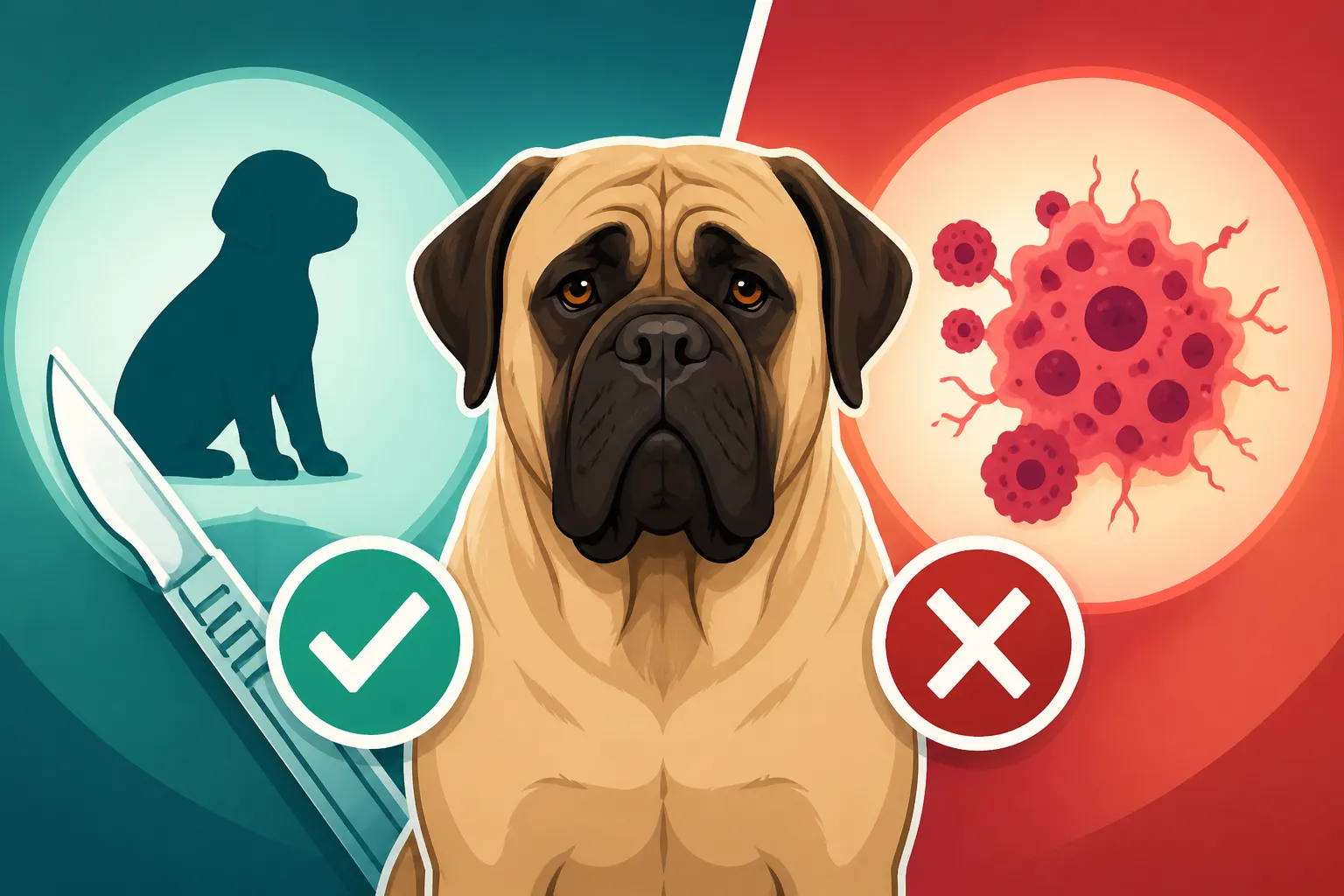
Two types of cancer frequently cited in discussions about neutering timing in giant breeds are osteosarcoma and hemangiosarcoma. Osteosarcoma, an aggressive bone cancer, is a particularly devastating diagnosis for large and giant breeds like the Mastiff. Some studies have indicated a higher incidence of osteosarcoma in neutered males and females compared to intact dogs, particularly when neutering occurs at a younger age. The hypothesis here suggests that gonadal hormones might play a protective role, or that their early removal somehow alters bone metabolism or immune surveillance in a way that increases susceptibility. Given that Mastiffs already have a predisposition to osteosarcoma, this potential link is a significant concern for owners.
Hemangiosarcoma, another aggressive and often fatal cancer affecting the blood vessels, particularly of the spleen, heart, or skin, has also been implicated in some research. While the evidence connecting it directly to neutering timing is not as robust or consistent across all studies as with osteosarcoma, it remains a serious health worry for Mastiff owners. The long-term impact on a Mastiff’s health can mean substantial veterinary bills, and this is where careful planning, perhaps with pet insurance providers like Healthy Paws, can offer peace of mind, covering a significant portion of unexpected costs. Understanding Whether a Mastiff Gets Osteosarcoma is crucial for any owner.
Hormonal Influence on Cancer Development
The scientific basis behind these concerns lies in the intricate interplay of hormones within the body. Sex hormones, such as testosterone and estrogen, are not just responsible for reproductive functions; they also influence cell growth, metabolism, and immune responses throughout the body. When these hormones are removed, particularly before a dog's body has fully matured, it can lead to a cascade of hormonal imbalances and altered physiological processes. For instance, the absence of sex hormones can lead to increased levels of other hormones, like luteinizing hormone (LH), which some researchers hypothesize might stimulate the growth of certain cancer cells.
Furthermore, these hormones contribute to the overall development and maintenance of various tissues, including bone, connective tissue, and the immune system. Disrupting this hormonal environment during critical developmental stages in a breed that already carries certain genetic predispositions could theoretically create a less resilient internal environment. This doesn't mean every neutered Mastiff will get cancer, but it highlights a potential risk factor that warrants consideration, especially when striving to give these dogs the longest, healthiest life possible within their Six to Ten Years Is What a Mastiff Gets average lifespan.
Specific Studies and Their Limitations
Several landmark studies have contributed to our current understanding, though it's important to remember that much of this research is ongoing and complex. A frequently cited study out of the University of California, Davis, looked at golden retrievers, a breed with similarities to Mastiffs in terms of size and cancer predisposition. This study observed higher rates of certain cancers, including hemangiosarcoma and lymphosarcoma, in golden retrievers neutered before one year of age. Another study on Rottweilers similarly found an increased risk of osteosarcoma in early-neutered dogs.
While these studies provide compelling data for specific breeds, direct large-scale research specifically on Mastiffs remains somewhat limited. The challenge lies in controlling for all variables – genetics, diet, environment, and individual health – across a diverse population of dogs. Additionally, retrospective studies, which look back at existing medical records, can show correlations but don't always prove causation. It's also worth noting that the "early" neutering age often varies between studies, further complicating direct comparisons. What is clear, however, is that for giant breeds, neutering before full skeletal maturity (often around 18-24 months, or even later for Mastiffs) appears to carry a higher risk for certain health conditions than neutering later or remaining intact. This evidence is strong enough that Why Neutering Age Matters More in a Male Mastiff has become a key consideration.
Here's a simplified overview of common neutering ages and associated potential risks in giant breeds:
| Neutering Age Category | Potential Orthopedic Risks (e.g., Hip Dysplasia, Cruciate Tears) | Potential Cancer Risks (e.g., Osteosarcoma, Lymphoma, Hemangiosarcoma) | Other Potential Risks/Considerations | Benefits |
|---|---|---|---|---|
| Early (Before 6-12 months) | Higher risk due to incomplete growth plate closure, altered bone density | Potentially increased risk for certain cancers (osteosarcoma, hemangiosarcoma) | Potential impact on temperament (shyness, fear), higher body fat | Eliminates testicular cancer, reduced prostate issues, prevents pregnancy |
| Juvenile (12-24 months) | Moderate risk, dependent on individual maturity | Potentially reduced cancer risk compared to early neutering, but still present | Some behavioral benefits may be lost | Eliminates testicular cancer, reduced prostate issues, prevents pregnancy |
| Mature (24+ months / Intact) | Lowest orthopedic risk as growth plates are closed | Risk of testicular cancer, prostate enlargement/infection (intact males) | Retains full hormonal influence, potentially more robust skeletal system | Maintains full hormonal health, potentially lower risk for certain cancers |
Other Health Considerations Beyond Cancer for Neutering Mastiffs
While cancer risk is a major concern, the decision to neuter a Mastiff has wider implications for their overall health and well-being. It's a balance of potential risks and benefits that every owner must carefully weigh.
Orthopedic Issues and Joint Health
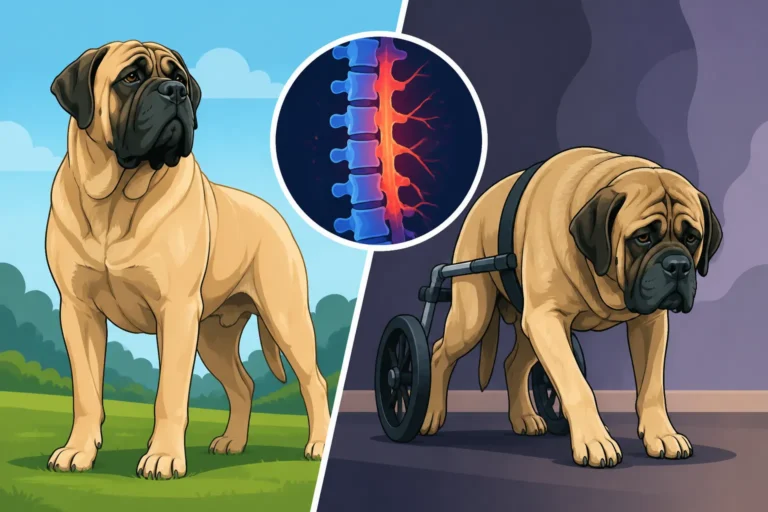
As mentioned earlier, a Mastiff's long growth period means their bones and joints are particularly vulnerable to disruption. Early neutering can impact the closure of growth plates, leading to longer limb bones and altered joint conformation. This, in turn, can increase the risk of orthopedic problems like hip and elbow dysplasia, as well as cranial cruciate ligament (CCL) tears. Imagine the immense strain placed on a Mastiff's knee joint if its bones have grown disproportionately long or if the joint itself hasn't developed optimally. These are conditions that can lead to chronic pain, lameness, and require expensive surgeries, making the proactive care for How Common Hip Dysplasia Is in Mastiffs and Whether a Mastiff Gets Osteochondritis in the Shoulder a cornerstone of responsible Mastiff ownership.
The hormones involved in sexual development are critical for signaling the proper cessation of bone growth. Removing these signals too soon can leave bones growing for longer than they should, leading to a less robust, more "gangly" skeletal structure that isn't as well-suited to support the Mastiff's eventual massive weight. This is why many breeders and veterinarians now advocate for waiting until at least 18-24 months, if not longer, to allow for full skeletal maturity before neutering giant breeds. Protecting these crucial joints by allowing natural growth processes to complete is paramount, and it also underscores why Why a Mastiff Puppy Must Not Be Exercised Hard is so important.
Behavioral and Metabolic Impacts
Neutering can also have an impact beyond physical health, influencing a Mastiff's behavior and metabolism. While many people neuter to reduce unwanted behaviors like aggression, roaming, or marking, the effects can be more complex, particularly for a sensitive breed like the Mastiff. In some cases, early neutering has been linked to increased shyness or fear-based behaviors, as hormones also play a role in confidence and emotional development. If a Mastiff is already prone to being reserved or cautious, removing these hormones prematurely might exacerbate such tendencies rather than resolve them. It's a common misconception that neutering is a magic bullet for all behavioral issues; often, training and socialization are far more impactful.
Metabolically, neutered dogs tend to have a slower metabolism and a greater propensity to gain weight. This is a significant concern for Mastiffs, as obesity places extra strain on their already stressed joints and can shorten their lifespan. Owners of neutered Mastiffs must be extra diligent with diet and controlled exercise to prevent weight gain, ensuring they remain lean. A lean Mastiff is generally a healthier Mastiff, reducing the risk of conditions like Arthritis in a Mastiff at Four.
The Benefits of Neutering for Disease Prevention
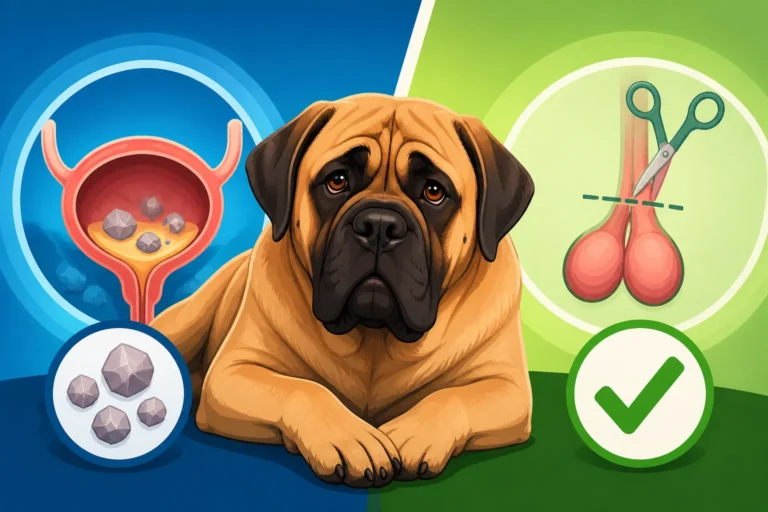
Despite the concerns, it's crucial not to overlook the undeniable benefits of neutering. For male Mastiffs, neutering completely eliminates the risk of testicular cancer, a disease that can be aggressive and difficult to treat. It also significantly reduces the risk of benign prostatic hyperplasia (BPH), prostate infections (prostatitis), and perianal adenomas (tumors around the anus), which are more common in intact older males. While these conditions might seem less dramatic than cancer, they can cause significant discomfort and require intensive veterinary intervention.
In rare cases, intact male Mastiffs can suffer from conditions like Type III Cystinuria, a genetic metabolic disorder that causes the formation of kidney and bladder stones. While diet and medication can manage it, neutering is often a recommended part of the treatment plan, as the formation of these stones is androgen-dependent. What Stone Surgery Costs on a Mastiff can be astronomical, making prevention key. So, while we carefully consider the risks of early neutering, the preventative health benefits for specific, direct conditions are real and should be part of the holistic discussion with your vet.
Making an Informed Decision About Neutering Your Mastiff
Navigating the choice of when or if to neuter your Mastiff is deeply personal and should be approached with a thorough understanding of all factors. There's no single right answer for every dog, as genetics, lifestyle, and individual health all play a role.
Consulting Your Veterinarian and Breeder
The most important step in making this decision is to have an open and honest conversation with both your veterinarian and your Mastiff's breeder. Your vet knows your individual dog's health history, current condition, and local prevalence of certain diseases. They can discuss the specific risks and benefits in the context of your Mastiff. Don't be afraid to ask detailed questions about the latest research on giant breeds and neutering. If your vet isn't familiar with the nuances for giant breeds, consider seeking a second opinion from a veterinary specialist or a vet who regularly treats large and giant dogs.
Your Mastiff's breeder can also provide invaluable insights. Reputable breeders are deeply invested in the health and longevity of their lines and often have strong opinions and experience regarding neutering timing. They can share information about the health history of your dog's parents and relatives, including any predispositions to cancer or orthopedic issues. They might even have specific recommendations based on observations across multiple generations of their Mastiffs. A good breeder will be a lifelong resource and should be happy to discuss this critical decision with you.
Weighing the Pros and Cons for Your Individual Dog
Ultimately, the decision comes down to weighing the unique pros and cons for your Mastiff. Consider their genetic background (are there known cancer lines? Hip issues?), their activity level, your ability to manage an intact dog (preventing unwanted pregnancies, managing male behaviors), and their overall health trajectory.
Potential Downsides of Early Neutering (before 18-24 months):
- Increased Risk of Certain Cancers: Potentially higher incidence of osteosarcoma and hemangiosarcoma.
- Orthopedic Issues: Greater risk of hip dysplasia, elbow dysplasia, and cranial cruciate ligament tears due to altered growth plate closure.
- Behavioral Changes: Possible increase in shyness, fear, or anxiety.
- Metabolic Slowdown: Increased likelihood of weight gain and obesity, putting strain on joints.
Potential Benefits of Neutering (at any age):
- Eliminates Testicular Cancer: A direct and undeniable benefit for male dogs.
- Reduces Prostate Issues: Significantly lowers the risk of BPH, prostatitis, and perianal tumors.
- Prevents Unwanted Pregnancy: Crucial for population control.
- Behavioral Management: Can reduce roaming, marking, and certain types of aggression in some individuals.
Many experts now suggest considering "late neutering" (after 18-24 months) for giant breeds like Mastiffs, allowing them to reach full skeletal maturity before the hormonal changes occur. Some owners also explore vasectomies (for males) or tubal ligations (for females) as alternatives to traditional neutering, which prevent reproduction but retain the beneficial hormones. However, these are less commonly performed and might not eliminate all the health risks associated with intact dogs (e.g., prostate issues).
Financial Planning for Potential Health Issues
Regardless of when or if you neuter your Mastiff, the reality of owning a giant breed is that their veterinary bills can be substantial throughout their life. From routine care to unexpected emergencies, the sheer size of a Mastiff often translates to higher costs for everything from medication dosages to surgical procedures. Understanding Why a Mastiff's Bills Arrive Front Loaded is critical for responsible ownership.
If your Mastiff were to develop a serious health condition like osteosarcoma or require extensive orthopedic surgery due to joint issues, the financial burden could be immense. This is where pet health insurance can be an invaluable tool. Providers like Healthy Paws offer comprehensive coverage that can help offset the costs of accidents, illnesses, and even some hereditary conditions. Having a robust pet insurance plan in place means that you can focus on providing the best possible care for your Mastiff without the added stress of overwhelming vet bills. Investing in a good policy when your Mastiff is young and healthy can be a prudent decision, ensuring you're prepared for whatever health challenges may arise, regardless of your neutering choices.
Disclaimer
This article is intended for informational purposes only and does not constitute veterinary advice. Always consult with a qualified veterinarian regarding your Mastiff's specific health needs and before making any decisions about their care, including neutering. Every dog is an individual, and what is appropriate for one may not be for another.