How Often an Intact Male Mastiff’s Urine Is Checked
For intact male Mastiffs, the worry about their urinary health is a real and often overlooked concern. Unlike many breeds, or even female Mastiffs, these magnificent giants face specific, hormone-driven risks that can lead to painful, life-threatening urinary blockages. Understanding how often an intact male Mastiff's urine should be checked isn't just about good pet ownership; it's about proactive care that can literally save their life and prevent immense suffering. This comprehensive guide will walk you through the unique challenges, recommend a practical urine monitoring schedule, and explain the crucial steps involved in keeping your big boy healthy.
Understanding the Unique Urinary Risks for Intact Male Mastiffs
The urinary system of an intact male Mastiff holds a particular vulnerability that sets it apart from other dogs. This isn't just a random occurrence; it's deeply rooted in their genetics and physiology, making proactive monitoring essential.
The Role of Androgens in Cystine Stone Formation
The primary concern for intact male Mastiffs regarding urinary health is a condition called Cystinuria Type III. This inherited metabolic disorder causes the kidneys to improperly reabsorb certain amino acids, including cystine, leading to elevated levels in the urine. While the gene can be present in both sexes, the formation of cystine stones in Type III Cystinuria is largely influenced by male hormones, specifically androgens. This means that only intact males typically manifest the clinical signs of stone formation. The presence of these hormones acts as a trigger, prompting the cystine to crystallize and form stones in the bladder and urethra. It’s a harsh reality that owners of these gentle giants must confront, knowing that a genetic predisposition, combined with their natural male hormones, creates a ticking time bomb.
Why Cystinuria Type III is a Major Concern for Mastiffs
Cystinuria Type III isn't just any stone former; it's a significant health issue for the Mastiff breed. The breed is known to carry the genetic mutation for this specific type of cystinuria. While other breeds can also develop cystine stones, the prevalence and androgen-dependent nature of Type III make it especially relevant for Mastiff owners. These stones can range from tiny, sand-like grit to large, obstructive formations. The danger lies in their ability to cause irritation, inflammation, and excruciating pain, but most critically, they can lead to a complete blockage of the urethra. A blocked urethra is an absolute emergency. The urine, unable to exit the body, backs up into the kidneys, causing rapid kidney damage and potentially fatal electrolyte imbalances. You simply cannot wait when a Mastiff is blocked, as the consequences can unfold with terrifying speed. We delve deeper into this specific condition in our article on Cystinuria Type III and the Intact Male Mastiff.
The Progression to Life-Threatening Blockages
The journey from elevated urinary cystine to a full-blown blockage can be insidious. Initially, a Mastiff might show no outward signs, or perhaps only subtle ones like increased licking of the genital area. As stones form and grow, they can irritate the bladder lining, leading to symptoms like frequent urination, straining, or even blood in the urine. However, the most critical stage is when a stone migrates from the bladder into the urethra, the narrow tube that carries urine out of the body. Given the typically wider diameter of the urethra in females, this kind of complete blockage is almost exclusively seen in males. A male Mastiff's urethra, while robust, can still be easily occluded by even a moderately sized stone. This is why vigilance in monitoring, especially for Why Only Intact Male Mastiffs Form Cystine Stones, is paramount. Understanding The Age a Mastiff First Blocks can also help owners anticipate when these issues might arise.
Establishing a Routine for Urine Checks
Given the unique risks, a proactive and consistent approach to monitoring an intact male Mastiff's urinary health is not just recommended, it's absolutely vital. This isn't a one-and-done situation; it requires ongoing attention.
Initial Screening and Baseline
When you first bring home an intact male Mastiff puppy, or if you acquire an older intact male, establishing a baseline is crucial.
Genetic Testing for Cystinuria Type III
The very first step, ideally, should happen before a puppy even comes home. Reputable Mastiff breeders will have performed genetic testing on their breeding stock for Cystinuria Type III. If this hasn't been done, or if you're unsure, it's highly recommended to perform a DNA test on your intact male Mastiff as soon as possible. This simple cheek swab test can tell you if your dog is clear, a carrier, or affected by the gene. Knowing your dog's genetic status allows for a far more tailored and effective monitoring plan. Even if your Mastiff is a carrier, while he might not develop stones himself, understanding his genetic makeup is important for breeding considerations and helps you understand the breed's overall health profile. This topic is also covered in our piece, Whether the Cystinuria Marker Test Is Reliable in Mastiffs. If you're considering a puppy, ask about the genetic health testing of the parents – it's a non-negotiable part of responsible breeding, and can help you avoid future heartbreak, as highlighted in Whether an Untested Mastiff Litter Is Worth Buying.
First Comprehensive Urinalysis
Regardless of genetic test results, every intact male Mastiff should have a comprehensive urinalysis performed by a veterinarian at least once in their early adulthood, perhaps around 1-2 years of age, or at the time of their first annual check-up after reaching maturity. This initial urinalysis serves as a baseline, checking for normal urine pH, specific gravity, and the absence of crystals, bacteria, or other abnormalities. It's a snapshot of their urinary health before any potential issues arise, giving your vet a point of reference for future comparisons. This check ensures that even if your Mastiff is genetically clear, you're not missing any other potential urinary tract issues.
Regular Monitoring for Intact Males
The core question for owners of intact male Mastiffs is how often to check their urine. There's no single, universally agreed-upon frequency that applies to every dog, as it depends on factors like genetic status, previous history, and overall health. However, general recommendations lean towards proactive, consistent checks.
Recommended Frequency for Proactive Checks
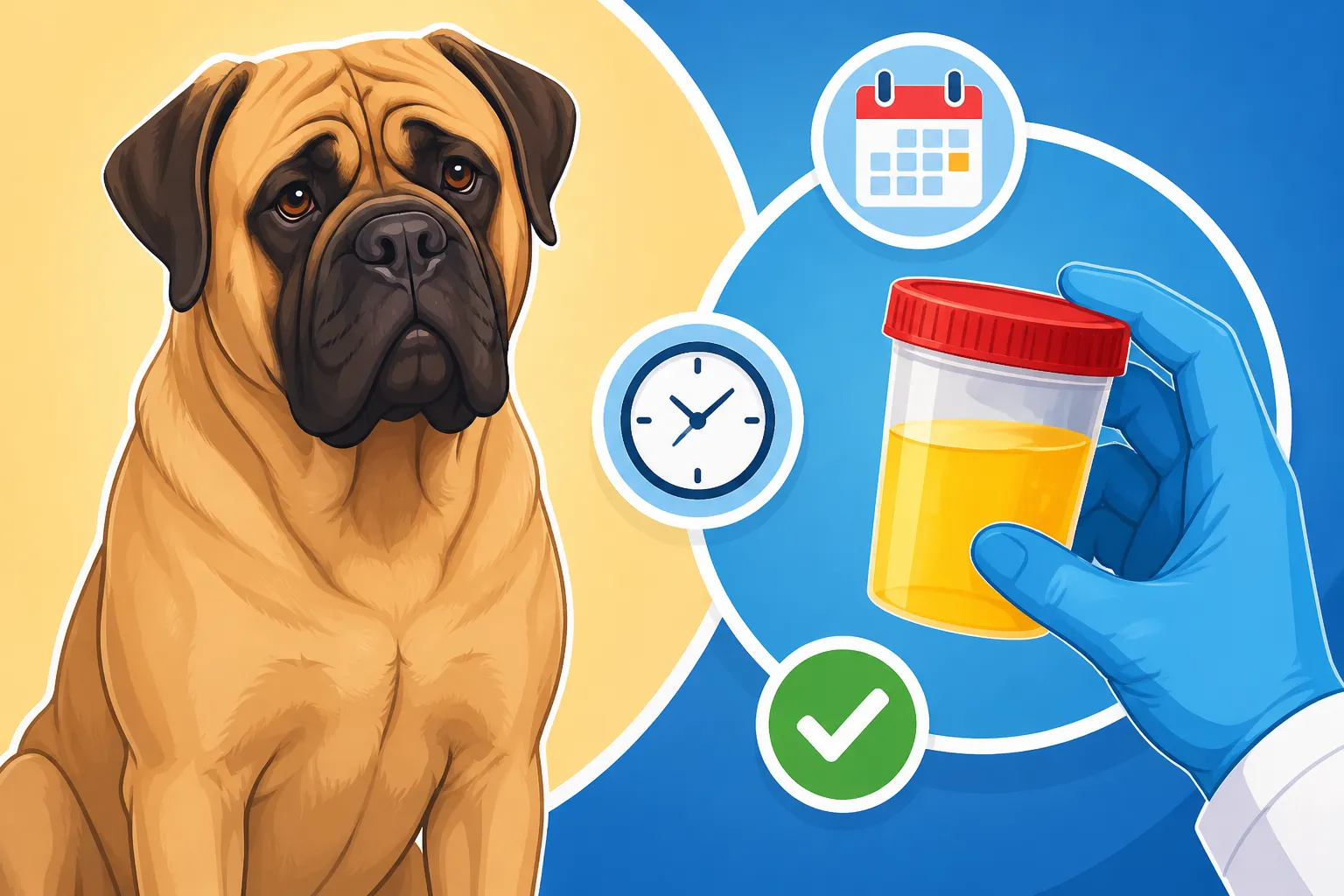
For intact male Mastiffs, particularly those known to be carriers or affected by Cystinuria Type III, a proactive screening schedule is paramount. Many veterinarians specializing in giant breeds or internal medicine recommend checking urine every 3 to 6 months. This might sound frequent, but it allows for the early detection of cystine crystals before they have a chance to coalesce into larger, more problematic stones. If your Mastiff has had a history of urinary issues, or if cystine crystals were ever noted, your vet might even recommend monthly checks. The goal is to catch these crystals when they are microscopic, indicating that changes in diet or medication might be necessary to prevent stone formation. Regular vet visits for general check-ups are also crucial, and at these appointments, a urine sample can easily be collected and analyzed. You and your vet need to collaborate to determine the precise schedule that makes sense for your individual dog, considering his unique risk factors.
What to Look For in Regular Checks
A routine urinalysis involves several key components. Your veterinarian will check the urine's pH level, which can influence crystal formation. Specific gravity measures how concentrated the urine is – dilute urine is generally better for preventing stone formation. Most importantly, the sample will be examined under a microscope for the presence of crystals, especially characteristic hexagonal cystine crystals, as well as red blood cells, white blood cells, and bacteria. The presence of even small numbers of cystine crystals is a red flag, indicating that the dog is excreting cystine and is at risk of stone formation. Early identification means early intervention, which is always the best strategy for these conditions.
Signs That Warrant Immediate Urine Checks
While routine checks are essential, there are certain symptoms that should never be ignored and necessitate an immediate trip to the vet for a urine check, regardless of when the last routine screening was performed.
Recognizing Emergency Symptoms
If your intact male Mastiff exhibits any of the following signs, do not wait for your next scheduled appointment; seek veterinary care immediately:
- Straining to urinate: He might squat repeatedly, hunch his back, or try to urinate in unusual spots.
- Frequent urination in small amounts: He might constantly drip or pass only tiny puddles of urine.
- Licking at the penis excessively: This can indicate pain or irritation.
- Blood in the urine (hematuria): This might appear as pink, red, or brownish urine.
- Painful urination: He might cry out or whine during urination.
- Lethargy or changes in appetite: A blocked dog will quickly become very sick.
- Inability to urinate at all: This is the most critical sign and signals a complete blockage.
The Urgency of a Blockage
A complete urinary blockage in an intact male Mastiff is a life-threatening emergency. If your dog cannot urinate, toxins rapidly build up in his bloodstream, leading to kidney failure, electrolyte imbalances, and ultimately, death. This can happen within 24-48 hours. Seriously, if you suspect a blockage, you need to be on your way to the vet, or ideally an emergency veterinary clinic, right now. Time is absolutely of the essence. We discuss this further in Why a Blocked Mastiff Cannot Wait Until Morning. Early intervention can save their life, but delaying treatment significantly worsens the prognosis.
The Process of Urine Collection and Analysis
Getting a reliable urine sample from a Mastiff, especially a male, can be a bit of an art form, but understanding the best techniques and what happens next is key to effective monitoring.
Collecting a Clean Sample at Home
A clean, "midstream" urine sample is vital for accurate diagnostic results. Contamination from the environment can lead to skewed results, such as false positives for bacteria or abnormal cells.
Techniques for a Midstream Catch
Collecting urine from a large male dog like a Mastiff requires a bit of strategy. The goal is to catch urine mid-stream, meaning not the very beginning or the very end of the urination, as these can be more contaminated. Here’s how you can approach it:
- Be Prepared: Have a clean, wide-mouthed container (like a clean take-out container, a small ladle taped to a stick, or a specific pet urine collection kit) ready before you head outside.
- Timing is Key: The first morning urine is often the most concentrated and provides the best information.
- Leash Your Dog: Keep your Mastiff on a leash and walk him to a familiar spot where he usually urinates.
- Position Yourself: As he begins to squat or lift his leg to urinate, gently slide your container under him to catch the urine. You might need to be quick and agile! For a large male Mastiff, who might simply stand and stream, a long-handled ladle or cup can be extremely helpful to avoid getting too close.
- Avoid Contamination: Ensure the container does not touch his penis or the ground. Try to get a good volume, at least 10-20ml if possible.
Storage and Transport
Once you’ve collected the sample, transfer it into a sterile urine container (your vet can provide these). If you can't get it to the vet immediately, refrigerate it. Urine samples are generally stable for analysis for a few hours at room temperature, but refrigeration can extend their viability for up to 24 hours. However, the sooner it gets to the lab, the better, especially if bacterial culture is needed. Make sure to clearly label the container with your dog's name and the collection time.
What the Veterinary Lab Looks For
When your veterinarian sends your Mastiff's urine sample to the lab, or analyzes it in-house, they are looking at several crucial indicators of urinary health.
Comprehensive Urinalysis Components
A full urinalysis is a multi-faceted test:
- Physical Properties: Color, clarity, and specific gravity (how concentrated the urine is).
- Chemical Analysis (Dipstick): A reagent strip tests for pH, protein, glucose, ketones, bilirubin, and blood. For cystinuria, the pH is particularly important, as cystine stones are more likely to form in acidic urine.
- Sediment Examination (Microscopic): This is arguably the most critical part for intact male Mastiffs. A small amount of urine is spun down, and the sediment is examined under a microscope. This is where the lab technician or veterinarian looks for crystals (like those troublesome hexagonal cystine crystals), red blood cells (indicating bleeding or inflammation), white blood cells (indicating infection or inflammation), bacteria, and epithelial cells. This microscopic view is often How a Mastiff's Cystine Stones Are Found in their early stages.
Further Testing: Culture and Sensitivity
If the urinalysis suggests an infection (e.g., high white blood cell count or bacteria seen under the microscope), a urine culture and sensitivity test will typically be performed. This test identifies the specific type of bacteria present and determines which antibiotics will be most effective in treating the infection. Since urinary tract infections can sometimes exacerbate stone formation or be a consequence of stones, it's an important diagnostic step.
Interpreting Results and Taking Action
Getting the results back can sometimes feel like deciphering a foreign language, but your veterinarian will explain what everything means for your Mastiff's health.
Understanding Abnormal Findings
Normal urine should be clear, yellow, and free of significant protein, blood, or crystals.
- Cystine Crystals: The presence of cystine crystals, even if few, is a major red flag for intact male Mastiffs and indicates a high risk of stone formation.
- Blood or Protein: These can signal inflammation, infection, or damage to the urinary tract, potentially caused by stones.
- Abnormal pH: Urine that is consistently too acidic can promote cystine stone formation.
- Bacteria/White Blood Cells: Indicate a possible urinary tract infection (UTI), which may need antibiotics.
When Crystals Are Present: Next Steps
If cystine crystals are detected, your veterinarian will likely recommend immediate intervention. This almost always involves dietary modifications, often a prescription diet designed to reduce protein intake and alkalinize the urine. Increasing water intake is also critical to dilute the urine, making it harder for crystals to form. Medications, such as thiol-binding drugs, might also be prescribed to prevent cystine from crystallizing. This is a critical juncture where early detection from regular urine checks can prevent a painful and expensive emergency surgery.
The Role of Your Vet in Diagnosis and Management
Your veterinarian is your primary partner in managing your Mastiff's urinary health. They will interpret the complex lab results, recommend appropriate diagnostic imaging (like X-rays or ultrasound) if stones are suspected, and formulate a comprehensive treatment and prevention plan. They'll also discuss the pros and cons of long-term strategies, including potential changes to diet, medication, and even the decision of neutering. Don't hesitate to ask questions; an informed owner is an empowered owner when it comes to a Mastiff's health. Pet insurance providers like Healthy Paws can be incredibly helpful in easing the financial burden of diagnostics and long-term treatment if your Mastiff develops these issues, allowing you to focus on his care rather than the cost.
Long-Term Management and Prevention
Managing an intact male Mastiff with a predisposition to cystinuria or other urinary issues is a lifelong commitment. The good news is that with proactive care, many serious complications can be avoided.
Dietary Considerations and Hydration
Diet plays a colossal role in managing and preventing urinary stones, especially cystine stones. This isn't just about feeding him; it's about strategic nutrition.
Low-Protein Diets and Urinary pH Adjustment
For Mastiffs at risk of cystine stones, a diet specifically designed to reduce protein intake and promote alkaline urine is often prescribed. Protein is broken down into amino acids, and high protein can contribute to cystine excretion. Your vet might recommend a therapeutic diet from brands like Royal Canin or Hill's Prescription Diet, which are formulated to modify urine pH and reduce the precursors to stone formation. These diets are carefully balanced to meet your giant breed's nutritional needs while addressing his specific urinary health challenges. This is a major change from a typical "large breed" kibble, and it must be done under veterinary guidance.
The Critical Importance of Increased Water Intake
Diluting the urine is one of the simplest yet most effective ways to prevent crystal and stone formation. The more dilute the urine, the less concentrated the cystine (and other mineral components) will be, making it harder for them to crystallize.
- Encourage Drinking: Always ensure fresh, clean water is readily available. Consider multiple water bowls around the house.
- Add Water to Food: Wetting dry kibble or adding a little low-sodium broth to meals can significantly increase water intake.
- Wet Food Options: If possible, incorporating wet food into his diet can also boost hydration.
- Water Fountains: Some dogs are enticed by the flowing water of a pet fountain.
- Outdoor Hydration: If your Mastiff spends time outside, make sure he has access to cool, fresh water.
These simple steps are a cornerstone of preventing stones, working hand-in-hand with dietary adjustments.
Medical Interventions and Surgical Options
While prevention is the goal, sometimes medical or surgical interventions become necessary, particularly if stones have already formed or if dietary changes aren't enough.
Thiol-Binding Drugs
For Mastiffs with confirmed cystinuria who continue to form stones despite dietary management, specific medications may be prescribed. Thiol-binding drugs, such as Tiopronin (marketed as Thiola), work by binding to cystine in the urine, making it more soluble and less likely to form crystals and stones. These medications are a long-term commitment and require careful monitoring by your veterinarian due to potential side effects and the need for regular dosage adjustments. They can be a lifesaver for dogs where other methods fail.
Surgical Removal of Stones
If stones have already formed and are too large to pass, or if they are causing recurring issues, surgical removal (cystotomy) might be necessary. This involves surgically opening the bladder to remove the stones. It’s a major surgery, especially for a large breed like a Mastiff, and can be quite costly. Understanding What Stone Surgery Costs on a Mastiff can help owners prepare for this possibility. Post-surgery, the focus immediately shifts back to aggressive prevention strategies to avoid recurrence. In cases of chronic, recurrent urethral obstruction, a procedure called a perineal urethrostomy might be considered for male dogs, but this is typically a last resort.
The Decision to Neuter for Urinary Health
The relationship between neutering and Type III cystinuria in Mastiffs is unique and warrants careful consideration. Because Type III cystinuria is androgen-dependent, neutering can significantly impact the disease progression.
Impact of Neutering on Type III Cystinuria
For intact male Mastiffs with Type III cystinuria, neutering often leads to a dramatic reduction, or even complete cessation, of cystine stone formation. By removing the source of androgens, the hormonal trigger for cystine crystallization is largely eliminated. This makes neutering a highly effective management strategy for affected intact males. However, it's not an instant fix; existing stones would still need to be addressed, and continued monitoring of urine might still be advisable, though likely less frequent. We discuss this further in articles like Why Neutering Ends the Cycle in a Cystinuric Mastiff and Whether Neutering Resolves a Mastiff's Cystinuria. It's a powerful tool in a vet's arsenal against this challenging condition.
Weighing the Pros and Cons of Neutering
While neutering offers a clear benefit for cystinuria, the decision for a giant breed like a Mastiff is not always straightforward. There are other health considerations to weigh:
- Joint Health: Some studies suggest that early neutering in large and giant breeds might be associated with an increased risk of orthopedic issues like hip and elbow dysplasia, as hormones play a role in bone and joint development.
- Cancer Risk: Research also indicates a complex relationship between neutering age and the risk of certain cancers in large breeds.
- Behavioral Changes: Neutering can affect behavior, although the impact varies greatly from dog to dog.
This means you must have a thorough discussion with your veterinarian. They can help you balance the immediate and clear benefit of neutering for cystinuria against the potential long-term risks for a Mastiff. The optimal age for neutering a Mastiff, especially one predisposed to cystinuria, becomes a very individualized decision. We delve into these broader considerations in Why Neutering Age Matters More in a Male Mastiff and Whether Early Neutering Raises a Mastiff's Cancer Risk. Ultimately, the best path forward involves a personalized plan tailored to your Mastiff's genetic predisposition, current health, and your family’s situation. Even with excellent pet insurance like Healthy Paws, making these decisions is never easy.
| Feature | Home Urine Test Strips | Veterinary Urinalysis |
|---|---|---|
| Purpose | Quick screening for basic parameters; early warning signs | Comprehensive diagnosis, crystal identification, infection detection |
| Accuracy | Limited; susceptible to user error and environmental factors | High; performed by trained professionals with specialized equipment |
| What it Detects | pH, glucose, protein, blood, ketones, bilirubin (basic) | All dipstick parameters plus microscopic analysis (crystals, bacteria, cells), specific gravity |
| Cystine Crystals | Not directly detectable; may indicate with pH changes | Directly identifiable under microscope; crucial for Mastiffs |
| Cost | Low (cost of test strips) | Moderate (vet visit, lab fees) |
| Frequency | Supplemental to vet checks; useful for daily monitoring | Recommended every 3-6 months for intact male Mastiffs at risk |
| Interpretation | Requires knowledge; can be misleading without context | Professional interpretation; leads to diagnosis and treatment plan |
| Sample Collection | Midstream catch by owner | Midstream catch by owner or sterile cystocentesis by vet |
Disclaimer
This article is for general informational purposes only and does not constitute professional advice. Laws, prices and regulations vary by location and change over time. Consult a qualified professional for guidance on your specific situation.