The Furniture, Vehicle and Doors a Mastiff Changes
If you’re dreaming of bringing a majestic Mastiff into your life, prepare for a beautiful journey, but also understand that this gentle giant will quite literally reshape your living space, your transportation, and even your daily routines. These incredible dogs aren't just pets; they're substantial, living presences that demand a reevaluation of everything from your plush sofa to the width of your doorways. This guide will walk you through the very real, often surprising, ways a Mastiff changes your home, your car, and your expectations, helping you prepare for a life lived large.
The Indelible Mark on Your Home Furnishings
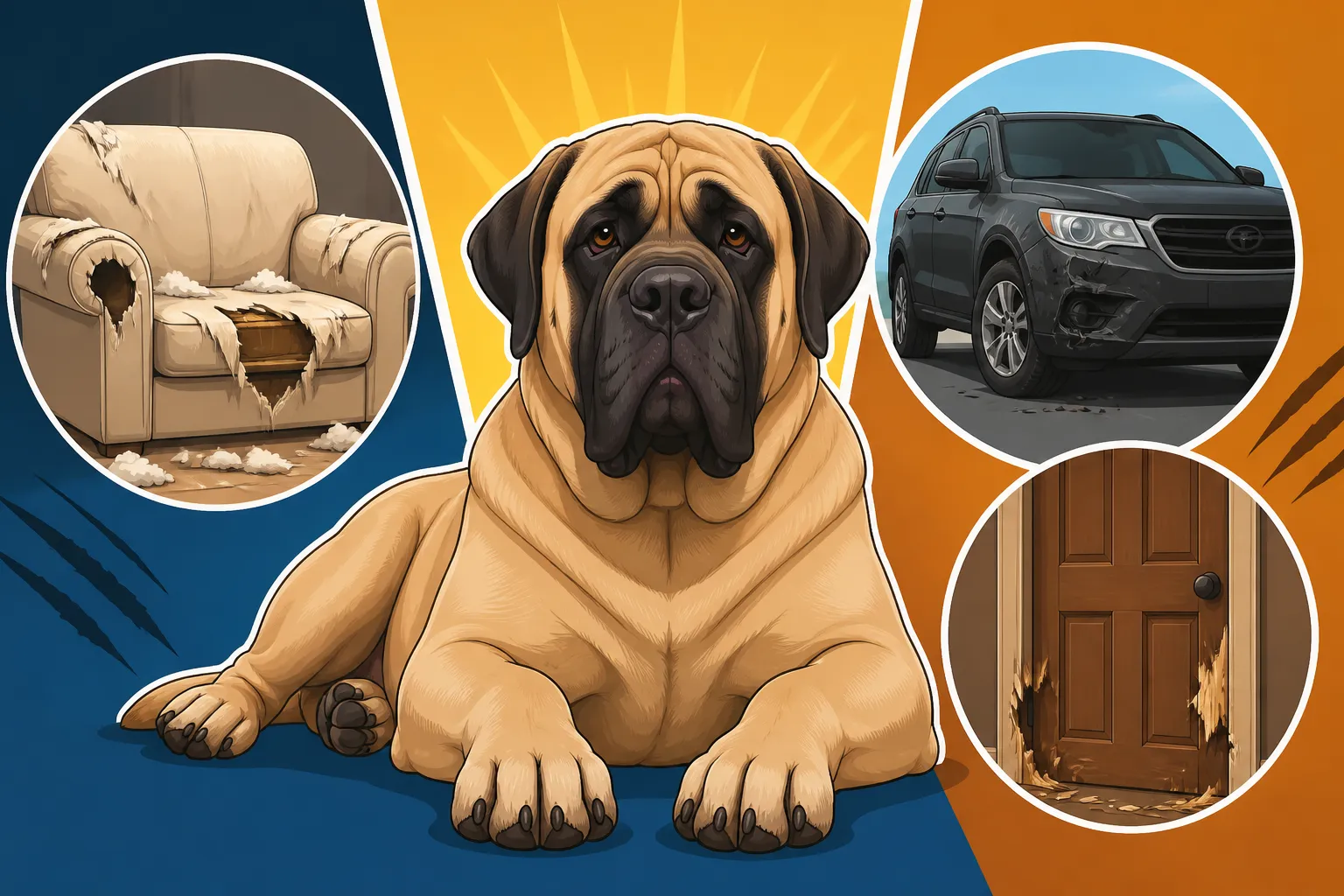
Let's be honest, that pristine, minimalist living room you once envisioned might need a slight adjustment when a two hundred-pound Mastiff decides it's time for a nap. These dogs aren't just big; they're massive, and their presence affects every piece of furniture in your home. It’s not about them being destructive, necessarily, but about sheer volume and the physics of a large, heavy creature interacting with human-sized objects.
Sofa Surrender and Chair Conquests
Your sofa, once a haven for quiet evenings, will likely become prime real estate for your Mastiff. They love to be near their people, and a comfy couch offers the perfect vantage point for supervising the household or simply sprawling out for a snooze. Even if you try to enforce a "no dogs on the furniture" rule, a Mastiff's persistent gaze and eventual accidental lean will often win you over. You'll quickly find that their preferred spots become permanent indentations, and what was once a two-person sofa might suddenly feel like a cozy armchair for one, with your Mastiff taking up the rest.
Beyond the space they occupy, consider the wear and tear. Mastiffs shed, and while their short coat might seem low-maintenance, those fine hairs weave themselves into upholstery with surprising tenacity. Then there's the drool – oh, the drool! A casual shake of the head after a drink of water can send slobber flying across the room, leaving trails on walls, drapes, and yes, your carefully chosen fabrics. Investing in durable, easily washable slipcovers becomes less of a luxury and more of a necessity. Think tough canvas, denim, or even outdoor-grade fabrics that can withstand frequent washing and the occasional muddy paw. It's a pragmatic shift from delicate decor to robust, Mastiff-proof comfort. For more insights on how these gentle giants interact with your seating, you might want to read What a Mastiff Does to a Sofa.
Beds Built for Giants and the Cost of Comfort
Forget the cute little donut beds you see at the pet store. A Mastiff needs a bed designed for their scale and weight. Imagine two hundred pounds of dog hitting a standard foam bed day after day – it flattens faster than you can say "orthopedic." These dogs are prone to joint issues, like hip and elbow dysplasia, so proper support is paramount. A high-quality orthopedic bed with dense, supportive foam is not just a comfort; it's an investment in their long-term health, helping to distribute their immense weight evenly and reduce pressure points.
These aren't cheap purchases, and you might find yourself needing more than one. A bed in the living room, another in the bedroom, perhaps one in the kitchen if that's where they spend a lot of time. And despite their size, some Mastiffs can be surprisingly adept at dismantling beds. Whether it's a frustrated dig, a playful tug, or just the sheer force of their weight, flimsy beds won't last. Look for robust, chew-resistant covers and solid internal structures. This isn't a one-time purchase; expect to replace beds periodically as they wear out or, occasionally, meet an untimely end. Understanding What an Orthopedic Bed for a Mastiff Costs will help set your expectations for this significant expense. You might also be interested in learning How Often a Mastiff Destroys a Bed, which can give you an idea of the durability challenges you face.
Floor Care and Traction Challenges
Hardwood floors, gleaming tile, or polished concrete might look beautiful, but for a Mastiff, they can be treacherous. Their massive weight, combined with relatively short, wide paws, means they struggle to get traction on slick surfaces. This isn't just an inconvenience; it's a serious health concern. Constant slipping can exacerbate existing joint problems, lead to painful strains, or even cause acute injuries, especially in a growing puppy whose bones and joints are still developing. Imagine two hundred pounds of dog splaying out on a tile floor – it's a terrifying sight and can cause significant damage.
To combat this, many Mastiff owners find themselves covering large areas of their home with runners, area rugs, or even carpet tiles. These provide essential grip, making it easier for your dog to stand up, walk, and lie down without fear of slipping. The change in flooring also helps cushion their joints when they inevitably flop down. Think about where your Mastiff spends most of its time and focus on those high-traffic areas. This might mean saying goodbye to some of your aesthetic preferences in favor of practicality and your dog's well-being. Knowing What Bare Floors Do to a Growing Mastiff can really drive home the importance of this consideration. If you're pondering solutions, exploring What Flooring Suits a Mastiff will give you excellent guidance on creating a safe environment.
Navigating the World with a Mastiff: Vehicle Considerations
Owning a Mastiff means that your mode of transportation will likely undergo a transformation as well. These aren't dogs you can just tuck into the backseat of a compact car. Their sheer size dictates everything from vehicle choice to necessary accessories for safe and comfortable travel.
The Great Car Fit Challenge
Let's face it: a Mastiff is not a Labrador. They don't just "fit" in the back of most cars; they fill them. If you currently drive a small sedan or even a mid-size SUV, you're in for a rude awakening. A fully grown Mastiff might barely squeeze into the cargo area of a large SUV or a minivan, and often requires the back seats to be folded down entirely. This significantly impacts your ability to carry passengers or luggage, turning every family outing into a logistical puzzle. Many Mastiff owners find themselves upgrading to larger vehicles like full-size SUVs, minivans, or even pickup trucks with secure bed toppers to accommodate their canine companion comfortably and safely.
The goal isn't just to get them in the car, but to ensure they have enough space to lie down, turn around, and remain stable during transit. A cramped dog can be a stressed dog, and a stressed two hundred-pound dog in an enclosed space is not ideal for anyone. Consider the practicalities of vet visits, road trips, or even just a quick drive to the park. Will your dog be comfortable? Will you be able to open the door and have them exit without a wrestling match? These are questions that demand real consideration. For a deeper dive into this, check out Whether a Mastiff Fits in a Sedan and What an SUV Upgrade Costs a Mastiff Owner to understand the financial and practical implications.
Ramps, Restraints, and Road Trips
Getting a Mastiff in and out of a vehicle, especially a tall SUV, can be a challenge. Their immense weight combined with potential joint issues makes jumping in and out of cars a risky maneuver. This is where a sturdy ramp becomes indispensable. A ramp designed for large breeds helps protect their joints from unnecessary strain, particularly as they age or if they already suffer from conditions like arthritis or hip dysplasia. Using a ramp from puppyhood can also prevent bad habits and teach them a safe way to enter and exit.
Beyond the ramp, proper restraints are crucial for safety – both yours and your Mastiff's. In the event of a sudden stop or accident, an unrestrained Mastiff becomes a massive projectile. A crash-tested car harness that clips into a seatbelt anchor or a sturdy, appropriately sized crate secured in the cargo area are vital. These items aren't cheap, but they are non-negotiable for safety. Road trips with a Mastiff also require more planning: frequent potty breaks, ample water, and careful monitoring for overheating. These dogs, with their thick coats and large bodies, can struggle in warm conditions. Read What a Ramp Rated for a Mastiff Costs for details on investing in this essential piece of equipment, and learn more about Teaching a Mastiff to Use a Ramp to ensure smooth transitions. Healthy Paws offers great advice on pet safety during travel, often emphasizing the need for proper restraints for large dogs like Mastiffs.
Drool Patrol: Keeping Your Car Clean
Prepare for drool. It's an inescapable fact of Mastiff ownership, and it applies just as much to your vehicle as it does to your home. After a drink of water, during moments of excitement, or simply when they're a bit warm, a Mastiff can produce a surprising amount of slobber. This isn't just a minor inconvenience; it can coat windows, seats, and even the headliner of your car. If you're particular about your vehicle's interior, you'll need to adjust your expectations.
Protective measures are key. Waterproof seat covers, heavy-duty cargo liners, and a ready supply of towels or cleaning wipes will become your best friends. Keep a "drool rag" handy at all times to quickly mop up the inevitable puddles and streaks. Regular cleaning of the car's interior will be necessary to prevent odors and sticky residue from building up. While it might seem like a small detail, the reality of managing Mastiff drool in a confined space like a car is a significant aspect of ownership. Understanding Managing a Mastiff's Drool in a Vehicle is crucial for maintaining a semblance of cleanliness.
Home Modifications: Doors, Stairs, and Space
Your living space itself will often need to adapt to accommodate a Mastiff. Their sheer physical presence affects everything from how you move through your house to the functionality of its architectural features.
Doorway Dominance and Access Issues
A Mastiff doesn't merely walk through a doorway; it fills it. These dogs have a natural tendency to lean against things or block pathways, often settling directly in a doorway. It's not malicious; it's just efficient for a large dog to occupy a convenient space. This means you'll regularly find yourself navigating around a two hundred-pound furry roadblock, or gently coaxing them to move. Furthermore, if your home has narrower doorways, you might find it challenging to move furniture or even large appliances through without your Mastiff getting in the way or, worse, you bumping into them.
Consider also the potential for accidental damage to door frames or even the doors themselves. A wagging tail can be a powerful force, and a casual lean can scuff paint or dent wood. While most Mastiffs are gentle, their size alone can create unintended consequences. Training them early to respect thresholds and move out of the way on command is essential, but even with the best training, their physical presence is undeniable. If you've ever wondered Why a Mastiff Blocks Doorways Instead of Guarding Them, you'll understand it's often more about comfort and proximity than territoriality. Learning how to manage situations where Whether a Mastiff Balks at Doorways can also be a helpful skill.
Staircase Struggles and Joint Health
Stairs are a major concern for Mastiffs, especially puppies and seniors. For growing puppies, repeated concussion from going up and down stairs can put immense stress on their developing growth plates and joints, potentially exacerbating conditions like hip and elbow dysplasia. Many breeders and vets advise restricting stair use for Mastiff puppies entirely, often requiring owners to carry them up and down, which quickly becomes an impossible feat as they grow.
For older Mastiffs, stairs become difficult, painful, and eventually, impassable. Arthritis, decreased mobility, and sheer bulk make navigating steps a monumental task. You might find yourself needing to install ramps, or dedicating an entire floor of your home to your aging companion. If your home has multiple levels and your Mastiff can only manage one, it means your living arrangements effectively shrink. Thinking about Why Stairs Are Worse for a Mastiff Than Any Breed is critical, and for those with older dogs, learning about Lifting an Old Mastiff That Cannot Get Up provides practical, empathetic advice.
Space Requirements and Lifestyle Adjustments
Despite their massive size, Mastiffs are not typically hyperactive dogs that need acres to run. They are often described as "40-pound lap dogs" in a 200-pound body – they just want to be near you. However, they do need space to sprawl out, stand up, and turn around comfortably without bumping into furniture or walls. A small apartment might technically house a Mastiff, but it can quickly feel cramped for both dog and human. Their massive bodies take up significant floor space, making narrow hallways or cluttered rooms challenging to navigate.
Your lifestyle will also shift. Impromptu trips might require more planning, as finding dog-friendly accommodations that can handle a Mastiff's size can be tricky. Even simple things like rearranging furniture become a bigger project when you have to consider how your Mastiff will get around. It's a commitment to living life on a grand scale, where everything from your dining habits to your cleaning routines will be influenced by your giant companion. While they don't necessarily need a sprawling estate, understanding How Much Yard a Mastiff Actually Uses can help manage expectations. You might also discover that a Mastiff, despite its size, can surprisingly adapt to smaller living spaces, as discussed in Whether a Mastiff Settles in a Small Space, provided their needs are met indoors.
Living Large: Daily Life & Unseen Impacts
The presence of a Mastiff doesn't just change your big-ticket items; it subtly alters the rhythm and routine of your daily existence, often in ways you don't anticipate until you're living it. From household supplies to cleaning habits, everything expands to accommodate your gentle giant.
The Ever-Present Drool and Cleaning Regime
We've mentioned drool, but it's worth dedicating more thought to its pervasive nature. It's not just on the sofa or in the car; it's on the walls, on the ceiling (yes, really, when they shake their head enthusiastically), on your clothes, and on every surface a Mastiff might rub against. Your cleaning routine will necessarily evolve to include daily drool patrol. Keeping an arsenal of towels, spray cleaners, and perhaps even a dedicated 'drool bucket' might become commonplace.
This isn't just about aesthetics; maintaining a clean environment helps prevent odors and keeps your home more hygienic. Walls might need more frequent wiping or even repainting over time to contend with the constant accumulation. The sheer volume of towels and cleaning supplies you go through will add up, becoming a regular, often unnoticed, cost of ownership. It's a constant, low-level battle against slobber, but one you learn to accept and even find endearing. If you're curious about the extreme reach of a Mastiff's drool, reading How Far a Mastiff Can Fling Drool might offer some hilarious, if slightly horrifying, insights. Furthermore, understanding What Cleaning Mastiff Drool Off Walls Costs can put the financial impact into perspective.
Wear and Tear on Everyday Items
Everything a Mastiff interacts with experiences accelerated wear and tear. Collars and leashes need to be heavy-duty and robust, capable of withstanding hundreds of pounds of force. Bowls need to be large, stable, and durable to avoid being tipped over or dented. Toys, especially those designed for chewing, must be practically indestructible, otherwise, you'll be replacing them constantly. Even mundane items like doormats or rugs at entryways will bear the brunt of their massive paws and weight.
Consider also the effect on your clothing. If your Mastiff is a leaner (which many are!), you'll regularly find yourself covered in a fine dusting of dog hair, or even a smear of drool, no matter how carefully you try to avoid it. Practicality often trumps fashion when you live with a Mastiff. Your wardrobe might gravitate towards more durable, washable fabrics, and you'll likely always have a lint roller within arm's reach. This constant need for sturdy, often oversized items, contributes to the overall cost of ownership. The number of towels alone can be surprising, as highlighted in How Many Towels a Mastiff Household Retires Each Year.
Investing in Durability: Making Smart Choices
Given the undeniable impact a Mastiff has on your possessions, a proactive approach to durability becomes a cornerstone of responsible ownership. It’s about more than just replacing items; it’s about choosing products designed to stand up to the unique demands of a giant breed.
Selecting Resilient Furniture and Home Decor
When it comes to furniture, durability isn't a luxury, it's a necessity. Opt for solid wood frames over particleboard, and consider fabrics that are known for their strength and ease of cleaning. Performance fabrics, often used in outdoor furniture or commercial settings, are becoming increasingly popular for pet owners. These materials are often stain-resistant, water-repellent, and incredibly tough, able to withstand claws, drool, and the constant pressure of a Mastiff's weight. Removable, washable covers are a godsend. You might also find yourself gravitating towards darker colors or patterns that camouflage dog hair and minor stains more effectively.
Beyond sofas and chairs, consider how your home decor can be Mastiff-proofed. Low-lying decorative items, delicate vases, or anything easily knocked over by a swishing tail or a leaning body will likely need to be rehomed or secured. High shelves and sturdy, heavy furniture pieces become your allies. The aim is to create a living environment that is comfortable and safe for your Mastiff, minimizing potential hazards for them and protecting your belongings from inevitable wear and tear. This mindful selection process is not about deprivation, but about creating a harmonious home for all its inhabitants.
Choosing the Right Gear for a Giant
Every piece of equipment for a Mastiff needs to be chosen with their size and strength in mind. A standard retractable leash simply won't cut it; you need a robust, fixed-length leash and a strong collar or harness specifically designed for giant breeds. Many owners opt for heavy-duty leather or webbing that can withstand immense force. Similarly, food and water bowls should be extra-large, made from durable materials like stainless steel or heavy ceramic to prevent tipping.
Even toys, which might seem trivial, require careful selection. Smaller, weaker toys will be destroyed in minutes, potentially posing choking hazards. Look for toys from brands known for their heavy-duty, giant-breed-specific products. Chewy and Ollie often carry a good selection of robust items that are built to last against even the most determined Mastiff. Investing in these higher-quality, more durable items upfront can save you money in the long run by reducing the frequency of replacements and preventing potential safety issues. It's about prioritizing function and safety over fleeting trends.
The Long-Term Equation: Accepting the Changes
Ultimately, owning a Mastiff is a commitment to a particular lifestyle, one that embraces the delightful challenges and demands of living with a truly giant dog. It's a journey of adaptation, patience, and profound love that outweighs any inconvenience.
Adapting to a Mastiff-Centric Home
Your home will undeniably become Mastiff-centric. The decision to bring one of these magnificent dogs into your life means accepting that your personal space will be shared, often generously, with a creature of immense proportions and even greater affection. Floors might bear the scuffs of their paws, walls might have drool marks, and your furniture might show signs of their comfortable occupation. However, these aren't just blemishes; they become the cherished signs of a life shared.
This adaptation isn't about letting your home fall into disarray, but about finding a balance between functionality for your Mastiff and comfort for your family. It's about smart choices in materials, strategic placement of items, and a willingness to embrace a less-than-perfect aesthetic in favor of a happy, healthy dog. The immense joy and companionship a Mastiff provides far outweigh the minor compromises in pristine decor. It’s a beautiful exchange where your home transforms into a haven for a loyal and loving guardian.
The Unquantifiable Value of a Giant Companion
While we've discussed the tangible impacts on furniture, vehicles, and the very structure of your home, it's crucial to remember the unquantifiable value a Mastiff brings. Their serene presence, unwavering loyalty, and gentle demeanor enrich your life in ways that far surpass the cost of a new sofa or a larger car. They become integral family members, silent guardians who offer comfort, companionship, and a unique perspective on life lived large.
The investment in adapting your home and lifestyle is an investment in a deep, meaningful relationship. These dogs, despite their impressive size, are incredibly sensitive and devoted. They ask for little more than your presence, your love, and a comfortable spot to snooze nearby. The changes you make to your physical surroundings become a testament to the bond you share, creating a home that truly accommodates and celebrates every member of your family, including the biggest, most drool-prone, and most loving one.
| Area of Impact | Pre-Mastiff Expectation | Post-Mastiff Reality | Solution/Adaptation |
|---|---|---|---|
| Living Room Furniture | Delicate fabrics, specific aesthetics | Sofa shared/conquered, drool marks, wear | Durable, washable slipcovers; performance fabrics; larger, sturdier furniture. |
| Dog Beds | Standard sizes, basic foam | Orthopedic, giant-sized beds in multiple rooms | Invest in high-density foam, chew-resistant covers; expect replacements. |
| Flooring | Pristine hardwoods, tiles | Slippery hazards, joint strain risk | Runners, area rugs, carpet tiles in high-traffic areas for traction. |
| Vehicles | Sedan or small SUV for family | Large SUV, minivan, or truck; limited passenger space | Upgrade vehicle; use heavy-duty ramps, crash-tested harnesses/crates. |
| Car Cleanliness | Occasional vacuuming, air freshener | Constant drool, hair, and mud cleanup | Waterproof seat covers, cargo liners, towels/wipes, regular interior detailing. |
| Doorways/Hallways | Unobstructed passage | Frequent blockages, narrow navigation | Training for "place" commands; wider doorways if possible, patience. |
| Stairs | Convenient home access | Significant joint risk for puppies/seniors | Restrict access; carry puppies; install ramps; dedicate a single floor. |
| Household Items | Standard pet bowls, leashes, toys | Oversized, heavy-duty, indestructible versions | Buy giant-breed specific gear; budget for frequent toy replacement. |
| Home Aesthetic | Maintained for pristine appearance | Prioritized functionality for dog comfort/safety | Embrace practical, durable decor; accept minor imperfections as signs of love. |
Disclaimer
This article is for general informational purposes only and does not constitute professional advice. Laws, prices and regulations vary by location and change over time. Consult a qualified professional for guidance on your specific situation.