How Far a Mastiff Can Fling Drool
If you've ever shared your home with a magnificent Mastiff, you know that their love is as expansive as their presence. You also know that their drool often has a mind, and a trajectory, all its own. It's not just a little drip; sometimes, it feels like it's defying gravity, splattering in places you never thought possible. This guide is all about understanding the fascinating, and sometimes frustrating, physics of Mastiff drool and exactly how far that slobbery projectile can travel.
The Physics and Anatomy Behind Mastiff Drool Projection
Let's be honest, the Mastiff's majestic jowls are a huge part of their charm, but they're also the primary factory and launching pad for their impressive drool. Understanding the unique anatomy and the simple physics at play can help you anticipate the mess, and perhaps, even chuckle at it a little.
The Mastiff's Unique Jowls and Salivary Glands
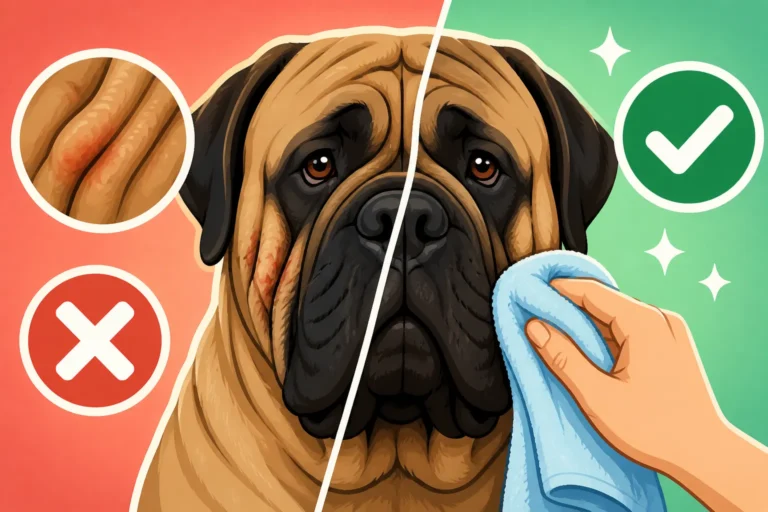
A Mastiff's facial structure is truly magnificent, characterized by deep, pendulous flews – those loose lips and jowls that hang down. While they contribute to the breed's signature look, they also serve a practical, albeit messy, purpose: collecting saliva. Unlike breeds with tighter lips, a Mastiff's jowls form natural pockets and reservoirs where saliva can accumulate. Think of them as built-in drool buckets.
These magnificent dogs also have active salivary glands, producing a copious amount of saliva throughout the day. This isn't just during meal times; even when they're resting, their glands are at work. This continuous production, combined with the collection points in their jowls, means there's always a ready supply of moisture waiting for the right moment to make its escape. It's a natural function, but one that certainly requires some management in a household setting.
The Head Shake: A Force Multiplier
The real magic, or perhaps the real mess, happens when a Mastiff decides to shake its head. This isn't just a casual twitch; it's a full-body event, especially after drinking water or when they're excited. When that massive head, often weighing a significant portion of their body weight, whips around, it generates immense centrifugal force.
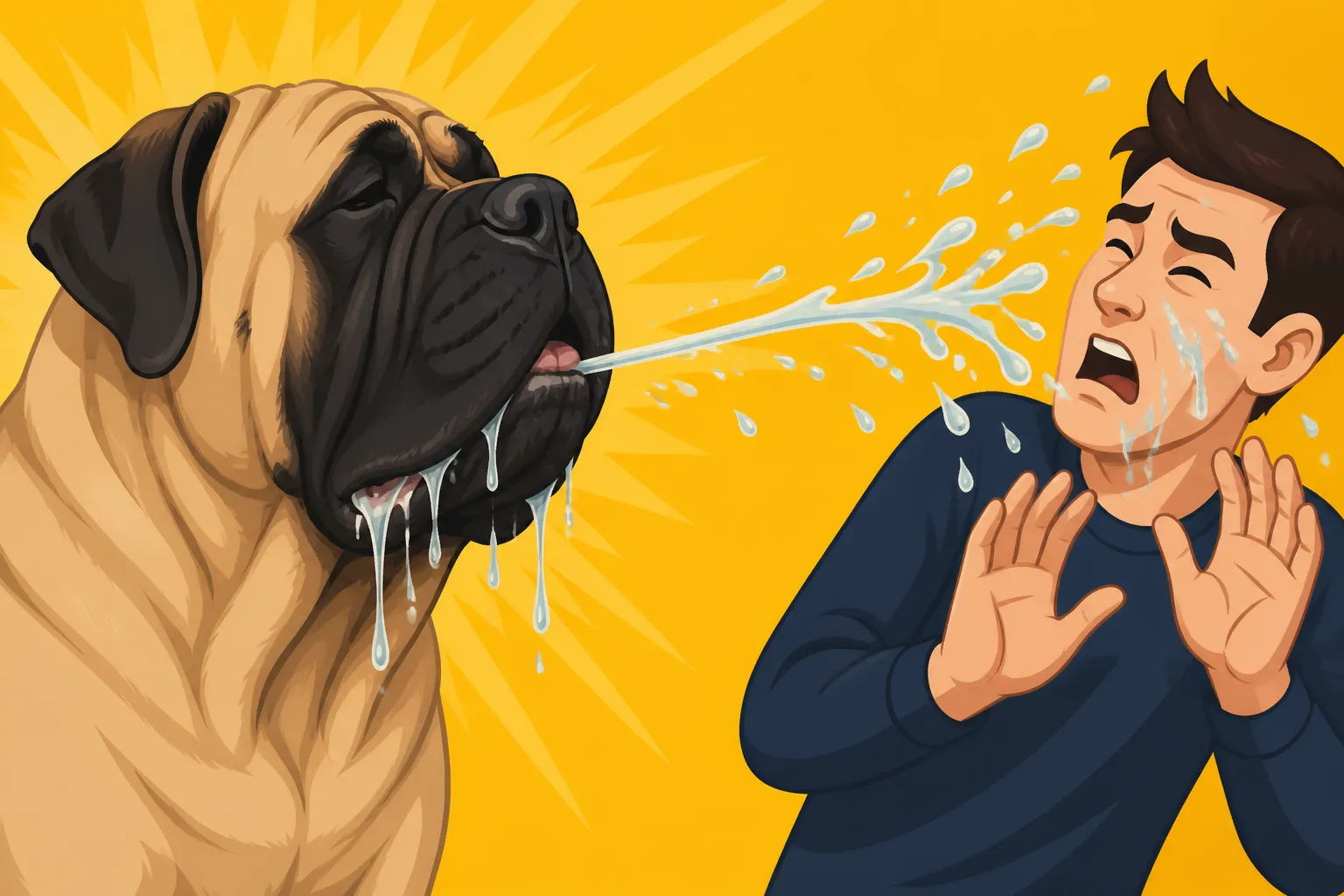
This force acts upon the accumulated saliva and water in their jowls, flinging it outward in an impressive arc. The speed and power of a Mastiff's head shake are truly remarkable, and it's this sudden, forceful motion that turns a simple drip into a wide-reaching splatter. The heavier the head and the more vigorous the shake, the further that drool is going to travel. It's a biological phenomenon that has left many a Mastiff owner wondering if their walls were ever truly clean.
Saliva Consistency and Volume
Not all drool is created equal, and the consistency and sheer volume of a Mastiff's saliva play a critical role in how far it travels. Sometimes, the drool is thinner, more watery, especially right after drinking. This type of drool can atomize more easily, creating a fine mist that can travel surprisingly far on air currents. It's almost like a natural humidifier, but for drool.
Other times, especially when a Mastiff is highly anticipating food or feeling a bit nauseous, their saliva can be thicker, more rope-like. This denser drool tends to travel in larger, heavier strings or globs. While it might not atomize into a mist, these thicker strands have more momentum and can stick to surfaces with greater tenacity. The sheer volume of saliva produced also means that even if a small percentage gets flung, it can still result in a significant amount of mess across a surprisingly large area.
Factors Influencing Drool Fling Distance
You might think drool is just drool, but several factors can drastically change the trajectory and distance of your Mastiff's slobbery projectiles. Understanding these can help you better prepare for, or even prevent, some of the more ambitious flings.
Activity Level and Excitement
An excited Mastiff is a drooling Mastiff, and an active, excited Mastiff is a flinging Mastiff. When your gentle giant is full of energy, perhaps doing a happy dance, greeting a favorite person, or engaged in a spirited game of tug-of-war, their body language often involves enthusiastic head movements. Each wag of the tail might come with an accidental head shake, and with that, a new pattern of drool on your nearby surfaces.
Consider the zoomies – those sudden bursts of energy where a Mastiff might tear through the house. The rapid changes in direction, the sudden stops, and the general exhilaration often lead to an increased rate of drooling and, consequently, a wider distribution of that drool. Even a simple bark at the doorbell can result in a powerful head shake as they gather themselves, sending drool flying. It’s during these moments of heightened activity that the "drool zone" can expand dramatically, often catching you off guard.
Hydration and Recent Drinking
Perhaps the most common and often the most extensive drool-flinging events happen immediately after a Mastiff drinks water. Their deep jowls act like sponges, soaking up a good amount of water along with their saliva. When they pull their head out of the bowl, those jowls are often heavy with liquid.
The moment they shake their head – which they almost invariably do to clear their face – that accumulated water and saliva becomes a powerful, wide-ranging spray. You can often see the water droplets mixing with the thicker saliva, creating a truly impressive, and sometimes very wet, panorama across your kitchen floor, lower cabinets, and even the ceiling if they’re particularly enthusiastic. Providing Which Water Bowl Suits a Mastiff's Jowls can help, but it won't eliminate the issue entirely. Many owners learn to keep towels handy, almost as a reflex, the moment their Mastiff finishes hydrating.
Environmental Conditions
The environment itself can play an unexpected role in how far your Mastiff's drool travels. Consider the humidity in your home. In a very humid environment, drool might stay liquid longer, making it more likely to spread and adhere to surfaces. Conversely, in a very dry environment, thinner drool might evaporate more quickly, but thicker strands could dry into crusty, difficult-to-remove spots.
Air currents are another significant factor. If you have a ceiling fan running, a window open, or even your HVAC system blowing, these air movements can catch lighter drool particles and carry them further than they would naturally fall. A casual head shake near an open door could send a fine mist surprisingly far into the next room or even outdoors. It's like having a natural wind tunnel for slobber. Understanding these subtle environmental influences can give you an edge in predicting and preparing for the expansive reach of Mastiff drool.
Practical Implications for Mastiff Owners: Measuring and Managing the "Drool Zone"
Living with a Mastiff means accepting a certain level of drool, but it doesn't mean you're powerless. By understanding the "drool zone" and implementing practical strategies, you can maintain a cleaner, more harmonious home.
Defining the "Drool Radius"
So, how far can a Mastiff fling drool? Realistically, during a vigorous head shake, especially after drinking, a Mastiff can easily project drool 5 to 10 feet. On a truly impressive shake, particularly if they've just had a big drink and there's a good amount of momentum, it's not unheard of for droplets to reach 12 to 15 feet or even higher up walls and ceilings. It's a testament to their power and the sheer volume of their jowls.
This means that pretty much anything within a decent radius of your Mastiff's head is fair game. Walls, furniture, curtains, nearby guests, and even the lower parts of your ceiling are all potential targets. Imagine standing 6 feet away from your dog, only to feel a little something land on your cheek. Yep, that's the "drool radius" in action. Understanding this helps you strategically place dog beds, water bowls, and avoid positioning delicate items directly in the splash zone. You'll quickly learn that a good rule of thumb is: if it's within reach of a flung droplet, it's going to get hit eventually.
Strategies for Containment and Cleanup
Managing the drool zone is less about prevention and more about proactive containment and efficient cleanup. One of the simplest and most effective strategies is to have an arsenal of old towels strategically placed around your home. Keep one near the water bowl, another by their favorite napping spot, and perhaps even one by the front door for excited greetings. The moment your Mastiff finishes drinking, be ready to grab those jowls or wipe their face. This quick intervention, while not always 100% effective, can dramatically reduce the amount of flung water. You can find robust, absorbent towels suitable for Mastiff duty on Amazon or Chewy.
For cleaning surfaces, a good all-purpose cleaner and a microfibre cloth are your best friends. Regular wiping down of walls, cabinet fronts, and furniture is crucial. For floors, especially hardwood or tile, immediate cleanup prevents slips and sticky patches. Consider using washable furniture covers or throws on couches and chairs where your Mastiff likes to lounge. These can be easily tossed into the laundry, saving your upholstery. For advice on removing stubborn stains, you might find The Staining a Mastiff's Drool Leaves helpful. It's a constant battle, but with the right tools and habits, it becomes a manageable part of life with a Mastiff.
Drool-Friendly Home Design and Materials
Since drool is an undeniable part of Mastiff ownership, designing your home with it in mind can save you a lot of headache. When choosing flooring, consider options that are easy to clean and water-resistant. Tile, linoleum, or certain types of laminate are often much more practical than carpet in high-traffic Mastiff areas, especially around food and water bowls. You can learn more about suitable flooring options in What Flooring Suits a Mastiff.
For walls, consider semi-gloss or washable paint in areas your Mastiff frequents. These finishes are much easier to wipe clean than matte or flat paints, which can absorb moisture and stain. Fabric choices for furniture should lean towards durable, easily washable materials. Some owners even embrace covers or blankets that can be frequently laundered. While you can't entirely prevent drool from spreading, creating a home environment that is forgiving to its presence makes daily maintenance much less daunting. You might even find some water-resistant pet blankets on Chewy that can help protect your furniture.
When Drool is More Than Just a Mess: Health Considerations
While we've focused on the everyday reality of Mastiff drool, it's important to recognize that sometimes, excessive or unusual drooling can signal a health concern. Knowing the difference between normal slobber and a symptom that needs attention is key to keeping your gentle giant healthy.
Excessive Drooling vs. Normal
What's normal for a Mastiff might be alarming for owners of other breeds. A certain level of drool, especially after eating, drinking, or during excitement, is perfectly natural. You'll see those long strings, the occasional puddle, and the impressive fling. However, a sudden, significant increase in drooling, or drooling that seems constant and unrelated to normal triggers, warrants a closer look.
If your Mastiff is drooling profusely when they are otherwise calm, not anticipating food, or not immediately after drinking, it could be a sign of discomfort or a health issue. This might manifest as more drool than usual, or drool that is thicker, foamy, or accompanied by other symptoms like pawing at the mouth, reluctance to eat, or lethargy. It's always a good idea to monitor these changes, and we cover more about this in When a Mastiff's Drool Signals Trouble. Sometimes, even a slight change in diet, such as switching to a fresh food option like Ollie, can impact saliva production and consistency for some dogs, though this is less common than other causes.
Maintaining Oral Hygiene
Many cases of unusual or excessive drooling can be traced back to dental problems. A Mastiff's large mouth and powerful jaws are prone to plaque and tartar buildup, which can lead to gum disease, abscesses, or tooth pain. When a dog is experiencing oral discomfort, increased salivation is a common response. Regular dental check-ups with your vet are crucial, as is a home dental care routine.
Brushing your Mastiff's teeth regularly, even if it feels like a monumental task due to their size, can prevent many dental woes. There are also dental chews and water additives that can help, though they are usually not a substitute for brushing. Learning Brushing the Teeth of a Mastiff That Outweighs You can provide you with practical tips. Don't forget to regularly check their gums and teeth for any signs of redness, swelling, or unusual odors. Good oral hygiene not only keeps their breath fresher but also prevents pain and potential systemic health issues.
Hydration for Health
While hydration can lead to more flung drool, it's absolutely vital for your Mastiff's overall health. Ensuring they have constant access to fresh, clean water is non-negotiable. Dehydration can lead to a host of health problems, and given their large body mass, Mastiffs require a significant amount of water daily. Even if it means more cleanup, never restrict water access.
Some owners find that adding a small amount of low-sodium broth to the water can encourage drinking, especially if their Mastiff isn't keen on plain water. During warmer months or after exercise, their need for water increases, and so too might the associated drool. It's a balancing act: you want them well-hydrated for their health, and you manage the drool as a natural consequence. Remember, a well-hydrated Mastiff is a healthy Mastiff, even if they occasionally redecorate your walls with a splash of slobber.
| Factor | Impact on Drool Fling Distance | Management Strategy |
|---|---|---|
| Jowl Size | Larger jowls hold more saliva, leading to more to fling. | Regular wiping; choose a deeper water bowl to minimize splash-out. |
| Head Shake Vigor | More vigorous shakes send drool further due to centrifugal force. | Anticipate shakes after drinking/excitement; have towels ready. |
| Saliva Consistency | Thinner saliva mists further; thicker strands have more momentum. | No direct control, but affects cleanup approach (fine mist vs. sticky glob). |
| Activity Level | Increased activity and excitement lead to more frequent flinging. | Train for calmer greetings; manage excitement levels in drool-prone areas. |
| Post-Drinking | Water mixed with saliva creates larger, more powerful flings. | Immediate jowl wipe after drinking; use specific water bowls like those designed for Mastiffs. |
| Environmental Air | Drafts, fans, or open windows can carry drool further. | Be mindful of air currents when your Mastiff is drooling or about to shake. |
Living with a Mastiff and their impressive drool is truly part of the package. It's a small price to pay for the immense love, loyalty, and gentle companionship these magnificent dogs offer. While you can't stop the drool, you can certainly learn to understand its quirks, manage its spread, and even embrace it as a unique characteristic of your beloved giant. With a little preparation and a lot of towels, you'll navigate the "drool zone" like a seasoned pro.
Disclaimer
This article is for general informational purposes only and does not constitute professional advice. Laws, prices and regulations vary by location and change over time. Consult a qualified professional for guidance on your specific situation.