How Much Yard a Mastiff Actually Uses
Many aspiring Mastiff owners find themselves staring out at their perfectly adequate backyard, riddled with doubt: "Is this enough space for a giant dog?" The common misconception that a massive dog requires an equally massive yard can be a huge source of anxiety, making people believe they can't possibly provide a good home. This guide is here to unravel the truth about a Mastiff's actual outdoor space needs, moving beyond the myths to show you how these gentle giants genuinely use their environment and how to make any yard a suitable haven.
The Myth of the "Big Dog, Big Yard" for Mastiffs
It’s easy to look at a majestic, two-hundred-pound Mastiff and automatically assume they need acres to roam, sprint, and burn off energy. This mental image often comes from seeing more high-drive working breeds or smaller, more athletic dogs. But when it comes to Mastiffs, their sheer size is quite deceiving when it comes to their actual activity levels and preferences for outdoor space.
Why Size Doesn't Always Mean High Energy
While a Mastiff is undeniably impressive in stature, they are far from the canine equivalent of a marathon runner or a tireless retriever. These gentle giants were historically bred more for guarding and companionship, which often involved periods of watchful waiting and, frankly, a lot of napping. Their massive bodies, heavy bone structure, and deep chests are not built for sustained, high-impact exercise. Imagine trying to run a sprint with a backpack full of bricks – that’s a bit what it’s like for a Mastiff to attempt prolonged vigorous activity.
Their physiology dictates a much more sedate lifestyle. Long periods of running, jumping, or intense play can put undue strain on their joints, especially during their crucial growth phases. In fact, over-exercising a growing Mastiff puppy is one of the quickest ways to contribute to future orthopedic problems. Breeders and vets universally advise limiting strenuous activity in youngsters precisely because their bones and growth plates are still developing. Why a Mastiff Puppy Must Not Be Exercised Hard They thrive on short, controlled bursts of activity rather than endless romping.
What a Mastiff Actually Needs in Terms of Space
Forget the sprawling farm; a Mastiff's primary requirement for "space" is actually a comfortable, temperature-controlled indoor area where they can stretch out, nap, and be close to their family. They are profoundly attached to their people and are not the type of dog to be happily left to their own devices in a vast outdoor space all day. Their idea of a perfect afternoon often involves sprawling across the living room rug, perhaps with one eye lazily observing your activities.
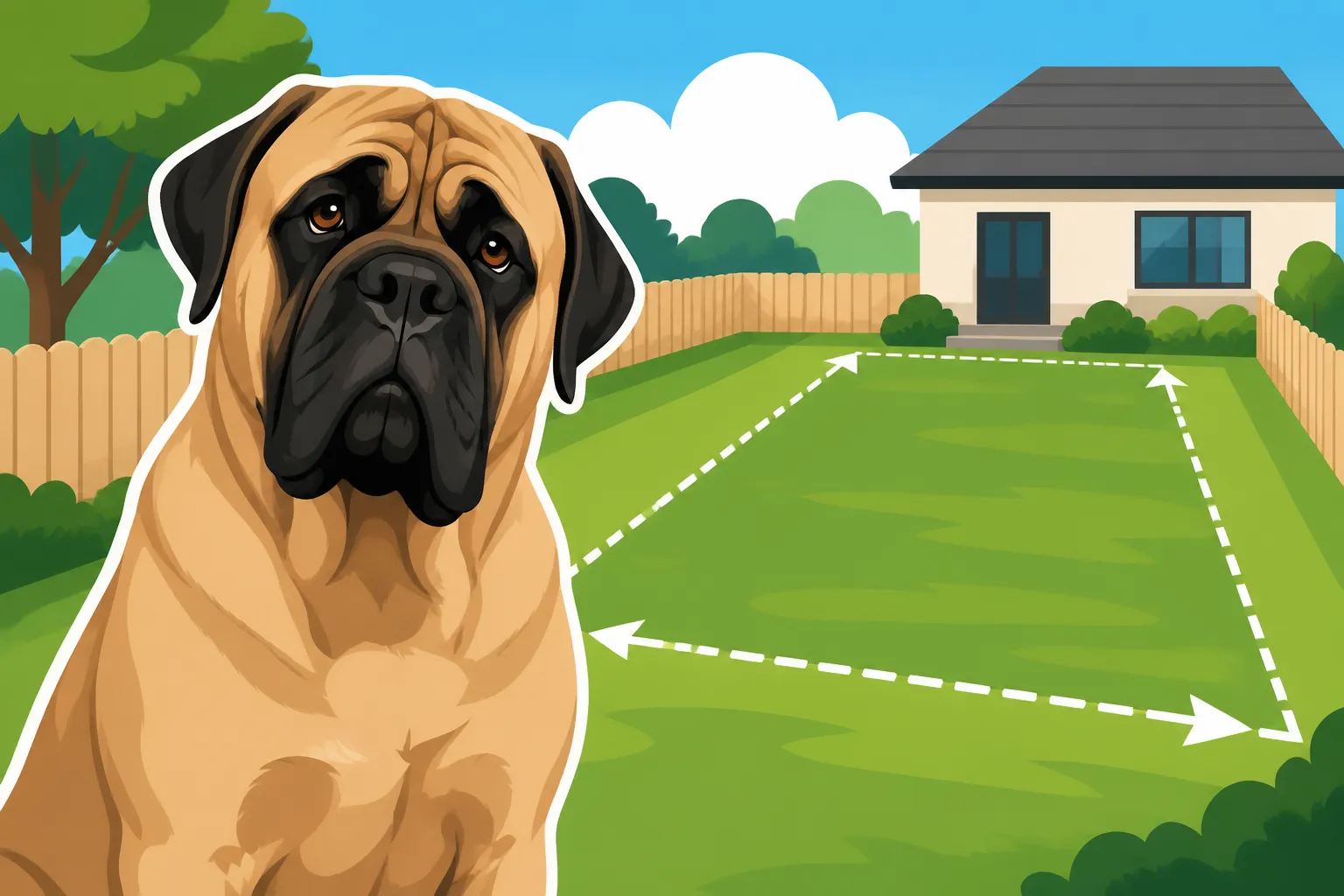
When it comes to outdoor space, what they truly need is a safe, securely fenced area for supervised potty breaks, a bit of fresh air, and perhaps a moment to observe the local squirrel population. It's less about the sheer square footage and more about the quality and functionality of that space. A smaller, well-designed urban yard can be far more beneficial than an unfenced, neglected acre where they might wander off or get into trouble. The critical elements are security, comfort, and accessibility, not necessarily endless room to run.
How a Mastiff Typically Utilizes Outdoor Space
So, if they're not tearing across the lawn like a Greyhound, what do they actually do out there? The reality of a Mastiff's outdoor behavior often surprises people who expect more athletic antics. Their yard activities are usually much more understated, a reflection of their calm and watchful nature.
The Grand Tour and the Designated "Spots"
When let into the yard, a Mastiff will typically perform a leisurely "sniff patrol." This is their version of checking emails – investigating any new smells, marking their territory, and generally taking stock of their domain. This exploration rarely involves high-speed chases or frenetic activity. It's a slow, deliberate wander, nose to the ground, absorbing information.
After the initial reconnaissance, many Mastiffs will gravitate towards a favorite spot. This might be a patch of sun for a warm nap, a shaded corner on a hot day, or a vantage point near the fence where they can survey the neighborhood (without necessarily feeling the need to bark at everything). They are connoisseurs of comfort, and once they find that ideal lounging spot, they're likely to settle down for a good, long rest. You might see a brief, excited burst of "zoomies" – a short, clumsy run around the perimeter – especially if they're still quite young or particularly pleased to be outside. However, these bursts are usually short-lived, and they quickly revert to their preferred state of dignified repose.
Guarding, Observing, and Napping
A Mastiff's instinct to guard their home and family is inherent, but it's often expressed subtly, rather than through aggressive patrolling. In the yard, they naturally adopt a watchful posture. They'll observe the comings and goings, notice changes in their environment, and generally keep a quiet vigil. This isn't usually an active, high-energy process; it's a calm, steady presence. How a Mastiff judges a stranger at the door Their sheer size alone often acts as a significant deterrent, making elaborate displays of territoriality less necessary.
Most of a Mastiff's outdoor time will, quite frankly, be spent resting. They love to nap, and a quiet, secure yard offers another prime location for a snooze. You might see them move from a sunny spot to a shady one as the day progresses, always seeking optimal comfort. Their primary engagement with the yard is as an extension of their comfortable indoor living space – a place for bathroom breaks, a change of scenery, and more opportunities for relaxed observation and, yes, napping. This calm disposition is part of their charm, but it also underscores why vast, empty spaces aren't a necessity for their well-being.
Maximizing the Utility of Any Yard for Your Mastiff
Regardless of its size, your yard can be a wonderful asset for your Mastiff if it's set up thoughtfully. It’s about creating a safe, comfortable, and stimulating environment, not just leaving them out in an empty space.
Safety First: Fencing, Shade, and Water
The absolute cornerstone of any Mastiff-friendly yard is secure fencing. These are powerful dogs, and even if they aren't inclined to escape, a strong fence is essential for their safety and for your peace of mind. A four-foot fence might be enough to deter many smaller breeds, but for a determined Mastiff, you’ll want something substantial and appropriately tall – think at least five to six feet. Check for any weak spots or areas where they might be able to push through or dig under. Their sheer weight can test the integrity of even well-built fences over time, so regular inspections are crucial.
Beyond containment, protection from the elements is paramount. Mastiffs, with their dense build and often short snouts, can overheat very quickly, especially in warmer climates or during summer months. Whether a Mastiff Overheats on a Walk Ensure there is ample, reliable shade available throughout the day. This could be from mature trees, a covered patio, or even a shade sail purchased from a retailer like Amazon. Fresh, cool water must be constantly accessible in a heavy, tip-proof bowl that can't be easily knocked over by a giant snout. In colder weather, protect them from extreme cold, as their short coats offer limited insulation once they're not actively moving.
Enrichment Beyond Just Space
An empty yard, no matter how large, can quickly become boring for any dog, including a Mastiff. Instead of expecting them to create their own fun, think about how you can add elements of enrichment. Scent work is an excellent low-impact activity that Mastiffs often enjoy. Hiding treats around the yard for them to sniff out can turn a routine potty break into a stimulating mental exercise. Scent work as a Mastiff's low impact sport Puzzle toys, even those designed for indoor use, can be brought outside for supervised play sessions.
If your Mastiff is a digger, consider creating a designated digging zone – a sandbox or a specific patch of dirt where it's okay for them to excavate. Burying toys or treats there can redirect their natural instincts away from your prize-winning rose bushes. A sturdy, comfortable outdoor bed is also a fantastic addition, giving them a dedicated, comfortable spot to lounge and observe their surroundings. Think about what they might want to do and provide the resources. A good quality orthopedic bed, perhaps from a brand you'd find on Amazon, can make their outdoor relaxation even more comfortable and support their joints, especially as they age. What a bed that holds a Mastiff costs Remember, quality of experience trumps sheer acreage.
The Crucial Role of Walks and Mental Stimulation
While a yard is definitely a convenience for quick potty breaks and a bit of fresh air, it's absolutely not a substitute for regular walks and dedicated mental stimulation. Relying solely on a yard for a Mastiff's exercise and enrichment is a common pitfall that can lead to boredom, behavioral issues, and neglected physical needs.
Why Walks Trump Yard Time for Physical Health
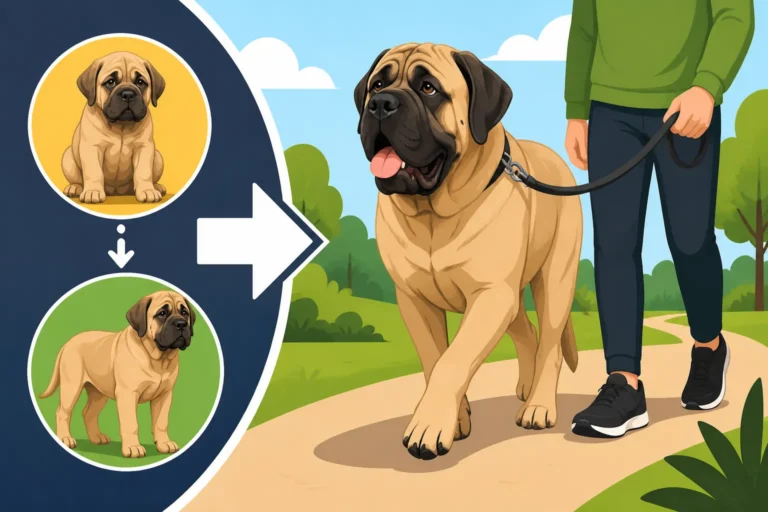
Structured walks are essential for a Mastiff's physical health, even if they aren't long, strenuous treks. Unlike random wandering in a yard, a walk provides controlled, consistent movement that helps maintain muscle tone, joint flexibility, and a healthy weight. Keeping a Mastiff lean on purpose These large dogs, despite their size, only need about an hour of moderate exercise per day, often broken into shorter sessions. Why one hour a day is enough for a Mastiff The varied terrain and pace of a walk are far more beneficial for their skeletal and muscular systems than simply lying in the grass.
Leash training is also incredibly important, and something best taught when they are still puppies, long before they reach their imposing adult weight. Teaching a Mastiff before it outweighs you A Mastiff who pulls on the leash can be dangerous, not just for the handler but for the dog if it causes sudden strain. Regular walks reinforce good leash manners and allow them to experience the world beyond their property, which is vital for their mental well-being and continued socialization. As they get older, the pace might slow, but the routine of a daily walk remains invaluable. The age a Mastiff can start real walks
Mental Enrichment: More Than Just "Potty Breaks"
Beyond the physical benefits, walks offer a wealth of mental stimulation that a yard simply cannot provide. The ever-changing smells, sights, and sounds of the neighborhood are incredibly enriching for a Mastiff. They get to process new information, encounter different people and dogs (from a safe distance if necessary), and engage their senses in ways that are impossible within the confines of a familiar yard. This exposure helps prevent boredom, reduces anxiety, and keeps their minds sharp and engaged.
Dedicated training sessions, whether indoors or out, are another cornerstone of a Mastiff's well-being. These aren't just about teaching commands; they're about building a strong bond with you, giving your Mastiff a "job" to do, and channeling their intelligence. Even five to ten minutes of focused training several times a day can make a huge difference in their overall happiness and behavior. Resources from companies like BAXTER & Bella offer excellent online programs and ideas for engaging training activities that can be adapted for a Mastiff's temperament and size, providing mental challenges that go far beyond simple yard time. Remember, a Mastiff wants to be with you and involved in your life; a yard is just one small part of that picture. What a Mastiff needs every day
Here's a quick look at how yard features can cater to a Mastiff's specific needs:
| Yard Feature | Ideal for a Mastiff | Why It Matters |
|---|---|---|
| Secure Fencing | At least 5-6 feet high, sturdy construction, no gaps. | Prevents escape, protects from external threats, provides safety for this powerful breed. |
| Ample Shade | Trees, shade sails, covered patio, dog house. | Prevents overheating, especially in warmer climates or during hot days. |
| Accessible Water | Heavy, tip-proof bowls, multiple stations if yard is large. | Crucial for hydration and cooling, especially due to their heat sensitivity. |
| Comfortable Resting Spot | Outdoor orthopedic bed, cool grass, designated quiet area. | Encourages rest and relaxation, supports joints, offers a preferred lounging area. |
| Varied Terrain | Grass, dirt, paved path (limited), gentle slopes. | Offers sensory enrichment, helps maintain paw health, prevents slipping. |
| Sensory Zones | Safe sniffing areas, small digging pit, non-toxic plants. | Provides mental stimulation through exploration and scent work. |
| Clear Pathways | Wide enough for easy movement, free of obstacles. | Ensures safe navigation for their large size, especially for older or less agile dogs. |
| Limited Hard Surfaces | Minimize concrete or asphalt where they rest or play for long. | Reduces strain on joints, especially important for heavy breeds. |
Ultimately, the best yard for a Mastiff isn't measured in acres, but in its ability to provide safety, comfort, and opportunities for low-key enrichment, always in conjunction with the indispensable daily walks and mental engagement they crave. Whether a Mastiff suits an apartment What matters most is that you are actively involved in using that space with them, rather than expecting them to entertain themselves in isolation. They will follow you from room to room, even if that room is your yard. Whether a Mastiff follows you room to room
Disclaimer
This article is for general informational purposes only and does not constitute professional advice. Laws, prices and regulations vary by location and change over time. Consult a qualified professional for guidance on your specific situation.