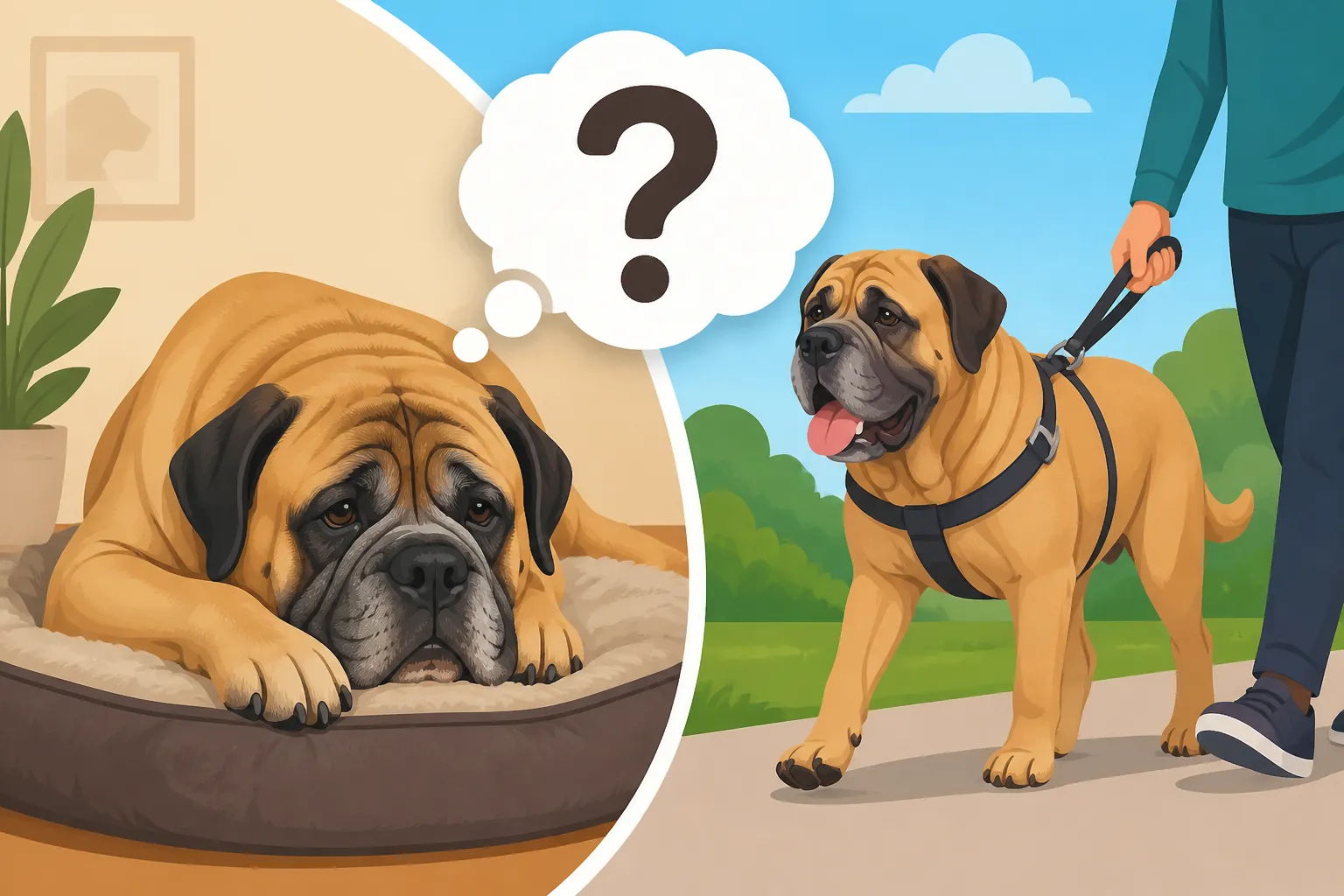
Whether an Old Mastiff Should Still Be Walked
As our beloved Mastiffs age, many owners face the heartbreaking reality of their once-robust companions slowing down. It's a common worry: you want to keep them active and happy, but you're constantly questioning if those familiar walks are still helping or inadvertently causing more pain. This guide will help you understand the unique challenges an old Mastiff faces when it comes to mobility and how to adapt their exercise routine to maintain their quality of life for as long as possible.
Understanding the Senior Mastiff's Mobility Challenges
Watching your giant companion, who once bounded across the yard with such effortless power, begin to struggle with simple movements can be profoundly upsetting. It's not just about them getting a little stiff; for a Mastiff, every pound of their immense body adds pressure to aging joints, making their decline a unique and often accelerated experience compared to smaller breeds.
The Natural Progression of Aging Joints
Just like in humans, a Mastiff's joints undergo wear and tear over a lifetime. Cartilage, the cushioning material between bones, thins and loses its elasticity. Synovial fluid, which lubricates the joints, becomes less abundant and less effective. This natural degeneration is universal, but when you consider the sheer mass a Mastiff carries – often well over 150 or even 200 pounds – it's easy to see why their joints bear an extraordinary burden. Every step, every rise from a lying position, every twist and turn places immense stress on these structures. What might be a minor ache for a smaller dog can be debilitating pain for a Mastiff. We often see them start to hesitate before jumping into the car or opting for the easier path around an obstacle rather than stepping over it. It’s a subtle shift at first, but it quickly becomes apparent.
Common Ailments Affecting an Old Mastiff's Gait
Beyond general aging, several specific conditions frequently plague senior Mastiffs and severely impact their ability to walk comfortably. Arthritis, or osteoarthritis, is almost an inevitability. It's a chronic, progressive inflammation of the joints that causes pain, stiffness, and reduced range of motion. You might notice your Mastiff struggling to get up after a nap, moving slowly, or even limping. Hip and elbow dysplasia, conditions many Mastiffs are predisposed to from a young age, often worsen significantly in old age, exacerbating arthritic changes. Some Mastiffs may also face neurological issues like Degenerative Myelopathy (DM), which affects the spinal cord and can lead to progressive weakness and paralysis in the hind legs. What Degenerative Myelopathy Does to a Mastiff is a particularly tough read, but it's important to be aware of. Then there are other less common but equally impactful issues like Wobbler Syndrome in the neck, which can also throw off their balance and coordination. The challenge is that these conditions are often hidden beneath their stoic demeanor, and it takes a keen eye to spot the early signs of discomfort.
The Mental Impact of Physical Decline
It’s not just their bodies that suffer; an old Mastiff's mind can also take a hit as their physical capabilities diminish. Dogs thrive on routine and activity, and being unable to participate in their beloved walks or play sessions can lead to frustration, anxiety, and even depression. You might observe changes in their behavior, such as increased lethargy, less enthusiasm for things they once enjoyed, or even seeking more solitude. They might look to you with a questioning gaze, clearly wanting to do more but physically unable. This mental anguish is a critical aspect of their well-being. Keeping their minds engaged, even if their bodies are failing, becomes paramount. A Mastiff who once relished patrolling the yard might now only be able to manage a few steps, and the visible disappointment can be heartbreaking for owners. It's crucial to remember that their spirit is still there, even if their legs are not cooperating.
Tailoring Walks to Your Old Mastiff's Needs
The goal isn't necessarily to stop walking altogether, but to redefine what a "walk" means for your senior Mastiff. It's about adapting to their changing abilities and ensuring that every outing remains a positive, comfortable experience, rather than a painful chore.
Assessing Your Mastiff's Daily Capacity
Every day can be different for an old Mastiff. One morning they might seem relatively spry, while the next they struggle to even stand. It's crucial to perform a quick daily assessment before heading out. Look for signs like how easily they rise, how steady their gait is around the house, and their overall enthusiasm. Is their tail wagging at the sight of the leash, or do they look hesitant? Pay attention to any stiffness, lameness, or visible discomfort. If they seem particularly stiff or sore, a very short potty break might be all they can manage that day. Remember, what they could do yesterday might not be what they can do today, and that's perfectly okay. It's about listening to their cues and respecting their limits. Thinking about The Age a Mastiff Starts to Slow can help set realistic expectations.
Adjusting Duration and Intensity
Long, strenuous walks are almost certainly out for most senior Mastiffs. Instead, think "short and frequent." Multiple short strolls throughout the day (5-15 minutes each) are often far better than one long excursion. This approach allows them to stretch their legs, do their business, and get a change of scenery without overexerting themselves. The intensity should be low: no running, no jumping, and avoid steep hills or uneven terrain. Focus on flat, soft surfaces like grass in a park rather than hard pavement which can be jarring on sensitive joints. Always keep a close eye on their breathing and overall demeanor. If they start panting excessively, lagging behind, or showing signs of fatigue, it’s time to turn back. Carrying water for them, especially if it’s warm outside, is also a good practice, as How Much Cooling a Mastiff Household Needs reminds us how quickly these big dogs can overheat.
Choosing the Right Walking Environment
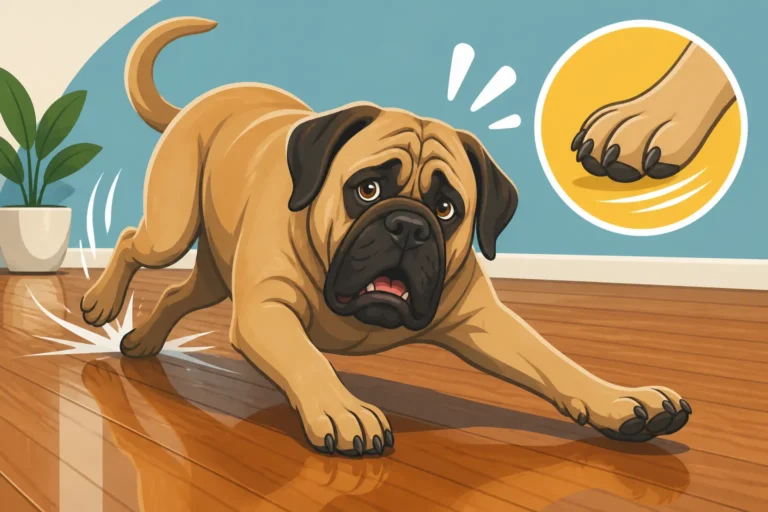
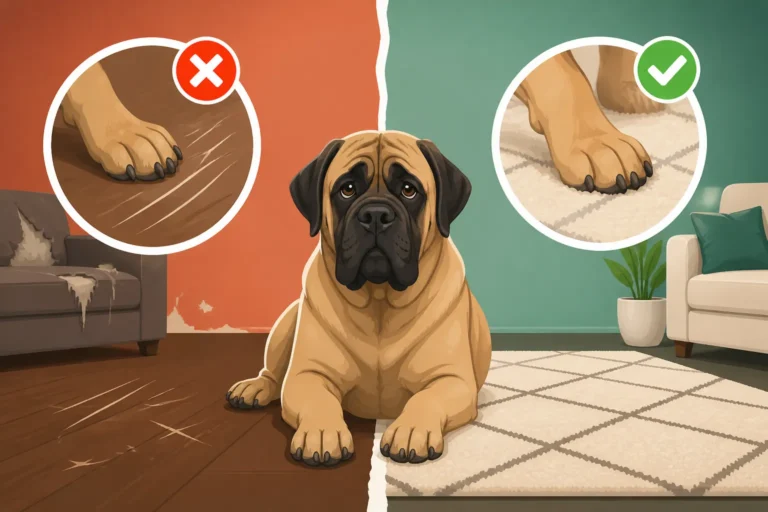
The environment plays a huge role in your old Mastiff’s comfort and safety. As mentioned, soft, even surfaces are ideal. Avoid crowded areas where they might get bumped or jostled, as a loss of balance can be dangerous. Think quiet neighborhood streets, grassy parks, or even your own backyard if it offers enough space. Consider the weather too; extreme heat or cold can be particularly hard on senior dogs. In icy conditions, the risk of a slip or fall is greatly magnified for a large, heavy dog with compromised balance. During hot weather, restrict walks to the coolest parts of the day – early morning or late evening. A familiar route can also be comforting, as novelty might add stress if they're already feeling physically vulnerable. Ensuring they have good traction is also vital; Whether a Mastiff's Nails Affect Its Traction is something to keep in mind, as overgrown nails can make walking even harder. For some, even bare floors at home can be a problem, so consider what What Bare Floors Do to a Growing Mastiff can also apply to seniors.
| Aspect of Walk | Younger Mastiff (1-4 years) | Middle-Aged Mastiff (5-7 years) | Senior Mastiff (8+ years) |
|---|---|---|---|
| Typical Duration | 45-60 min | 30-45 min | 10-20 min |
| Pace | Brisk, exploratory | Steady, relaxed | Slow, deliberate, frequent stops |
| Frequency | 2-3 times/day | 2-3 times/day | 3-5 short potty breaks |
| Terrain | Varied, inclines, trails | Flat to gently rolling | Flat, soft, non-slip surfaces |
| Weather Adapt. | Tolerant of most | Moderate tolerance, avoid extremes | Very sensitive to heat/cold |
| Assistance Needed | Minimal | Occasional support for long stairs | Harness with handles, ramp often |
| Key Focus | Exercise, mental stimulation | Maintenance, enjoyment | Comfort, dignity, gentle movement |
Alternative Ways to Keep an Old Mastiff Active
When traditional walks become too difficult, it doesn't mean your Mastiff's active life is over. It simply means you need to get creative and explore other avenues for physical and mental engagement.
Gentle Indoor Exercises
Even within the confines of your home, there are ways to keep a senior Mastiff moving. Gentle stretches, passive range of motion exercises (where you gently move their limbs through their natural range), and short, slow walks on carpeted surfaces can maintain muscle tone without putting undue stress on joints. You can use food puzzles or hide treats around the house (at accessible heights!) to encourage gentle movement and mental stimulation. Think about simple "follow me" games from room to room, especially if you have runners or carpet that provide good traction. Even moving from their bed to their water bowl and back is exercise for a truly compromised Mastiff. These activities also provide invaluable bonding time. For a Mastiff, just being near you is often activity enough, but a little physical and mental challenge goes a long way. Chewy and Amazon offer a fantastic array of slow feeders and puzzle toys that can make mealtime a brain game, encouraging gentle movement without high impact.
Hydrotherapy and Assisted Movement
Hydrotherapy, or water therapy, is an incredible option for senior Mastiffs. The buoyancy of water supports their body weight, significantly reducing impact on joints while allowing them to move their limbs through a full range of motion. Many specialized canine rehabilitation centers offer heated pools or underwater treadmills. This can be a godsend for dogs suffering from severe arthritis, hip dysplasia, or even recovering from surgery. It's exercise without the pain, strengthening muscles that support weakened joints. If professional hydrotherapy isn't an option, even a gentle paddle in a shallow, warm pool (if your Mastiff enjoys water and can safely get in and out) can provide some benefits, but always with strict supervision. For daily assistance at home or on short walks, a good support harness can be invaluable. Whether a Mastiff Needs a Harness With Handles is a common question, and for older dogs, the answer is often a resounding yes. Brands on Amazon offer sturdy full-body harnesses or rear-end slings that allow you to help lift and support your Mastiff, taking some of the pressure off their weakened legs.
Mental Stimulation Over Physical Exertion
As physical activity wanes, mental stimulation becomes even more critical. Keep their brains sharp with scent games, puzzle toys, and short, easy training sessions. Teach them new tricks that require thought but not strenuous movement, like "touch" (touching their nose to your hand) or "find it" with a favorite toy. Keep their routine predictable and calm. Gentle massage can also provide comfort and reinforce your bond, and many older Mastiffs absolutely adore the attention. Even just sitting with them, gently petting and talking, can fulfill their need for connection and engagement. Remember, a tired mind can be just as satisfying as a tired body, especially for a giant breed whose history includes being a thinking guardian. Some owners find that fresh food options, such as those provided by Ollie, can sometimes spark a renewed interest in mealtime for older, pickier eaters, adding a little excitement to their day.
Recognizing When Walks Are No Longer Beneficial
There comes a point for every aging Mastiff where the struggle outweighs the benefit, and we, as their guardians, must recognize those signs and make compassionate decisions.
Signs of Discomfort and Pain
Your Mastiff, being a stoic breed, might not cry out in pain, but they will show you in other ways. Look for consistent lagging behind, an unwillingness to start the walk, yelping or growling when trying to get up or move, excessive panting without exertion, trembling, or a change in their usual enthusiastic greeting of the leash. Are they constantly shifting their weight, or licking at their joints? Do they resist being touched in certain areas? Do they avoid interaction more than usual? These are all indicators that the walk is no longer enjoyable and might be causing them significant discomfort. Sometimes, the only "walk" they can truly manage is a slow, supported shuffle to the nearest patch of grass for a potty break. We often have to accept that these moments are enough, and our presence and gentle care are what truly matter.
When to Consult Your Vet About Mobility
If you observe persistent signs of pain, lameness, or a significant decline in mobility, it's time for a thorough veterinary examination. Your vet can assess the underlying causes of their discomfort, such as advanced arthritis, nerve degeneration, or other health issues. They might recommend pain management strategies, anti-inflammatory medications, joint supplements (which you can often find readily on Chewy), or even alternative therapies like acupuncture or laser therapy. Don't be afraid to ask for a referral to a veterinary rehabilitation specialist; they are experts in improving the quality of life for aging and mobility-challenged dogs. This is especially important if your Mastiff is struggling to get up, a common and distressing issue that can be alleviated with the right support, as discussed in Why an Old Mastiff Cannot Get Up. The vet can also help you understand if the conditions are reversible or manageable, or if you're approaching a point where quality of life decisions need to be made.
Making the Difficult Decision
Ultimately, there will come a time when even modified walks and all the best supportive care can no longer ensure your Mastiff's comfort and happiness. This is perhaps the hardest decision any pet owner faces. Focus on their quality of life. Are they still able to enjoy their food, interact with the family, and find comfortable rest? If they are consistently in pain, losing control of bodily functions, or can no longer find joy in their daily existence, it might be time to consider humane euthanasia. This isn't giving up; it's the final act of love and kindness for a companion who has given you so much. Your veterinarian can help you evaluate their quality of life objectively using assessment tools and guide you through this painful process, ensuring your beloved Mastiff passes with dignity and peace. It's a topic no one wants to think about, but Making the Decision for an Old Mastiff is an important one to prepare for emotionally.
Disclaimer
This article is for general informational purposes only and does not constitute professional advice. Laws, prices and regulations vary by location and change over time. Consult a qualified professional for guidance on your specific situation.