The Oldest a Mastiff Realistically Gets
It’s a thought that weighs heavily on every Mastiff owner's heart: how much time do we truly get with these magnificent, gentle giants? While we all dream of our beloved companions living forever, the reality of their lifespan can be heartbreakingly short. This guide aims to tackle that tough question head-on, exploring not just the average life expectancy, but also what contributes to a Mastiff living a truly long and fulfilling life, giving you realistic expectations and actionable insights.
The Heartbreaking Reality of Mastiff Lifespan
Let's be blunt: Mastiffs, like many giant breeds, are not known for their longevity. It's one of the toughest truths we face as owners of these incredible dogs. When you welcome a Mastiff into your home, you're signing up for a love that, by human standards, will be far too brief.
Why Giants Have Shorter Lives
There's a cruel irony in the dog world: the bigger the dog, the shorter their life often is. This isn't just a coincidence; it's rooted in biology. Scientists believe that giant breeds like Mastiffs age at an accelerated rate compared to smaller dogs. Their bodies grow incredibly fast in their first year or two, putting immense strain on their joints, organs, and cellular systems. This rapid growth and large body mass contribute to a higher incidence of age-related diseases like cancer, heart conditions, and joint issues at a younger age. For instance, problems like Elbow Dysplasia Affects One Mastiff in Seven or Why a Mastiff's Hips Fail Under Its Own Weight often manifest early due to their sheer size and growth rate. It’s a sad trade-off for their impressive stature, but understanding it helps us appreciate every precious moment.
The "Average" Versus the "Oldest"
When people ask, "What is the oldest a Mastiff realistically gets?", they often want to hear about the outliers, the grand old dames and distinguished gentlemen who defy the odds. The generally accepted lifespan for a Mastiff is about Six to Ten Years Is What a Mastiff Gets. Reaching the 8-year mark is considered a good run, and hitting 10 years is truly a blessing. Beyond that, a Mastiff entering its 11th or 12th year is akin to a human living well into their nineties – it happens, but it's not the norm. These exceptional cases are usually the result of a perfect storm of genetics, dedicated care, and a bit of luck. Most Mastiffs will show significant signs of aging, such as slowing down and developing chronic conditions, around The Age a Mastiff Starts to Slow which is often around 5 or 6 years old, making us feel that Why a Mastiff Is Old at Five is a very real sentiment.
Factors Influencing a Mastiff's Longevity
While some things are simply beyond our control, there are many factors within our power as owners that can significantly influence how long and how well our Mastiffs live. It's about stacking the deck in their favor wherever we can.
Genetics and Breeding Practices
The foundation of a long, healthy life often starts before your puppy even comes home. Responsible breeders are meticulous about the health of their breeding stock, screening for common genetic diseases. They prioritize health and temperament over trends or exaggerated size. This includes DNA testing for conditions like Progressive Retinal Atrophy (PRA) and Cystinuria Type III, as well as OFA certifications for hips, elbows, and cardiac health. A puppy from parents who have cleared The Four CHIC Tests a Mastiff Breeder Must Clear generally has a better start in life. While even the best breeding can't guarantee a long life, it dramatically reduces the risk of inheriting debilitating conditions that could cut it short. It’s part of the ongoing effort towards The Push to Breed Healthier Mastiffs.
Nutrition and Weight Management
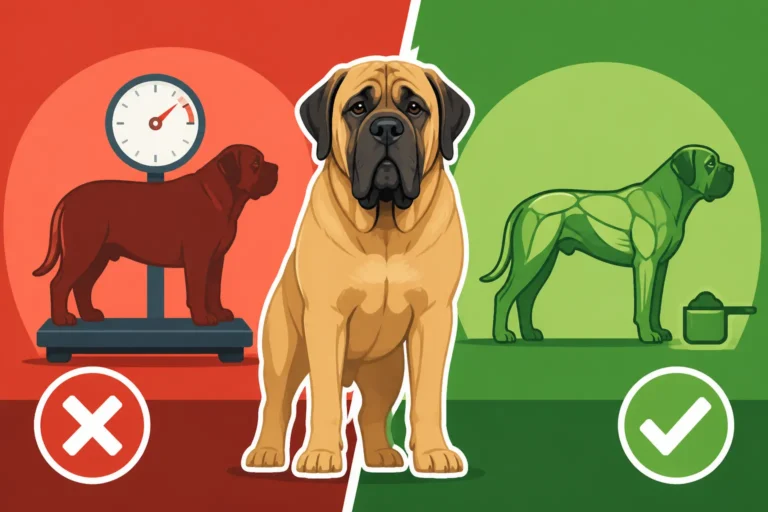
One of the most critical elements in extending a Mastiff's lifespan is keeping them lean. Extra weight puts an enormous strain on their joints, heart, and other organs, accelerating the aging process and increasing the risk of diseases like arthritis, diabetes, and heart disease. It sounds simple, but maintaining a healthy weight for a Mastiff means resisting those pleading eyes at dinner time. We’ve even written about Whether a Lean Mastiff Lives Longer because it's so important.
Feeding a high-quality, giant-breed specific diet, and measuring portions meticulously, is key. It’s not just about what they eat, but how much. It's astonishing How Many Pounds of Kibble a Mastiff Eats in a Week a Mastiff can go through, but rationing it correctly is vital. Free-feeding is generally a no-go for Mastiffs if you want to keep them at a healthy weight. Regularly checking their body condition, ensuring you can feel their ribs without seeing them, is far more important than the number on the scale. Keeping a Mastiff Lean on Purpose is a conscious effort that pays dividends in longevity and quality of life.
Veterinary Care and Preventive Measures
Regular veterinary check-ups are non-negotiable for a Mastiff. Because they age faster, routine exams and screenings become even more vital. Annual or even bi-annual visits can catch issues early when they are most treatable. This includes dental care, parasite prevention, and age-appropriate vaccinations. As they get older, bloodwork, urine analysis, and sometimes even cardiac screenings may become part of their routine care.
It's also about being proactive and open with your vet about any subtle changes you notice in your dog. Mastiffs are stoic creatures and can hide discomfort surprisingly well. Having a good relationship with your vet and considering pet insurance, perhaps from providers like Healthy Paws, can make a huge difference in accessing the best care without financial strain when unexpected health issues arise. While no insurance guarantees a long life, having a policy from a reliable company like Healthy Paws can provide immense peace of mind, especially when faced with the considerable costs of treatments for a dog of this size.
Stories of Exceptional Longevity (and What They Teach Us)
While the average lifespan is typically 6-10 years, stories of Mastiffs reaching 11, 12, or even 13 years are truly inspiring. These individuals often become legends within the Mastiff community, proving that while rare, extended lifespans are possible.
Common Threads in Long-Lived Mastiffs
Looking at the anecdotal evidence of exceptionally long-lived Mastiffs, several common themes emerge:
- Lean Body Condition: Almost without exception, these dogs were kept at a healthy, lean weight throughout their lives. Their owners understood the critical importance of preventing obesity.
- Moderate, Consistent Exercise: While Mastiff puppies need very restricted exercise, older Mastiffs benefit from regular, gentle activity. Daily walks, even short ones, and opportunities to potter around a secure yard contribute to muscle tone, joint health, and mental well-being. Avoiding extreme or high-impact activities helps preserve their joints.
- Enriching Environment and Low Stress: A loving, stable home environment with minimal stress and plenty of mental stimulation helps support overall health. Mastiffs thrive on companionship and routine. Providing comfortable bedding, such as Why a Mastiff Needs a Bed in Every Room, also supports their joints and prevents pressure sores.
- Vigilant Veterinary Care: Owners of long-lived Mastiffs are typically very attentive to their dog's health, seeking vet advice at the first sign of trouble and investing in preventive care. They understand that early intervention can significantly improve outcomes. Pet insurance, such as a plan from Healthy Paws, often plays a role in enabling this level of care.
- Good Genetics: While not always obvious, many of these dogs likely inherited good genes for longevity and lacked severe genetic predispositions to early-onset diseases. This is where responsible breeding truly shines.
These aren't magic bullets, but rather a combination of diligent care and a touch of good fortune that allows some Mastiffs to exceed expectations.
Celebrating Every Year
It's easy to get caught up in the sadness of a short lifespan, and the financial burden can be heavy, as explored in The Full Cost of Eight Years With a Mastiff. However, focusing on every single year as a gift, and making each day count, is perhaps the most important lesson. Even if your Mastiff doesn't reach double digits, the impact they have on your life is immeasurable. The depth of love and loyalty they offer in those 6-8 years is often more profound than what some receive in a lifetime. Every slobbery kiss, every gentle lean, every quiet moment by your side is a treasure. This perspective helps us appreciate the quality of their life, not just the quantity.
Supporting Your Senior Mastiff in Their Golden Years
As your Mastiff moves into its senior years, typically around age 5 or 6, their needs will change. Caring for a Mastiff Past Five becomes a specialized task, focused on comfort, pain management, and maintaining quality of life.
Adapting Their Environment
Physical changes can make everyday life challenging for an aging Mastiff. Their joints might ache, their vision or hearing might decline, and their mobility will likely decrease.
Here are some ways to adapt their home environment:
- Traction: Hardwood or tile floors can become treacherous. Lay down rugs, carpet runners, or use paw pads or anti-slip socks to give them better grip. This prevents slips and falls that could lead to serious injury.
- Comfortable Bedding: Orthopedic beds are a must. They provide crucial support for aching joints and help prevent pressure sores. Mastiffs spend a lot of time lying down, so investing in high-quality, thick bedding is paramount.
- Accessibility: Consider ramps for cars or steps, especially if they struggle to get in and out. Limit stairs if possible, or assist them with a sling if they must navigate them.
- Temperature Control: Older Mastiffs can be more sensitive to temperature extremes. Ensure they have a cool spot in summer and a warm, draft-free area in winter.
Tailoring Their Diet and Exercise
Diet and exercise also need to be adjusted for the senior Mastiff:
- Senior Diet: Consult your vet about transitioning to a senior-specific dog food. These diets are typically lower in calories to prevent weight gain (since activity usually decreases) and often contain ingredients like glucosamine and chondroitin for joint health.
- Hydration: Ensure constant access to fresh water. Older dogs can be more prone to dehydration. Elevated bowls can make eating and drinking more comfortable for those with neck or joint pain.
- Gentle Exercise: Short, frequent walks are better than long, strenuous ones. Focus on mental stimulation through puzzle toys or gentle sniff walks, which are easier on their bodies. Swimming can also be excellent for joint health if your Mastiff enjoys it, as it's low impact.
- Supplements: Discuss joint supplements with your vet. Omega-3 fatty acids, glucosamine, chondroitin, and MSM can help support joint health and reduce inflammation.
Proactive Health Monitoring
You are your Mastiff's best advocate, especially as they age. Watch for subtle changes that might indicate a health issue:
- Changes in Appetite or Thirst: A sudden increase or decrease in either can signal underlying medical problems.
- Lethargy or Disinterest: If your normally affectionate Mastiff seems withdrawn or unusually tired, it warrants a vet visit.
- Difficulty Moving: Trouble getting up, limping, or stiffness could indicate arthritis or other orthopedic issues.
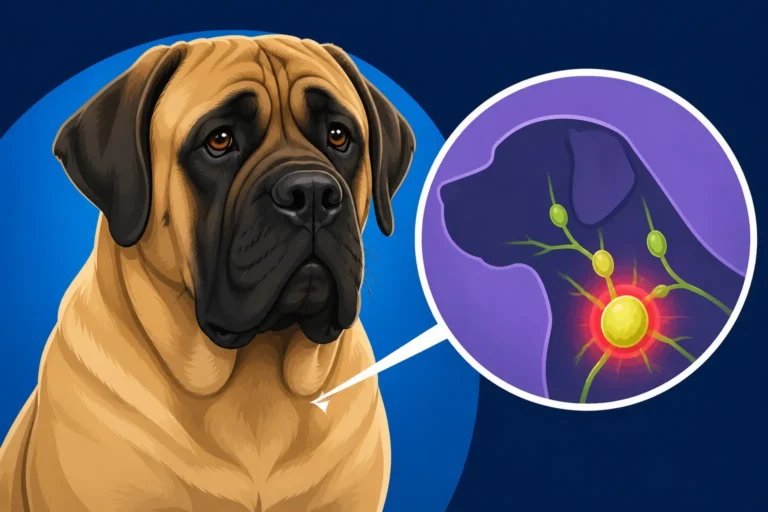
- Lumps and Bumps: Mastiffs are prone to various cancers, so regularly check for any new lumps or bumps. Many can be benign, but early detection is crucial for those that aren't. What Ends a Mastiff at Eight often points to cancer or severe joint degeneration.
- Urinary or Bowel Changes: Accidents in the house or changes in stool consistency or frequency can indicate problems.
- Behavioral Shifts: Confusion, anxiety, or changes in sleep patterns could be signs of cognitive decline.
Don't hesitate to reach out to your vet with any concerns. Pet insurance providers like Healthy Paws can be a valuable resource during these years, helping to cover diagnostics and treatments that become more frequent as your Mastiff ages. They understand the unique health needs of aging dogs and can provide support when you need it most.
Factors for Mastiff Longevity
| Factor | Positive Impact | Negative Impact |
|---|---|---|
| Genetics | Responsible breeding, health-tested parents | Poor breeding, inherited diseases |
| Weight | Lean body condition, proper nutrition | Obesity, overfeeding, high-calorie treats |
| Exercise | Moderate, consistent, low-impact activity | Strenuous exercise, lack of activity |
| Environment | Low stress, comfortable bedding, good traction | High stress, slippery floors, hard sleeping surfaces |
| Veterinary Care | Regular check-ups, early intervention, preventives | Skipped exams, delayed treatment, lack of screenings |
| Diet | High-quality, appropriate for age/size | Poor quality food, unbalanced diet |
| Supplements | Vet-approved joint/omega-3 supplements | Unnecessary or inappropriate supplements |
While the reality of a Mastiff's lifespan can be tough to accept, knowing the oldest a Mastiff realistically gets means appreciating every single day and doing everything in your power to make those days count. It means being a vigilant owner, providing the best care, and cherishing the profound love only a Mastiff can offer, for however long you are blessed to have them. Some people find Why the Short Lifespan Puts People Off Mastiffs, but for those of us who love them, every year is a gift.
Disclaimer
This article is for general informational purposes only and does not constitute professional advice. Laws, prices and regulations vary by location and change over time. Consult a qualified professional for guidance on your specific situation.