Whether a Mastiff Recovers From Elbow Surgery
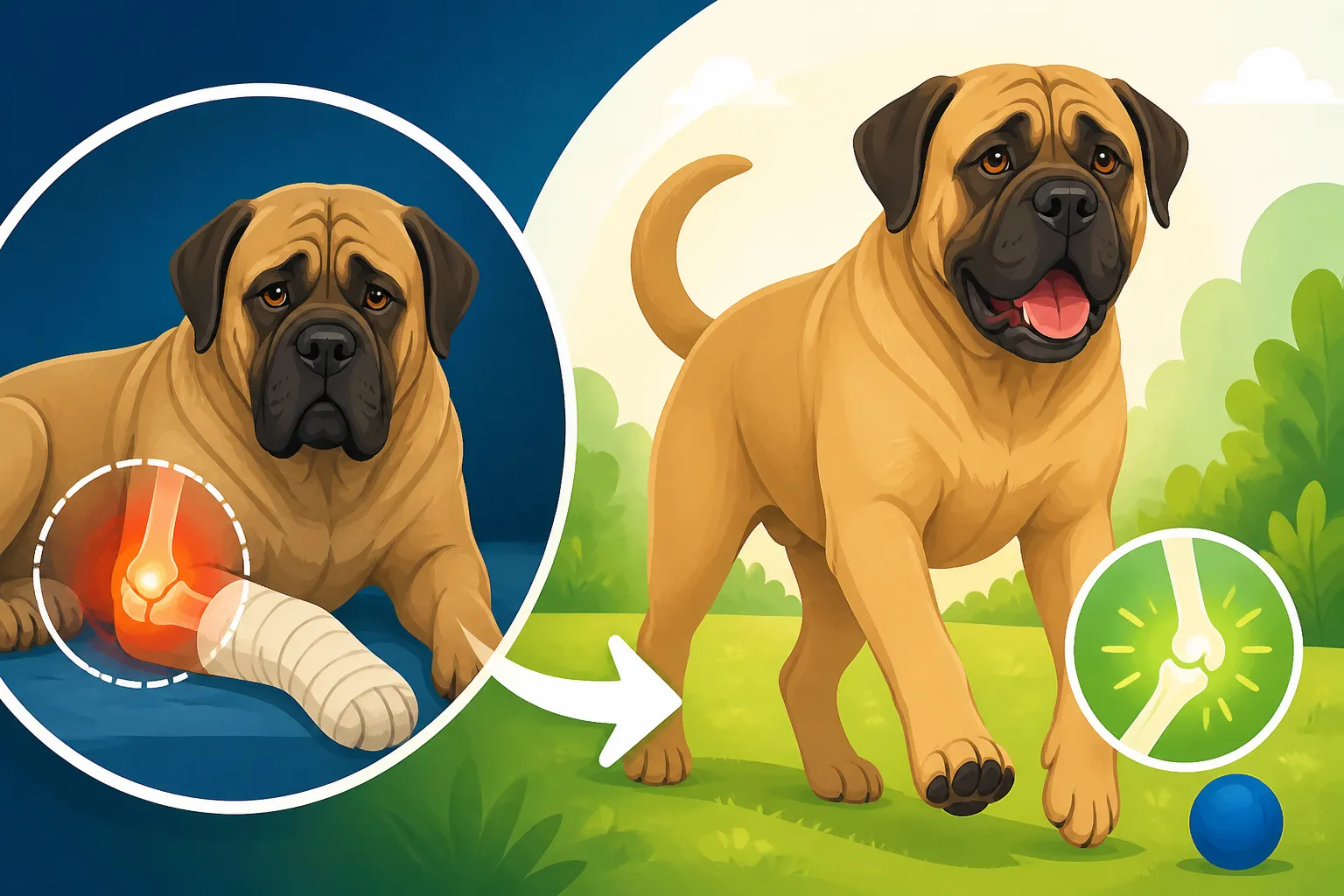
When your majestic Mastiff starts showing signs of lameness, especially in an elbow, it's truly heartbreaking and deeply worrying. The sheer size and weight of these incredible dogs mean that any joint issue is magnified, making you wonder if they can ever truly recover from something as serious as elbow dysplasia. This guide will walk you through what to expect if your Mastiff needs elbow surgery, exploring the recovery process, the commitment involved, and how you can help your gentle giant get back on their paws.
Understanding Elbow Dysplasia in Mastiffs
Elbow dysplasia in a Mastiff isn't just a minor discomfort; it's a complex, often debilitating condition that can significantly impact their quality of life. Owners often feel a deep sense of guilt, wondering if they did something wrong, but it’s important to remember that this condition is largely hereditary, though environmental factors can exacerbate it. Dealing with a lame, two-hundred-pound dog who can barely move is a challenge no owner wants to face, and the thought of surgery, especially for such a large animal, can be daunting.
The Unique Challenges of a Giant Breed
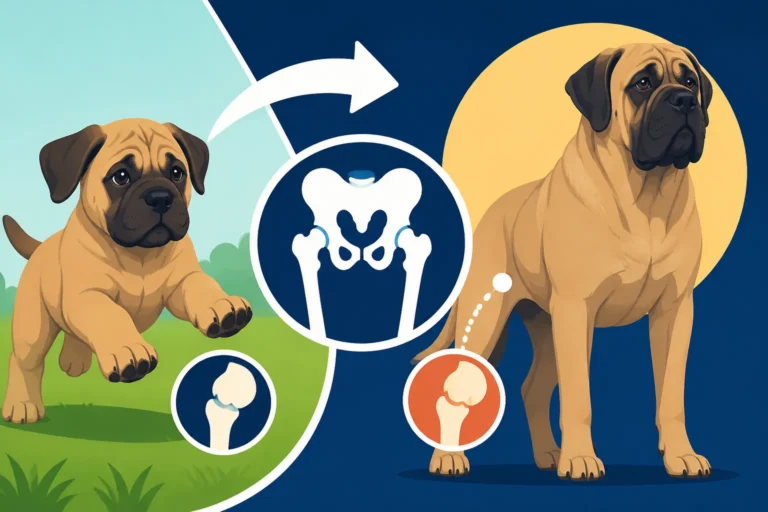
Mastiffs are magnificent, but their rapid growth and immense adult size put incredible stress on their developing joints. Elbow dysplasia is actually a blanket term for several developmental abnormalities that can occur in the elbow joint, which is a complex hinge joint involving three bones: the humerus, radius, and ulna. In a Mastiff, these bones and their cartilage can develop improperly, leading to pain, inflammation, and eventual arthritis. Factors like genetics, nutrition during puppyhood, and even the amount of exercise a young Mastiff gets can all play a role. It’s a sobering fact that Elbow Dysplasia Affects One Mastiff in Seven, making it a common concern for Mastiff parents. The sheer mass of a Mastiff means that even a minor imperfection in the joint can lead to significant problems over time as wear and tear take their toll.
Imagine a growing Mastiff puppy, full of clumsy energy, trying to navigate daily life with a subtle developmental flaw in its elbow. As they gain weight, which they do at an astounding rate, that flaw becomes a pressure point, leading to bone fragments, cartilage damage, or improper alignment. This isn't like a small dog where a slight limp might go unnoticed; a Mastiff's lameness is usually pronounced and visibly distressing. Their joints are literally bearing hundreds of pounds, and any structural weakness is put under immense strain with every step.
Recognizing the Signs of Trouble
The first signs of elbow dysplasia can appear quite early, sometimes as young as 4-7 months, though they can also manifest later in life as secondary arthritis sets in. Owners might notice a subtle lameness that comes and goes, especially after exercise or rest. Your Mastiff might be reluctant to play, climb stairs, or even stand up quickly. Stiffness, a shortened gait, or an outward rotation of the paw to relieve pressure on the elbow are all red flags. Some dogs might even yelp when the elbow is touched or manipulated.
It's crucial not to dismiss these signs, thinking it's just "growing pains." While puppies do have clumsy phases, persistent lameness is never normal. Observing your Mastiff carefully after a period of rest, like when they first get up in the morning, or after a short walk, can often reveal these subtle clues. Early diagnosis is key, not just for potential surgical intervention but also for managing the progression of the disease and preserving as much joint health as possible. If you suspect anything, don't hesitate to consult your veterinarian. They can perform a physical exam and recommend X-rays to get a clear picture of what's going on inside that massive elbow joint.
Types of Elbow Surgery and What They Involve
Once elbow dysplasia is diagnosed, especially if it's causing significant pain and lameness, surgery often becomes a serious consideration. This isn't a one-size-fits-all situation; the specific type of surgery recommended will depend on the exact nature of the problem found in your Mastiff's elbow. It's a scary thought, putting your giant friend through such a procedure, but for many, it offers the best chance at a pain-reduced, more active life.
Common Surgical Interventions
Elbow dysplasia encompasses several conditions, and each requires a tailored surgical approach. One common issue is a Fragmented Coronoid Process (FCP), where a small piece of bone breaks off within the joint, causing irritation. Surgery for FCP typically involves removing these fragments, often done minimally invasively through arthroscopy. Another issue is an Ununited Anconeal Process (UAP), where a growth plate fails to fuse, leaving a loose bone fragment. This might be treated by reattaching the fragment with a screw or removing it entirely, depending on the dog's age and the fragment's size.
A less common but severe form involves Osteochondritis Dissecans (OCD), where cartilage fails to develop properly, leading to a flap of cartilage or bone. This also usually involves arthroscopic removal of the loose flap. In more complex cases, or when there's significant incongruity (mismatch) between the joint surfaces, procedures like an osteotomy (cutting and realigning bone) might be considered to improve joint mechanics and reduce future wear. Deciding on the right procedure involves detailed imaging, often including CT scans, to fully understand the intricate pathology within your Mastiff's elbow. Each of these procedures aims to remove the source of pain and prevent further damage to the joint cartilage, offering your Mastiff a chance at improved comfort and mobility.
Considering Specialist vs. General Vet
Given the complexity of elbow dysplasia and the sheer size of a Mastiff, the decision of who performs the surgery is paramount. While your general practice veterinarian is an invaluable partner in your dog's health, many elbow surgeries, especially those involving joint reconstruction or arthroscopy, are best handled by a board-certified veterinary orthopedic surgeon. These specialists have advanced training and experience, often working in specialized referral centers equipped with state-of-the-art diagnostic and surgical tools.
A specialist understands the nuances of giant breed anatomy and growth plates, which is critical for successful outcomes. They can accurately identify the specific type of dysplasia, choose the most appropriate surgical technique, and manage potential complications more effectively. For a Mastiff, where every pound of weight puts strain on the surgical site, having a surgeon with extensive experience can truly make a difference in the long-term success of the procedure. It's not uncommon for a Mastiff owner to be referred to such a specialist, and it's always in the best interest of your dog to consider this expertise, even if it means traveling further or incurring higher costs. Your veterinarian can advise you on finding a reputable specialist, and remember, a specialist will often consult closely with your regular vet for post-operative care. In fact, many serious procedures are routinely performed by specialists. Which Surgeries a Mastiff Needs a Specialist For is a related article that delves into why this expertise is so vital for large breeds.
The Recovery Road: What to Expect Post-Surgery
The surgery itself is only the first step. The recovery period for a Mastiff after elbow surgery is a marathon, not a sprint, and it requires immense dedication, patience, and often a fair bit of physical effort from you, the owner. It’s easy to feel overwhelmed by the process, but understanding what lies ahead can help you prepare for the challenges and celebrate the small victories along the way.
Immediate Post-Operative Care
Right after surgery, your Mastiff will need strict rest and meticulous care. This usually means a period of confinement, often in a crate or a small, easily managed space, to prevent any strain on the healing joint. Pain management is paramount; your vet will prescribe a regimen of pain relievers and anti-inflammatory medications to keep your Mastiff comfortable. You'll likely be dealing with bandages or dressings that need regular checking and potentially changing. Monitoring the incision site for any signs of infection (redness, swelling, discharge) is critical, as is ensuring your dog is eating, drinking, and eliminating normally.
The biggest challenge with a Mastiff during this phase is their size. Lifting a large, possibly groggy, and definitely sore Mastiff for potty breaks is no small feat. You might need assistance, or invest in a lifting harness to help support their weight. Controlled leash walks for bathroom purposes will be the extent of their "exercise" for several weeks. This period can be frustrating for a dog that's used to more freedom, so providing mental stimulation with puzzle toys or gentle petting will be essential to keep their spirits up. It's a tough time, full of worry, but every day your Mastiff rests is a day closer to healing.
The Long Haul: Rehabilitation and Physical Therapy
Once the initial post-operative period is over, typically a few weeks, the real work of rehabilitation begins. This isn't optional; a structured physical therapy program is absolutely vital for a successful outcome in a giant breed like a Mastiff. The goal is to gradually restore strength, flexibility, and range of motion to the elbow, while preventing muscle atrophy and compensating lameness.
Rehabilitation often involves a combination of therapies:
- Controlled Exercise: Gradually increasing the duration and intensity of leash walks on soft surfaces.
- Hydrotherapy: Underwater treadmill sessions are particularly beneficial for Mastiffs. The buoyancy of the water supports their immense weight, allowing them to exercise their recovering joint without impact, building muscle and improving gait.
- Therapeutic Exercises: Specific movements and stretches prescribed by a rehab veterinarian to target muscle groups around the elbow.
- Massage and Laser Therapy: To reduce inflammation and promote healing.
This phase can last for several months, requiring consistent effort and regular visits to a certified rehabilitation specialist. It demands patience and commitment, but seeing your Mastiff slowly regain strength and mobility is incredibly rewarding. While arthritis is often a long-term concern with elbow dysplasia, a robust rehab program can significantly mitigate its impact and improve overall comfort. You might find our article Arthritis in a Mastiff at Four helpful as you consider the long-term joint health of your companion.
Potential Complications and Setbacks
While surgery and rehabilitation offer the best chance for improvement, it's realistic to acknowledge that complications and setbacks can occur. No surgery is without risk, and for a Mastiff, their size can sometimes complicate matters. Infections at the surgical site are always a concern, requiring vigilant monitoring and prompt veterinary attention if signs appear. Sometimes, orthopedic implants (screws, pins) can migrate or cause irritation, necessitating further intervention.
Another common challenge is persistent lameness or the development of significant arthritis despite surgery. While surgery aims to prevent or slow down arthritis, it doesn't eliminate the predisposition, especially in a breed genetically prone to joint issues. Your Mastiff might not regain 100% of its original function, and some degree of lameness or stiffness, particularly in cold weather or after intense activity, may remain. It's about managing expectations and aiming for a significantly improved quality of life rather than a complete cure. Open communication with your vet and rehab specialist about any concerns is vital to address issues promptly and adjust the recovery plan as needed.
Maximizing Your Mastiff's Surgical Outcome
Bringing your Mastiff through elbow surgery and a long recovery journey is a massive undertaking, both emotionally and financially. But with careful planning, unwavering dedication, and the right support, you can significantly improve their chances of a positive outcome. It's about creating an environment that fosters healing and supports their long-term joint health.
Creating a Safe and Supportive Environment
The home environment plays a colossal role in your Mastiff's recovery. Immediately post-op, restrict your Mastiff to a small, safe area where they cannot run, jump, or play roughly. A large crate or a confined room with non-slip flooring is ideal. Hardwood or tile floors are notorious for causing slips and falls, which can easily re-injure a delicate surgical site, especially in a dog with compromised balance due to pain medication. Lay down rugs or runners to provide ample traction. Traction: Why a Mastiff Cannot Live on Bare Hardwood explains just how critical this seemingly small detail is for giant breeds.
Furthermore, consider blocking access to stairs if your home has them, or invest in a sturdy ramp if stairs are unavoidable. Carrying a Mastiff up or down stairs, even with assistance, is incredibly risky and can injure both dog and owner. Remember, Why Stairs Are Worse for a Mastiff Than Any Breed for their joints, particularly during recovery. Ensure their bed is orthopedic and provides excellent support, distributing their significant weight evenly to prevent pressure sores and maximize comfort during long periods of rest. Having water bowls and food bowls easily accessible without straining is also important.
Nutrition and Weight Management
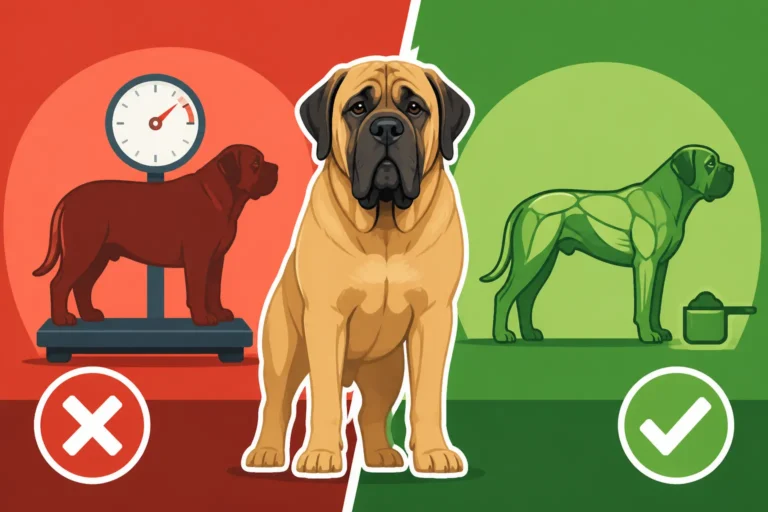
Maintaining a lean body condition is arguably one of the most impactful things you can do for your Mastiff's joints, both before and especially after surgery. Every extra pound your Mastiff carries puts additional stress on their healing elbow, slowing recovery and accelerating the development of arthritis. It sounds simple, but managing the weight of a Mastiff can be challenging given their size and often hearty appetites.
Work closely with your veterinarian or a veterinary nutritionist to establish a precise feeding plan that provides adequate nutrients for healing without leading to weight gain. Often, a lower-calorie, high-quality large breed dog food is recommended, carefully portioned to maintain an ideal body score. Regular weight checks are a must. Remember, a "chunky" Mastiff might look impressive, but a lean Mastiff will feel much better and live longer. Our article, Keeping a Mastiff Lean on Purpose, offers further insights into this vital aspect of giant breed care. Indeed, a lean dog often enjoys a better quality of life and potentially a longer lifespan, as explored in Whether a Lean Mastiff Lives Longer.
Financial Planning and Support
Let's be brutally honest: elbow surgery for a Mastiff, followed by extensive rehabilitation, is an incredibly expensive undertaking. You're looking at costs that can easily run into the thousands of dollars, sometimes even tens of thousands, especially if complications arise or if specialized implants are needed. This financial burden often adds to the stress of an already difficult situation. It’s why upfront planning, if possible, is so important. What Hip Surgery Costs on a Mastiff can give you an idea of the scale of these veterinary bills.
This is where pet insurance, like a policy from Healthy Paws, can be an absolute lifeline. A good policy purchased before any signs of lameness appeared can cover a significant portion of the surgical costs, hospitalization, medications, and crucial physical therapy sessions. Without insurance, many owners face agonizing decisions about their pet's care, or go into substantial debt. Even if you don't have insurance, discussing payment plans with your veterinary hospital, or exploring veterinary assistance programs, can help. The reality is, The Mastiff's Short Life Buys the Biggest Bills, and preparing for these potential costs is part of responsible Mastiff ownership. A robust insurance plan can certainly alleviate some of that stress, allowing you to focus on your Mastiff's recovery rather than the looming invoices. You might also want to check out Whether Pet Insurance Covers a Mastiff's Elbows to understand coverage specifics.
Patience and Realistic Expectations
Perhaps the most challenging, yet crucial, aspect of a Mastiff's elbow surgery recovery is developing a deep well of patience and setting realistic expectations. This isn't a quick fix. Your Mastiff won't be bounding around like a puppy within weeks, and pushing them too hard, too soon, can undo all the progress. It takes months, sometimes even a year or more, to see the full benefits of surgery and rehabilitation.
There will be good days and bad days. There will be moments when you feel like you're not making any progress, or when your Mastiff seems to take two steps back. It’s vital to celebrate the small improvements – a little less stiffness, a longer walk, a more comfortable rise from a nap. Understand that while surgery can significantly improve comfort and mobility, it cannot reverse genetic predispositions or the wear and tear that has already occurred. Your goal is to give your Mastiff the best possible quality of life, which may mean managing some level of arthritis long-term with medication, supplements, and continued appropriate exercise. With dedication, your Mastiff can absolutely recover significantly and enjoy a much happier, less painful life.
Disclaimer
The information provided in this article is for general informational purposes only and does not constitute veterinary medical advice. Always consult with a qualified veterinarian or veterinary specialist for any health concerns or before making any decisions about your Mastiff's medical care, especially regarding surgery and rehabilitation. Individual recovery times and outcomes can vary.