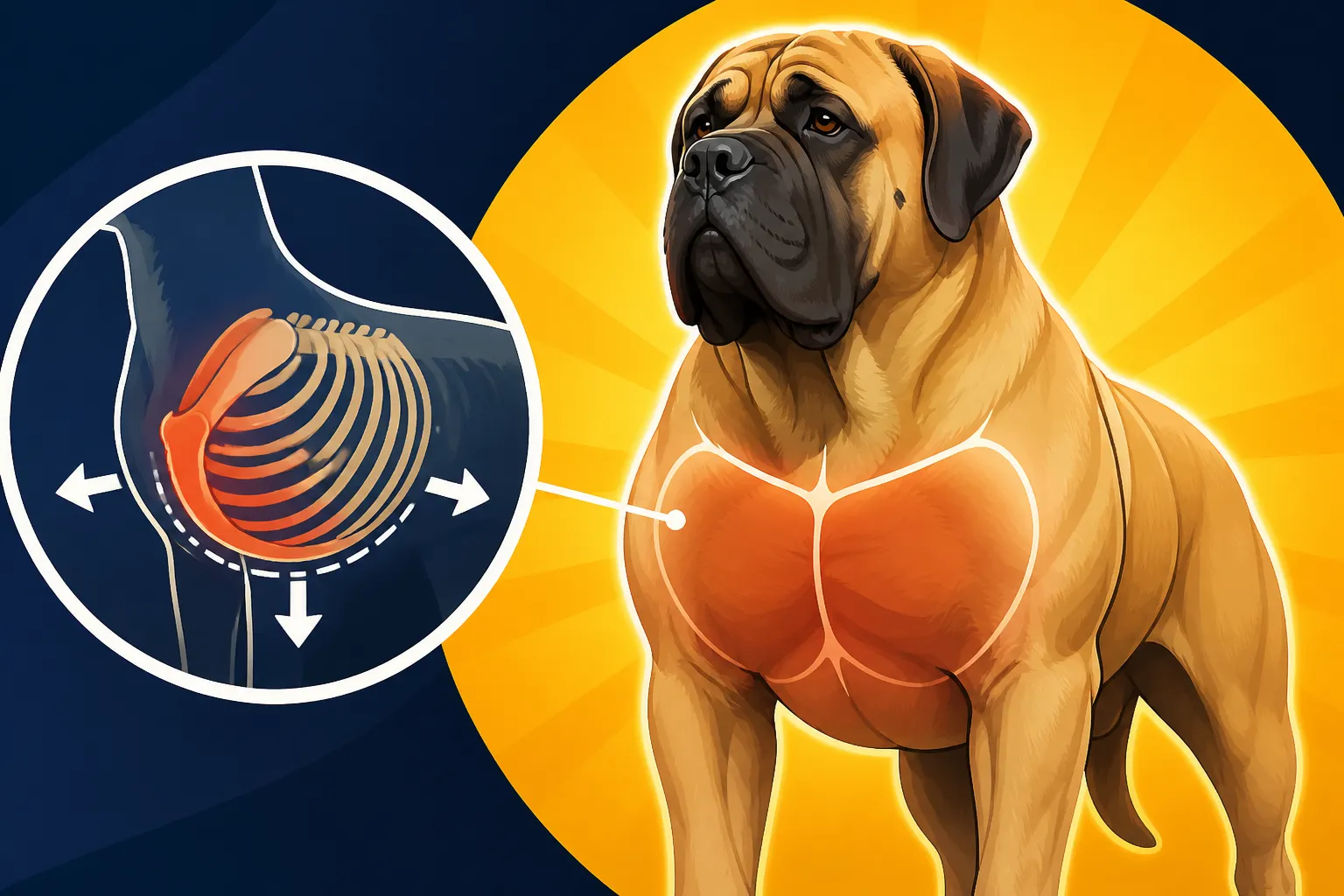
Why the Mastiff Has the Deepest Chest of Any Breed
Few sights are as majestic and imposing as a Mastiff, a true giant among dogs. While their sheer size and gentle demeanor are often remarked upon, many owners and admirers are also struck by their incredibly deep chests. This isn't just an aesthetic feature; it's a fundamental part of their anatomy with significant health implications that every Mastiff guardian needs to understand. This guide will explore the fascinating reasons behind the Mastiff's uniquely deep chest and what it means for their well-being.
The Evolutionary Blueprint: A Legacy of Form and Function
When you look at a Mastiff, you're not just seeing a large dog; you're witnessing centuries of selective breeding and a heritage rooted in powerful, protective roles. The breed's physical characteristics, including that impressive chest, are a direct result of the tasks they were historically bred to perform.
Ancestral Roles and Selective Breeding
The ancestors of the modern Mastiff were formidable dogs, employed for centuries as war dogs, estate guardians, and even in brutal arena sports. Imagine the stamina and power required for such roles – a dog needed strong lungs and a robust cardiovascular system to sustain prolonged physical exertion and command a dominant presence. Breeders, perhaps unknowingly, favored dogs with larger, deeper chests because these dogs were often more capable, resilient, and imposing. This wasn't about aesthetics; it was about performance and survival. Over generations, this preference intensified, leading to the pronounced thoracic cavity we see today. The very history of the breed, dating back to ancient Molosser dogs, emphasizes strength and endurance, which are inextricably linked to efficient respiration and a powerful heart, both housed within that cavernous chest.
The Mastiff's Unique Silhouette
Compared to many other large breeds, a Mastiff's chest often extends far down, sometimes nearly to their elbows, giving them a distinct, almost barrel-chested appearance when viewed from the side. This isn't just a matter of width, but of significant depth. While a breed like a Great Dane might be taller, and a Newfoundland broader, the Mastiff's depth of chest is often unmatched. This contributes greatly to their overall massive appearance, making them seem even larger and more substantial than their already considerable weight suggests. This unique silhouette is a hallmark of the breed and often a point of pride for Mastiff enthusiasts, though it carries practical considerations that new owners quickly learn about, from finding appropriately sized harnesses to understanding specific health risks.
Understanding Canine Thoracic Anatomy
To truly grasp why a deep chest matters, it helps to understand a little bit about what's inside that magnificent rib cage and how it functions. It's a complex system designed for life, but in large breeds like the Mastiff, some aspects are amplified.
What Constitutes a Deep Chest?
In canine anatomy, a "deep chest" refers to the measurement from the spine down to the sternum (breastbone). When this distance is proportionally large compared to the dog's overall height and length, it's considered deep. For a Mastiff, this depth provides ample space within the thoracic cavity, which houses vital organs like the heart and lungs. It's not merely a visual trait; it signifies a structural design that impacts how these organs are supported and operate. This deep housing allows for large lung volumes, crucial for a dog of the Mastiff's size and potential strength, even if their activity levels are typically moderate as adults. It’s also often accompanied by a relatively narrow waist, creating a distinct "tuck-up" behind the ribs. This combination of a deep chest and a narrow abdomen is a classic indicator of increased risk for certain health issues.
Lung Capacity and Respiration
The primary benefit of such a deep chest, from an evolutionary perspective, is the potential for increased lung capacity. Larger lungs mean a greater volume of air can be inhaled and exhaled with each breath, leading to more efficient oxygen exchange. For an animal that historically needed bursts of power or sustained vigilance, optimal respiratory function was paramount. While modern Mastiffs are more likely to be found napping on a couch than guarding a medieval estate, the underlying anatomy remains. This capacity helps them manage their large body mass, ensuring their muscles and organs receive adequate oxygen, even if their physical exertion is limited to a leisurely stroll or a sudden, enthusiastic greeting at the door. It’s also why, despite their bulk, a healthy Mastiff typically breathes calmly and deeply.
The Role of the Rib Cage and Sternum
The deep chest is framed by a broad, well-sprung rib cage and a long, prominent sternum. The ribs act as a protective barrier for the heart and lungs, while their "spring" or curvature provides volume. A well-sprung rib cage is desirable as it indicates good internal space. The sternum, running along the underside, provides the attachment point for the ribs and helps define the chest's depth. In a Mastiff, these bones are exceptionally strong and substantial, contributing to the breed's overall powerful build. This skeletal structure isn't just for show; it's a robust casing for life-sustaining organs, built to withstand the physical demands of a truly massive animal. However, this structure also contributes to certain health vulnerabilities, which we will explore next.
Health Implications of a Deep Chest
While a deep chest is integral to the Mastiff's breed standard and historical function, it also brings specific health concerns that require owners to be particularly vigilant. Understanding these risks is crucial for providing the best possible care for your giant companion.
The Shadow of Bloat Gastric Dilatation-Volvulus
Without a doubt, the most critical health risk associated with a deep chest in Mastiffs (and other large breeds) is Gastric Dilatation-Volvulus, commonly known as bloat. This life-threatening condition occurs when the stomach fills with gas and twists on itself, cutting off blood supply and trapping contents. The deep, narrow chest cavity of the Mastiff is thought to contribute to this risk because it provides more room for the stomach to shift and rotate. It's a terrifying emergency that can progress rapidly, and as any Mastiff owner can attest, a dog can go from looking perfectly fine to being in critical condition in a matter of hours. This is why understanding The First Sign a Mastiff Is Bloating is absolutely vital for any owner. Symptoms like pacing, unsuccessful attempts to vomit, a distended abdomen, and restlessness demand immediate veterinary attention. Sadly, without rapid intervention, bloat is often fatal.
Respiratory Considerations
While a deep chest generally signifies good lung capacity, it doesn't automatically mean a Mastiff is free from respiratory issues. Their sheer size, combined with the potential for obesity, can put a strain on their respiratory system. Overweight Mastiffs will have more difficulty breathing, especially in warm weather, as their deep chests and bulk make it harder for them to dissipate heat efficiently. Moreover, some Mastiffs may have brachycephalic tendencies (a slightly flattened face) which, when combined with their deep chests, can sometimes lead to upper airway obstruction issues, though this is less common than in truly brachycephalic breeds. It's important to keep your Mastiff at a healthy, lean weight to minimize respiratory strain, and to be mindful of exercise levels, particularly on hot or humid days.
Cardiac Health and Chest Conformation
The heart, a powerful muscle, also resides within that deep chest. While the chest conformation itself doesn't directly cause heart disease, certain cardiac conditions can affect Mastiffs, and their large size can exacerbate the impact of any heart issue. Dilated Cardiomyopathy (DCM) is a concern in some large breeds, where the heart muscle weakens and becomes enlarged, leading to inefficient pumping. While not as prevalent in Mastiffs as in some other giant breeds, it's a serious condition. A deep chest houses a large heart that has to work incredibly hard to pump blood throughout such a massive body. Therefore, regular veterinary check-ups, including discussions about Whether a Mastiff Needs a Cardiac Exam, are crucial to monitor heart health, especially as they age. Early detection of any cardiac abnormality can significantly impact treatment success and quality of life.
Responsible Breeding and Owner Vigilance
Owning a Mastiff is a commitment to responsible care, largely because of their unique physical characteristics and the health challenges they can present. Both breeders and owners play crucial roles in ensuring these magnificent dogs live the healthiest lives possible.
Breeding for Health, Not Just Size
Reputable Mastiff breeders understand that while the deep chest is a defining characteristic, it comes with responsibilities. They strive to breed dogs that not only meet the aesthetic standard but also possess sound health and temperament. This includes being acutely aware of the risk of bloat and taking steps to mitigate it through careful lineage selection. They also prioritize overall structural integrity, ensuring hips, elbows, and other joints can support What a Mastiff Actually Weighs. A truly responsible breeder will not simply focus on producing the largest or deepest-chested Mastiff but will emphasize genetic health testing for conditions like hip and elbow dysplasia, as well as cardiac screening. They are part of The Push to Breed Healthier Mastiffs, acknowledging that true beauty in the breed lies in its vitality and longevity.
Early Warning Signs and Emergency Preparedness
For Mastiff owners, vigilance is paramount. Given the rapid onset and severity of conditions like bloat, being able to recognize the earliest signs is not just helpful, it's often life-saving. Beyond the obvious symptoms of bloat, any sudden change in your Mastiff's behavior, appetite, or energy level should prompt investigation. This means having an established relationship with your veterinarian and knowing their emergency protocols. It’s wise to keep emergency contact numbers readily accessible, including your primary vet and the nearest 24-hour animal hospital. Pet insurance, such as a comprehensive plan from Healthy Paws, can also be a lifeline during such crises, ensuring you can make immediate decisions based on what's best for your dog, not just your wallet, especially when facing expensive emergency surgeries like those required for bloat.
Here's a quick guide to Bloat (GDV) symptoms and necessary actions:
| Symptom Category | Specific Signs to Watch For | Immediate Action Required |
|---|---|---|
| Abdominal Changes | Distended, hard, or swollen abdomen (especially on the left side), stretching, rigid posture. | CRITICAL: Contact emergency vet immediately. |
| Behavioral Changes | Restlessness, pacing, inability to get comfortable, whining, looking at flank. | CRITICAL: Contact emergency vet immediately. |
| Vomiting/Retching | Non-productive retching (trying to vomit but nothing comes up), gagging, foaming at the mouth. | CRITICAL: Contact emergency vet immediately. |
| Pain/Discomfort | Drooling excessively, rapid shallow breathing, hunched posture, moaning. | CRITICAL: Contact emergency vet immediately. |
| Collapse/Weakness | Weakness, lethargy, pale gums, rapid heart rate, collapse. | CRITICAL: Contact emergency vet immediately. |
Proactive Care and Veterinary Partnerships
Proactive care is the cornerstone of Mastiff ownership. This involves more than just reacting to emergencies; it means actively working with your veterinarian to prevent problems and maintain optimal health. Regular check-ups, adherence to vaccination schedules, and consistent parasite prevention are standard, but for a Mastiff, special attention to weight management, joint health, and dental care is also crucial. Discussing preventive measures for bloat, such as a prophylactic gastropexy (where the stomach is surgically tacked to the abdominal wall to prevent twisting), is a conversation every Mastiff owner should have with their vet. This procedure, often performed at the same time as spaying or neutering, can dramatically reduce the risk of future GDV. Learning When a Mastiff's Gastropexy Should Be Done can be a game-changer. Maintaining a good relationship with your vet allows for informed decisions regarding their unique health needs throughout their relatively short Six to Ten Years Is What a Mastiff Gets.
Living with a Deep-Chested Giant
Beyond the critical health concerns, simply living with a deep-chested Mastiff requires some practical adjustments and a thoughtful approach to their daily care and environment.
Diet and Exercise Management
Managing a Mastiff's diet and exercise is paramount, especially concerning their deep chest and the risk of bloat. Rather than one large meal, feeding smaller, more frequent meals (two or three times a day) can help reduce the amount of food and air in the stomach at any one time. Avoiding elevated food bowls, contrary to popular belief, is often recommended as studies suggest they may increase bloat risk in large breeds. Encourage calm eating and restrict vigorous exercise, excitement, or large amounts of water immediately before and after meals. A slow feeder bowl can also be incredibly helpful in making your Mastiff eat more slowly. Remember, these are not dogs built for endurance running or high-impact activities; their large frames and deep chests thrive on moderate, consistent exercise that supports their joints without overtaxing them. Even a two hundred pound Mastiff only needs one hour a day of exercise.
Recognizing Bloat Symptoms in Your Mastiff
The unfortunate truth is that for deep-chested breeds like the Mastiff, bloat is an ever-present concern. You can do everything right, and it might still happen. This is why immediate recognition and action are so vital. It’s easy to dismiss a subtle sign as just a bit of indigestion, but with bloat, minutes matter. The dog might try to vomit but bring nothing up, or only foamy saliva. They might pace endlessly, looking at their side, unable to settle. Their belly might appear swollen and feel hard, like a drum. These signs are not to be taken lightly. If you suspect bloat, even for a moment, it's an emergency. Don't wait. Get to the vet immediately. Every Mastiff owner needs to know How Long a Bloating Mastiff Has Before Surgery and act within that narrow window. Having a clear plan and the financial backing, perhaps through a pet insurance provider like Healthy Paws, can mean the difference between life and loss during such a stressful event.
Maintaining Overall Health
A deep chest also has implications for other aspects of your Mastiff's health and comfort. Their heavy front end means their elbows are under considerable stress, especially if they spend a lot of time lying on hard surfaces. Providing ample, supportive bedding in multiple locations around the house is crucial to prevent pressure sores and joint discomfort. Because of their size, even routine veterinary procedures can be more complex. Dosing medications, for instance, requires careful calculation, often based on lean body weight rather than just scale weight to ensure accuracy for these massive dogs. This attention to detail is just one part of Caring for a Mastiff Past Five, as their needs become even more pronounced as they enter their senior years. Regular grooming, including checking the skin folds around their deep chest, is also important to prevent skin irritations. Being proactive and knowledgeable about all these aspects is what makes a truly responsible Mastiff owner.
Disclaimer
The information provided in this article is for general informational purposes only and is not a substitute for professional veterinary advice. Always consult with a qualified veterinarian for any health concerns or before making any decisions related to your Mastiff's care.