Whether a Mastiff Should Walk at Midday
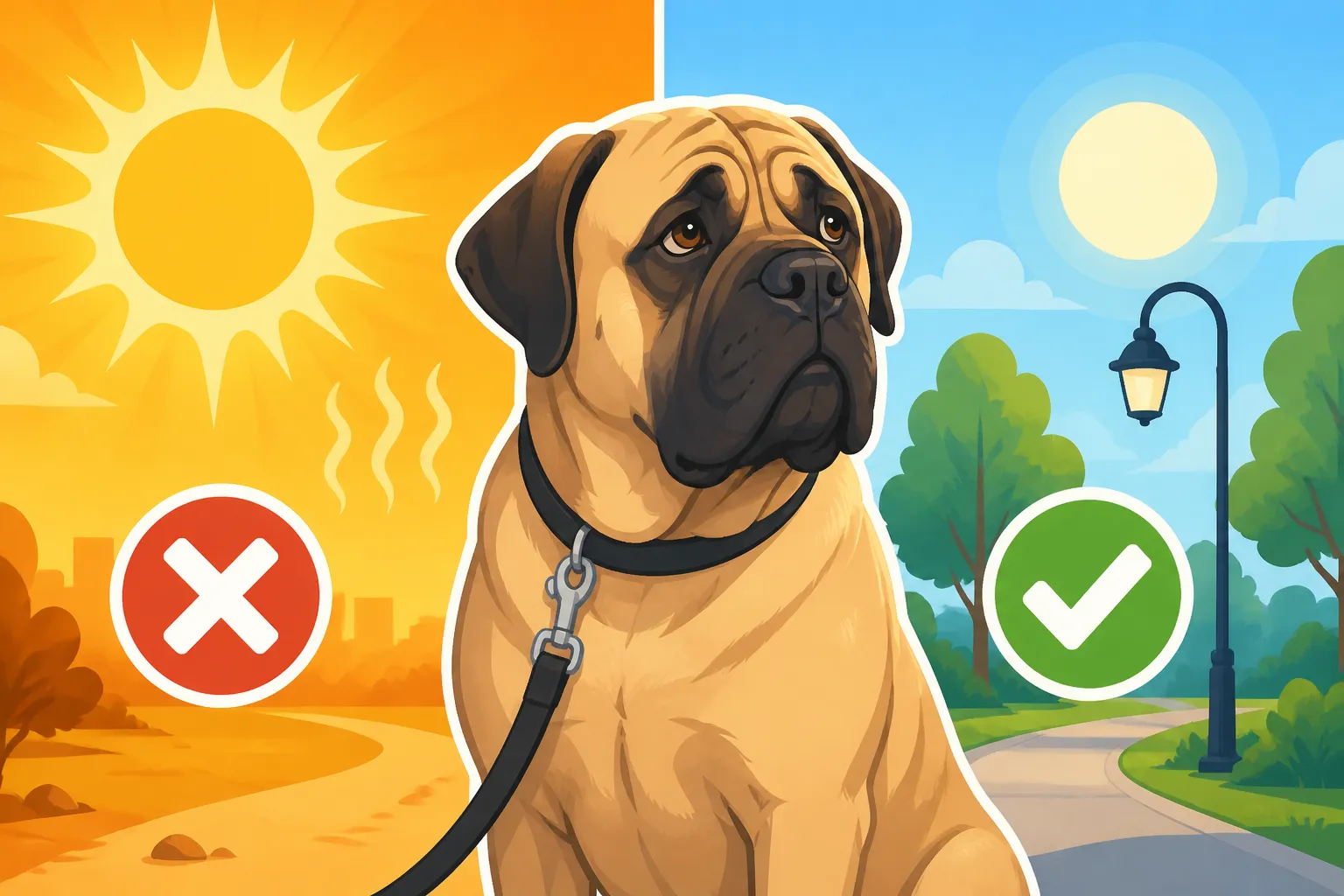
For Mastiff owners, the summer sun can bring a unique challenge: managing exercise when the weather turns warm. Many of us want to get our big companions out for a stroll, but there's a real worry that a simple midday walk could quickly turn dangerous for a breed so prone to overheating. This guide will help you understand the risks of walking your Mastiff during the hottest parts of the day and offer practical ways to keep them cool and healthy, even when the mercury rises.
Why a Mastiff Struggles with Midday Heat
It’s easy to assume that because a Mastiff is a dog, it can handle a walk anytime, anywhere. But these gentle giants are built very differently from, say, a lean, short-coated greyhound or a spry terrier. Their immense size and unique physiology make them incredibly vulnerable to overheating, especially when the sun is high.
The Problem of Bulk and Body Surface Area
Think about it: a Mastiff can easily weigh upwards of 150-200 pounds, sometimes even more. That’s a lot of mass generating internal heat. Unlike smaller, more agile breeds, they don't have a large surface area relative to their body volume to efficiently dissipate that heat. When they move, particularly during exercise, their muscles produce even more heat. On a hot, sunny day, this internal furnace struggles to cool down, regardless of how short or seemingly gentle the walk is. It's like trying to cool a large, well-insulated oven with just a small fan. The sheer scale of your Mastiff is their biggest hurdle in warm weather, making even moderate activity a risk when temperatures climb. Why Bulk Makes a Mastiff Overheat explains this concept in more detail.
Brachycephalic Tendencies and Breathing Difficulties
While not typically considered a brachycephalic (short-nosed) breed in the same way a Pug or Bulldog is, many Mastiffs do have a somewhat shortened muzzle and a heavier, more jowly head. This structure, combined with their deep chests, can make breathing less efficient than in breeds with longer snouts. Dogs primarily cool themselves by panting, which allows moisture to evaporate from their tongue and respiratory tract, drawing heat away from their body. If a dog struggles to pant effectively due to their facial structure or general bulk, this critical cooling mechanism is severely hampered. In the direct sun and heat of midday, a Mastiff's panting might not be enough to keep up, leading to a rapid rise in core body temperature. It's not just about how hot they feel, but how efficiently their body can shed that heat.
The Risk of Ground Temperature
We often forget that pavement, asphalt, and even concrete can absorb and retain a tremendous amount of heat from the sun. On a 75-degree Fahrenheit day, asphalt can easily reach 125 degrees. At 85 degrees ambient air temperature, pavement can hit 145 degrees or more. Imagine walking barefoot on that! A Mastiff’s paw pads, while tough, are not impervious to such extreme heat. Walking on hot surfaces can cause severe burns, blistering, and pain, making an already risky situation even more dangerous. Not only are they overheating from the inside out, but they’re also getting roasted from the ground up. This direct contact with superheated surfaces can contribute significantly to overall heat stress and can cause long-lasting damage to their paws. It’s a double whammy for our big dogs.
Recognizing and Preventing Overheating in Your Mastiff
The key to keeping your Mastiff safe is to be proactive and understand the signs of heat stress before it becomes an emergency. These dogs are so stoic that they often won't show obvious distress until they're already in serious trouble.
Early Warning Signs of Heat Stress
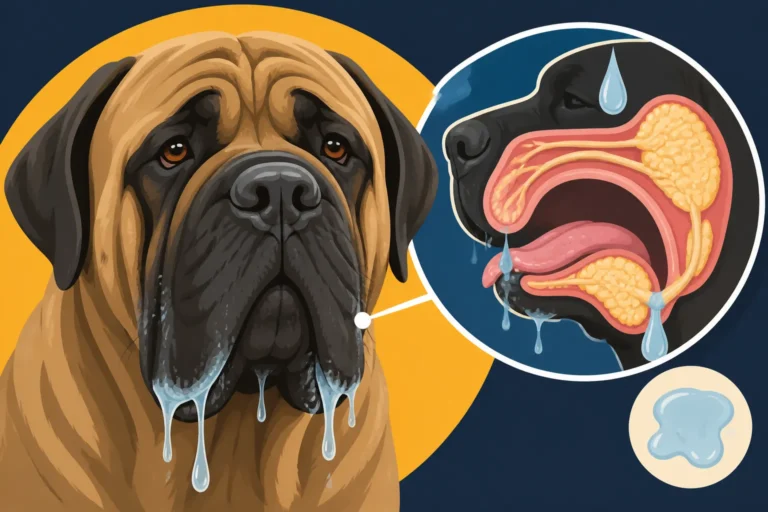
It’s crucial to know the subtle cues that indicate your Mastiff is getting too hot. Don't wait for them to collapse. Early signs often include excessive panting that seems more labored or faster than usual, even after minimal exertion. You might notice their tongue getting wider and looking darker red or purple, and their gums might appear bright red. They might seem more sluggish than usual, perhaps wanting to lie down more frequently or slowing their pace significantly. Some Mastiffs will start seeking shade or trying to get to water, but others might just appear disoriented or uncoordinated. Watch for thick, ropy drool, which is different from their usual lovely slobber. This thick drool can sometimes signal dehydration or a body struggling to produce enough cooling saliva. If you spot any of these signs, it's time to stop, seek shade, and cool them down immediately. Ignoring these signals can quickly escalate to a full-blown heat stroke emergency. Signs a Mastiff Is Overheating is a must-read for every owner.
Critical Steps to Take When Cooling Your Mastiff
If you suspect your Mastiff is overheating, time is of the essence. First and foremost, get them out of the sun and into the coolest available shade, or ideally, an air-conditioned space. Offer them small amounts of cool (not ice-cold) water to drink. Never force water on them. The next step is active cooling. Use cool, wet towels or cloths and apply them to pulse points: the neck, armpits, and groin. You can also wet their ears and paw pads. Running cool water over their body, especially their belly and inner thighs, can also help. Just be careful not to use freezing water, as this can cause blood vessels to constrict and actually trap heat inside. A garden hose with cool, not cold, water can be a lifesaver in an outdoor emergency. If your dog seems disoriented, collapses, or their breathing becomes extremely difficult, this is an immediate veterinary emergency. Don't delay; get them to the nearest emergency clinic while continuing cooling measures.
Creating a Safe Outdoor Environment
Preventing overheating starts at home. If you have a yard, ensure there's ample shade available throughout the day. Consider adding a splash pad or a shallow kiddie pool with a few inches of water for them to wade in. Many Mastiffs enjoy a good soak and it helps them cool down. On extremely hot days, keep your Mastiff indoors during peak heat hours. If they absolutely must be outside, ensure they have access to fresh, cool water at all times. Raised water bowls can be helpful, as can multiple water stations. You might even consider freezing large blocks of ice in plastic containers for them to lick or lay near. Remember that the temperature inside a car, even with the windows cracked, can rise to dangerous levels in minutes. Never leave your Mastiff unattended in a vehicle on a warm day. You can find excellent cooling beds and portable water solutions on sites like Chewy or Amazon.
Here's a quick reference for safe walking conditions:
| Indicator | Low Risk (Green) | Moderate Risk (Yellow) | High Risk (Red) |
|---|---|---|---|
| Air Temperature | Below 70°F (21°C) | 70-80°F (21-27°C) | Above 80°F (27°C) |
| Humidity | Low | Moderate | High |
| Pavement Temp | Able to hold hand on for 7+ seconds | Warm, but tolerable for a few seconds | Too hot to touch for 5 seconds |
| Sun Exposure | Shady or overcast | Partial sun/shade | Full, direct sun |
| Mastiff's Energy | Normal, eager walk | Slightly sluggish | Lethargic, seeking shade |
| Panting Level | Mild, steady | Noticeable increase | Excessive, labored, noisy |
| Tongue/Gums | Pink | Darker pink, slightly red | Bright red, purple, wide |
| Drool | Normal | Slightly thicker | Thick, ropy, excessive |
| Recommendation | Walk as usual | Shorter walks, early/late day, watch closely | Avoid walking outside, minimal outdoor time |
Alternatives to Midday Walks
Since midday walks are often off the table for Mastiffs during warmer months, it’s important to find other ways to keep them active and stimulated without risking their health. Mental exercise can be just as tiring as physical!
Early Morning or Late Evening Strolls
The best times to walk your Mastiff during hot weather are typically very early in the morning, before the sun has had a chance to heat the ground and air, or late in the evening, after the sun has set and temperatures have dropped significantly. Pay attention to the forecast, not just the air temperature, but also the "feels like" temperature, which accounts for humidity. Even a cooler evening can still be too warm if the humidity is high, as it makes it harder for dogs to cool themselves through panting. Check the pavement with the back of your hand; if it’s too hot for you to hold your hand there for five seconds, it’s too hot for their paws. On these cooler walks, keep them relatively short and always bring water. A collapsible bowl filled from a water bottle is a must. If you have access to shaded trails or grassy areas, these are always preferable to hot pavement. Consider adjusting your Mastiff's walking schedule around The Age a Mastiff Can Start Real Walks to ensure they are getting appropriate exercise for their developmental stage without overdoing it in the heat.
Indoor Exercise and Mental Stimulation
When it’s simply too hot to go outside, you need to get creative with indoor activities. Mastiffs might not be known for their boundless energy, but they still need outlets for physical and mental engagement.
- Tug-of-war: A few rounds of gentle tug with a sturdy rope toy can be a surprising workout.
- Hide-and-seek: Hide treats or toys around the house and let your Mastiff sniff them out. This engages their powerful sense of smell and brainpower.
- Stair climbing (if safe): If your Mastiff is young and healthy with good joints, a few slow trips up and down a carpeted staircase can offer some exercise. Be extremely cautious with older Mastiffs or those with known joint issues, as Why Stairs Are Worse for a Mastiff Than Any Breed highlights.
- Puzzle toys: Fill KONGs or other treat-dispensing toys with peanut butter, yogurt, or wet food and freeze them. This keeps them occupied and mentally stimulated for a long time. Companies like Ollie and Chewy offer a fantastic selection of puzzle toys designed for larger, stronger breeds.
- Training sessions: Use short, positive reinforcement training sessions to practice commands, learn new tricks, or refine manners. Five to ten minutes of focused training can be mentally exhausting for a big dog.
- Indoor fetch: If you have a large open space, a soft toy can be thrown for a few short rounds of fetch, keeping impact low.
These activities are not just about burning calories; they’re about preventing boredom and the destructive behaviors that can come with it. A happy Mastiff is a stimulated Mastiff, and you can achieve that indoors just as effectively as outdoors on a hot day.
Hydration and Diet in Warm Weather
Proper hydration and thoughtful feeding practices are always important for a Mastiff, but they become absolutely critical when the weather warms up. Staying on top of these aspects can significantly reduce the risk of heat-related issues.
Ensuring Constant Access to Fresh, Cool Water
Your Mastiff needs access to fresh, cool water at all times. This isn't just a suggestion; it's non-negotiable. Large, stable water bowls are essential – multiple if possible, placed in different areas of the house and yard. Consider adding ice cubes to their water bowl to keep it cooler for longer, especially in outdoor bowls that can warm up quickly. Some owners even use pet drinking fountains to encourage more water intake, as the moving water can be more appealing. On walks, even short ones, bring water and a collapsible bowl. Dehydration can exacerbate the effects of heat, making your Mastiff more vulnerable to overheating. Being mindful of How Much Water a Cystinuric Mastiff Needs is particularly crucial if your Mastiff has specific health concerns that require diligent hydration.
Adjusting Feeding Schedules and Food Choices
While a Mastiff's diet itself doesn't necessarily need a drastic overhaul due to heat, when and how you feed them can make a difference. Avoid feeding large meals during the hottest parts of the day. A full stomach can sometimes contribute to bloat, and the act of digestion itself generates a little body heat. Splitting their daily food into two or three smaller meals, with the main meals offered in the cooler morning and evening hours, is a good practice. How Little an Adult Mastiff Eats for Its Size might surprise some, but ensuring they're not overfed is key.
You might also consider incorporating some moisture-rich foods into their diet, such as a small amount of plain, unsweetened yogurt, cooked squash, or even certain wet foods mixed with their kibble. Some high-quality food brands like Ollie offer fresh food options that can also boost hydration. Always introduce any new foods gradually to avoid stomach upset. During extremely hot spells, your Mastiff might naturally have a slightly reduced appetite; as long as they are otherwise well and eating something, it's usually not a cause for alarm. The goal is to support their overall health and cooling mechanisms through smart hydration and feeding.
Disclaimer
This article is for general informational purposes only and does not constitute professional advice. Laws, prices and regulations vary by location and change over time. Consult a qualified professional for guidance on your specific situation.