Whether a Mastiff’s Hygroma Needs Draining
Finding a soft, squishy lump suddenly appearing on your beloved Mastiff's elbow can send a wave of panic through any devoted owner. It looks alarming, and your mind immediately jumps to the worst-case scenarios. This guide is here to walk you through what that lump likely is—an elbow hygroma—and delve deep into the question of whether it needs draining, offering a realistic look at the options and what truly serves your giant companion best.
Understanding the Mastiff Hygroma: More Than Just a Bump
Mastiffs, with their immense size and often relaxed lounging habits, are uniquely susceptible to certain physical ailments that smaller breeds rarely encounter. An elbow hygroma is one of those conditions, and understanding its nature is the first step toward managing it effectively.
What Exactly Is a Hygroma and Why Do Mastiffs Get Them?
Imagine a small, fluid-filled cushion that your body uses to protect bony prominences from repeated trauma. That’s essentially what a bursa is. When this bursa, particularly around the elbow joint, experiences chronic pressure or repeated minor injury, it can become inflamed and start to accumulate an excessive amount of fluid. This swelling, a non-painful, fluid-filled sac, is what we call a hygroma. It’s not a tumor, and it’s typically not a direct sign of infection unless secondary issues arise.
So, why are Mastiffs, our gentle giants, so prone to them? It boils down to a combination of factors directly related to their majestic build and typical demeanor. Firstly, their sheer weight means that every time they lie down, a significant amount of pressure is exerted on their elbows, hocks, or other bony areas that come into contact with the ground. A Mastiff's favorite pastime often involves a majestic flop onto a hard surface, settling into a deep snooze. This repeated impact, day after day, year after year, irritates the bursa. You can imagine the impact of A Mastiff Lying Two Hundred Pounds on One Elbow All Day on these delicate structures.
Secondly, many Mastiffs have a penchant for choosing the coolest, hardest spot on the floor to nap—be it concrete, tile, or hardwood. While comfortable for a moment, these unforgiving surfaces offer no cushioning against the constant pressure. This chronic low-grade trauma stimulates the bursa to produce more fluid than it can resorb, leading to the characteristic swelling. It’s a classic case of the body trying to protect itself, but in doing so, creating a problem.
Recognizing the Signs: What to Look For
Spotting a hygroma is usually quite straightforward, though it's always wise to have any new lump checked by your veterinarian. The most common presentation is a soft, somewhat movable swelling, typically on the outside of the elbow joint. While the elbow is the prime suspect, you might occasionally see them on the hocks or other pressure points.
Initially, a hygroma usually isn't painful. Your Mastiff might not even seem to notice it's there. You can often press on it gently, and they won't flinch or show discomfort. The skin over the hygroma generally looks normal, not red, hot, or inflamed, which is a key differentiator from an abscess or an infected wound. It's truly just a big, squishy fluid pocket. As it grows, it might feel firmer, but it should still remain relatively non-painful on palpation unless it has become complicated.
However, it's crucial not to confuse a simple hygroma with other types of lumps your Mastiff might develop. A cancerous growth, for instance, often feels hard and fixed in place, and can grow rapidly. An abscess, which is a pocket of pus, would typically be warm, painful to the touch, and your dog might show signs of systemic illness like fever or lethargy. While a hygroma isn't usually urgent, vigilance is always important. If you find a lump, take note of its size, texture, and your Mastiff's reaction to touch, and share this information with your vet. Early detection and proper diagnosis are paramount to ensure your Mastiff receives the correct care.
The Drainage Dilemma: When and Why it's Considered (or Avoided)
When you first bring your Mastiff's hygroma to the vet's attention, one of the primary questions that often comes to mind, and certainly to the vet's, is whether to drain it. While it might seem like the most intuitive solution—just get rid of the fluid, right?—the answer is rarely a simple yes or no.
The Risks and Realities of Draining a Hygroma
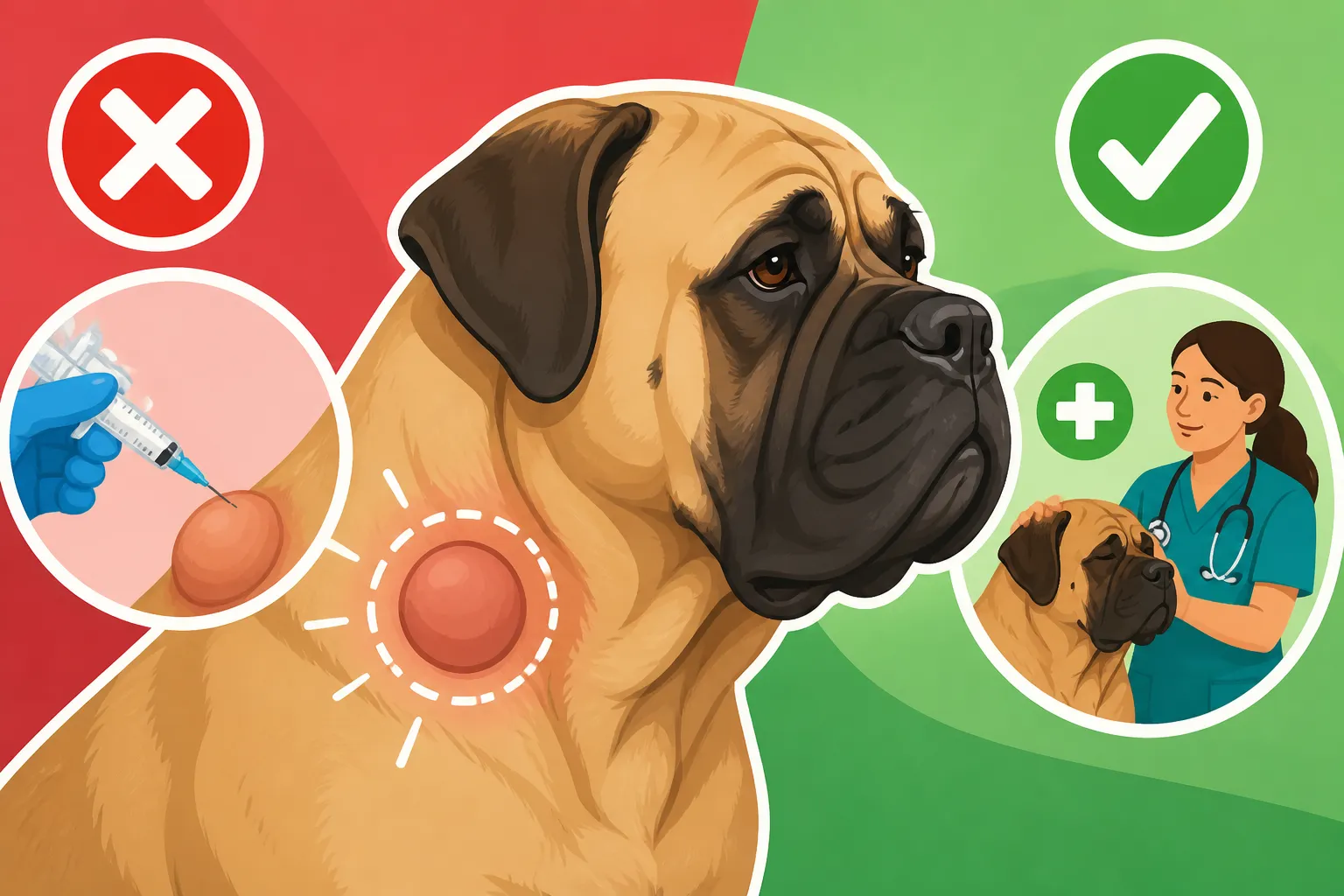
Many veterinarians are understandably hesitant to drain or surgically remove a hygroma unless absolutely necessary. The reason boils down to the high risk of complications, primarily infection and recurrence. When you insert a needle into a sterile fluid pocket, you introduce a pathway for bacteria from the skin or environment to enter. Given the size and location of a Mastiff's elbow, it's a prime target for contamination. An infected hygroma is far more serious and painful than a simple one, often requiring antibiotics, continued drainage, or even more invasive surgery.
Even without infection, draining a hygroma often provides only temporary relief. The underlying cause—the repeated trauma to the elbow—hasn't been addressed. As soon as the fluid is removed, and your Mastiff continues to flop onto hard surfaces, the bursa often refills, sometimes even larger and more quickly than before. It's like trying to bail out a leaky boat without patching the hole. Repeated draining can also lead to the formation of a fistula, which is an abnormal tract or channel that allows fluid to continuously leak from the hygroma to the skin surface, creating a chronic wound that is very difficult to heal and susceptible to infection.
The procedure itself, even a simple aspiration, might require some sedation, especially for a large, stoic Mastiff who might not appreciate a needle in their elbow. And we know that Why Anesthesia Is Riskier in a Mastiff due to their size and other considerations. Therefore, the decision to drain is weighed carefully against these potential drawbacks.
When Drainage Might Be Necessary: Specific Scenarios
Despite the general reluctance, there are indeed specific situations where draining a Mastiff's hygroma becomes a necessary or beneficial course of action. These scenarios usually involve complications or extreme circumstances where conservative management isn't sufficient.
The most common reason for intervention is when the hygroma becomes infected. You’ll notice signs like the lump becoming hot to the touch, red, painful, and your Mastiff might even develop a fever, become lethargic, or lose their appetite. In such cases, draining the infected fluid, alongside a course of appropriate antibiotics, is crucial to resolve the infection and alleviate your dog's discomfort. Sometimes, your vet might take a sample of the fluid for culture to determine the exact type of bacteria and the best antibiotic to use.
Another scenario is when the hygroma grows to an extreme size, impacting your Mastiff's mobility or quality of life. A massive hygroma might press on nerves or muscles, cause lameness, or even rub against the leg when the dog walks, leading to skin breakdown and secondary wounds. While rare, these situations might necessitate drainage to temporarily reduce the bulk or even surgical removal if it's causing severe functional impairment. However, even surgical removal of a long-standing hygroma is not without its challenges, as there's a large dead space left behind that can fill with fluid again.
Finally, a veterinarian might decide to aspirate a small amount of fluid for diagnostic purposes. This is usually done if there's any uncertainty about the nature of the lump—for instance, to rule out a tumor or a different type of cyst. The fluid can be analyzed under a microscope (cytology) to confirm it's simply inflammatory fluid and not something more concerning. In these cases, it's a diagnostic tool rather than a primary treatment for the hygroma itself.
Alternatives to Draining: Conservative Management
Given the risks associated with draining, the primary approach for most uncomplicated Mastiff hygromas is conservative management. This strategy focuses on preventing further trauma to the affected elbow and encouraging the body to resorb the fluid naturally. It’s all about addressing the root cause rather than just the symptom.
The cornerstone of conservative management is providing ample, soft bedding. This means orthopedic beds designed to support heavy breeds, plush blankets, or even memory foam pads. The goal is to eliminate any direct contact between your Mastiff's bony elbow and hard surfaces. This sounds simple, but for a Mastiff who loves to sprawl on the cool kitchen tile, it can be a training exercise in itself! How Thick a Bed a Mastiff Needs is a crucial consideration, and for a Mastiff, thicker is almost always better. You want something that doesn't compress completely under their enormous weight.
Another effective tool is protective padding or wraps. These are specially designed sleeves or bandages that fit over the elbow, providing a cushioned barrier. These wraps can be homemade with soft materials and bandages, or commercially purchased. Brands like Chewy and Amazon offer a range of protective elbow sleeves or recovery suits that can provide padding and comfort, preventing further irritation. The key is to ensure the wrap isn't too tight, which could restrict circulation, and that it stays clean and dry to prevent skin irritation underneath. Some owners find that knee pads designed for humans can also work in a pinch for temporary protection, but custom-fitted veterinary options are often superior.
The overarching principle here is to break the cycle of trauma. If the elbow is no longer subjected to repeated impacts, the bursa has a chance to calm down, reduce inflammation, and ideally, for the fluid to gradually be reabsorbed by the body. This approach takes time and consistent effort, but it avoids the potential complications of invasive procedures and treats the underlying issue.
Long-Term Management and Prevention: Keeping Your Mastiff Comfortable
Successfully managing a Mastiff's hygroma, and ideally preventing new ones, is an ongoing commitment. It’s about creating an environment that supports their large frame and protects their joints.
The Power of Proper Bedding and Environment
Seriously, if you take one thing away from learning about hygromas, it should be this: bedding, bedding, bedding! For a Mastiff, a cheap, flimsy dog bed is simply not going to cut it. You need substantial, high-quality orthopedic support. Think about what it takes to cushion 150-200+ pounds. These aren't just luxuries; they are preventative health tools.
When considering beds, look for options that are specifically designed for giant breeds and feature dense, supportive foam. Many brands available through retailers like Chewy or Amazon offer excellent orthopedic beds that hold their shape and provide insulation from hard floors. Remember, your Mastiff isn't just seeking comfort; they need protection for their joints. Investing in a good bed for your Mastiff is one of the best preventative measures against hygromas and other joint issues. We’ve discussed Whether a Mastiff Needs Orthopedic Foam before, and for hygromas, the answer is a resounding yes.
Beyond just the main sleeping area, consider your entire home environment. If your Mastiff loves to follow you from room to room, lying down frequently, you might need to strategically place smaller beds or thick rugs in common lounging spots. Hardwood, tile, or concrete floors, while easy to clean, offer no cushioning. What Bare Floors Do to a Growing Mastiff can include increasing the risk of hygromas, as well as joint strain and slipping accidents. Exploring What Flooring Suits a Mastiff can give you ideas for making your home more Mastiff-friendly, such as using large area rugs or even dog-specific floor runners to provide softer landing spots throughout your living space. The goal is to minimize any opportunity for your Mastiff to 'flop' onto an unforgiving surface.
Monitoring and When to Seek Veterinary Advice
Just like with any health condition, regular monitoring of your Mastiff's hygroma is essential. Take a few minutes each week to gently examine your dog's elbows, hocks, and other bony prominences. Feel for any changes in size, texture, or temperature.
- Size: Is it getting bigger, staying the same, or getting smaller? A stable or decreasing size is a good sign.
- Temperature: Does it feel warm or hot compared to the surrounding skin? Heat often indicates inflammation or infection.
- Pain: Does your Mastiff react negatively when you touch it? Pain is a clear signal something is wrong.
- Skin Condition: Is the skin over the hygroma red, broken, or oozing? This points to infection or a developing fistula.
- Lameness: Is your Mastiff limping or showing any reluctance to put weight on the affected leg? This could indicate severe discomfort or other underlying issues.
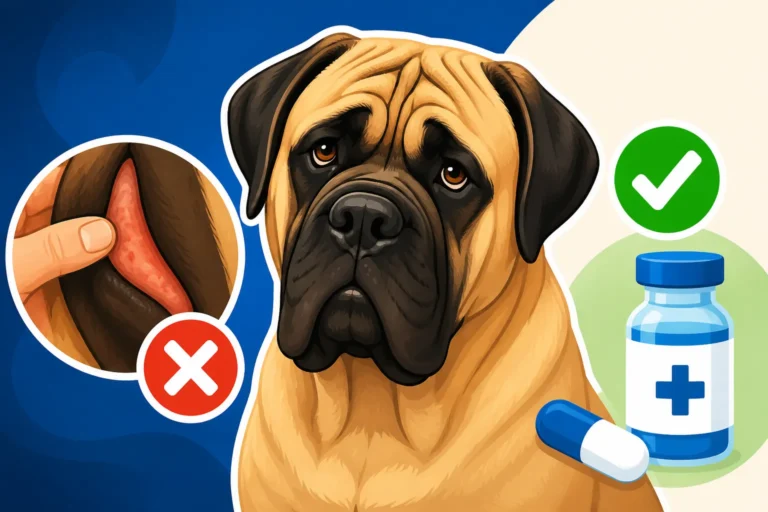
If you observe any of these worsening signs, or if a previously soft, non-painful hygroma suddenly becomes hard, hot, or painful, it's time to call your veterinarian. Don't try to drain it yourself or apply unproven home remedies. You risk introducing infection, causing more damage, and potentially delaying appropriate medical treatment. Your vet can accurately assess the situation, determine if infection is present, and recommend the safest and most effective course of action, which may involve antibiotics, anti-inflammatory medication, or in rare cases, carefully considered drainage. Remember that Whether a Mastiff's Elbow Calluses Crack and Bleed or if they develop Whether a Mastiff Gets Pressure Sores on Its Hips these are signs of inadequate cushioning and need prompt attention.
Holistic Approaches and Supplements (with Caution)
While no supplement can directly "cure" a hygroma, a holistic approach to your Mastiff's overall health can certainly support their body's ability to cope and heal, and importantly, prevent future issues.
Joint Supplements: Many Mastiff owners wisely put their dogs on joint supplements from a relatively young age. Products containing glucosamine, chondroitin, MSM, and omega-3 fatty acids can help support overall joint health and reduce inflammation throughout the body. While they won't make a hygroma disappear, healthy joints and reduced inflammation might contribute to a better environment for the bursa to heal. Discuss with your vet which Joint Supplements for a Mastiff might be beneficial for your specific dog. Brands like Nutramax Dasuquin or Cosequin are often recommended, and you can find them at pet supply stores or online through platforms like Chewy or Amazon.
Maintaining a Lean Body Weight: This is probably one of the most impactful things you can do for your Mastiff's long-term health, and it indirectly helps with hygromas. Excess weight puts additional strain on every joint and bony prominence, exacerbating the pressure that causes hygromas. A lean Mastiff experiences less impact when they lie down and has better overall joint health. It's a challenging task with a breed known for its love of food and lounging, but Keeping a Mastiff Lean on Purpose can add years of comfortable life.
Remember, these complementary approaches are not substitutes for proper veterinary care or essential environmental changes like good bedding. They are part of a comprehensive strategy to keep your Mastiff as healthy and comfortable as possible.
Here's a quick comparison of the approaches to hygroma management:
| Feature | Conservative Management | Drainage / Surgical Intervention |
|---|---|---|
| Primary Goal | Prevent further trauma, encourage natural healing | Remove fluid, reduce swelling, address complications |
| Method | Orthopedic bedding, protective wraps, environmental changes | Needle aspiration, surgical removal (rare) |
| Risks | Slow resolution, owner compliance needed | Infection, recurrence, fistula formation, anesthesia risks |
| Pain Level | Generally non-painful once preventative measures are in place | Brief pain/discomfort from procedure; severe if infected |
| Recovery Time | Ongoing, gradual improvement | Short-term recovery from procedure; potentially long-term if complications occur |
| Cost | Investment in quality bedding/wraps | Veterinary fees for procedure, meds, follow-ups |
| Best For | Uncomplicated, non-infected hygromas | Infected hygromas, extremely large hygromas causing issues, diagnostic purposes |
Ultimately, a Mastiff hygroma is often a visible reminder of their magnificent size and their need for specific care. While draining might seem like a quick fix, it's rarely the best first step. Focusing on prevention through proper bedding and consistent monitoring, with veterinary guidance when complications arise, is almost always the most empathetic and effective long-term solution for your beloved giant.
Disclaimer
This article is for general informational purposes only and does not constitute professional advice. Laws, prices and regulations vary by location and change over time. Consult a qualified professional for guidance on your specific situation.