Nursing a Mastiff Through Its Last Two Years
Watching your beloved Mastiff enter their golden years can be a bittersweet experience. On one hand, you're filled with gratitude for every single moment you've shared with this magnificent, gentle giant. On the other, the reality of their tragically short lifespan starts to loom larger, bringing with it concerns about their comfort, health, and happiness in these precious final years. This comprehensive guide is here to walk you through how to provide the absolute best care for your senior Mastiff, ensuring their last two years are filled with dignity, love, and as much comfort as possible.
Understanding the Mastiff's Unique Aging Process
The Mastiff, like all giant breeds, ages at an accelerated rate compared to smaller dogs. What might be considered middle-aged for a terrier is already senior territory for our big friends. Recognizing this timeline and understanding the specific challenges they face as they slow down is crucial for proactive, compassionate care.
The Reality of a Shorter Lifespan
It’s a heartbreaking truth that Mastiffs often don't get as many years with us as we'd wish. While smaller dogs might live well into their teens, a Mastiff is typically considered elderly by the age of five or six. Many owners grapple with the painful reality that Six to Ten Years Is What a Mastiff Gets, and often, those ten years are an optimistic stretch. This compressed lifespan means that their senior phase feels much more intense and requires us to be acutely aware of every subtle change. You'll notice The Age a Mastiff Starts to Slow much earlier than you might expect with other breeds, sometimes around five or six years old, making those last couple of years a period where changes can happen quite rapidly. It's not just about physical decline; their mental acuity and even their personality can shift.
Common Ailments in Senior Mastiffs
As Mastiffs age, certain health issues become more prevalent, often due to their immense size and genetic predispositions. Arthritis and other orthopedic problems are almost universal. Imagine carrying over 200 pounds on your joints for years; it takes a toll. Many Mastiffs will develop Arthritis in a Mastiff at Four or even earlier, leading to stiffness, lameness, and difficulty moving. Beyond joint issues, cardiac problems can surface, along with an increased risk of certain cancers. Bloat, while a concern throughout their adult lives, can be more challenging to manage in older, frailer dogs. Thyroid issues, kidney disease, and even cognitive dysfunction syndrome (a form of canine dementia) are also not uncommon. Being aware of these possibilities allows you to partner with your vet to monitor for early signs and intervene effectively.
Recognizing the Signs of Aging
Sometimes, the signs of aging in a Mastiff are so gradual that you might not notice them immediately, or you might dismiss them as "just old age." But paying close attention can make a world of difference. Beyond the obvious graying muzzle, look for changes in activity levels – perhaps they're less enthusiastic about walks, or they struggle to get up after resting. Changes in appetite or water consumption, increased panting, or even subtle shifts in how they use their limbs are all important indicators. They might start falling behind on walks, or hesitate at stairs they once bounded up. Some Mastiffs may become more withdrawn, while others might seek more comfort. Understanding Why a Mastiff Is Old at Five can help you reframe your expectations and start looking for these signs proactively, rather than reactively, allowing you to address new challenges before they significantly impact their quality of life.
Adapting the Home Environment for Senior Mastiffs
Your home, which was once perfectly suited for a rambunctious Mastiff puppy and a stately adult, might need some significant adjustments as your Mastiff enters their senior years. Their physical capabilities change dramatically, and ensuring their environment supports their diminished mobility and comfort is paramount.
Maximizing Traction and Mobility
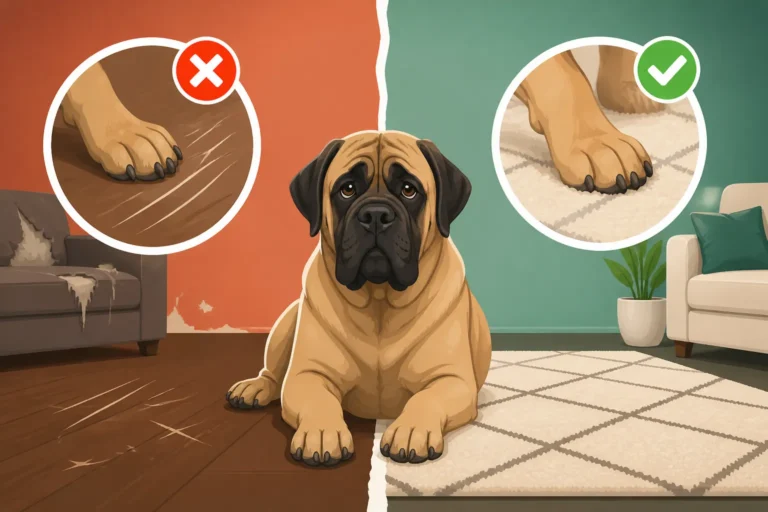
One of the biggest struggles for an older, heavier Mastiff is maintaining traction, especially on smooth surfaces. Imagine trying to stand up on an ice rink when you weigh two hundred pounds and your joints ache. Hardwood, tile, and laminate floors can become treacherous minefields, leading to slips, falls, and potential injuries. This is a huge reason Why an Old Mastiff Cannot Get Up with the same ease they once did. Lay down non-slip rugs, carpet runners, or even yoga mats in high-traffic areas, especially where your Mastiff walks, sleeps, or eats. Think of it as creating a network of safe, grippy pathways throughout your home. Some owners find specialized paw grips or non-slip socks helpful, though many Mastiffs resist wearing things on their feet. The goal is to give them confidence and stability with every step, reducing the physical strain on their weakening muscles and joints.
Comfort and Orthopedic Support
The bed your Mastiff adored in their prime might no longer offer adequate support. As their joints stiffen and arthritis sets in, they need much more cushioning and pressure relief. Investing in high-quality orthopedic beds is not just a luxury; it's a necessity. These beds typically feature dense memory foam or supportive polyfill designed to cradle their heavy bodies, distributing weight evenly and reducing pressure points that can lead to bed sores or exacerbate joint pain. You might find you need multiple beds strategically placed around the house – one in the living room, one in the bedroom, perhaps one in a quiet den – so your Mastiff doesn't have to travel far to find a comfortable resting spot. When considering options, remember that What a Bed That Holds a Mastiff Costs can vary greatly, but it's an investment in their comfort and health. Look for beds with washable covers, as accidents can become more common in older dogs. Brands like Big Barker are often specifically designed for giant breeds, offering robust support that generic pet beds simply can't match.
Accessibility Modifications
Beyond flooring and bedding, consider other accessibility modifications. If your Mastiff loves to ride in the car but struggles to jump in, a ramp is essential. For multi-story homes, limiting stair use, or even blocking off stairs entirely, might be necessary to prevent falls. If stairs are unavoidable, a ramp or assistance harness can help. You might need to adjust the height of their food and water bowls to make eating and drinking more comfortable, especially if they have neck or back pain. Elevated bowls allow them to eat without stooping, which can be a relief for stiff joints. Consider adding gates to prevent them from accessing areas where they might struggle or fall. The goal is to make their world as easy and pain-free to navigate as possible. Even something as simple as a wider doorway can make a difference if you ever need to maneuver a sling or a cart for Lifting an Old Mastiff That Cannot Get Up.
Nutritional Adjustments for the Aging Mastiff
As your Mastiff gracefully moves into their senior years, their dietary needs will shift significantly. What once fueled their massive growth and playful energy may now be counterproductive or simply not provide the right balance of nutrients for their slowing metabolism and aging body.
Tailoring Diet to Changing Needs
A senior Mastiff's metabolism generally slows down, meaning they require fewer calories to maintain a healthy weight. Continuing to feed them the same amount of food they ate as a robust adult can quickly lead to unwanted weight gain, which puts immense additional strain on already compromised joints. On the other hand, some senior Mastiffs might experience a loss of appetite due to underlying health issues or dental pain, leading to unintended weight loss. This is where a conversation with your veterinarian about What Changes in an Old Mastiff's Bowl becomes critical.
Generally, senior dog foods are formulated with lower calories, moderate protein levels to support muscle mass without overworking aging kidneys, and increased fiber for digestive health. They often contain enhanced levels of joint-supporting nutrients like glucosamine and chondroitin. You might need to explore different protein sources if your Mastiff develops new sensitivities. Sometimes, a "prescription" diet might be recommended by your vet to address specific conditions like kidney disease or severe arthritis. For those considering fresh food options, services like Ollie can provide tailored, pre-portioned meals designed with veterinary nutritionists, which can be fantastic for palatability and controlled calorie intake, especially for a pickier senior eater.
Hydration and Appetite Management
Keeping a senior Mastiff well-hydrated is incredibly important for kidney function, overall organ health, and joint lubrication. Older dogs can sometimes be less inclined to drink water, or their thirst drive might decrease. Ensure multiple water bowls are available throughout the house, always fresh and clean. Some Mastiffs prefer filtered water, or you might find adding a splash of low-sodium broth to their water encourages drinking. Wet food or adding water to kibble can also increase fluid intake.
Appetite can be tricky. If your Mastiff starts turning up their nose at food, it's not just "being picky"; it could signal pain, nausea, dental issues, or other underlying health problems. A vet check is always the first step. If health issues are ruled out, try warming their food slightly to enhance the aroma, or adding low-sodium chicken broth. Smaller, more frequent meals might be better tolerated than one or two large ones. Sometimes, a change in texture, from dry kibble to wet food, can make a huge difference if their teeth are bothering them. Remember, maintaining a healthy weight – neither overweight nor underweight – is crucial for their comfort and longevity.
Supplementation for Senior Health
While a balanced diet is fundamental, targeted supplements can play a significant role in supporting your aging Mastiff. Joint supplements are almost universally recommended. Ingredients like glucosamine, chondroitin, MSM, and Omega-3 fatty acids (fish oil) can help reduce inflammation, support cartilage health, and improve mobility. Many owners report a noticeable difference in their Mastiff's stiffness and willingness to move after starting a good joint supplement regimen. Brands available on Chewy or Amazon offer a wide range of options, from chewable tablets to liquid forms that can be added to food.
Beyond joint support, your vet might recommend other supplements based on your Mastiff's specific needs. Probiotics can aid digestion, especially if they're on medications that upset their stomach. Antioxidants can help combat cellular aging. For Mastiffs showing signs of cognitive decline, supplements containing ingredients like SAMe or phosphatidylserine might be suggested. Always discuss any new supplements with your veterinarian to ensure they are appropriate for your Mastiff's health status and won't interact negatively with any medications they might be taking. Joint Supplements for a Mastiff are a key part of supporting their quality of life in their later years.
Managing Pain and Mobility Issues
For a dog as large and heavy as a Mastiff, pain and mobility issues are almost inevitable as they age. Their massive frame puts incredible stress on joints and soft tissues throughout their lives. Effectively managing these challenges is key to ensuring their comfort and preserving their quality of life.
Working with Your Veterinarian for Pain Management
When your Mastiff starts showing signs of discomfort – reluctance to move, limping, groaning when lying down or getting up, or even behavioral changes like irritability – the first step is always a thorough veterinary examination. Your vet can pinpoint the source of the pain, whether it's Arthritis in a Mastiff at Four, disc disease, or something else entirely. They can then develop a comprehensive pain management plan. This often involves non-steroidal anti-inflammatory drugs (NSAIDs) like Rimadyl or Galliprant, which can significantly reduce inflammation and pain. These medications require careful monitoring, as they can have side effects on the liver and kidneys, especially in older dogs.
Beyond NSAIDs, your vet might suggest other medications, such as gabapentin for neuropathic pain, or amantadine for chronic pain. Adequan injections, a polysulfated glycosaminoglycan, can also be beneficial for joint health. Some vets are also open to exploring alternative therapies in conjunction with traditional medicine, which we'll discuss next. The goal is to find the right balance that keeps your Mastiff comfortable with the fewest side effects, understanding that their needs might evolve over time. Regular check-ups are essential to adjust dosages and monitor their overall health, as Caring for a Mastiff Past Five requires vigilance.
Physical Therapy and Low-Impact Exercise
Medication is a powerful tool, but it's often most effective when combined with physical therapy and appropriate exercise. The idea isn't to make your senior Mastiff a marathon runner, but to maintain muscle mass, improve flexibility, and encourage gentle movement. Hydrotherapy (swimming in a warm pool) is fantastic for Mastiffs because it provides buoyancy, reducing the weight on their joints while still allowing them to exercise their muscles. Many canine rehabilitation centers offer this.
On land, controlled, short, slow walks on soft surfaces can help. Avoid uneven terrain or long hikes that could cause them to stumble or overexert themselves. Canine massage, gentle stretching exercises, and even therapeutic laser treatments can help soothe sore muscles and joints, improve circulation, and reduce pain. A certified canine rehabilitation therapist can teach you specific exercises and stretches to do at home, tailoring a program to your Mastiff's unique needs and limitations. These activities not only help physically but also provide mental stimulation and quality time with you.
Mobility Aids and Support
As mobility declines, your Mastiff may need some extra help getting around. This is where mobility aids come in. For temporary support or assistance getting up, a sturdy lifting harness that goes around their chest and hindquarters can be invaluable. This allows you to give them a gentle assist without straining your back or putting uncomfortable pressure on their body. There are also full-body support harnesses that can be worn for longer periods, providing stability during walks.
For Mastiffs with severe hind limb weakness or paralysis, a dog wheelchair or cart can offer a new lease on life. While the idea of a giant dog in a cart might seem daunting, many adapt remarkably well, regaining independence and the joy of movement. Ramps, as mentioned earlier, are also crucial for cars, stairs, or getting onto furniture if they've always enjoyed that. It's about empowering them to continue enjoying life, even with physical limitations. For a heavy breed, Lifting an Old Mastiff That Cannot Get Up safely requires proper technique and sometimes, specialized equipment, so do not hesitate to ask your vet or a physical therapist for guidance.
Maintaining Hygiene and Comfort
An aging Mastiff, particularly one with decreased mobility, can face new challenges in maintaining basic hygiene. These issues can quickly impact their comfort and even lead to secondary health problems if not addressed proactively and with patience.
Skin and Coat Care for Less Mobile Mastiffs
Even with their short coats, senior Mastiffs require regular grooming, especially if they spend more time lying down. Less mobility can lead to pressure sores, especially on prominent joints like elbows and hips. Ensure their bedding is always clean, dry, and supportive, as discussed before. Regularly check their skin, especially in folds, armpits, and groin areas, for redness, irritation, or sores. Gently massage these areas to improve circulation.
Their skin and coat might also become drier or more oily. Regular, gentle brushing helps distribute natural oils, removes loose hair, and serves as a mini-massage, stimulating blood flow. Baths might become more challenging with a less mobile Mastiff. Consider professional groomers who have large tubs and lifting equipment, or use waterless shampoo and warm, damp cloths for spot cleaning. Pay extra attention to their unique facial folds; these can trap moisture and debris, leading to infections. Gently wipe them clean daily with a soft cloth or a veterinarian-recommended cleaning solution.
Dental and Ear Care Considerations
Dental health is often overlooked in senior dogs, but it's critically important. Gum disease and decaying teeth can cause significant pain, making it difficult for your Mastiff to eat, and can even lead to more serious systemic infections. Regular dental check-ups are essential. While professional dental cleanings under anesthesia can be riskier in older Mastiffs due to anesthesia concerns, your vet can assess the risk-benefit and determine the best approach. Daily teeth brushing with a canine-specific toothpaste, dental chews, or water additives can help maintain oral hygiene between vet visits.
Mastiffs are prone to ear infections due to their floppy ears. In older dogs, decreased mobility might mean less head shaking and less self-cleaning, making them more susceptible. Check their ears regularly for redness, odor, or discharge. Clean them gently with a vet-approved ear cleaner, ensuring they are dry afterward. If you notice any signs of infection, consult your vet immediately. Ear infections can be very uncomfortable and, if left untreated, can lead to chronic issues or even affect their balance, which is already a concern for an older, less steady Mastiff.
Managing Incontinence and Potty Breaks
Incontinence can be a distressing issue for both Mastiffs and their owners as they age. Weakened bladder muscles, cognitive decline, or conditions like kidney disease can all contribute. It's important not to punish your Mastiff for accidents; they can't help it. Instead, focus on management and support.
Increase the frequency of potty breaks, especially after waking up, eating, and drinking. Take them out more often throughout the day, even if it's just for a quick trip to the yard. Doggie diapers or male belly bands (available on Amazon or Chewy) can be a lifesaver for managing accidents inside the house, protecting your flooring and furniture. Ensure you change them frequently to prevent skin irritation. Waterproof mattress protectors for their beds are also a good idea. Sometimes, incontinence can be managed with medication prescribed by your vet, so discuss this option. It's about maintaining their dignity and your sanity through what can be a challenging, but manageable, part of Caring for a Mastiff Past Five.
Emotional and Mental Well-being in the Golden Years
Beyond their physical needs, your senior Mastiff's emotional and mental health are just as important. These gentle giants thrive on companionship and routine, and changes in their cognitive abilities or environment can be particularly unsettling for them.
Keeping Their Minds Engaged
Just like people, dogs need mental stimulation to stay sharp. While your senior Mastiff might not be up for complex training sessions or boisterous games, there are still plenty of ways to keep their minds active. Scent work is an excellent low-impact activity; hide treats around the house and let them use their powerful nose to find them. Puzzle toys, especially those that dispense treats, can keep them occupied and mentally challenged. Even short, familiar training refreshers using simple commands they already know, like "sit" or "stay," can be rewarding for them and reinforce your bond.
Continue to introduce them to gentle, positive new experiences – a short car ride to a quiet park, meeting a calm, known friend, or just exploring a new corner of the yard. Mental engagement helps ward off boredom and can even slow the progression of cognitive decline. Scent Work as a Mastiff's Low Impact Sport is a perfect example of how to keep them engaged without physical strain.
The Importance of Routine and Companionship
Mastiffs are creatures of habit and thrive on a predictable routine. As they age, this becomes even more vital. A consistent schedule for meals, potty breaks, and rest times provides security and reduces anxiety. They know what to expect, which can be very comforting when their world might be changing around them.
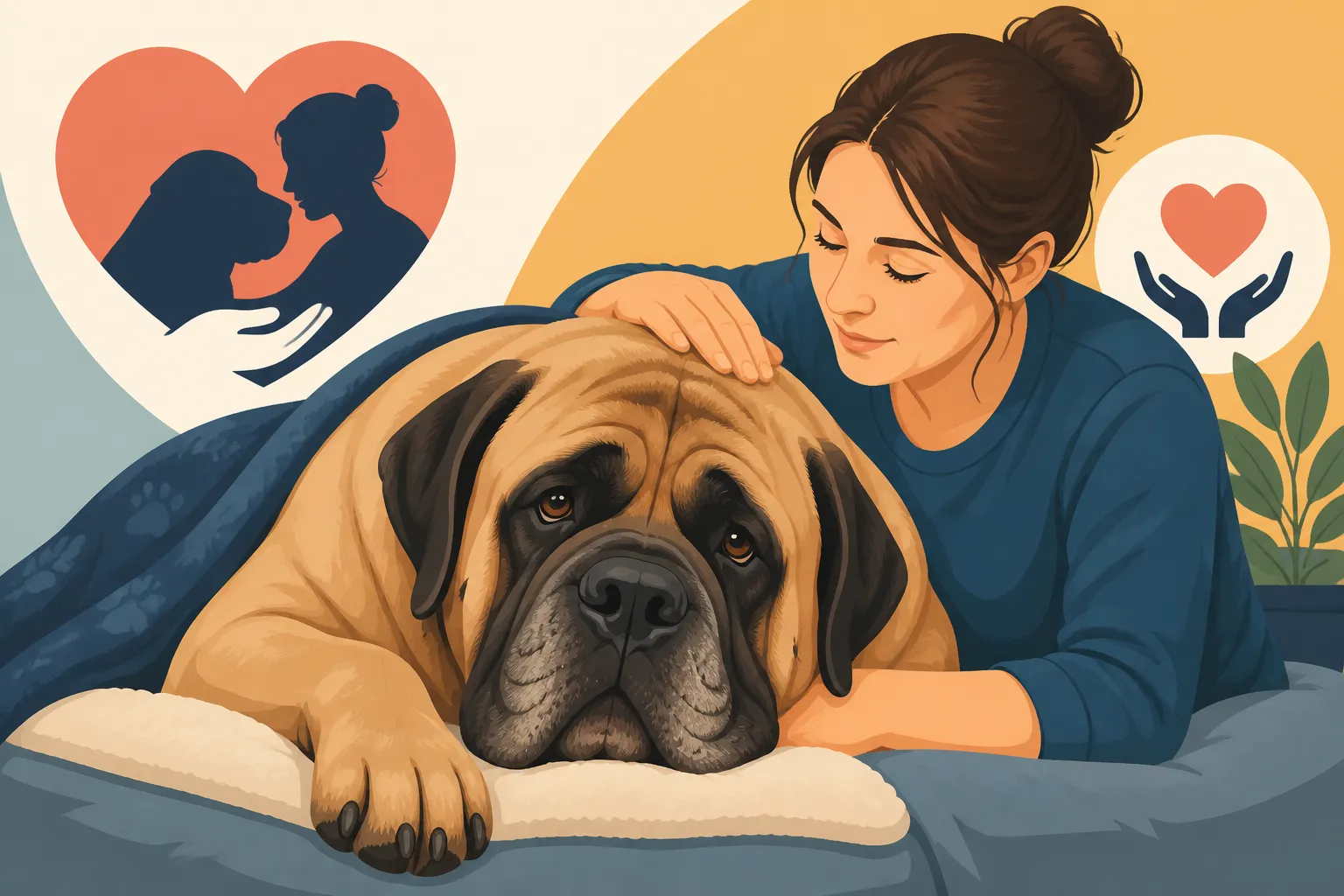
Your companionship is their greatest treasure. Spend quality time with them, even if it's just quiet moments together. Gentle petting, soft words, or simply sitting beside them while you read or watch TV makes a huge difference. They still want to be part of the family action, even if they're napping in the corner. Isolation can lead to depression and further cognitive decline. Remember, they have spent their entire lives as your loyal shadow; continue to be present for them.
Recognizing and Addressing Cognitive Decline
Cognitive Dysfunction Syndrome (CDS) is a real and often heartbreaking part of aging for some dogs. You might notice signs like disorientation (getting lost in familiar rooms), changes in sleep-wake cycles (pacing at night, sleeping more during the day), altered interactions (less responsive to you, less interested in greeting), house-soiling accidents, and decreased activity levels. It's important to recognize these as signs of a medical condition, not just "getting old" or being stubborn.
If you suspect CDS, discuss it with your veterinarian. There are medications and dietary supplements that can help manage the symptoms and potentially slow the progression of the disease. Adapting your routine and environment to make things simpler and safer for them can also help. For example, keeping furniture in the same place, using nightlights, and maintaining a consistent schedule can reduce confusion. Providing plenty of reassuring contact and patience is key. This is a difficult path, but understanding that your Mastiff isn't choosing these behaviors allows you to respond with empathy and support.
Navigating Veterinary Care and End-of-Life Decisions
The final years with a senior Mastiff inevitably involve more frequent veterinary visits and, eventually, some of the hardest decisions an owner will ever face. Approaching this stage with knowledge and preparedness can help ensure your Mastiff's comfort and your peace of mind.
Regular Vet Visits and Health Monitoring
For senior Mastiffs, annual vet visits are often not enough. Many veterinarians recommend twice-yearly check-ups, or even more frequently if managing chronic conditions. These regular visits allow your vet to monitor existing health issues, catch new problems early, and adjust medications as needed. Blood work, urine tests, and sometimes X-rays or ultrasounds will become more frequent to assess organ function and joint health. This proactive approach helps in Caring for a Mastiff Past Five and addressing problems before they become crises.
Don't hesitate to keep a journal of your Mastiff's symptoms, changes in appetite, mobility, and behavior. This information is invaluable to your vet. Advocate for your Mastiff; ask questions, discuss your concerns openly, and explore all available options. Finding a vet who understands giant breeds and is experienced in geriatric care can make a huge difference.
Preparing for Difficult Decisions
No one wants to think about saying goodbye, but for an aging Mastiff, it's a reality we must confront. Preparing for end-of-life decisions is an act of love. This means having honest conversations with your veterinarian about your Mastiff's prognosis and quality of life. Consider what factors would indicate that their suffering outweighs their joy. This might include intractable pain, inability to eat or drink, severe incontinence, or a complete loss of interest in life.
Talk to your family about these decisions, so everyone is on the same page. Research options for in-home euthanasia, which many owners find less stressful for their beloved pet in their familiar surroundings. Understand that Making the Decision for an Old Mastiff is one of the hardest things you will ever do, but it is often the ultimate act of kindness, freeing them from pain and suffering.
Supporting Your Mastiff with Grace and Love
During their final days, weeks, or months, your primary role is to ensure your Mastiff is as comfortable and loved as possible. This means focusing on quality of life over quantity. Provide their favorite treats, offer gentle massages, and spend endless hours just being with them. Let them sleep where they want, even if it's on your bed (if they can still get there safely with assistance). If they are still enjoying short, slow walks, continue those. If their appetite wanes, offer small amounts of highly palatable foods that are easy to digest, like cooked chicken and rice.
The journey with a senior Mastiff is a profound one, often filled with challenges but also immense love and quiet moments of connection. What Ends a Mastiff at Eight is usually a combination of factors, but your care can ensure that those final moments are peaceful. Your presence and unwavering love are the greatest gifts you can give them as they near the end of their magnificent lives. Cherish every drooly kiss, every lean, and every gentle rumble.
Disclaimer
This article is for general informational purposes only and does not constitute professional advice. Laws, prices and regulations vary by location and change over time. Consult a qualified professional for guidance on your specific situation.