Whether a Mastiff Feels the Cold
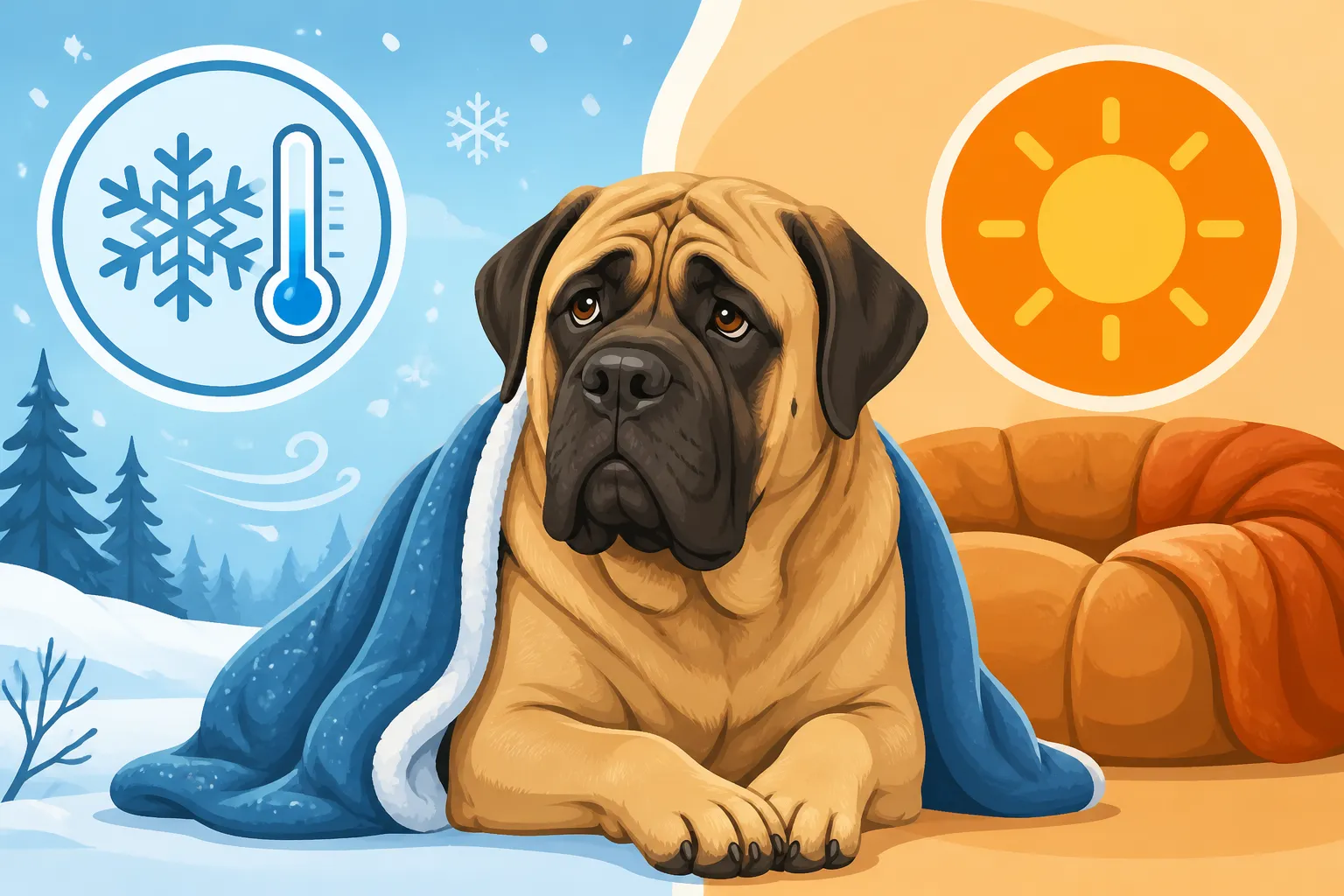
It’s a common sight: a massive, majestic Mastiff bundled up in a winter coat, or snuggled under a blanket while a smaller, fluffier dog romps happily in the snow. Many people assume that because Mastiffs are so large, they must be impervious to the cold. However, this just isn't the case for many of these gentle giants. This comprehensive guide will delve into the nuances of a Mastiff's cold tolerance, helping you understand their specific needs and how to keep your big companion comfortable and safe when temperatures drop.
The Surprising Truth About Mastiffs and Cold Weather
Despite their imposing size and often thick double coats, many Mastiffs are not as tolerant of cold weather as you might imagine. Their sheer bulk, while impressive, doesn't always translate to superior insulation, and several factors can make them surprisingly susceptible to the chill.
More Than Just a Big Coat: Understanding Their Thermoregulation
While Mastiffs do possess a dense, short outer coat with a softer undercoat, this isn't always enough to protect them from prolonged exposure to freezing temperatures, especially when inactive. Unlike some northern breeds bred for harsh arctic conditions, the Mastiff's heritage, while rooted in working roles, didn't necessarily involve enduring extreme, sustained cold. Their bodies are built for strength and deterrence, not necessarily for hours spent in a blizzard. Their relatively short muzzle, while less prone to freezing than longer, exposed snouts, doesn't provide a significant advantage in overall body warmth. Moreover, individual Mastiffs can have varying coat densities, with some being much thinner coated than others, making them even more vulnerable.
Why Their Size Can Be a Disadvantage in the Cold
You might think a bigger dog has more body mass to retain heat, and to some extent, that's true. However, their large surface area means they also lose heat more rapidly if not adequately insulated. Imagine wrapping a large box versus a small box in the same thin blanket; the larger box will cool down faster relative to its internal volume because more of its surface is exposed. Furthermore, their immense weight means less efficient circulation to their extremities if they're lying on cold surfaces, and their joints, especially those affected by conditions like Arthritis in a Mastiff at Four, can become stiff and painful in cold weather, discouraging movement which naturally generates body heat. An inactive, cold Mastiff is a miserable Mastiff, and a dog that can’t move well struggles to warm itself up.
Common Misconceptions About Giant Breed Hardiness
One of the biggest misconceptions is that all large dogs are "tough" and can withstand anything. This leads many owners to believe their Mastiff is fine outside in conditions that are actually quite uncomfortable, if not dangerous, for them. We often see pictures of Great Pyrenees or Bernese Mountain Dogs frolicking in deep snow, and mistakenly project that image onto a Mastiff. But Mastiffs generally lack the thick, dense, oily double coats designed for prolonged outdoor exposure in frigid temperatures that these breeds possess. Think of it this way: a How a Mastiff's Weight Compares With a Saint Bernard's or a How a Mastiff's Weight Compares With a Great Dane's might seem similar in stature, but their ancestral roles and physical adaptations to cold vary significantly. A Mastiff is more of a "house dog" by nature, seeking warmth and comfort indoors, even if it enjoys a brisk walk.
Recognizing the Signs of a Chilly Mastiff
Your Mastiff can't tell you in words that they're cold, so it's crucial for you to be vigilant and understand their body language and physical cues. Catching these signs early can prevent discomfort and potential health issues.
Subtle Cues You Might Miss
Sometimes, the signs are not as obvious as shivering. A Mastiff feeling the chill might become less active, moving more slowly, or even refusing to go outside for their usual potty breaks. They might seek out warm spots in the house, like sunbeams, heating vents, or the warmest bed, piling blankets around themselves or trying to burrow under furniture. You might notice them hunching their back or tucking their tail tightly between their legs, which are often signs of discomfort. Their ears might feel cool to the touch, or they might seem unusually quiet and subdued. It's about looking beyond the obvious and observing changes in their routine behavior. If your normally enthusiastic Mastiff hesitates at the door for a winter walk, that's a subtle but important cue.
When to Take Immediate Action
More pronounced signs of cold exposure demand immediate attention. Shivering is a clear indicator that your Mastiff is too cold and needs to warm up immediately. If their paws or ears feel extremely cold, almost numb, or if their gums appear pale or bluish, these are signs of hypothermia, which is a serious medical emergency. A Mastiff might also become disoriented or lethargic, struggling to stand or walk properly. In severe cases, they might collapse. Remember, The Temperature at Which a Mastiff Should Stay Indoors often depends on wind chill, moisture, and how active your dog is. If you observe any of these severe symptoms, get your Mastiff indoors, wrap them in warm blankets, and contact your veterinarian right away. Don't try to warm them up too quickly with very hot water or heating pads, as this can cause its own set of problems.
Comparing Cold Tolerance Across Different Mastiffs
Just like people, individual Mastiffs have different tolerances for cold. A Mastiff puppy, still developing its regulatory systems and lacking full body fat, will feel the cold much more acutely than a robust adult. Similarly, an older Mastiff, especially one with joint issues, a thin coat, or a lower metabolism, will be more susceptible to cold. Caring for a Mastiff Past Five means paying extra attention to their comfort in all seasons, particularly winter. Mastiffs with certain health conditions, such as hypothyroidism or heart disease, may also struggle more to maintain their body temperature. Always err on the side of caution. If you have multiple Mastiffs, you might notice one burying itself under blankets while another seems perfectly content. Observe each dog individually.
Practical Strategies for Keeping Your Mastiff Warm and Cozy
Ensuring your Mastiff stays warm when the temperatures drop involves a combination of indoor comfort, appropriate outdoor gear, and sometimes, a little dietary adjustment. It's all about proactive care.
Indoor Warmth: Beds, Blankets, and Room Temperature
Your home is your Mastiff's sanctuary, and ensuring it’s warm enough is paramount. Mastiffs need soft, thick bedding that insulates them from cold floors. A quality orthopedic bed can make a world of difference, not just for warmth but for their joints. Look for options on sites like Chewy or Amazon that are specifically designed for giant breeds, ensuring they offer ample loft and support. What an Orthopedic Bed for a Mastiff Costs might seem like a lot, but it’s an investment in their comfort and health. Provide plenty of soft blankets, as many Mastiffs love to burrow and nest. Keep their sleeping areas away from drafts and cold windows. While you might not want to turn your home into a sauna, maintaining a comfortable ambient temperature, especially in the rooms where your Mastiff spends most of their time, is essential.
Outdoor Adventures: When and How to Bundle Up
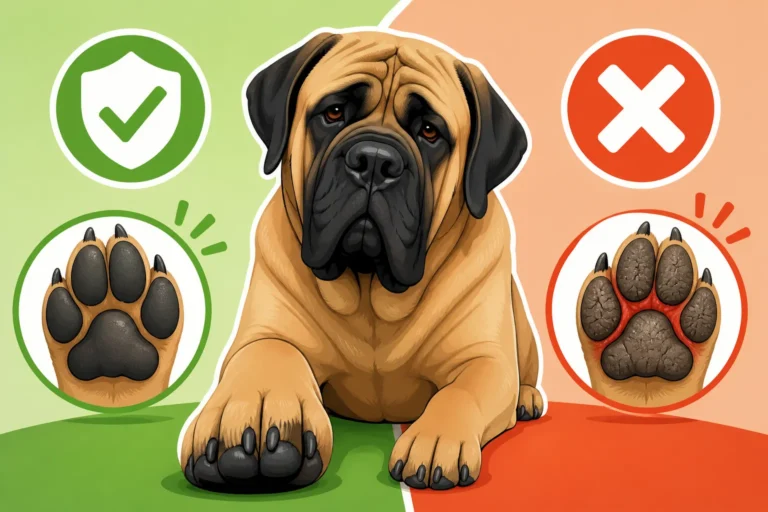
Outdoor activity is still important for your Mastiff, even in winter, but it needs to be managed carefully. Short, brisk walks during the warmest part of the day are often best. On colder days, a well-fitting dog coat or sweater is not a luxury; it's a necessity for many Mastiffs. Whether a Mastiff Needs a Coat in Winter often depends on your dog's individual coat density, age, and activity level. Choose a coat that covers their chest and belly well, and ensures freedom of movement. You can find many robust options on Amazon or Chewy. For very short outings, such as quick potty breaks, a coat might not be necessary, but for anything longer than a few minutes, especially in freezing temperatures, it's highly recommended. Always check their paws for ice balls or frostbite after walks, and consider paw balm for protection.
Nutritional Support for Winter Months
While it's generally not recommended to significantly increase a Mastiff's food intake just because it's cold – as keeping a Whether a Lean Mastiff Lives Longer is important for joint health – some subtle adjustments can be beneficial. Dogs burn more calories trying to stay warm, so ensuring they are receiving adequate nutrition is key. Talk to your vet about whether a slight increase in calorie intake through their regular, high-quality kibble is appropriate, or if supplementing with some lean protein might be helpful. Brands like Ollie, known for fresh food, might offer denser caloric options, but always discuss with your vet to ensure it aligns with your Mastiff's specific needs and doesn't lead to unwanted weight gain. Always ensure they have access to fresh, unfrozen water, as hydration is just as important in cold weather. How Much an Adult Mastiff Eats by Weight Each Day can vary depending on their activity and metabolism, so monitor their body condition closely.
Special Considerations for Vulnerable Mastiffs
Some Mastiffs are more susceptible to cold than others due to age, health status, or specific circumstances. Paying extra attention to these individuals is crucial for their well-being.
The Elderly and Chronically Ill Mastiff
Senior Mastiffs or those with chronic health conditions are particularly vulnerable to cold temperatures. As dogs age, their metabolism often slows down, making it harder for them to regulate their body temperature. Conditions like arthritis, common in older Mastiffs, can be significantly worsened by cold, leading to increased pain and stiffness. For these dogs, extra warm bedding, perhaps even a heated dog bed, can be a game-changer. Ensuring their environment is consistently warm is more important than ever. If your senior Mastiff has mobility issues, a warming blanket can also provide soothing comfort. You might consider asking your vet about Joint Supplements for a Mastiff that could help ease discomfort during colder months, allowing them to move more freely and stay warmer.
Puppies and Young Mastiffs: Delicate in the Cold
Mastiff puppies, despite their rapid growth, are not miniature adults. Their thermoregulatory systems are still developing, and they have less body fat to insulate them. They also tend to have thinner coats. This makes them much more susceptible to cold than adult Mastiffs. Short, supervised outdoor playtime is fine, but avoid prolonged exposure. Ensure they have warm, draft-free sleeping areas and plenty of soft blankets for snuggling. Never leave a puppy unattended outside in cold weather. Their growing bodies are also sensitive to excessive exercise in cold, damp conditions, which can impact developing joints. Remember that The Mastiff Puppy You Are Not Allowed to Exercise too hard should be kept warm during gentle, short play sessions.
Post-Surgery or Injured Mastiffs
A Mastiff recovering from surgery or dealing with an injury, even a minor one, will have a compromised immune system and energy reserves. Their body will be working hard to heal, which means they have less capacity to regulate their core temperature. Pain medication can sometimes affect their ability to shiver effectively, or they might be less mobile, preventing them from seeking out warmth. If your Mastiff is recovering from an operation, extra warmth is essential. This might mean keeping them in a warmer room, providing additional blankets, or even a soft, warm dog cone cover to prevent drafts. For an injured Mastiff, especially if they have mobility issues, consider a lifting harness from a site like Chewy or Amazon to help them move to comfortable, warm spots without exacerbating their injury. The focus must be on comfort and conserving their energy for healing.
Disclaimer
This article is for general informational purposes only and does not constitute professional advice. Laws, prices and regulations vary by location and change over time. Consult a qualified professional for guidance on your specific situation.