Whether a Mastiff Gets Acne on Its Chin
Finding little bumps or irritated skin on your Mastiff's noble chin can be alarming, making you wonder what on earth is going on with your gentle giant's usually stoic face. It's a common worry for many Mastiff owners, staring at those red spots or blackheads and feeling helpless. This guide is here to shed light on canine chin acne, specifically how it affects our beloved Mastiffs, what causes it, how to tell it apart from other issues, and most importantly, how to effectively manage and treat it to keep their magnificent mugs clear and comfortable.
What Mastiff Chin Acne Looks Like and Why It Happens
Chin acne in Mastiffs, much like in teenagers, is often a frustrating and sometimes recurring issue that crops up on their lower jaw and lips. It’s not just a cosmetic problem; it can be downright uncomfortable, even painful, for your big dog. Recognizing it early is key to keeping your Mastiff happy and preventing more serious complications.
The Appearance of Canine Chin Acne
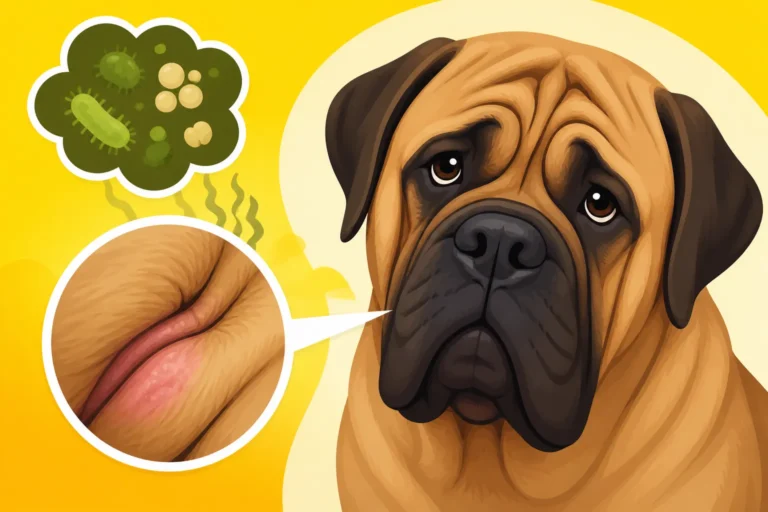
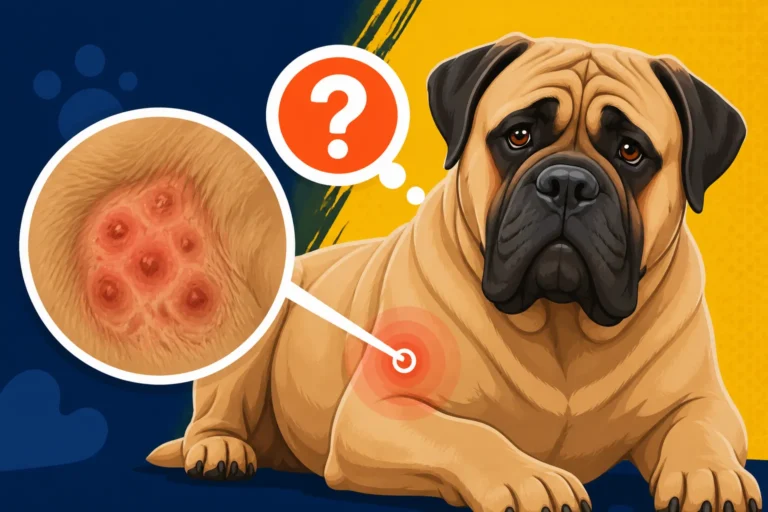
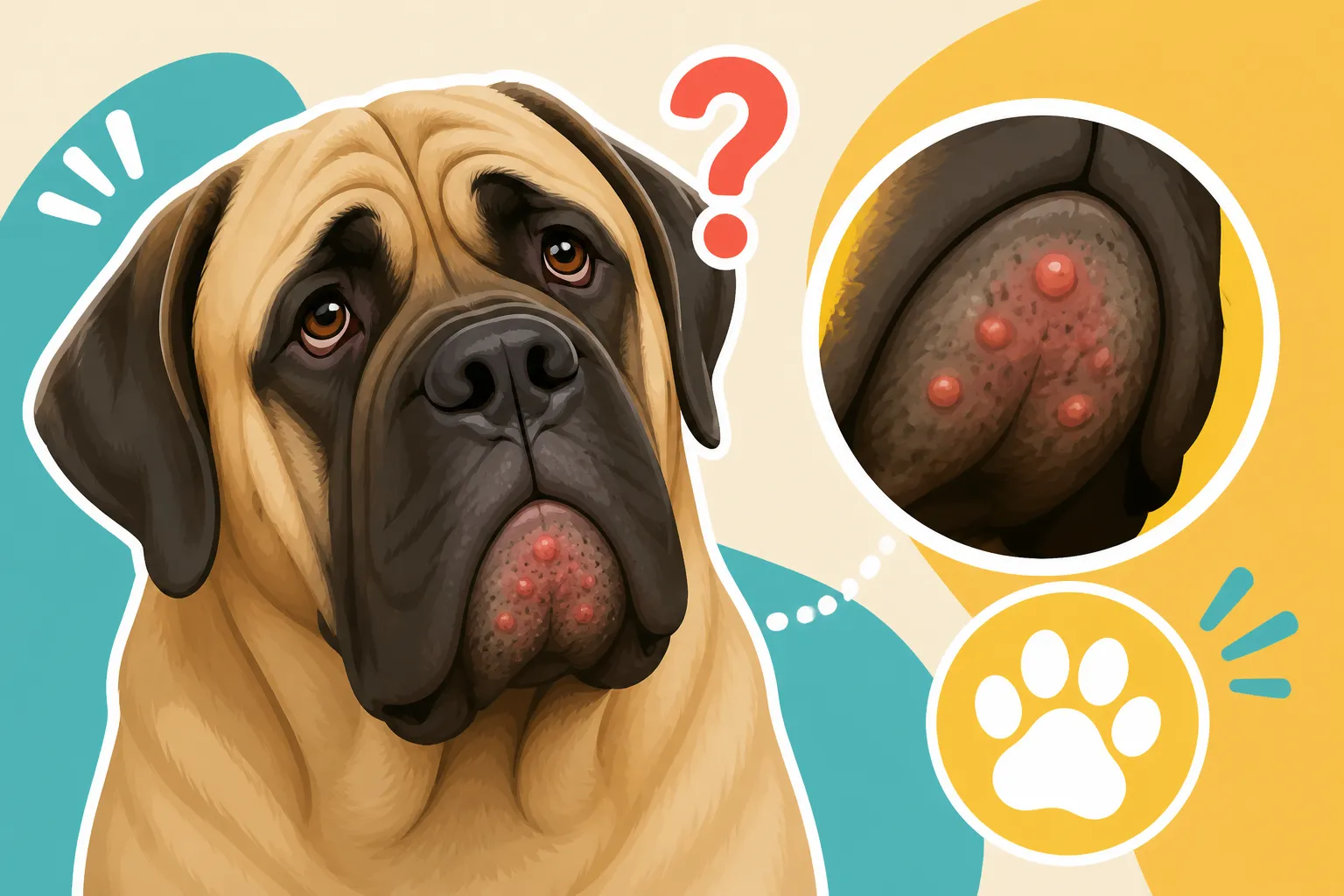
When you're looking at your Mastiff's chin, what exactly are you looking for? Canine chin acne often starts subtly, perhaps just a few tiny red bumps, often mistaken for minor irritation. But it can quickly progress. You might notice:
- Blackheads (Comedones): These are small, dark spots, often appearing first. They're essentially clogged hair follicles, and on a Mastiff's often less-than-pristine jowls, they can be hard to spot until they become numerous.
- Red Bumps (Papules): As the follicles become inflamed, these small, raised red bumps appear. They can be itchy, leading your Mastiff to rub their chin on furniture or the carpet, which only makes things worse.
- Pustules: These are those classic "pimples" – red bumps with a white or yellow pus-filled center. These indicate a bacterial infection is taking hold, and they can be quite painful if ruptured.
- Swelling: The entire chin area might become swollen and puffy, making your Mastiff's jowls look even more pronounced than usual.
- Crusts and Scabs: If the pustules rupture, they can form crusts and scabs, sometimes accompanied by hair loss in the affected area. This is a sign of an active infection and tissue damage.
- Pain or Itchiness: Your Mastiff might be reluctant to be touched on the chin, shy away from having their food bowl removed, or rub their face excessively. This is your cue that something isn't right.
Imagine your gentle giant, usually so tolerant, pulling their head away when you try to give them a loving chin scratch. That's a clear sign of discomfort.
Common Causes of Chin Acne in Mastiffs
The sheer size and conformation of a Mastiff’s head and jowls play a significant role in why they might be more prone to chin acne. These are not dainty dogs, and their lifestyle and anatomy contribute to the problem.
- Clogged Hair Follicles: This is the root cause. Oil and dirt accumulate in the hair follicles, leading to blockages. Mastiffs are naturally oily, and with all their folds and wrinkles, it's easy for debris to get trapped. Their drool, while endearing, also contributes to a constantly moist environment that can trap grime. For more on keeping those folds clean, read The Wrinkles and Folds a Mastiff Owner Cleans Every Week.
- Bacterial Infections: Once follicles are clogged, bacteria (often Staphylococcus) seize the opportunity to multiply, leading to inflammation and pustule formation. A moist, warm environment under those jowls is a perfect breeding ground.
- Friction and Trauma: Mastiffs are big dogs. They lean on things, they rub their faces on furniture, they dig their chins into the ground. All this friction can irritate the delicate skin on their chin, especially if it's already sensitive.
- Plastic Food and Water Bowls: This is a huge, often overlooked culprit. Plastic bowls can harbor bacteria, even after washing, and microscopic scratches on the surface provide perfect hiding spots. When your Mastiff's chin repeatedly contacts these bacteria-laden surfaces, it's an open invitation for infection. Consider switching to stainless steel or ceramic bowls. You can find excellent, heavy-duty options on sites like Chewy or Amazon that are tough enough for a Mastiff.
- Hormonal Influence: While less understood than in humans, hormones can play a role, particularly in adolescent dogs. Just like in teenage humans, hormonal fluctuations might contribute to increased oil production and clogged pores during growth spurts.
- Genetics: Some Mastiff lines might have a predisposition to skin issues, including acne, due to genetic factors influencing skin and coat health. While not a direct cause, it can increase susceptibility.
- Allergies: Though less common as a direct cause, environmental or food allergies can exacerbate skin inflammation, making a Mastiff more prone to developing secondary bacterial infections that present as acne. If your Mastiff is constantly itchy or develops other skin issues, exploring allergies with your vet is a good idea.
Understanding these factors is the first step in addressing your Mastiff's chin acne, as many solutions involve mitigating these specific causes.
Identifying and Diagnosing Chin Acne vs. Other Issues
When you notice something amiss on your Mastiff's chin, it's easy to jump to conclusions or worry about the worst. However, a range of conditions can manifest similarly, and a proper diagnosis from your veterinarian is crucial to ensure you're treating the right problem. It's not always just a simple pimple!
Differentiating Chin Acne from Other Skin Conditions
Because Mastiffs have so much skin, and often moist, warm folds, they can be susceptible to various dermatological problems. What looks like acne might actually be something else entirely. Here’s a rundown of common look-alikes:
- Folliculitis: This is an inflammation of the hair follicles, often bacterial, and can indeed be what chin acne is. However, it can also appear elsewhere on the body, not just the chin. If the infection is deeper, it might be termed furunculosis.
- Demodectic Mange: Caused by microscopic mites that live in hair follicles, localized demodectic mange often appears as patchy hair loss and red, scaly skin, sometimes with bumps, typically on the face, especially around the eyes and muzzle, and sometimes the chin. Unlike acne, it usually doesn't itch much initially, but can become secondarily infected. A vet can diagnose this with a skin scraping.
- Fungal Infections (Ringworm): Ringworm often presents as circular patches of hair loss with redness, scaling, and sometimes pustules. It's itchy and can spread easily. While it can occur anywhere, the chin is a possible location. A fungal culture is needed for diagnosis.
- Contact Dermatitis: This is an allergic reaction to something the skin has come into contact with. If your Mastiff’s chin reacts to a new cleaner, a specific plant, or even a different type of bowl material (though plastic bowls often lead to bacterial issues rather than true allergic contact dermatitis), you might see redness, bumps, and intense itching. The key is identifying and removing the irritant.
- Insect Bites or Stings: A single, sudden bump might be a bug bite. These usually resolve quickly but can become inflamed if scratched or if the dog is allergic.
- Canine Papilloma Virus (Warts): These are usually benign, cauliflower-like growths that are more common in young dogs, often around the mouth and sometimes on the chin. They are generally not inflamed unless irritated.
- Cysts or Tumors: While less common for widespread "acne-like" lesions, a single persistent bump might be a benign cyst or, rarely, a more serious tumor. Given a Mastiff's short lifespan and cancer risks, any persistent lump should be checked. Which Cancers Mastiffs Get is a good resource for understanding common health concerns in the breed.
To help you distinguish, here’s a quick comparison table of common chin issues:
| Feature | Chin Acne | Demodectic Mange (localized) | Contact Dermatitis | Fungal Infection (Ringworm) |
|---|---|---|---|---|
| Appearance | Blackheads, red bumps, pustules, swelling | Patchy hair loss, redness, scales, bumps | Redness, rash, intense itching, swelling | Circular hair loss, scaly, crusty, red |
| Itchiness | Variable, can be itchy or painful | Mild to none, unless secondary infection | Intense itching, sudden onset | Moderate to intense itching |
| Location | Primarily chin, lower lip area | Face (muzzle, around eyes), chin | Area of contact with irritant | Anywhere, often circular lesions |
| Spread | Can spread locally | Can spread to other areas, usually localized | Stops when irritant removed | Spreads to other areas/pets |
| Primary Cause | Clogged follicles, bacteria, friction | Demodex mites | Allergic reaction to substance | Fungi (e.g., Microsporum canis) |
When to Consult Your Veterinarian
While minor chin acne can sometimes be managed at home, it's always best to involve your veterinarian, especially with a Mastiff. Their sheer size means infections can escalate quickly and be harder to treat. You should absolutely see your vet if:
- The condition is worsening despite home care: If the bumps are spreading, getting redder, or becoming more numerous.
- Your Mastiff is in pain or very itchy: Excessive rubbing, reluctance to be touched, or signs of discomfort mean it's impacting their quality of life.
- There's discharge or bleeding: This indicates a more serious infection or trauma.
- Fever or lethargy develops: These are signs of a systemic infection.
- You're unsure of the diagnosis: Don't guess, let a professional assess. Early diagnosis prevents prolonged suffering and more intensive treatments later.
- The lesions are deep and look like boils: This might be furunculosis, a deeper, more severe infection requiring aggressive treatment.
Your vet will likely perform a thorough physical exam, and may take samples such as skin scrapings to check for mites, cytology (examining cells from the bumps under a microscope) to identify bacteria or yeast, or a fungal culture. They might also discuss environmental factors and your Mastiff's diet. What a Mastiff's Weight Does to Every Line on the Vet Invoice reminds us that vet bills for big dogs can be substantial, so addressing issues promptly can save you money and your Mastiff discomfort in the long run.
Managing and Treating Mastiff Chin Acne at Home and With Vet Care
Dealing with chin acne on a Mastiff requires a consistent approach, combining diligent home care with professional veterinary guidance. Given their size and predisposition, it’s often a battle of prevention and quick response rather than a one-time fix.
Effective Home Management Strategies
Many cases of mild Mastiff chin acne can improve significantly with dedicated home care. The goal is to keep the area clean, dry, and free from irritants, while also preventing bacterial overgrowth.
- Switch to Non-Plastic Bowls: This is often the first and most critical step. Plastic bowls, even when washed, can harbor bacteria in microscopic scratches and react with your dog's skin. Switch to stainless steel, ceramic, or glass bowls. Make sure they are thoroughly washed daily, preferably in a dishwasher with hot water. You can find excellent quality stainless steel bowls that are virtually indestructible, perfect for a Mastiff, through retailers like Amazon and Chewy.
- Gentle Daily Cleaning: Twice a day, gently clean your Mastiff's chin with a mild, veterinary-approved antiseptic wipe or solution. Look for ingredients like chlorhexidine or benzoyl peroxide in low concentrations. Human acne washes are usually too harsh and should be avoided unless specifically recommended by your vet. Be sure to dry the area thoroughly after cleaning, especially within any folds. For other folds that might need cleaning, see Whether a Mastiff's Nose Wrinkle Needs Daily Attention.
- Warm Compresses: For inflamed or pustular lesions, warm compresses applied for 5-10 minutes a few times a day can help to open up pores, reduce inflammation, and draw out infection. Simply soak a clean washcloth in warm (not hot!) water, wring it out, and hold it gently against the affected area.
- Keep the Area Dry: Moisture is a breeding ground for bacteria and yeast. After your Mastiff drinks, gently wipe their chin and jowls dry. This might be a constant battle with a drooly Mastiff, but it's important. Managing a Mastiff's Jowls After It Drinks offers more tips on this.
- Avoid Irritation: Prevent your Mastiff from rubbing their chin excessively on rough surfaces. If they wear a collar that sits low on their neck, ensure it's clean and not chafing the area.
- Dietary Considerations: While not a direct cause, some owners find that certain foods can exacerbate skin issues. Discuss with your vet if a hypoallergenic or limited-ingredient diet might be beneficial, especially if allergies are suspected. Brands like Ollie often focus on fresh, limited ingredient options, but always consult your vet before making significant dietary changes, especially for a giant breed.
Consistency is paramount with home care. Missing a day of cleaning can undo a week of progress, especially with a breed prone to these issues.
Veterinary Treatments and Ongoing Care
When home remedies aren't enough, or if the infection is more severe, your veterinarian will step in with more targeted treatments.
- Topical Medications: Your vet might prescribe stronger medicated shampoos, gels, or wipes containing antibiotics (like mupirocin), corticosteroids (to reduce inflammation), or higher concentrations of antiseptics.
- Oral Antibiotics: For moderate to severe cases, especially those with deep pustules or furunculosis, oral antibiotics are often necessary to clear the bacterial infection from the inside out. These typically need to be given for several weeks to be effective.
- Corticosteroids: In cases of significant inflammation and swelling, a short course of oral corticosteroids might be prescribed to bring down the swelling and discomfort quickly. However, these are not a long-term solution due to potential side effects.
- Retinoids: In some persistent or severe cases, retinoids (like isotretinoin, used in human acne) might be considered, though they are used with extreme caution and under strict veterinary supervision due to potential side effects.
- Pain Management: If your Mastiff is in significant pain, your vet might prescribe pain relievers to keep them comfortable during the healing process.
- Addressing Underlying Causes: If the vet suspects allergies, they may recommend further diagnostics such as allergy testing or a food elimination trial. Hormonal issues are less commonly addressed directly for acne but will be considered if other symptoms are present.
It's important to follow your vet's instructions precisely and complete the full course of any prescribed medication, even if the symptoms appear to clear up quickly. Stopping antibiotics too soon can lead to resistant bacteria and a relapse of the infection.
Long-Term Care and Prevention for Your Mastiff's Chin
Preventing chin acne from recurring is just as important as treating an active flare-up. For a Mastiff, this means integrating specific care practices into their daily routine, understanding their unique needs, and being vigilant about environmental factors.
Lifestyle Adjustments for a Healthy Mastiff Chin
Living with a Mastiff often means making adjustments to your home and routines to accommodate their size and specific breed characteristics. Preventing chin acne is no different.
- Consistent Hygiene Routine: Make cleaning your Mastiff's chin a part of their daily grooming. Even when clear, a quick wipe down, especially after meals and drinks, can prevent grime and bacteria from building up. Think of it like brushing your own teeth – it's a preventative measure. You can use gentle, veterinary-approved wipes designed for skin folds.
- Regular Bowl Cleaning: This cannot be stressed enough. Wash all food and water bowls daily. If you're using stainless steel or ceramic, running them through the dishwasher on a hot cycle is ideal. If handwashing, use hot, soapy water and rinse thoroughly. This simple act drastically reduces bacterial load.
- Choosing the Right Bowl Material: As mentioned, stainless steel is generally superior due to its non-porous surface, making it difficult for bacteria to adhere. If you're using plastic, no amount of cleaning will fully eliminate the issue if the plastic itself is porous or scratched.
- Monitoring Skin Folds: Mastiffs are known for their magnificent wrinkles and jowls. These folds can trap moisture, food, and drool, creating a perfect environment for skin issues, including infections that mimic or exacerbate acne. Regularly lift and inspect these areas. For more on this, see Whether a Mastiff's Skin Fold Can Get Infected in Winter.
- Mindful Play and Environment: Observe where your Mastiff rubs their chin. If they're constantly rubbing on rough concrete, dirty carpets, or abrasive toys, try to redirect this behavior or modify their environment. Provide soft bedding and clean play areas.
- Avoid Harsh Chemicals: Don't use human cleansers, soaps, or alcohol-based wipes on your Mastiff's chin unless specifically directed by a vet. Their skin pH and sensitivity are different from ours, and harsh chemicals can cause irritation, making acne worse.
It's about creating an environment and routine that supports healthy skin for your Mastiff. For these big dogs, a bit of extra attention goes a long way.
When to Consider Long-Term Solutions
For some Mastiffs, chin acne can be a chronic issue, requiring a more proactive and long-term management plan. This is where you might need to partner even more closely with your veterinarian to find a sustainable solution.
- Veterinary Dermatology Consultation: If your Mastiff experiences frequent, severe, or recurrent bouts of chin acne, your primary vet might recommend a consultation with a veterinary dermatologist. These specialists have advanced training in skin conditions and can offer more in-depth diagnostics and treatment options, including specialized biopsies, allergy testing, and customized management plans.
- Immunomodulators: In certain cases where inflammation is a major component and other treatments haven't worked, your vet or dermatologist might consider medications that modulate the immune system, though these are used judiciously.
- Regular Check-ups: Even when the chin is clear, regular veterinary check-ups are essential. Your vet can spot early signs of recurrence or other skin issues. These check-ups are also crucial for managing other Mastiff health concerns, as outlined in What a Mastiff Needs Every Day.
- Supplements for Skin Health: While not a cure for acne, some supplements can support overall skin health. Omega-3 fatty acids (like fish oil) have anti-inflammatory properties and can improve skin and coat condition. Biotin and zinc are also sometimes recommended. Always discuss any supplements with your vet before adding them to your Mastiff's diet.
- Managing Underlying Conditions: If the chin acne is found to be secondary to another condition, such as allergies, thyroid issues (which can impact skin health), or another systemic problem, addressing that root cause will be key to preventing acne recurrence. Hypothyroidism in a Mastiff is one example of a systemic issue that can affect skin.
Living with a Mastiff means understanding that their majestic presence comes with specific care needs, including attentive skin health. Chin acne, while common, doesn't have to be a constant struggle if you're armed with knowledge and work closely with your veterinary team. Your gentle giant deserves to have a comfortable, clear chin to rest upon, ready for all those loving scratches.
Disclaimer
This article is for general informational purposes only and does not constitute professional advice. Laws, prices and regulations vary by location and change over time. Consult a qualified professional for guidance on your specific situation.