A Mastiff Lying Two Hundred Pounds on One Elbow All Day
Imagine a two-hundred-pound creature, a magnificent Mastiff, settling down for a nap. It’s not just a cute image; it’s a moment heavy with consequence, quite literally. When a dog this substantial rests, its immense weight is concentrated on specific points, often its elbows, hips, and hocks. This constant pressure, day in and day out, can lead to chronic discomfort, unsightly calluses, and even more serious joint issues. Understanding how this colossal weight impacts your Mastiff's body is the first step in providing the dedicated care they need to live a comfortable and healthy life. This comprehensive guide will walk you through the unique challenges Mastiffs face due to their size, and how you can proactively protect their joints, skin, and overall well-being.
The Immense Pressure: Understanding a Mastiff's Weight Burden on Joints
The sheer scale of a Mastiff is breathtaking, but it comes with a profound responsibility for their owners. Their impressive bulk, while a defining characteristic of the breed, places an extraordinary burden on their skeletal structure and joints. It’s not just about the weight; it's about how that weight is distributed and supported, or often, not supported, throughout their day-to-day existence. Every step, every sit, every lie-down involves absorbing or distributing hundreds of pounds, and the joints bear the brunt of this force.
Why Elbows Are Particularly Vulnerable
Think about how your Mastiff chooses to lie down. More often than not, they flop onto their side, and those prominent elbow joints become primary contact points with the ground. Day after day, year after year, these spots endure immense pressure. The skin over the elbows is relatively thin, and there's not much muscle or fat to cushion the bone underneath. This lack of natural padding, combined with the sheer force of their body, makes the elbows a hotspot for problems. It’s why you’ll frequently see calluses or even more serious conditions develop there long before other areas show significant wear and tear. They’re simply not built to have that much weight pressing down on such vulnerable spots constantly. It’s like us trying to sleep on our knees on a hard floor every single night – eventually, something has to give.
The Cumulative Effect of Daily Impact
It’s easy to dismiss a dog lying down as a peaceful, uneventful moment. But for a Mastiff, each time they drop to the floor, it's a small impact, repeated countless times throughout their life. From the playful puppy sprawling out after a burst of energy to the senior dog easing themselves down with a sigh, that weight is always at play. Over months and years, these micro-traumas add up. Ligaments can stretch, cartilage can thin, and inflammation can set in, all contributing to conditions like arthritis. This cumulative effect is why proactive care from a young age is absolutely non-negotiable for a Mastiff. You can't undo years of stress on their joints once the damage is done; you can only manage it. This is particularly crucial given how delicate their growth plates are as puppies, emphasizing why something like Why a Mastiff Puppy Must Not Be Exercised Hard is so important.
The Genesis of Elbow Calluses and Hygromas in Mastiffs
It’s almost a rite of passage for many Mastiff owners to notice those tough, thickened patches of skin on their dog's elbows. These aren't just cosmetic flaws; they are the body's protective response to repeated pressure and friction. Understanding how these develop, and the more serious condition of hygromas, is key to preventing them and providing appropriate care.
How Elbow Calluses Form
Elbow calluses are essentially the body's way of creating its own padding. When the skin over the bony prominences of the elbows is consistently pressed against hard surfaces—like concrete, tile, or even thinly carpeted floors—the skin cells react by thickening and hardening. This process is very similar to how a human might develop a callus on their hand from repetitive manual labor. The continuous friction and pressure stimulate increased keratin production, leading to a tough, often hairless, and sometimes cracked patch of skin. Initially, they might seem harmless, just a bit rough. But if left unaddressed, these calluses can become dry, crack, bleed, and even become infected, causing considerable pain and discomfort for your Mastiff. They're a clear sign that the surface your dog is resting on isn't providing adequate cushioning.
Understanding Hygromas: More Than Just a Callus
A hygroma is a much more serious condition than a simple callus, though it often starts with the same root cause: repeated trauma to a bony prominence, most commonly the elbow. Instead of just the skin thickening, a hygroma is a fluid-filled sac that develops under the skin. When the body tries to protect the joint from constant impact, it can produce a seroma—a collection of serous fluid—which then forms a capsule around itself. This sac swells, creating a noticeable, soft lump that can range from the size of a golf ball to something much larger.
Hygromas are not typically painful on their own unless they become infected or grow so large they impede movement or burst. An infected hygroma can be very serious, leading to cellulitis, abscess formation, and even systemic infection. This is where vigilant observation is vital. If you notice a soft, fluctuating swelling on your Mastiff's elbow, it's not something to ignore. Early intervention, often involving soft bedding and protective wraps, is crucial to prevent progression, as surgical drainage or removal carries risks and often has a high recurrence rate if the underlying environmental factors aren't changed.
Choosing the Right Bedding: A Crucial Investment for Mastiff Comfort
When you share your home with a Mastiff, their bed isn't just a luxury; it's a vital piece of their health and wellness strategy. Given their immense weight and predisposition to joint issues, the right bed can make all the difference in preventing discomfort and promoting longevity. Skimping on bedding for a giant breed is, frankly, a false economy.
Why Orthopedic Support is Non-Negotiable
For a Mastiff, an ordinary dog bed simply won't cut it. Their weight compresses standard foam beds in a matter of weeks, leaving them lying directly on the hard floor, albeit disguised by a thin layer of fabric. This defeats the entire purpose. What your Mastiff absolutely needs is an orthopedic bed designed for giant breeds. Look for beds made with high-density memory foam or solid support foam that won't flatten under their weight. These materials distribute pressure evenly, cushioning their joints and reducing the impact on elbows, hips, and shoulders. Think of it as investing in a top-quality mattress for yourself; you wouldn't settle for a lumpy, unsupportive bed, and neither should your Mastiff. Many brands, easily found on platforms like Chewy or Amazon, offer specialized orthopedic beds that can withstand the test of a Mastiff's bulk. This kind of investment directly correlates to comfort and joint preservation, especially as they enter their senior years, which can start surprisingly early for a Mastiff.
Practical Considerations: Size, Durability, and Washability
Beyond orthopedic support, there are practical realities to Mastiff bedding. First, size. Your Mastiff needs to be able to stretch out completely, not curl into a tight ball. Measure your dog from nose to tail while they're fully extended to ensure the bed is long enough, and wide enough for them to sprawl. A bed that's too small forces them into awkward positions that can stress joints.
Second, durability. A Mastiff's bed needs to withstand not just their weight, but also their tendency to nest, scratch, or even occasionally attempt to "rearrange" it. Look for tough, tear-resistant fabrics and sturdy construction. Reinforced stitching is a bonus. There's nothing more frustrating than a new bed shredded within a month.
Third, washability. Let's be real, Mastiffs drool. They track in dirt. They shed. Their bed will get dirty. A removable, machine-washable cover is an absolute must. Ideally, the foam inserts themselves should also be protected by a water-resistant liner to prevent accidents from soaking into the core of the bed. Having a spare cover is also a brilliant idea so one can be washed while the other is in use. Consider how often a Mastiff flattens a bed; the materials must be robust.
The Number and Placement of Beds
One bed is rarely enough for a Mastiff. These dogs want to be near their people. If your Mastiff spends time in multiple rooms, they need a comfortable resting spot in each. Placing beds strategically in common areas—the living room, the bedroom, perhaps a quiet corner in the kitchen—encourages them to use soft surfaces rather than cold, hard floors. This simple measure can significantly reduce the cumulative stress on their joints throughout the day. If you have stairs, consider a bed at the top and bottom if they are permitted to navigate them, though stairs are often problematic for this breed. This thoughtful placement removes the temptation to simply collapse on the nearest hard surface out of convenience.
The Importance of Flooring and Traction for a Giant Breed
It might not be the first thing you think of when considering Mastiff care, but your home's flooring plays a monumental role in their joint health and overall mobility. Slippery surfaces are a silent enemy for giant breeds, causing subtle and sometimes significant strain that contributes to long-term issues.
Why Bare Floors Are a Mastiff's Worst Enemy
Imagine trying to walk across an ice rink all day, every day. That's a bit like what bare hardwood, tile, or laminate floors feel like for a Mastiff. Their sheer size and weight mean they have a higher center of gravity and more momentum than smaller dogs. When they slip, the impact is considerable, leading to strains, sprains, and even acute injuries. But beyond the obvious falls, the constant micro-adjustments they make to maintain traction put immense stress on their hips, knees, and ankles. Their joints are constantly working overtime just to keep them upright, exacerbating any underlying issues like hip or elbow dysplasia. This is why What Bare Floors Do to a Growing Mastiff is such a critical consideration for new puppy owners. Preventing these slips is as important as providing proper nutrition and exercise.
Solutions for Better Traction: Runners, Rugs, and Paw Care
The good news is that there are practical solutions to transform your slippery home into a Mastiff-friendly haven.
- Runners and Area Rugs: This is perhaps the easiest and most effective intervention. Lay down non-slip runners or area rugs in all high-traffic areas where your Mastiff walks, sits, and lies down. Focus on pathways between rooms, around furniture, and especially areas where they might launch themselves into a standing position. Look for rugs with rubber backings that won't slide on your hard floors. You can find a vast selection of sizes and styles on platforms like Amazon, making it easy to integrate them into your home decor.
- Non-Slip Mats: For specific areas like near their food and water bowls, or by a frequently used door, smaller non-slip mats can be invaluable. These prevent slips when they are eagerly approaching their meals or bounding in from outside.
- Paw Pad Care: Believe it or not, the condition of your Mastiff's paw pads and nails can significantly impact their traction. Overgrown nails can act like cleats, preventing their paw pads from making full contact with the ground and reducing grip. Regular nail trims are essential. Also, consider trimming the hair between their paw pads, as excessive fur can reduce friction. Some owners also use specialized paw balms or products that enhance grip, though these are usually a secondary measure after addressing flooring. Products like "Paw Grips" or similar, designed to provide extra traction, can be helpful for older dogs or those with mobility issues, but always prioritize improving the floor surface first.
By implementing these changes, you're not just making your home safer; you're actively safeguarding your Mastiff's long-term joint health and improving their quality of life.
Nutritional Strategies for Supporting Mastiff Joint Health
Nutrition plays an incredibly pivotal role in the health of a giant breed like the Mastiff, particularly concerning their joints. It's not just about what they eat, but how much, and what specific ingredients are present or absent, that can dramatically affect their skeletal development and ongoing joint maintenance throughout their life.
The Critical Balance for Growing Mastiff Puppies
The most crucial period for a Mastiff's joint health is during puppyhood. They grow at an astonishing rate, sometimes doubling their weight in a matter of weeks. This rapid growth, if not carefully managed through diet, can put immense strain on their developing bones and joints, leading to orthopedic issues like hip and elbow dysplasia.
The key is slow, steady growth. This means choosing a high-quality large breed puppy formula—not a regular puppy food, and certainly not an adult formula for small dogs. Large breed puppy foods are specifically formulated with controlled levels of protein and, critically, calcium and phosphorus. Excessive calcium, often found in regular puppy foods or through supplementation, can disrupt normal bone development in giant breeds, leading to skeletal abnormalities. Look for foods that have a calcium content between 0.9% and 1.2% (on a dry matter basis).
Overfeeding is another major pitfall. An overweight Mastiff puppy puts even more stress on its immature joints. Follow the feeding guidelines on the food bag, but always adjust based on your puppy's body condition. You should be able to feel their ribs easily without seeing them prominently. Brands like Chewy often carry a wide range of suitable large breed puppy foods, making it easier to find appropriate options. Remember, Why a Mastiff Puppy Must Grow Slowly isn't just a suggestion; it's a mandate for their future health.
Adult Mastiffs: Maintaining a Healthy Weight and Joint Support
Once your Mastiff reaches adulthood (which can be around 18-24 months for giants), the focus shifts to maintaining a lean body condition and providing ongoing joint support through their diet.
- Weight Management: This cannot be stressed enough: a lean Mastiff is a healthier Mastiff. Even a few extra pounds can add significant stress to their joints. Regularly assess your Mastiff's body condition. You should be able to feel their ribs with minimal fat covering, see a waist when viewed from above, and a tuck-up from the side. Adjust their food intake as needed based on their activity level and metabolism.
- Joint Supplements: Many Mastiff owners proactively incorporate joint supplements into their adult dog's diet. Common ingredients include glucosamine, chondroitin sulfate, and MSM, which are believed to help maintain cartilage health and reduce inflammation. Omega-3 fatty acids, particularly EPA and DHA from fish oil, also have powerful anti-inflammatory properties that can benefit joint health. You can find these supplements from various reputable sources, including Chewy and Amazon. Discuss with your veterinarian when and if to start these, as well as appropriate dosages for your specific dog.
- Quality Adult Food: Continue to feed a high-quality adult dog food appropriate for large or giant breeds. While the specific calcium and phosphorus ratios are less critical than in puppyhood, overall nutritional balance remains important. Some owners opt for fresh food diets from companies like Ollie, though at Mastiff volumes, this can become a significant logistical and financial undertaking. Regardless of the type, ensure the food provides complete and balanced nutrition to support their massive frame. Joint Supplements for a Mastiff should be considered early on, rather than waiting for signs of trouble.
Proactive Care: Daily Habits to Protect Your Mastiff's Joints
Caring for a Mastiff isn't just about reacting to problems; it's about embedding proactive habits into your daily routine. Their immense size means that every little bit of preventative care adds up to a significant impact on their long-term comfort and mobility. Think of it as laying down a solid foundation for their future well-being.
Controlled Exercise and Activity Levels
It might seem counterintuitive for such a large dog, but controlled exercise is key. Mastiffs are not endurance athletes, and vigorous, high-impact activities are detrimental, especially during their growth phases.
- Puppyhood: For Mastiff puppies, too much strenuous exercise can severely damage their developing joints. Avoid forced running, jumping from heights, or prolonged walks. Short, gentle leash walks, around 10-15 minutes a few times a day, are usually sufficient. Free play in a secure, soft-surfaced yard is good, but don't let them overdo it. The goal is to build muscle tone without stressing delicate growth plates. Remember, The Walk Length That Damages a Mastiff Puppy is much shorter than you might think.
- Adulthood: Adult Mastiffs benefit from moderate, consistent exercise. Daily walks of 30-60 minutes, spread across two sessions, are typically ideal. They enjoy a leisurely pace, sniffing and exploring. Swimming can be an excellent low-impact exercise option, strengthening muscles without joint strain, but ensure they are supervised and can safely enter and exit the water. Avoid agility, intense fetch, or anything that involves repetitive jumping or sharp turns. Listen to your dog; if they're lagging or showing signs of discomfort, it's time to rest.
Regular Weight Monitoring and Body Condition Scoring
This is perhaps the most impactful daily habit you can cultivate. Every extra pound on a Mastiff translates to monumental stress on their joints. Maintaining a lean body condition is the single best thing you can do to prevent or mitigate joint issues.
- Feel, Don't Just Look: Mastiffs are big, and it can be hard to tell if they're overweight just by looking, especially with their loose skin. Get hands-on. You should be able to easily feel their ribs when you gently run your hands along their sides, much like feeling the back of your hand. Their waist should be discernible when viewed from above, and there should be a slight tuck-up in their abdomen from the side.
- Consistent Monitoring: Weigh your Mastiff regularly, if possible, using a large dog scale at your vet's office or even a livestock scale. Keep a record of their weight. Fluctuations can indicate health issues or simply that you need to adjust their food intake. Discuss your Mastiff's ideal weight range with your veterinarian. This proactive approach to Keeping a Mastiff Lean on Purpose is paramount for their joint longevity.
Nail Trims and Paw Pad Health
Often overlooked, good paw care contributes significantly to a Mastiff's comfort and joint health. Overgrown nails force their toes into an unnatural position, which can alter their gait, put stress on their leg joints, and reduce traction.
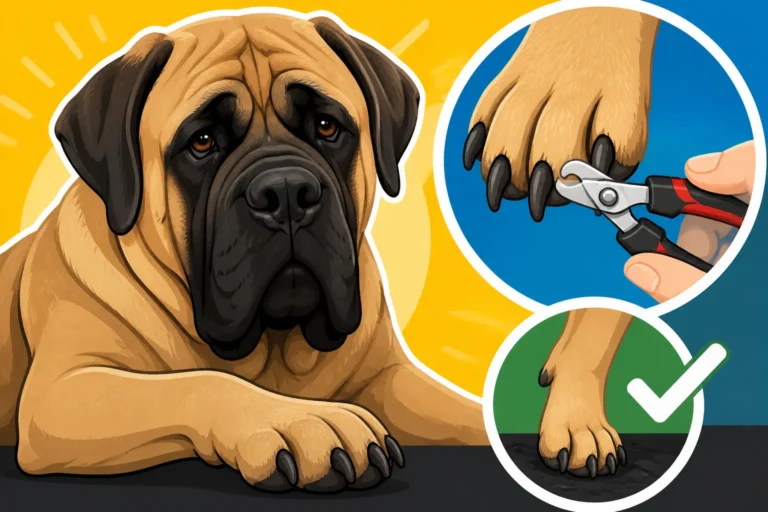
- Regular Trims: Mastiffs need frequent nail trims, ideally every 2-4 weeks. If you hear their nails clicking on the floor, they're too long. This can be a challenge with a large, sometimes reluctant, dog, so start early with puppies and make it a positive experience. A Dremel tool can be less intimidating than clippers for some dogs and allows for smoother, shorter nails.
- Hair Between Pads: Trim the hair that grows between their paw pads. This excess hair can reduce traction on slippery floors, especially as they age.
- Moisturize: Just like elbow calluses, paw pads can become dry and cracked. Using a paw balm can keep them supple and prevent painful splitting, which can make walking uncomfortable.
By integrating these habits into your daily routine, you're not just ensuring comfort; you're actively preventing many of the common musculoskeletal problems that Mastiffs face, allowing them to enjoy their formidable lives with greater ease.
Managing and Treating Existing Joint and Skin Issues
Despite the best preventative care, some Mastiffs will inevitably face joint and skin issues. Their size, genetics, and sheer lifespan (even if shorter than other breeds) make them susceptible. The key then becomes effective management to maintain their quality of life.
Veterinary Diagnosis and Treatment Plans
If you notice any signs of lameness, stiffness, reluctance to move, or changes in how your Mastiff gets up or lies down, a visit to the veterinarian is crucial. Self-diagnosing and treating can delay proper care and worsen conditions.
- Comprehensive Examination: Your vet will conduct a thorough physical examination, observing your Mastiff's gait, palpating joints, and checking for pain or swelling. X-rays are often necessary to diagnose conditions like hip or elbow dysplasia, arthritis, or other skeletal abnormalities. In some cases, blood tests might be recommended to rule out systemic inflammatory conditions.
- Tailored Treatment: Treatment plans are highly individualized. They may include:
- Pain Management: Non-steroidal anti-inflammatory drugs (NSAIDs) are commonly prescribed to reduce pain and inflammation. Other medications, like gabapentin or amantadine, might be used for neuropathic pain or chronic discomfort.
- Physical Therapy: Hydrotherapy (swimming in a controlled environment), therapeutic exercises, and massage can greatly improve muscle strength, range of motion, and overall mobility. This can be especially beneficial for Mastiffs with conditions like Degenerative Myelopathy in a Mastiff.
- Alternative Therapies: Some owners explore acupuncture, chiropractic care, or cold laser therapy as complementary treatments, often with positive results, but always under veterinary guidance.
- Weight Loss: If your Mastiff is overweight, even slightly, weight loss will be a cornerstone of any treatment plan. Less weight means less strain on already compromised joints.
- Surgery: In severe cases of dysplasia or injury, surgery might be an option, but it's a significant undertaking for a dog of this size and is typically considered after other treatments have been exhausted. What Hip Surgery Costs on a Mastiff and What Elbow Surgery Costs on a Mastiff are considerations to research if your veterinarian recommends surgical intervention.
Managing Calluses and Hygromas
For existing calluses and hygromas, the focus is on preventing further irritation and promoting healing.
- Soft Bedding is Paramount: This cannot be overstressed. If your Mastiff has calluses or hygromas, ensure they have soft, thick, orthopedic bedding everywhere they lie down. If they're choosing the floor, it means the bed isn't good enough, or there isn't a bed where they want to be.
- Protection for Calluses: For dry, cracked calluses, moisturizers specifically designed for dog paws and elbows can help soften the skin and prevent cracking. Look for products with lanolin, vitamin E, or shea butter. Keep them clean to prevent infection.
- Hygroma Management: Small, uninfected hygromas often resolve with strict enforcement of soft bedding. For larger or infected hygromas, your vet might recommend drainage (though recurrence is common), antibiotics if infected, or even surgical removal if it becomes chronic and problematic. However, simply removing a hygroma without addressing the underlying cause of repeated trauma will almost always result in it coming back. Protective donut bandages or elbow wraps can also be used, but ensure they are properly fitted to avoid rubbing or restricting blood flow. Regular cleaning and monitoring of the skin folds in these areas is also critical, as discussed in The Wrinkles and Folds a Mastiff Owner Cleans Every Week.
Adapting the Environment for an Ailing Mastiff
As Mastiffs age or face chronic conditions like arthritis, their environment needs to adapt to them.
- Ramps and Stairs: If your Mastiff struggles with stairs, invest in ramps for vehicles and even for entryways with steps. Why Stairs Are Worse for a Mastiff Than Any Breed is a stark reminder of the impact on their joints.
- Non-Slip Surfaces: Reinforce your home with even more non-slip runners and mats. A dog struggling with mobility can easily fall on slick floors, leading to further injury.
- Lifting Assistance: For senior Mastiffs who can no longer get up on their own, a rear-end lifting harness or full-body support harness can be invaluable for assisting them. This saves your back and prevents injury to your dog. Lifting an Old Mastiff That Cannot Get Up is a reality many owners face.
- Easy Access: Ensure food and water bowls are easily accessible without too much bending, or consider raised feeders if comfortable for your dog, though some studies suggest this might increase bloat risk.
Managing existing conditions requires patience, consistency, and a close working relationship with your veterinarian. Your Mastiff relies on you to be their advocate and provide them with the best possible comfort and care through their challenges.
The Long-Term Commitment to a Mastiff's Joint Health
Bringing a Mastiff into your life is a profound commitment, one that extends well beyond their adorable puppy days. Their inherent size and genetic predispositions mean that joint health will be a lifelong consideration, impacting everything from their daily comfort to their overall longevity. It's a journey that demands vigilance, proactive care, and a deep understanding of their unique needs.
Genetics and Responsible Breeding
The foundation of a Mastiff's joint health often begins before they are even born. Responsible breeders are meticulous about screening their breeding stock for genetic conditions that affect joints, primarily hip and elbow dysplasia. These conditions have a strong hereditary component.
- OFA and PennHIP: Look for breeders who provide clear documentation of Orthopedic Foundation for Animals (OFA) or PennHIP certifications for both parent dogs. OFA scores hips and elbows, while PennHIP provides a quantitative measurement of hip laxity. These certifications are a breeder's commitment to reducing the incidence of these painful conditions in future generations. A puppy from parents with excellent or good ratings has a much better chance of inheriting sound joints. This is a significant part of The Four CHIC Tests a Mastiff Breeder Must Clear.
- Open Communication: A reputable breeder will be transparent about the health history of their lines, including any incidence of joint issues, and will be happy to discuss how they screen and select their breeding dogs. Don't be afraid to ask for proof of testing and to understand the implications of something like Elbow Dysplasia Affects One Mastiff in Seven for a puppy you might take home.
Adapting to the Aging Mastiff
Mastiffs, unfortunately, have a shorter lifespan compared to many other breeds, often considered seniors by the age of five or six. As they age, joint issues are almost inevitable, even with the best care. This phase requires even greater dedication and environmental adjustments.
- Mobility Support: As mentioned earlier, lifting harnesses, ramps, and non-slip surfaces become even more critical. Their muscles may weaken, and arthritis can set in, making simple movements a challenge.
- Pain Management: Regular veterinary check-ups are essential to monitor for signs of arthritis and other age-related joint pain. Your vet can prescribe appropriate pain medication or supplements to keep them comfortable. It's about maintaining their quality of life, even if their mobility is limited.
- Mental Stimulation: While physical activity might decrease, mental stimulation remains vital. Puzzle toys, gentle scent work, and short, easy training sessions can keep their minds sharp and engaged, even if their bodies are slowing down.
- Temperature Regulation: Old Mastiffs can struggle with temperature extremes. Keep them cool in summer and warm in winter, as cold and damp weather can exacerbate joint pain. Ensure their beds are away from drafts. Caring for a Mastiff Past Five is a dedicated and often emotionally challenging phase of ownership.
The Emotional Toll and Rewards
Caring for a giant breed with significant health considerations, especially those related to their size and joints, can be emotionally and financially demanding. Watching a beloved Mastiff struggle with mobility is heartbreaking. The vet bills for ongoing treatments, medications, and specialized equipment can add up rapidly.
However, the rewards are immeasurable. The bond with a Mastiff is unlike any other. Their gentle nature, unwavering loyalty, and loving companionship fill a home with an incredible presence. By understanding their unique needs and committing to proactive, long-term care, you are giving your Mastiff the best possible chance at a comfortable, joyful life, making every moment with these magnificent giants truly count.
| Mastiff Joint & Mobility Care Aspects | Key Considerations | Proactive Measures | Management for Existing Issues |
|---|---|---|---|
| Weight Burden | Immense pressure on joints (elbows, hips, hocks) | Maintain lean body condition from puppyhood. | Veterinary-guided weight loss, pain management. |
| Elbow Calluses | Thickened skin due to repeated pressure/friction | Provide ample orthopedic bedding. Avoid hard surfaces. | Moisturize, keep clean, prevent cracking/infection. |
| Hygromas | Fluid-filled sacs under skin from repeated trauma | Orthopedic bedding is critical. Protective wraps. | Vet drainage, antibiotics for infection, surgery (last resort). |
| Flooring/Traction | Slippery surfaces cause strain, slips, injuries | Install non-slip runners/rugs. Trim paw hair and nails. | Ramps, paw grippers, increased environmental aids. |
| Puppy Nutrition | Rapid growth strains developing joints | Large breed puppy food with controlled Ca/P. Avoid overfeeding. | Vet consultation for growth abnormalities. |
| Adult Nutrition | Lean body condition, ongoing joint support | Quality large breed adult food, joint supplements (glucosamine, fish oil). | Dietary adjustments, specific therapeutic diets. |
| Exercise | High impact damages joints, especially in puppies | Controlled, moderate exercise. Avoid forced running/jumping. | Hydrotherapy, physical therapy, low-impact activities. |
| Aging Mastiffs | Increased risk of arthritis, mobility decline | Early introduction of supplements, regular vet check-ups. | Pain medication, mobility aids, environmental adaptations. |
| Genetics | Hereditary component to hip/elbow dysplasia | Choose puppies from OFA/PennHIP certified parents. | Early diagnosis, management plan, possible surgery. |
Disclaimer
This article is for general informational purposes only and does not constitute professional advice. Laws, prices and regulations vary by location and change over time. Consult a qualified professional for guidance on your specific situation.