Which Brush Suits a Mastiff’s Coat
If you're a Mastiff owner, you know that keeping such a magnificent, large dog looking and feeling good is a unique challenge. Many people assume that a Mastiff's short coat means grooming is a breeze, but that couldn't be further from the truth. They still shed, their skin needs care, and wrestling a two-hundred-pound dog with the wrong brush is a recipe for frustration. This guide is here to cut through the confusion and help you find the best brush to keep your Mastiff's coat healthy, minimize shedding, and make grooming a more pleasant experience for both of you.
Understanding Your Mastiff's Coat: More Than Meets the Eye
It's easy to look at a Mastiff's short, dense coat and think, "Oh, that's low maintenance." I hear it all the time! But honestly, that's one of the biggest misconceptions out there about our gentle giants. Their coat, while short, is far from a wash-and-wear situation. It has specific needs that, if ignored, can lead to excessive shedding, dull fur, and even skin issues.
The Mastiff's Double Coat and Shedding Cycle
Yes, even with their short hair, Mastiffs typically possess a double coat. This means they have a softer, insulating undercoat beneath their coarser, protective topcoat. This undercoat is what often contributes to the heavy shedding you might experience. They don't just shed a little; they shed year-round. You'll find those little Mastiff hairs clinging to furniture, embedded in carpets, and mysteriously appearing on your clothes even after a fresh wash. On top of that, Mastiffs also experience seasonal "coat blow-outs," usually in spring and fall, where they shed even more profusely to adapt to changing temperatures. During these times, it can feel like you're brushing enough hair off to make a whole new Mastiff! This is why understanding Whether a Mastiff Sheds is so crucial, as it directly impacts your grooming strategy.
This constant shedding isn't just about finding hair everywhere; it's about the health of their skin and coat. If dead undercoat isn't removed regularly, it can trap dander, dirt, and moisture close to the skin, leading to irritation or a dull appearance. It's a cyclical process, and without the right tools, you're constantly fighting an uphill battle against the tumbleweeds of fur.
Why the "Low Maintenance" Myth Is Misleading
The idea that a Mastiff's coat is "low maintenance" usually comes from comparing it to breeds with long, flowing hair that require daily intricate brushing. While you won't be dealing with intricate knots or mats like a Newfoundland owner, a Mastiff's short coat still demands consistent attention. Neglecting it means you'll deal with more shedding, a less healthy coat, and potentially skin problems. Think of it less as "low maintenance" and more as "different maintenance." The goal isn't just to make them look good, but to keep their skin breathing and free from irritation.
Many owners are surprised to learn that Why a Mastiff's Short Coat Is Not Low Maintenance is a reality they face. The short length might not show tangles, but it certainly doesn't prevent shedding or the need for regular skin checks. Those dense hairs, when shedding, can embed themselves stubbornly into upholstery and clothing, making cleanup a constant chore. Plus, regular brushing is a fantastic way to bond with your Mastiff and perform quick health checks on their skin and body, something that's essential for preventing issues before they become major problems.
The Best Brushes for General Mastiff Grooming
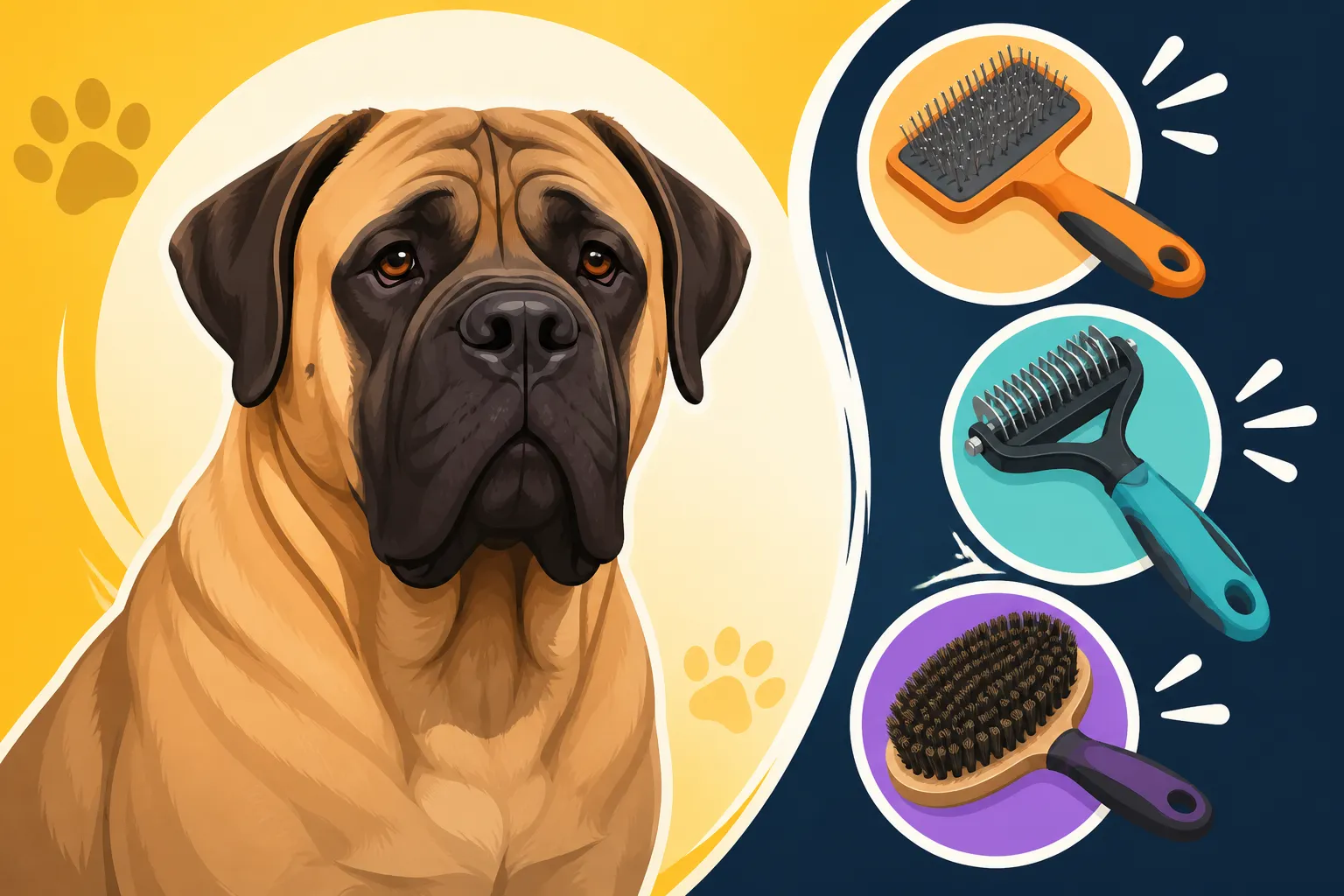
When it comes to brushing your Mastiff, you'll find that a multi-pronged approach usually works best. No single brush does it all, especially for a dog with a double coat and a significant shedding tendency. Having a few different tools in your grooming arsenal will help you tackle different tasks and keep their coat in tip-top shape.
Rubber Curry Brushes for Everyday Shedding and Massage
For your everyday grooming routine, especially to tackle that constant shedding, a good quality rubber curry brush is an absolute game-changer for Mastiffs. These aren't just brushes; they're like a spa treatment that also gets the job done. The rubber nubs gently pull out loose hair and stimulate blood circulation in the skin, which promotes a healthier coat. They're particularly effective at removing dead undercoat and loose fur without being abrasive to the skin. Plus, most Mastiffs absolutely adore the massaging sensation!
Brands like the Kong ZoomGroom are very popular for this type of brush, and you can often find them on sites like Chewy or Amazon. Whether a Rubber Curry Works on a Mastiff is a common question, and the answer is a resounding yes! They work wonderfully because they conform to your Mastiff's body shape, reaching all those curves and even those often-neglected areas around their flanks and chest. I always recommend starting with one of these when introducing a puppy to grooming, as the gentle feel can help them associate brushing with positive sensations.
Bristle Brushes for Shine and Distribution of Natural Oils
Once you've removed the bulk of the loose hair with a curry brush or deshedding tool, a natural bristle brush comes into play to add that finishing touch. These brushes aren't designed for heavy shedding removal but rather for smoothing the coat, distributing natural skin oils, and imparting a healthy sheen. Think of it as polishing the masterpiece. The bristles work to spread the natural sebum produced by your Mastiff's skin evenly across their coat, which is vital for skin health and gives their fur a beautiful, natural luster.
Using a bristle brush after a curry session helps to lay the topcoat flat, reducing flyaways and making your Mastiff's coat look exceptionally tidy and well-cared for. It's also a great way to remove any lingering dust or debris from their fur. For the best results, look for brushes with firm, natural bristles, often boar bristles, which are excellent at conditioning the coat without causing static.
Deshedding Tools for Seasonal Coat Blow-Outs
During those dreaded seasonal coat blow-outs, when it feels like your Mastiff is trying to redecorate your entire house with their fur, you'll need a more specialized tool. Deshedding tools are designed with fine, closely spaced teeth that reach through the topcoat to grasp and remove vast amounts of loose undercoat. These tools are incredibly effective at significantly reducing shedding, often by a surprising percentage, which can make a huge difference in your home's cleanliness.
However, these tools should be used with caution and not excessively. Overusing them can irritate your Mastiff's skin or even damage the topcoat. They're best reserved for weekly use during heavy shedding periods, or perhaps once every few weeks during lighter shedding. Always follow the manufacturer's instructions, and be gentle. You can find a wide variety of these tools, often highly rated, on platforms like Amazon, offering different sizes and styles to suit your Mastiff's specific coat density. Combining the use of a deshedding tool with your rubber curry and bristle brushes will give you the most comprehensive approach to managing your Mastiff's shedding throughout the year.
| Brush Type | Primary Purpose | Key Benefit | Frequency | Considerations |
|---|---|---|---|---|
| Rubber Curry Brush | Everyday loose hair removal, skin massage | Stimulates circulation, removes loose hair gently | Daily/Every other day | Great for bonding, most Mastiffs enjoy the feel |
| Bristle Brush | Coat polishing, oil distribution, smoothing | Adds shine, removes fine dust | Daily/Every other day | Use after deshedding for best results |
| Deshedding Tool | Deep undercoat removal, heavy shedding | Drastically reduces shedding | Weekly during heavy shed | Use sparingly to avoid skin irritation |
| Grooming Glove | Gentle loose hair removal, sensitive areas | Massages, great for puppies or nervous dogs | As needed, can be daily | Excellent for face and legs |
Brushing Techniques and Frequency for a Mastiff
Grooming a Mastiff isn't just about the tools; it's about the technique and consistency. Given their size, getting your Mastiff accustomed to grooming from an early age is paramount. A cooperative Mastiff makes life infinitely easier than one that sees brushing as a wrestling match.
Establishing a Routine
Consistency is truly the unsung hero of Mastiff grooming. Aim for a quick brush session every other day, or at least a few times a week. During heavy shedding seasons, you might even find yourself brushing daily. A routine helps your Mastiff know what to expect and can turn grooming from a chore into a calm, bonding experience. Pick a time when your Mastiff is naturally relaxed – perhaps after a short walk, or in the evening when they're winding down.
Start small, especially with puppies. Even five minutes of gentle brushing can be effective. As they grow, you can gradually increase the duration. Remember, the goal isn't just to remove hair; it's also to check their skin for any unusual bumps, redness, or dryness. This regular contact allows you to spot potential issues early, such as those that might lead to Whether a Mastiff Gets Hot Spots or other skin irritations. Incorporating brushing into your daily care routine, alongside other essentials like checking their food and water, makes it less of a separate task and more of a natural part of What a Mastiff Needs Every Day.
Making Grooming a Positive Experience
For a Mastiff, especially one that will eventually outweigh you by a significant margin, positive reinforcement is your best friend. Make grooming sessions pleasant. Introduce brushes slowly, letting your Mastiff sniff them. Start with short, gentle strokes, and always follow with praise, gentle words, and a delicious high-value treat. If you're brushing a puppy, this early exposure will pay dividends when they're a massive adult.
If your Mastiff shows any signs of discomfort or resistance, stop, take a break, and try again later with even more patience and treats. Never force the issue, as a negative experience can make future grooming impossible. Consistency and positive association are key to teaching your Mastiff that grooming is a good thing. You can even combine it with other routines, like cleaning their facial folds, which are essential for preventing Whether a Mastiff Gets Skin Fold Infections. This positive approach ensures that grooming remains a calm, cooperative activity throughout your Mastiff's life.
Dealing with Mats and Skin Issues
While Mastiffs with their short coats aren't typically prone to dense mats or tangles like long-haired breeds, they can still experience minor matting behind their ears, under their "armpits," or in their tail feathers if not brushed regularly. These areas can sometimes collect loose hair and get knotted, especially if they have slightly longer fur in those spots. If you encounter a small mat, try to gently tease it apart with your fingers or a wide-toothed comb. For stubborn mats, you might need a mat splitter or a blunt-ended scissor, but extreme caution is advised to avoid cutting their skin.
More common than mats are skin issues. Regular brushing gives you an opportunity to inspect your Mastiff's skin for any redness, flakiness, rashes, or bumps. The Wrinkles and Folds a Mastiff Owner Cleans Every Week are particularly prone to irritation and infection if not kept clean and dry. If you notice any persistent skin problems, excessive scratching, or dull, brittle fur that doesn't improve with regular brushing, it's always best to consult your veterinarian. They can help diagnose underlying issues like allergies or infections and recommend appropriate treatment, which might include medicated shampoos or dietary changes.
Specialized Tools and Considerations for Mastiffs
Beyond the standard brushes, there are a few other tools and practices that can be incredibly helpful for managing a Mastiff's coat and overall well-being. Their sheer size and specific physical characteristics often call for a slightly different approach than you might take with a smaller, differently coated dog.
Grooming Gloves for Sensitive Areas and Puppy Introductions
Grooming gloves are fantastic, often overlooked tools for Mastiffs, especially for those sensitive areas or when you're just starting to introduce a puppy to grooming. These gloves typically have rubber nubs on the palm and fingers, allowing you to effectively "pet" away loose hair. They're much less intimidating than a traditional brush for a young or shy Mastiff, and the gentle touch often feels like a massage, making it a very positive experience.
They are particularly useful for grooming around the face, ears, and legs, where a larger brush might be awkward or uncomfortable. Grooming gloves can also be used during bath time to help work shampoo into the coat and remove loosened hair, especially when tackling Bathing a Mastiff You Cannot Lift Into a Tub, as they provide excellent grip and control. You can easily find these practical gloves through retailers like Chewy or on Amazon.
The Importance of a Good Grooming Spritz or Conditioner
A high-quality grooming spray or leave-in conditioner can elevate your Mastiff's brushing routine. These products can help detangle any minor snags, reduce static cling (which can be a real issue with short, dense coats, especially in dry weather), and add a healthy sheen. Look for sprays that are formulated for dogs, preferably with natural ingredients that moisturize the skin and coat without leaving a greasy residue.
A light spritz before brushing can make the process smoother, allowing brushes to glide through the coat more easily and efficiently pick up loose hairs. This is particularly helpful during heavy shedding periods or when you're using a deshedding tool. It can also help to condition their skin, which is important for preventing dryness and flakiness. Plus, some grooming sprays can leave behind a pleasant, subtle scent, helping to keep your Mastiff smelling fresh between baths.
When Professional Grooming Might Be Necessary
While much of a Mastiff's coat care can be handled at home, there are times when seeking a professional groomer is a wise decision. If your Mastiff has significant matting (rare but possible), severe skin issues that you can't manage, or if you simply struggle with handling their size and strength during baths and nail trims, a professional can provide invaluable assistance. A good groomer understands giant breeds and has the appropriate equipment, like large tubs and drying systems, to handle your Mastiff safely and effectively.
They can also provide services like thorough deshedding treatments, professional ear cleaning, and expert nail trims, which can be challenging to perform on such a large dog. Even if you do most of the grooming yourself, an occasional visit to a professional can help reset their coat and provide a fresh start, particularly after a major shedding cycle. Always look for a groomer experienced with giant breeds, and discuss your Mastiff's temperament beforehand to ensure a positive experience.
Disclaimer
This article is for general informational purposes only and does not constitute professional advice. Laws, prices and regulations vary by location and change over time. Consult a qualified professional for guidance on your specific situation.