How Many Hours a Mastiff Can Be Left
One of the biggest concerns for any Mastiff owner, or someone thinking about bringing one of these magnificent giants into their home, is how long they can realistically be left alone. It's not just about their size and the potential for chaos, but also about their deeply sensitive and companion-oriented nature. This guide will help you understand the unique needs of a Mastiff when it comes to alone time, offering practical advice and strategies to ensure your gentle giant remains happy, well-adjusted, and keeps your house intact while you're away.
Understanding Your Mastiff's Capacity for Alone Time
Mastiffs are renowned for their calm demeanor and often describe themselves as "couch potatoes." However, beneath that placid exterior lies a deep need for companionship and routine. They aren't the kind of dog you can simply ignore for hours on end without consequence.
The Adult Mastiff: Realistic Expectations
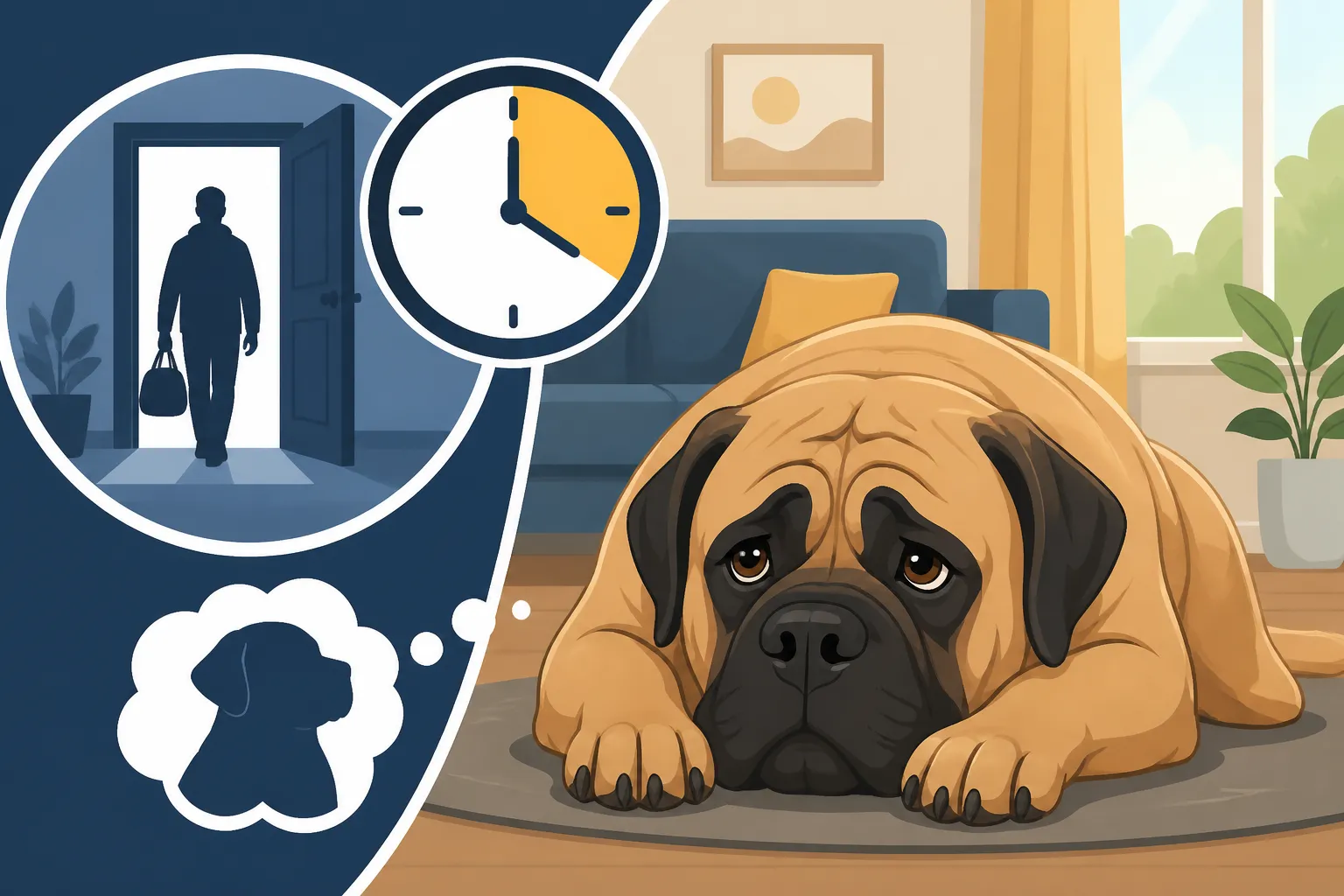
When we talk about an adult Mastiff, generally over 18-24 months of age, their capacity for alone time is much greater than that of a puppy or adolescent. A mature Mastiff, properly trained and socialized, can typically be left alone for 4-6 hours comfortably. Some individuals might stretch that to 8 hours on rare occasions, but this should not be a daily expectation. Think about it from their perspective: that's a long stretch without a potty break, mental stimulation, or simply the comfort of your presence.
Mastiffs are creatures of habit, and disrupting their routine can be a source of stress. While they may appear to just sleep the day away, their internal clock is very much aware of when they should be eating, going outside, or getting attention. Expecting them to hold their bladder for 8+ hours routinely isn't fair and can lead to accidents, even in a fully house-trained dog. Moreover, these are large dogs, and prolonged periods of inactivity, while seemingly normal for their laid-back nature, can contribute to stiffness or exacerbate underlying joint issues. It's a delicate balance between respecting their need for rest and ensuring they get enough movement and engagement. Consider reading How Long a Mastiff Copes Alone for more insights into their tolerance levels.
Individual personality plays a huge role here. Some Mastiffs are more independent, content to snooze in a sunbeam until you return, while others are truly "velcro dogs" who thrive on constant human interaction. It's crucial to observe your own dog's behavior when you're preparing to leave and when you return. Are they relaxed, or do they seem anxious? Do they greet you frantically, or with a calm, happy wag? These clues can tell you a lot about their comfort level with their alone time.
The Mastiff Puppy: Potty Training and Socialization
Mastiff puppies are a whole different ballgame. They grow incredibly fast, but their bladders and minds take time to mature. The general rule of thumb for how long a puppy can hold its bladder is one hour per month of age, plus one. So, a 3-month-old puppy might last 4 hours, but this is a maximum, not a target. For a Mastiff puppy, you’ll want to aim for even shorter periods, especially during active training.
Leaving a young Mastiff puppy alone for too long isn't just a recipe for potty accidents; it can also hinder their crucial socialization and development. The first few months of a puppy's life are vital for learning about the world, building confidence, and bonding with their family. Being left alone excessively can lead to feelings of insecurity or even contribute to the development of separation anxiety down the line. Potty training is a monumental task with a Mastiff puppy, and consistency is key. Every accident sets back progress. For more help with this, consider How Long a Mastiff Puppy Takes to House Train.
Beyond potty training, early experiences shape their temperament. A Mastiff puppy needs exposure to different sights, sounds, people, and other well-behaved animals during their critical socialization period. If they are primarily left alone during these formative weeks, they miss out on vital learning opportunities that help them grow into confident, well-adjusted adults. A puppy that isn't adequately socialized can become fearful or reactive, which, combined with their immense size, can lead to significant challenges later on. It’s also wise to ensure your Mastiff puppy gets ample social exposure, such as meeting How Many People a Mastiff Puppy Should Meet.
Setting Up for Success: Managing Your Mastiff's Alone Time
Leaving your Mastiff alone doesn't have to be a source of guilt or anxiety for you, or distress for them. With the right strategies and a bit of planning, you can create an environment and routine that supports their well-being.
Creating a Safe and Enriched Environment
First and foremost, your Mastiff needs a designated safe space where they can feel secure and comfortable during your absence. For many, this means a crate. A Mastiff-sized crate is a serious piece of equipment, but it can be invaluable for training and keeping them safe. It should be large enough for them to stand up, turn around, and stretch out comfortably. Introduce the crate slowly and positively, making it a desirable den rather than a punishment. If you're wondering about this, check out Whether a Mastiff Puppy Should Be Crated.
If crating isn't an option, or if your Mastiff prefers more space, a dog-proofed room or area is essential. This means removing anything they could chew, ingest, or knock over. Mastiffs, especially younger ones, can be surprisingly destructive when bored or anxious. Think about everything from electrical cords to prized possessions – if it's within reach, assume it's a target. Investing in a durable, chew-proof dog bed and some sturdy toys is a must. Products found on Amazon can offer a wide selection of heavy-duty crates, orthopedic beds, and interactive toys designed for giant breeds.
Enrichment is critical. Leaving your Mastiff with nothing to do for hours is a recipe for boredom, which quickly escalates to destructive behavior. Puzzle feeders, KONGs stuffed with frozen treats, or long-lasting chews can keep their minds occupied. These aren't just toys; they’re mental exercises that tap into their natural instincts. A Mastiff might be a gentle giant, but they still need a "job" to do, even if that job is figuring out how to get kibble out of a dispenser. Providing appropriate outlets for their energy and intelligence can make a world of difference. You might be surprised to learn about The Job a Mastiff Actually Wants.
Establishing a Predictable Routine
Consistency is a Mastiff's best friend. A predictable daily routine helps them feel secure and understand what to expect. This is especially true for their alone time. Before you leave, establish a routine that ensures all their needs are met:
- Potty Break: A long, thorough potty break right before you depart is non-negotiable. Give them ample time to empty their bladder and bowels fully.
- Exercise: Even though Mastiffs aren't high-energy dogs, a good walk or some playtime before you leave can help them expend any excess energy and settle down for a nap. However, remember that Mastiff puppies have very specific exercise needs; The Mastiff Puppy You Are Not Allowed to Exercise highlights the importance of not overdoing it with young, growing giants.
- Food and Water: Feed them their meal if it aligns with your schedule, and always ensure they have access to fresh water, perhaps in a heavy, tip-proof bowl.
- Mental Stimulation: Offer their enrichment toy or puzzle as you leave. This creates a positive association with your departure and gives them something engaging to do immediately.
A consistent routine helps them understand that your departure isn't permanent and that they will be cared for upon your return. This structured approach helps reduce anxiety and fosters a sense of security. Remember, What a Mastiff Needs Every Day goes beyond just food and water; it includes mental and emotional care.
Training for Independence
Teaching your Mastiff to be comfortable alone starts long before you actually leave them for hours. It’s a gradual process of desensitization and positive association.
Begin by teaching them to stay in their designated safe space for short periods while you are still home. Use positive reinforcement (treats, praise) for calm behavior. Practice leaving the room for a few minutes, then returning. Gradually increase the duration of your absence. This helps them build confidence that you always come back.
Avoid making a big fuss when you leave or return. A calm, matter-of-fact departure and arrival signals that your absence is no big deal. Excessive goodbyes can inadvertently heighten their anxiety.
Puppy training programs, like those offered by BAXTER & Bella, often incorporate alone-time training as a foundational skill. They guide owners through creating a positive relationship with crates, managing expectations, and building a puppy's confidence. Early training is paramount because it's much easier to Teaching a Mastiff Before It Outweighs You than to try to correct ingrained habits in a 200-pound dog. Patience and consistency are your most powerful tools when working with a Mastiff, as they can sometimes appear to be The Stubbornness That Is Actually a Mastiff Thinking, but they are often just processing information.
When "Too Long" Becomes a Problem
No matter how well-intentioned we are, sometimes life happens, and our Mastiffs end up alone for longer than planned. Or, despite our best efforts, a Mastiff might simply struggle with solitude. Recognizing the signs of distress is crucial.
Recognizing Signs of Distress and Separation Anxiety
A Mastiff exhibiting signs of distress or separation anxiety when left alone might display a range of behaviors:
- Destructive Chewing: This isn't just a puppy exploring; it's often frantic and aimed at exit points (doors, window sills) or items that smell like you (furniture, clothing).
- House Soiling: Accidents indoors, even in a fully house-trained adult, can be a symptom of anxiety, not just a full bladder.
- Excessive Barking or Howling: Neighbors might complain, or you might hear it if you have a pet camera. This vocalization is often a plea for attention or a sign of distress.
- Pacing, Drooling, Panting: These are physiological signs of stress. A dog who paces endlessly, salivates heavily, or pants even when the room is cool is likely anxious.
- Escaping: Mastiffs are big and powerful. Anxious dogs might try to chew through crates or break out of rooms, potentially injuring themselves in the process.
If you observe these behaviors consistently, it's vital to address the root cause, which is likely anxiety related to being alone. Ignoring these signs can lead to worsening behavior and deeper emotional issues for your dog. For a comprehensive look into this, consult Separation Anxiety in a Mastiff. These behaviors are not acts of defiance or spite; they are manifestations of genuine fear and distress.
Long-Term Implications of Extended Isolation
Consistently leaving a Mastiff alone for excessively long periods can have profound long-term consequences, affecting both their behavior and their physical health.
Behaviorally, a Mastiff subjected to prolonged isolation can become withdrawn or, conversely, highly reactive. They might struggle to cope with novel situations, show increased fear towards strangers, or develop resource guarding issues as they become overly protective of what little they have. Their innate sensitivity means that such experiences can leave lasting emotional scars. The Sensitivity Nobody Expects in a Two Hundred Pound Mastiff means that harsh corrections or prolonged, unintended isolation can be particularly damaging to their emotional well-being and trust in their human companions.
Physically, a giant breed like a Mastiff needs appropriate movement to maintain joint health. While they are not marathon runners, spending too many hours lying in one spot can contribute to stiffness, muscle atrophy, and exacerbate conditions like arthritis, especially as they age. This isn't just about walks; it's about the general ability to shift positions, stretch, and move freely throughout the day. Overweight Mastiffs who are also inactive are at an even higher risk for these issues.
Solutions for Owners with Longer Work Hours
If your work schedule genuinely requires you to be away for more than 6-8 hours on a regular basis, there are solutions to ensure your Mastiff's needs are still met.
- Professional Dog Walkers or Pet Sitters: Hiring someone reliable to come in midday for a potty break, a short walk, and some companionship can make a huge difference. They can also provide a bit of mental stimulation and a meal if needed. Many services are available that cater specifically to large breeds.
- Doggy Daycare: While not all Mastiffs are suitable for traditional daycare environments (due to their size, occasional clumsiness with smaller dogs, or sometimes their reserved nature), a reputable daycare with experienced staff and separate play areas for large breeds could be an option. Ensure you visit, ask questions about their giant breed experience, and observe the facility before committing.
- Friends or Family Support: If you have trusted friends, family, or neighbors who love your Mastiff, perhaps they could help out on certain days. Even a short visit to let them out can break up a long day.
It's important to be realistic about your capacity to meet a Mastiff's needs. While they may be independent in some ways, their need for human companionship and proper care is significant. This is a primary consideration for anyone contemplating Whether a Mastiff Suits a Full Time Worker.
Practical Strategies and Tools
Beyond routines and training, there are tangible tools and ongoing considerations that can help make alone time easier for both you and your Mastiff.
Technology to Bridge the Gap
In our modern world, technology offers some fantastic ways to stay connected and monitor your Mastiff while you're away:
- Pet Cameras: Devices available on Amazon allow you to check in on your Mastiff from your phone, providing live video and often two-way audio. Some even dispense treats remotely. This can be invaluable for observing their behavior while you're gone, helping you identify signs of anxiety, or simply reassuring you that they're napping peacefully.
- Automatic Feeders: If your work schedule is unpredictable, an automatic feeder can ensure your Mastiff gets their meal at a consistent time, even if you're delayed. For Mastiffs, you'll need a large-capacity, sturdy model designed for big appetites.
- Smart Home Integration: Some systems can be set up to play calming music or white noise when you leave, or turn on lights if the day gets dark, creating a more consistent and comforting environment.
These tools don't replace human interaction, but they can certainly enhance your ability to monitor and care for your Mastiff from afar.
Assessing Your Individual Mastiff's Needs
Every Mastiff is an individual. While general guidelines exist, your dog's specific temperament, age, health status, and prior experiences will all influence how well they cope with being left alone.
- Observe and Adapt: Pay close attention to your Mastiff's behavior both when you leave and when you return. Look for subtle cues. Keep a journal if necessary. Adjust your routine and strategies based on what your dog is telling you. If Whether a Mastiff Is Slow to Learn applies to your Mastiff, then patience and consistent repetition will be key to helping them adapt.
- Age and Health: A senior Mastiff with arthritis may struggle more with holding their bladder or getting comfortable for long periods than a healthy adult. A young adolescent, still full of puppy energy but with adult size, might be more prone to destructive boredom. Always tailor your approach to their current stage of life.
- Professional Guidance: If your Mastiff is struggling with significant separation anxiety or destructive behavior despite your efforts, don't hesitate to consult a certified professional dog trainer or a veterinary behaviorist. They can provide tailored advice and behavioral modification plans to help your Mastiff overcome these challenges.
Remember, bringing a Mastiff into your life is a commitment to understanding and meeting their unique needs. By being mindful of how long they can truly cope alone and implementing proactive strategies, you can ensure a happy, healthy life for your beloved giant.
| Age of Mastiff | Maximum Recommended Alone Time | Key Considerations |
|---|---|---|
| 8-16 Weeks (Puppy) | 1-2 hours (often less if not crated) | Frequent potty breaks are crucial (every 1-2 hours). Focus on positive crate training and short, positive absences. Crucial socialization period. Avoid long periods to prevent house training setbacks and anxiety. |
| 4-6 Months | 2-4 hours | Bladder control is improving, but still limited. Continued positive alone-time training. Provide engaging toys. Ensure a substantial potty break and exercise before leaving. |
| 7-12 Months | 3-5 hours | Adolescence often brings increased energy and potential for destructive behavior. Consistency in routine and mental stimulation is key. Continue reinforcing alone-time comfort. |
| 1-2 Years (Young Adult) | 4-6 hours | Most are fully house-trained and more settled. Can tolerate slightly longer periods, but still benefit from a midday break. Mental enrichment remains important to prevent boredom. |
| 2+ Years (Adult) | 4-6 hours (max 8 hours on rare occasions) | Generally calm and capable of longer alone times if well-adjusted and exercised before. A midday potty break or check-in is highly recommended for optimal comfort and health. Older Mastiffs might need more frequent breaks due to age-related bladder control or joint stiffness. |
Disclaimer
This article is for general informational purposes only and does not constitute professional advice. Laws, prices and regulations vary by location and change over time. Consult a qualified professional for guidance on your specific situation.