The Damage a Mastiff Does by Accident
Anyone who has welcomed a magnificent Mastiff into their home knows the unique blend of overwhelming love and occasional chaos they bring. These gentle giants, with their deep eyes and even deeper hearts, aren't intentionally destructive, but their sheer size and weight mean that accidents can and do happen. This guide will walk you through the common types of accidental damage Mastiffs can inflict on your home and loved ones, not to scare you, but to help you prepare and adapt, ensuring a safe and harmonious life with your colossal companion.
Understanding the Mastiff's Physical Presence
It’s easy to forget, when your Mastiff is curled up snoring on the couch, just how massive they truly are. Their incredible bulk is a core part of their charm, but it's also the root cause of many unintended mishaps. Understanding this physical reality is the first step in managing a Mastiff household.
The Sheer Scale of a Mastiff
Let's be blunt: a Mastiff is not just a "big dog." They are a truly colossal animal, easily outweighing many adult humans. A full-grown male can tip the scales at over 200 pounds, sometimes significantly more, and stand nearly three feet tall at the shoulder. Imagine that kind of mass moving with enthusiasm, or even just shifting its weight. It's like having a small pony inside your house. This isn't just about their height or weight in isolation; it's about the sheer volume they occupy and the force they can exert with minimal effort. Their robust bones and dense musculature make them incredibly solid, a living, breathing force of nature in your living room.
This immense physical presence means that what would be a minor bump from a smaller dog can be a significant impact from a Mastiff. A joyful tail wag can clear a coffee table; a sudden turn can send a lamp flying. Their scale dictates everything from the size of their bed to the strength of your door frames. Preparing for a Mastiff means acknowledging that your home will host an animal that is essentially a furry, four-legged piece of heavy artillery, albeit one that mostly wants to cuddle.
Unaware of Their Own Strength
One of the most endearing, yet frustrating, qualities of a Mastiff is their often-unconscious lack of awareness regarding their own power. They are famously gentle, often displaying a sweet, almost timid demeanor. They might believe they are lap dogs, attempting to curl up on your sofa (or your actual lap) with no regard for the fact that they weigh as much as two bags of concrete. This disconnect between their gentle spirit and their physical reality is where many "accidents" originate. They aren't trying to knock you over, but their body mass acts like a bulldozer.
Think of a young Mastiff puppy, full of clumsy exuberance, as it grows. What starts as a cute little stumble quickly becomes a seismic event. This isn't aggression or naughtiness; it's simply a lack of understanding about the impact they have on their surroundings. They just want to get close, to play, or to get to their food bowl, and everything in their path might simply become a casualty of their affectionate, yet powerful, movement. This unawareness underscores the need for proactive management and a home environment designed to withstand their unwitting might.
The Gravity of Their Movement
While a Mastiff might not be known for lightning-fast sprints, the momentum generated by their enormous body, even at a slower pace, is substantial. They move with a certain lumbering grace, but that doesn't mean they move without consequence. A Mastiff running through the house, even at a trot, carries incredible kinetic energy. Stopping suddenly or changing direction can send them skidding on slippery floors, potentially into furniture or even people. This is especially true on surfaces like hardwood or tile, where their considerable weight can make traction a real challenge. What Bare Floors Do to a Growing Mastiff is a serious consideration, not just for their joint health, but for the integrity of your home.
Their weight also comes into play when they simply exist. A Mastiff leaning against a gate can easily push it open if it's not securely latched. One resting its head on a flimsy side table can cause it to buckle. Even their simple act of getting up from a prone position can cause a whole lot of shifting and jostling. It's not about speed, it's about sheer, undeniable mass in motion – or even just in repose. Every interaction with their environment is imbued with this gravitational reality, requiring robust structures and careful consideration of what can withstand a Mastiff's presence.
Property Damage: When Your Home Feels the Brunt
No matter how well-behaved your Mastiff is, there will almost certainly be moments where their size, exuberance, or even simple existence results in unintended damage to your home. It’s not malice, it’s just physics.
Furniture and Decor Casualties
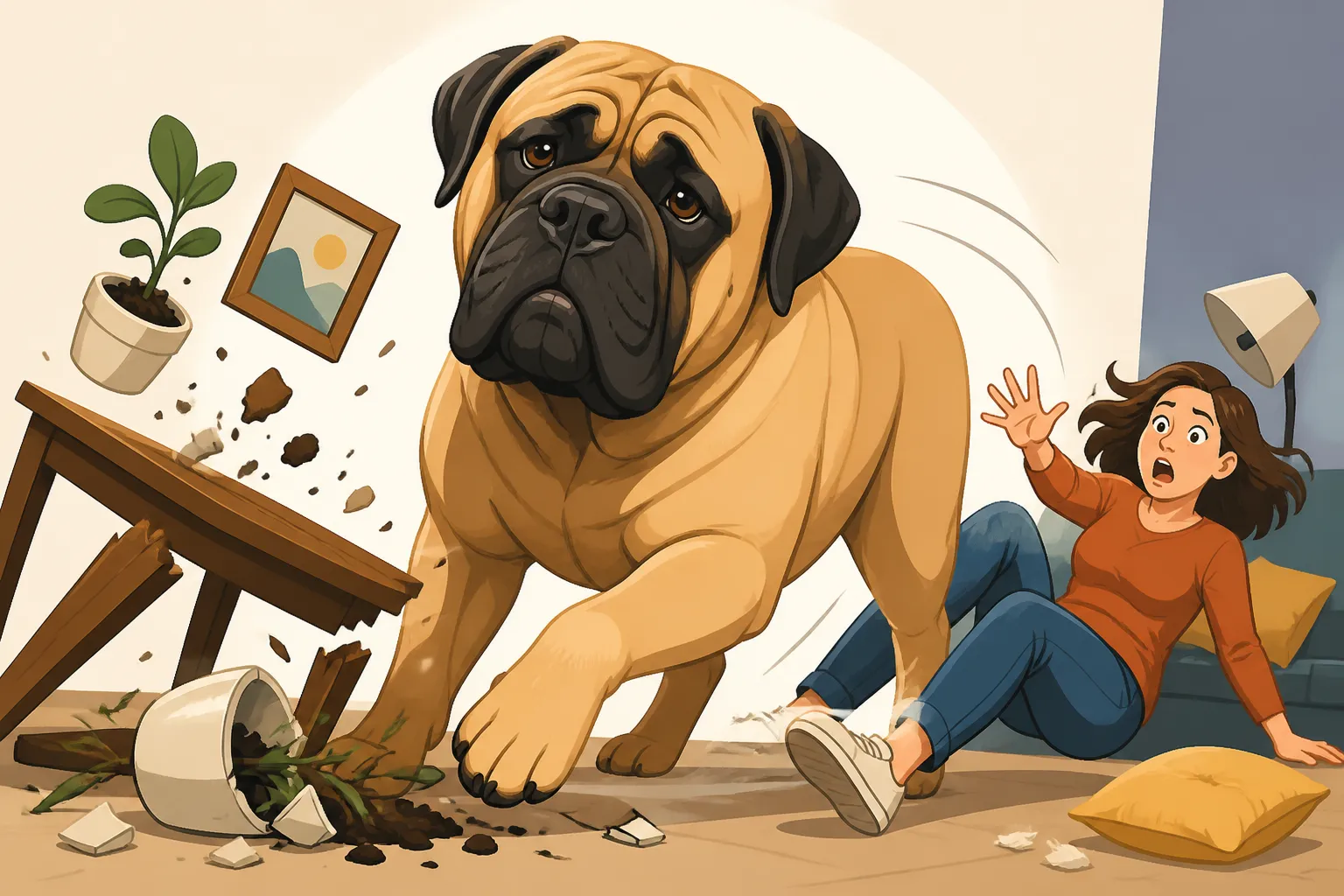
Your furniture, especially items that aren't heavy or bolted down, can quickly become an accidental casualty of a Mastiff's daily life. A lampshade might get clipped by a passing tail, sending the lamp crashing. A decorative vase on a low shelf could be nudged off by a curious nose. Picture a Mastiff stretching out on the sofa, accidentally pushing a cushion off, and then settling down so heavily that the springs groan in protest. They might decide that your favorite armchair is the perfect spot for a nap, only to discover, upon rising, that its legs weren't quite up to the task of supporting 200 pounds of dog.
Even sturdy pieces aren't immune. A Mastiff leaning against a bookshelf for a good scratch might shift it enough to dislodge items or even destabilize the unit itself. Coffee tables are particularly vulnerable to tail wags or a dog trying to get a better view of whatever you’re eating. We’ve all heard stories of Mastiffs inadvertently "rearranging" a living room simply by walking through it with enthusiasm. This isn't about chewing or digging; it's simply the collateral damage of a very large, sometimes uncoordinated, animal existing in a space designed for smaller beings. Investing in heavy, stable furniture or securing lighter pieces to walls can save a lot of heartache.
Floor and Wall Woes
Hardwood floors and painted walls often bear the brunt of Mastiff life in ways you might not expect. Those beautiful hardwood floors? They can quickly become a canvas of claw marks from a Mastiff trying to gain purchase, especially if they're playing or getting up quickly. Even their slow, deliberate steps can leave minor indentations over time, or dull the finish. Then there's the drool. Oh, the drool! A Mastiff shake, after a drink of water or just because, can send a spray of slobber across a surprising radius, leaving streaks on walls, furniture, and even ceilings. Drool Physics and the Mastiff Head Shake is a very real phenomenon that many new Mastiff owners underestimate.
Walls can also suffer from accidental bumps. A Mastiff pivoting in a narrow hallway might inadvertently scrape its side against the wall, leaving dirt marks or even minor indentations. Their enthusiasm when greeting someone at the door can lead to paw prints on the lower sections of the wall. And let's not forget the "Mastiff lean," where they press their immense weight against you or a wall for comfort or attention. If that wall isn't painted with a durable, washable paint, you'll be doing touch-ups more often than you'd like. The sheer volume of their bodies interacting with every surface means wear and tear that a smaller dog simply wouldn't cause.
Kitchen Countertops and Tables
The kitchen can be a particularly hazardous zone when you share your home with a Mastiff. Their height, even when standing on all fours, brings their head dangerously close to countertop level, or well above most dining room tables. This means that a casual sniff can turn into a full-scale counter-surfing operation if something delicious catches their attention. They don't even have to stand on their hind legs; a simple stretch or a curious reach can easily swipe an entire plate of food or a delicate glass onto the floor.
Imagine preparing dinner, turning your back for a second, and finding a giant head looming over the chopping board, ready to "help." They're not being sneaky, often they're just being curious or opportunistic. Any food left unattended on a surface within their reach is fair game, and they're strong enough to pull down roasting pans or heavy cutting boards without much effort. Secure your food, put away breakables, and teach a solid "leave it" command early. Consider tall, sturdy kitchen islands or tables that are less susceptible to their accidental reach.
Accidental Hazards for People and Other Animals
The gentle nature of a Mastiff is legendary, but their sheer physical presence means that even the most loving gesture can inadvertently cause a bump, bruise, or scare.
Bumps, Nudges, and Unintended Trips
One of the most common ways a Mastiff causes accidental harm is simply by moving. They might walk right into you, not seeing you in their periphery, or misjudging the space. A happy greeting can involve a head-butt that feels like being hit by a bowling ball. For adults, this might result in a surprised grunt or a bruise, but for children or the elderly, it can be far more serious. A child can easily be knocked over and injured by a Mastiff's clumsy enthusiasm, even if the dog is only trying to play or get attention. Imagine a toddler in the path of a two-hundred-pound dog turning quickly – it's a recipe for a fall. This is why A Mastiff in a House With Small Children requires constant supervision and training for both dog and child.
Even when they're not actively moving, their bulk can be an issue. A Mastiff might lie down in a doorway, creating a significant tripping hazard. You might step over them, only for them to suddenly shift, throwing you off balance. This isn't aggression; it's simply a lack of spatial awareness combined with immense size. Teaching them commands like "place" or "settle" can help, but constant vigilance is key, especially in busy households or homes with less mobile residents.
The Mighty Mastiff Tail
A Mastiff’s tail is a powerful appendage, capable of sweeping devastation across a room with a single happy wag. Unlike the dainty swish of a smaller dog, a Mastiff’s tail is thick, strong, and weighted. It moves with considerable force, especially when they are excited. That innocent wag can clear a coffee table of magazines, glasses, and remotes in a split second. Knick-knacks on low shelves? Gone. Drinks on end tables? Splashed everywhere. It’s like a furry, happy wrecking ball.
More concerning, however, is the impact their tail can have on people. A vigorous tail wag at thigh- or knee-level can deliver a painful blow, leaving significant bruises or even knocking small children off their feet. Imagine bending down to pet your Mastiff only to have their tail smack you in the face. It’s not pleasant, and it’s entirely unintentional. It's a testament to their strength that even a relaxed wag can be so impactful. Recognizing this, many Mastiff owners learn to 'read' their dog's body language and shield vulnerable items or people when a tail-induced tsunami is imminent.
Interactions with Other Pets
While many Mastiffs live harmoniously with other animals, their size difference can sometimes lead to unintentional harm during play or even routine interactions. A playful paw swat meant for another giant breed could accidentally send a smaller dog tumbling. A Mastiff trying to lie down might not notice a tiny cat or toy breed nestled too close, inadvertently pinning them or stepping on them. Even in their gentleness, their weight can be overwhelming.
Consider a Mastiff joining in a game with a smaller, more agile dog. The Mastiff might try to "herd" or block, using its body as a barrier, not realizing that a bump from them could injure a smaller companion. Supervision during play is crucial, especially with significant size disparities. Teaching your Mastiff appropriate play behaviors and always being present to intervene can prevent these loving, yet clumsy, giants from accidentally hurting their smaller, more fragile housemates. The best approach is always to err on the side of caution, separating animals if play becomes too boisterous or if there’s a risk of accidental injury.
Proactive Strategies to Minimize Accidental Damage
Living with a Mastiff means accepting a certain level of natural wear and tear, but there's a lot you can do to mitigate the risks of accidental damage. It's all about planning, training, and adapting your environment.
Training for Awareness and Control
Effective training is paramount when you have a Mastiff. Because they grow so large so quickly – The First Year With a Mastiff Puppy That Doubles in Size is truly astounding – you absolutely must start early. Basic obedience commands are not just for manners; they are critical for safety. A solid "stay" can prevent them from bolting through a doorway and knocking someone over. A reliable "off" can stop them from jumping up on visitors, which can be genuinely dangerous given their weight. Whether a Mastiff Jumps Up on Visitors is a common concern. Teaching them to "wait" at thresholds or before entering a room gives you control over their enormous momentum.
Spatial awareness training is also incredibly helpful. This involves teaching them to be mindful of their body in relation to their surroundings. Practice walking through narrow spaces, around furniture, and with people, rewarding them for careful movement. Programs like BAXTER & Bella, an online puppy training school, can provide structured lessons and support for owners dealing with large breeds, focusing on foundational skills that emphasize control and body awareness. Remember, Teaching a Mastiff Before It Outweighs You is not just a clever phrase; it's a practical necessity. Once they are 150+ pounds, it becomes significantly harder to physically manage them if they haven't learned impulse control.
Home Modifications for Mastiff-Proofing
Your home needs to be adapted for a Mastiff. Think sturdy, heavy, and anchored. Secure tall bookshelves to the wall. Opt for heavy coffee tables made of solid wood or metal, rather than glass or lightweight materials. Anything valuable or fragile on low shelves or end tables should be moved to higher ground. Consider switching to washable paint in high-traffic areas where tail wags and drool might be frequent visitors. Floor runners or large area rugs can provide much-needed traction on slippery surfaces, protecting both your dog's joints and your floors from scratches. Whether a Mastiff Needs Runners Through the House is a question many owners eventually answer with a resounding "yes."
When considering big purchases, always factor in your Mastiff. For example, The Furniture, Vehicle and Doors a Mastiff Changes touches on how your dog's size influences everything from buying a sofa sturdy enough to withstand their weight to needing a larger vehicle for transport. Choose dog beds that are genuinely robust and large enough; otherwise, you'll be replacing them constantly. How Often a Mastiff Destroys a Bed can be surprising if you don't choose wisely. Investing in quality, heavy-duty items from places like Amazon can often save you money in the long run by avoiding constant replacements.
Supervision and Management
Even with the best training and a Mastiff-proofed home, vigilant supervision and consistent management are non-negotiable. This means actively monitoring their interactions with children, other pets, and fragile parts of your home. When guests arrive, especially those unfamiliar with giant breeds, it's wise to have your Mastiff on a leash or in a designated safe space until they've had a chance to calm down and the situation is controlled.
Consider using baby gates or exercise pens to restrict access to certain rooms when you can't actively supervise. This is particularly useful in the kitchen during meal prep or when you have delicate items on display. Management also extends to their outdoor activities; ensure fences are secure and gates are Mastiff-proof. It’s about creating an environment where the likelihood of an accident is significantly reduced through careful planning and constant awareness of your Mastiff’s immense presence.
Living with a Gentle Giant: Embracing the Reality
Despite the potential for accidental chaos, the joy and companionship a Mastiff brings far outweigh the challenges. Understanding and accepting their unique characteristics is key to a happy, long-term relationship.
The Balance of Love and Vigilance
Living with a Mastiff is a constant dance between showering them with love and maintaining a vigilant eye on their interactions with the world. You learn to anticipate their movements, to quickly assess potential hazards, and to intervene before an innocent bump becomes a broken heirloom or a skinned knee. This isn't about fear; it's about responsible ownership and an appreciation for the sheer scale of the creature sharing your home. It’s accepting that certain delicate items might not have a place in your Mastiff-filled house, or that you'll simply need to reinforce every gate, door, and table leg.
This balance means you might not have the pristine, minimalist home you once envisioned, but you’ll have something far richer: a home filled with the gentle presence of a loyal companion. It’s a trade-off, and for most Mastiff owners, it’s a trade they wouldn’t hesitate to make. The love they give is unconditional, and their quiet devotion fills your life in a way that makes a few bumps and bruises, literal and figurative, entirely worth it.
Product Solutions for a Mastiff Household
Fortunately, many products exist to help manage life with a giant breed. Investing in a robust, orthopedic dog bed is crucial, not just for their comfort, but to protect their heavy joints from hard floors. What an Orthopedic Bed for a Mastiff Costs might seem high upfront, but it’s an essential item. Elevated feeding bowls can make mealtime more comfortable and reduce strain on their necks. Heavy-duty dog crates, easily found on Amazon, are often necessary for training and safe containment, especially when guests are over or when you're away. What a Mastiff's Crate Fits Through Your Doorway is something to check before purchase!
For cleaning up drool and dirt, keep an arsenal of microfiber towels and pet-safe cleaning solutions on hand. Non-slip paw pads or socks can also help improve traction on smooth floors, reducing the risk of slips and falls for your big dog. There are even specialized gates and barriers designed for larger, stronger dogs that can withstand a Mastiff's leaning or gentle pushing. These aren't luxuries; they're often necessities that enhance both your Mastiff's quality of life and the longevity of your home.
The Enduring Charm Despite the Chaos
Despite the occasional broken item, the drool on the ceiling, or the accidental human bowling experience, Mastiff owners consistently express immense love and devotion to their dogs. There's a profound charm in their gentle nature, their stoic presence, and their unwavering loyalty. Their quiet companionship and the sheer comfort of their warm, heavy presence are unparalleled. A Mastiff reminds you to slow down, to appreciate simple joys, and to forgive easily.
The accidental damage they cause is rarely from malice, but from a sweet, sometimes clumsy, heart too big for its own good. Embracing a Mastiff means embracing a lifestyle where patience, preparedness, and a good sense of humor are your best friends. The few dents in your walls or the occasional knocked-over lamp become part of their story, little anecdotes that you’ll tell with a fond smile. For many, the profound bond with these magnificent creatures is more valuable than any pristine decor, making every accidental mishap a small price to pay for such immense love.
Here's a quick overview of common accidental Mastiff damage and how to minimize it:
| Type of Accidental Damage | Common Causes | Preventive Action |
|---|---|---|
| Knocked Over Objects | Tail wags, clumsy turns, leaning against furniture. | Secure tall lamps, move fragile items to higher shelves, use heavy, stable furniture. Train "settle" and spatial awareness. |
| Floor Scratches | Lack of traction, sharp nails on hard surfaces, sudden movements. | Keep nails trimmed short, use paw grips or socks, install rugs or runners on hard floors, choose durable flooring materials. |
| Wall/Furniture Marks | Drool shakes, leaning, accidental brushes, dirty paws. | Washable paint, keep cleaning cloths handy, train "off" for jumping/leaning. Regularly wipe facial folds and jowls. |
| Tripping Hazards | Lying in walkways, walking too close, sudden shifts in position. | Train "place" command, use baby gates to restrict access, maintain active supervision, especially with vulnerable individuals. |
| Counter Surfing/Table Clearing | Natural curiosity, opportunistic behavior, height. | Keep counters clear of food and tempting items, train a strong "leave it" command, use tall, heavy tables. |
| Accidental Bumps to People | Exuberant greetings, misjudging space, turning quickly. | Train "wait," "stay," and a gentle greeting. Supervise interactions with children and the elderly closely. |
| Harm to Other Pets | Size disparity during play, accidental steps, clumsy movements. | Supervise play, separate animals if necessary, ensure smaller pets have safe, Mastiff-free zones. |
Disclaimer
This article is for general informational purposes only and does not constitute professional advice. Laws, prices and regulations vary by location and change over time. Consult a qualified professional for guidance on your specific situation.