Whether a Mastiff Jumps Up on Visitors
The sight of a Mastiff, all two hundred pounds of lean, magnificent dog, can be awe-inspiring. But when that majestic creature decides to greet you by launching itself upward, paws outstretched, it immediately transforms from a gentle giant into a potential hazard. The problem of a jumping Mastiff isn't just about manners; it's a serious safety concern that can lead to injuries, property damage, and a lot of uncomfortable social situations. This guide will walk you through why your Mastiff might be jumping, the real risks involved, and practical, empathetic strategies to teach your massive companion more appropriate ways to welcome guests.
Understanding the Mastiff's Instincts and Size
Mastiffs, by nature, are often considered gentle giants, known for their calm demeanor and protective instincts. However, their sheer size and powerful build mean that even what might seem like playful or affectionate behavior in a smaller dog can become dangerous in a Mastiff.
The Gentle Giant Paradox
It’s easy to look at a Mastiff's soft eyes and imagine a perpetually placid companion, and for the most part, they are exactly that. They are often incredibly tolerant and loving with their families. This very gentleness can sometimes be a trap for owners, leading them to underestimate the physical impact of their dog's actions. A Mastiff doesn't mean to bowl you over, but their body mass dictates that they will if they jump. They often see themselves as much smaller than they are, particularly when they are excited to greet someone they perceive as a friend. This can create a significant disconnect between their gentle intentions and the very real physical force they exert. Their history as guardians means they are keenly aware of their surroundings and new arrivals, which naturally leads to a strong desire to investigate or interact.
The Impact of Sheer Mass
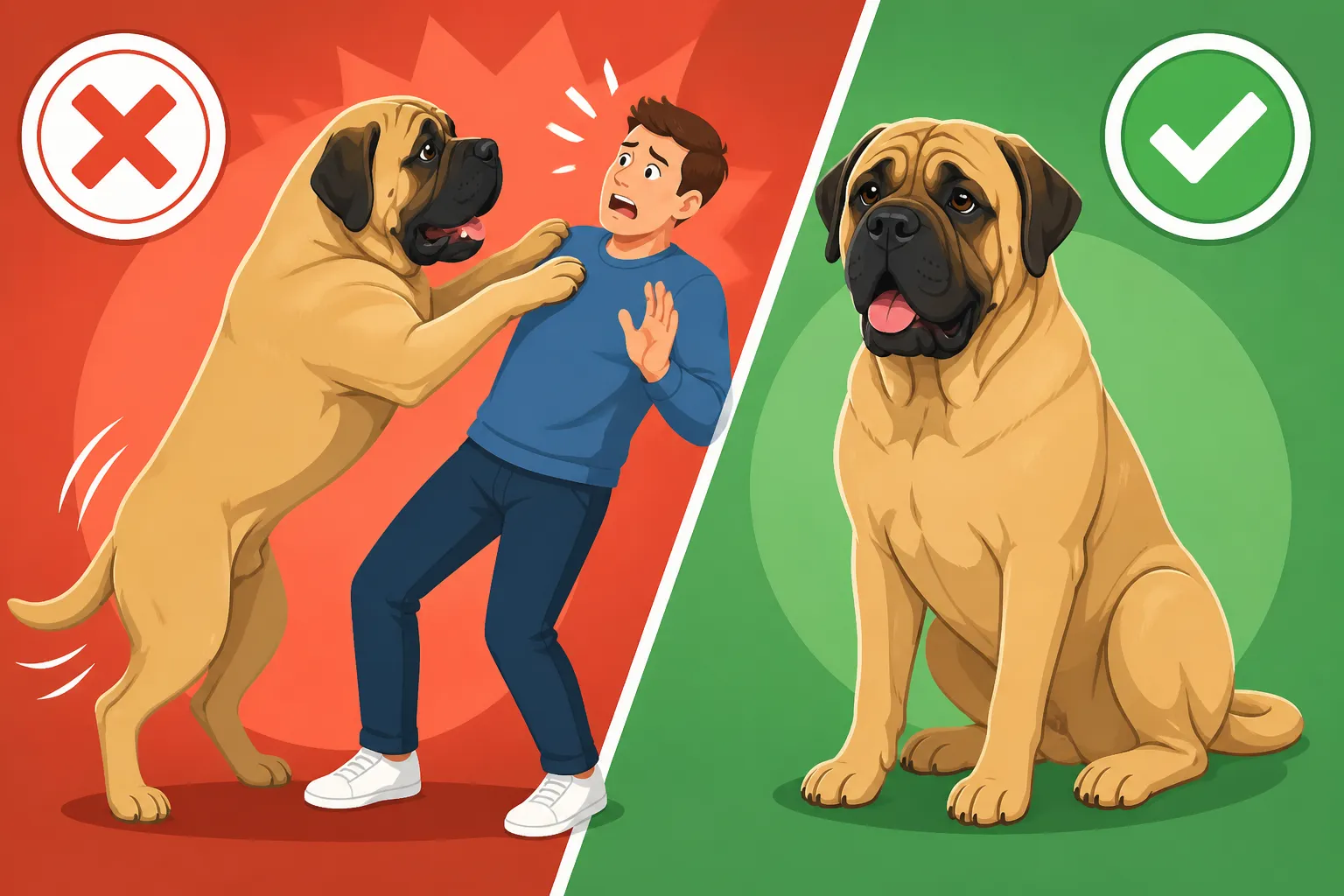
Imagine standing next to a refrigerator, then imagine it suddenly trying to stand on its hind legs and put its front paws on your shoulders. That's essentially what it feels like when a full-grown Mastiff jumps. Their weight, which can easily exceed 150 to 200 pounds (or even more for some males), combined with their height, means they can easily knock over an adult, let alone a child or an elderly person. It’s not just the weight; it's the momentum. When they leap, that incredible mass is moving with surprising speed. This isn't just a nuisance; it's a safety issue. A fall can lead to broken bones, head injuries, or serious sprains. Even if no one falls, the force of their paws can leave bruises, scratches, or tear clothing. You might be accustomed to their enthusiastic greetings, but your grandmother, a small child, or even an unsuspecting delivery driver won't be, and they shouldn't have to risk injury just to enter your home. The sheer power makes early and consistent training not just a suggestion, but a necessity. You need to be able to control your dog, especially before it outweighs you. Teaching a Mastiff Before It Outweighs You is critical.
Why Mastiffs Jump: The Root Causes
Jumping is a natural dog behavior, often rooted in their communication and social structure. For Mastiffs, these instincts are amplified by their imposing presence and sometimes, a lack of clear guidance from their human companions.
Seeking Attention and Greeting Rituals
Dogs jump up for a very simple reason: they want to get closer to your face. In the canine world, sniffing faces is a primary greeting ritual. Puppies, in particular, will jump up to reach their mother's muzzle to lick or get attention. When they carry this behavior into adulthood, especially with a large breed like a Mastiff, they're often just trying to replicate this natural instinct. They see you come in, they're excited, and they want to say hello in the most direct way they know how. If jumping has ever resulted in any form of attention—a touch, a verbal command, even a push-off—the dog learns that jumping works to get a reaction. For a Mastiff that thrives on interaction and connection, even negative attention can reinforce the behavior because it's still attention. They learn, "Ah, jumping gets a response!" which is a huge motivator.
Excitement and Overstimulation
Mastiffs, despite their calm reputation, can get incredibly excited, especially when new people arrive. The sound of a doorbell, the sight of a familiar face, or even the subtle cues that indicate a visitor is approaching can send their anticipation soaring. This surge of excitement often manifests as physical exuberance, and jumping is a common outlet for that energy. They might be truly thrilled to see someone, and without a taught alternative behavior, jumping becomes their default way to express that joy. For some Mastiffs, particularly younger ones, the world is a fascinating place, and any new stimulus can be incredibly exciting. This overstimulation can override any previous training, especially if the training wasn't deeply ingrained. A Mastiff who is usually well-behaved might forget their manners in the face of overwhelming excitement.
Lack of Early Training
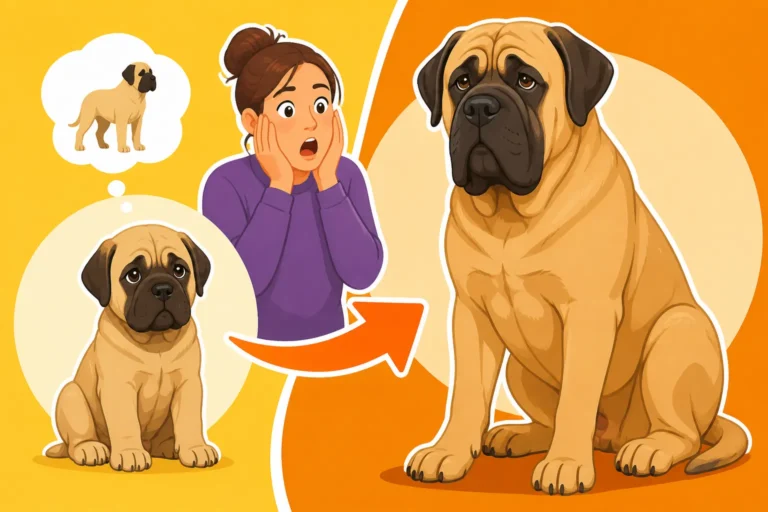
The most common reason for a jumping Mastiff is often a simple lack of consistent, early training. Puppies jump, and it’s often seen as cute when they are small and fluffy. What starts as an adorable puppy greeting quickly becomes problematic as they grow into a massive adolescent. If the behavior isn't addressed firmly and consistently from the very beginning, the Mastiff learns that jumping is an acceptable way to interact with people. Many owners wait until the dog is already too big to easily manage before deciding to tackle the issue, by which point the habit is deeply ingrained. Remember that Mastiff puppies grow incredibly fast, and their manners need to be established well before they reach their full intimidating size. The First Year With a Mastiff Puppy That Doubles in Size is a whirlwind, and early training often gets overlooked. Professional guidance, such as that offered by BAXTER & Bella, can provide structured programs to prevent these habits from forming or address them early on.
The Dangers and Discomfort of a Jumping Mastiff
While often well-intentioned, a jumping Mastiff poses a range of dangers and creates significant discomfort, impacting both safety and social interactions within your home.
Safety Concerns for Guests and Family
This is by far the most critical issue. A Mastiff jumping up can cause serious injury. An elderly visitor could lose their balance and suffer a hip fracture or a severe concussion. A small child could be knocked to the ground, potentially hitting their head, or be frightened by the sheer size and force of the dog. Even a healthy adult can be thrown off balance, leading to sprains, bruises, or worse. Imagine a delivery person, unaware of your dog’s habits, being confronted by a two hundred pound dog suddenly leaping at them; the surprise and potential for injury are immense. Beyond the physical impact, there's also the risk of your Mastiff accidentally scratching or tearing skin with their paws or dewclaws, even if their nails are trimmed. These are not minor inconveniences; they are genuine medical emergencies waiting to happen, and the liability rests with the owner. The Sensitivity Nobody Expects in a Two Hundred Pound Mastiff often means they don't grasp their own strength.
Damage to Property and Personal Space
Beyond physical harm, a jumping Mastiff can cause considerable damage to property. Their paws can leave muddy prints on clothing, scratch furniture, or knock over items on tables or shelves. I’ve seen Mastiffs accidentally send lamps crashing to the floor, or leave permanent paw marks on painted walls from enthusiastic greetings. When your dog jumps, it invades personal space in a way that most people find uncomfortable, even if they love dogs. It's an imposing presence that can make guests feel trapped or threatened, even when the dog's intent is friendly. This constant invasion of personal space can deter friends and family from visiting, and it certainly won't endear your dog to strangers. You might adore your big clumsy dog, but not everyone appreciates a giant paw print on their clean shirt, or the feeling of being backed into a corner.
The Unwanted Reputation
A Mastiff with a jumping habit quickly earns an unwanted reputation. Friends and family might start making excuses not to visit, or they’ll call ahead to ensure your dog is put away. The mail carrier might refuse to deliver to your door. Even people who usually love dogs might become wary of your Mastiff, leading to unfair judgments about the breed itself. This can be heartbreaking for owners who know their Mastiff is a loving companion, but appearances matter, especially when dealing with a breed of this magnitude. This kind of behavior contributes to the misconception that Mastiffs are aggressive or uncontrollable, which couldn't be further from the truth for a well-trained dog. It also makes it harder to take your Mastiff out in public, limiting their socialization and enriching experiences. You want people to see the gentle giant, not the unruly beast.
Preventing Jumping in Mastiff Puppies
The best time to address jumping is when your Mastiff is a small puppy, before it develops into a deeply ingrained habit and before their size becomes a genuine risk. Proactive training is key.
Starting Early: The Foundation of Good Manners
As soon as your Mastiff puppy comes home, typically around eight weeks old, the training should begin. Don't wait until they are big enough to knock you over. Any time your puppy attempts to jump, immediately disengage. Turn your back, walk away, or simply remove your attention. Only give them attention when all four paws are on the floor. This teaches them that jumping equals no attention, while calm behavior earns rewards. Use a consistent phrase like "Off" or "Four on the floor" every time. Reward heavily with praise and a small, high-value treat when they offer an alternative, such as sitting. This is a crucial window for Socializing a Mastiff Puppy Before It Gets Heavy, which includes teaching them how to interact calmly with people. Platforms like BAXTER & Bella offer comprehensive online puppy training programs that can guide new Mastiff owners through these early stages, providing structured lessons and support to build a strong foundation of good manners.
Teaching Alternative Greetings
Instead of jumping, teach your Mastiff puppy an alternative, polite greeting. The most common and effective is the "sit" command. When you approach or when a visitor comes to the door, ask your puppy to sit. Reward them immediately and generously for holding the sit while greeting. Practice this repeatedly. Have family members enter and exit the house, or knock on the door, so you can practice calm greetings in a controlled environment. You can also teach a "place" command, where your puppy goes to a designated mat or bed when someone arrives, and stays there until released. This gives them a job and keeps them out of the direct line of a jump. Remember that Mastiff puppies are still growing and developing; gentle, positive reinforcement methods work best. Avoid harsh corrections, which can make a Mastiff shut down or become fearful. The Mastiff Puppy You Are Not Allowed to Exercise also benefits from mental stimulation like this training, as it channels their energy constructively.
Socialization Beyond the Home
Early and proper socialization is vital for a Mastiff puppy. Expose your puppy to a variety of people, sounds, and environments, always ensuring positive experiences. This helps them become confident and less prone to overexcitement when encountering new situations or people. Take them to quiet pet-friendly stores (if allowed), on walks in parks, or invite different friends over. The goal isn't to let them jump on everyone, but to teach them how to greet calmly in various scenarios. While socializing, always manage their interactions to prevent jumping from being rewarded. Keep greetings brief and on-leash initially if you have concerns. If they start to get bouncy, remove them from the situation and try again when they are calmer. This repeated exposure, coupled with consistent training, will help your Mastiff understand how to interact appropriately with the wider world.
Training an Adult Mastiff to Stop Jumping
Breaking an established jumping habit in an adult Mastiff can be more challenging than preventing it in a puppy, but it is absolutely achievable with patience, consistency, and the right techniques.
Consistency is Key: The "Four Paws on the Floor" Rule
For an adult Mastiff, the core principle remains the same: four paws on the floor always get attention, jumping gets none. Every single person who interacts with your dog must adhere to this rule, without exception. This means no petting, no looking, no talking, and no acknowledgement whatsoever if your Mastiff's paws leave the ground. The moment all four paws are down, even for a split second, immediately reward with calm praise and a treat. If your Mastiff continues to jump, turn your back, cross your arms, and completely ignore them until they settle. If they are particularly persistent, you might need to walk into another room and shut the door for 30 seconds, then re-enter and try again. This teaches them that the desired outcome (attention) only occurs when they are calm. Consistency across all family members and regular visitors is paramount; one inconsistent interaction can set training back significantly.
Managing the Environment and Triggers
Successful training often involves managing the environment to prevent the undesired behavior and set your dog up for success. Identify the triggers for your Mastiff's jumping. Is it the doorbell? The sound of keys? The arrival of a specific person? Once you know the triggers, you can plan.
Consider using management tools:
- Leash Control: Keep your Mastiff on a leash when expecting visitors. This allows you to gently guide them into a sit or down position and keep their paws on the floor.
- Baby Gates/Ex-pens: Use sturdy baby gates or ex-pens to create a barrier between your Mastiff and arriving guests. This prevents the jumping behavior entirely, allowing you to greet your guests calmly before introducing your dog in a controlled manner. You can find robust gates suitable for a Mastiff's size on platforms like Amazon.
- Crate Training: If your Mastiff is reliably crate trained, crating them when guests first arrive can be an excellent management strategy. Once guests are settled, you can bring your Mastiff out, on a leash, for a controlled, calm greeting. Whether a Mastiff Should Be Crated When Guests Arrive provides more insight.
By controlling the environment, you reduce the opportunities for your Mastiff to practice the unwanted behavior, making training more effective.
Professional Help for Persistent Jumpers
If you've been consistent and are still struggling to curb your Mastiff's jumping, don't hesitate to seek professional help. A certified professional dog trainer or behaviorist can offer tailored strategies and hands-on guidance. They can observe your Mastiff's behavior in real-time, identify subtle triggers you might have missed, and teach you advanced techniques. They can also provide support for specific challenges, such as a Mastiff who gets overly excited or exhibits other challenging behaviors. Look for trainers who specialize in positive reinforcement and understand giant breeds. Online resources, like those offered by BAXTER & Bella, also have programs for adult dogs and can be a fantastic resource if in-person training isn't readily available or if you prefer a self-paced approach with professional support. They can also help you understand The Stubbornness That Is Actually a Mastiff Thinking and how to work with their unique learning style.
Managing Visitors and Your Jumping Mastiff
Even with excellent training, situations will arise where proactive management of your Mastiff and clear communication with your visitors become essential to maintaining good manners.
Pre-Visit Preparation and Communication
Before any guest arrives, prepare both your Mastiff and your visitor.
- For your Mastiff: Ensure they've had a potty break and some mental stimulation. A tired Mastiff is generally a calmer Mastiff. Put them on a leash or behind a gate before the doorbell even rings.
- For your visitors: Communicate expectations clearly. Send a text or mention beforehand, "Bruno is working on his manners, so please ignore him completely until he has all four paws on the floor. Don't pet him until I give the signal." Emphasize that ignoring jumping is not rude to the dog, but part of their training. Explain the "no eye contact, no talking, no touching" rule if the dog jumps. This empowers your guests to be part of the solution rather than accidentally reinforcing the problem. Many people, out of politeness or affection for dogs, might inadvertently make the problem worse if they haven't been briefed.
Controlled Greetings and Containment
When visitors arrive, implement a controlled greeting strategy.
- Initial Confinement: Have your Mastiff on a leash, or behind a sturdy baby gate or in their crate, when the door opens. This prevents an immediate, uncontrolled jump.
- Calm Entry: Allow your guests to enter and settle in without your Mastiff rushing them.
- Leashed Introduction: Once guests are calm and seated (or standing in a designated area), bring your Mastiff out on a leash. Give a clear "sit" command. Reward lavishly when they comply.
- Supervised Interaction: Only when your Mastiff is sitting calmly with all four paws on the floor should guests be invited to offer a slow, gentle pet. If the Mastiff attempts to jump, the attention immediately stops, the guest turns away, and you calmly redirect your Mastiff back to a sit. This ensures that calm behavior is always rewarded.
- Longer Visits: For longer visits, if your Mastiff has done well with initial greetings, you can slowly extend the time they are allowed to interact off-leash, but always keep an eye out for signs of overexcitement. If necessary, calmly put them back on the leash or behind the gate for a brief "time-out" to reset.
| Behavior to Discourage | Corrective Action for Owner | Desired Alternative Behavior | Reward for Desired Behavior |
|---|---|---|---|
| Jumping up on people | Turn back, cross arms, ignore. Walk away if persistent. | Four paws on the floor (Sit) | Calm praise, high-value treat, gentle pet. |
| Nudging/Pawling for attention | Ignore until calm. | Sit calmly, lie down. | Calm praise, treat, attention. |
| Excessive barking at door | Redirect to "place" or quiet command. | Quiet, settled in designated area. | Verbal praise, treat (after quiet has been held). |
| Bouncing/Mouthiness (puppy) | Immediately stop play, redirect to appropriate chew toy. | Gentle play with toy. | Enthusiastic praise for playing with toy. |
Long-Term Management Strategies
Managing a jumping Mastiff is often an ongoing process, not a one-time fix. It requires consistent reinforcement of good habits.
- Daily Practice: Continue to practice calm greetings even when no one is visiting. Practice having family members come through the door, reinforcing the "sit" and "stay" commands.
- Exercise and Mental Stimulation: Ensure your Mastiff gets adequate physical exercise and mental enrichment every day. A bored or under-exercised Mastiff is more likely to exhibit unwanted behaviors. Even though a Mastiff's exercise needs aren't extreme, regular walks and playtime are important. Why One Hour a Day Is Enough for a Mastiff clarifies this.
- Review and Adjust: Periodically review your training approach. Is something no longer working? Is there a new trigger? Adjust your strategies as needed. Consider new tools available, such as puzzle toys from Amazon to keep their minds engaged, or revisiting specific training modules if you are using an online program like BAXTER & Bella.
- Advocacy: Be an advocate for your Mastiff. Don't be afraid to politely correct guests who encourage jumping, even accidentally. Your dog's safety and reputation are worth the slight social discomfort. With consistent effort, your Mastiff will learn that polite, four-on-the-floor greetings are the most rewarding way to welcome anyone into their home.
Disclaimer
This article is for general informational purposes only and does not constitute professional advice. Laws, prices and regulations vary by location and change over time. Consult a qualified professional for guidance on your specific situation.