Whether a Mastiff Is Safe With Toddlers
Bringing a magnificent Mastiff into a home with little ones is often a cherished dream for families, imagining that iconic gentle giant watching over their small charges. However, the sheer size and inherent instincts of a Mastiff, combined with the unpredictable nature of toddlers, present a unique set of challenges and responsibilities that extend far beyond simply having a "good dog." This guide will delve deep into the realities of this dynamic, offering a candid look at what makes this pairing both potentially wonderful and undeniably complex, helping you understand how to navigate the specific concerns that arise when a Mastiff shares its space with toddlers.
Understanding the Mastiff Temperament
Mastiffs are renowned for their calm demeanor and loving nature, often referred to as "gentle giants." Yet, this broad description can sometimes gloss over the nuances of their individual personalities and the powerful instincts bred into them over centuries. When toddlers are in the picture, understanding these subtleties becomes absolutely critical.
The Gentle Giant Myth vs. Reality
While it's true that many Mastiffs are incredibly tolerant and patient, the "gentle giant" label can sometimes create a false sense of security. A Mastiff's immense size means that even an accidental bump or an enthusiastic tail wag can send a small child flying. Their gentleness doesn't negate their physical reality. It's not about malice; it's about physics. Imagine a two-hundred-pound dog turning quickly in a hallway, completely unaware of a tiny human at knee level. That's a reality check many new Mastiff owners don't fully grasp until it happens.
Furthermore, every dog, regardless of breed, has a unique personality influenced by genetics, early experiences, and training. Not all Mastiffs are born with the same level of patience or social acumen. Some may be more aloof, some more sensitive, and some might simply be less tolerant of unpredictable movements or loud noises – all common toddler behaviors. It's crucial to evaluate your individual Mastiff's temperament honestly, rather than relying solely on breed stereotypes.
Natural Guarding Instincts
Mastiffs were historically bred as guardians, tasked with protecting estates and families. This deep-seated instinct often manifests as a watchful, sometimes territorial, nature. While they aren't typically "attack dogs," their protective instincts mean they are highly attuned to their environment and the people within it. A Mastiff might perceive a stranger approaching your toddler, even a well-meaning one, as a potential threat, and might position itself between the child and the perceived intruder. This is where vigilance comes in.
This guarding tendency extends to their "flock" – your family, including your toddler. This can be a double-edged sword. While it’s comforting to know your Mastiff is protective, it also means you need to be acutely aware of how they interpret situations. A toddler's sudden scream, a play-fight with a sibling, or even a frustrated tantrum could be misread by a Mastiff as a threat to their tiny human. Teaching your Mastiff appropriate boundaries and responses in such situations is paramount. How a Mastiff Judges a Stranger at the Door offers more insight into their protective nature.
Sensitivity and Patience
Mastiffs are surprisingly sensitive souls beneath their stoic exterior. They respond best to calm, consistent, positive reinforcement training and can easily become withdrawn or anxious if subjected to harsh corrections or overwhelming situations. This sensitivity plays a significant role in their interactions with toddlers, who are, by their very nature, anything but calm and predictable. A Mastiff might endure a fair amount of tugging or leaning, but repeated discomfort or being startled can wear on their patience.
Their patience, while generally high, is not limitless. Just like any living being, they have a threshold. A toddler's relentless pursuit, sudden grabs, or intrusive behaviors (like trying to "ride" the dog or pull an ear) can eventually lead to a Mastiff retreating, or worse, snapping out of frustration or fear. It's our responsibility as owners to be the buffer, to read our dog's subtle cues of discomfort, and to intervene long before they reach their breaking point. Learn more about their emotional depth in The Sensitivity Nobody Expects in a Two Hundred Pound Mastiff.
Physical Realities: Size and Strength
The most striking feature of a Mastiff is, without a doubt, its colossal size. This isn't just a matter of aesthetics; it dictates everything from their daily care to how they must interact with the smallest members of your family. Ignoring this physical reality is a recipe for potential accidents.
Accidental Injuries are a Real Concern
Even the most well-behaved Mastiff can cause an accidental injury to a toddler. Imagine a dog that can easily weigh two hundred pounds, standing taller than a four-year-old on all fours. A wagging tail, thick as a baseball bat, can knock a child off balance or strike them in the face. A clumsy step, a sudden shift of weight, or a playful nudge could inadvertently send a small child sprawling. These aren't intentional acts of aggression; they are simply the consequences of immense size and density interacting with fragility.
Consider the simple act of a Mastiff getting up from a nap. They often stretch, groan, and lumber to their feet. If a toddler happens to be playing nearby, perhaps even leaning against the sleeping giant, they can easily be knocked over or trampled as the dog moves. The force involved in such a movement, even if slow and deliberate, is substantial. This highlights why constant, active supervision is not a suggestion, but a crucial safety protocol.
A Mastiff's Unintentional Clumsiness
Mastiffs, despite their imposing presence, can be surprisingly clumsy. They are large, sometimes gangly, especially as adolescents, and often less agile than smaller, more athletic breeds. They might misjudge distances, bump into furniture, or simply not be aware of their entire body, particularly their hindquarters, when navigating a crowded space. This lack of fine motor control, when combined with a toddler's presence, introduces another layer of risk.
Their massive paws alone can be a hazard. A playful paw swat, intended as a gentle invitation to play with an adult, could be overwhelming or even harmful to a toddler. Moreover, a Mastiff might lean against people, a common affectionate behavior, which can easily knock a small child down. Understanding How Much Force a Mastiff Can Apply on a Leash gives you a sense of their raw power, which translates even into their everyday, seemingly benign movements around the house.
The Sheer Bulk of a Growing Puppy
Bringing a Mastiff puppy into a home with toddlers might seem less intimidating at first glance because, well, they're "just puppies." But a Mastiff puppy is a rapidly growing creature. They gain weight at an astonishing rate, doubling in size what seems like weekly. What starts as a cute, albeit hefty, eight-week-old bundle quickly becomes a sixty-pound adolescent, then a hundred-pound teenager, all within months. This rapid growth phase is often accompanied by an increase in energy, less spatial awareness, and the tendency to play rough.
A Mastiff puppy also goes through phases of mouthing and nipping, which is normal puppy behavior for exploring the world and learning bite inhibition. While acceptable for adult human skin, these sharp puppy teeth can easily injure a toddler. Furthermore, their skeletal system is still developing, making them vulnerable to injury from excessive exercise or rough play. It’s imperative to manage a Mastiff puppy's growth carefully; Why a Mastiff Puppy Must Not Be Exercised Hard explains the delicate balance. Ignoring their accelerating bulk and puppy antics during this critical stage can lead to both physical harm for the child and poor behavioral habits for the dog.
Toddler Behavior and Mastiff Reactions
Toddlers, with their boundless energy, insatiable curiosity, and often unfiltered emotions, are a whirlwind of unpredictability. These very traits, while endearing to their parents, can be confusing, startling, or even threatening to a dog, especially one as large and sensitive as a Mastiff.
Unpredictable Movements and Loud Noises
Toddlers operate on an entirely different frequency than calm, collected adults. They run erratically, squeal with delight (or frustration), drop things with a bang, and move with jerky, uncoordinated motions. These sudden, unpredictable movements and piercing noises can be genuinely startling to a dog, particularly one that values peace and quiet. A Mastiff, startled by a sudden shriek or a child running directly at them, might react instinctively by flinching, trying to escape, or even vocalizing.
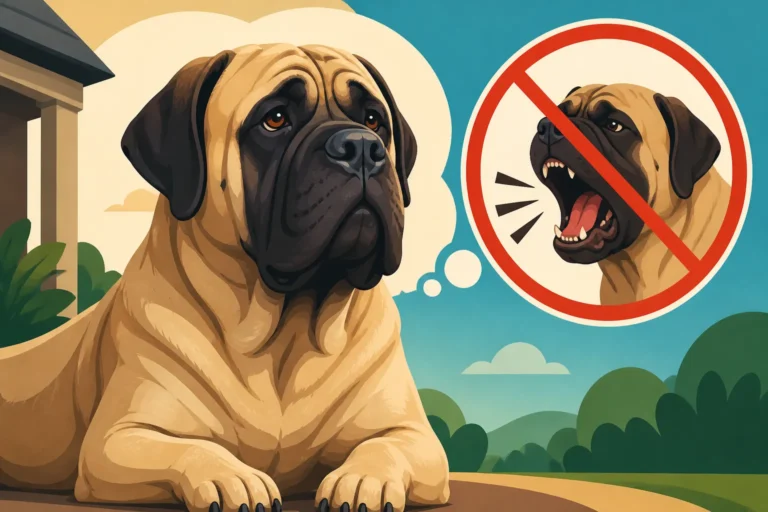
While most Mastiffs are not prone to excessive barking, a startled "woof" from a dog of this size is enough to terrify a small child and can escalate an already tense situation. Their How Rarely a Mastiff Barks is a testament to their generally quiet nature, making any sudden vocalization all the more impactful. It's easy for us to rationalize a toddler's behavior, but dogs interpret the world differently, relying on body language and consistent cues. Lack of consistent cues from a tiny human can create anxiety for the dog.
Pulling, Poking, and Climbing
Children, especially toddlers, explore the world with their hands and mouths. This naturally extends to the family dog. Ears, tails, fur, eyes – anything within reach becomes a target for a curious tug, a firm poke, or an experimental climb. For a Mastiff, these are often uncomfortable and intrusive behaviors. While a well-socialized Mastiff might tolerate a surprising amount, prolonged or painful interactions can lead to distress or a defensive reaction.
Imagine a toddler pulling on a Mastiff's ear, or trying to straddle their back like a pony. Even if the Mastiff is trying to be patient, this can cause real pain or discomfort. It's unrealistic to expect a dog to indefinitely endure such treatment without showing signs of stress. This is where the concept of "lunge and learn" comes in for children – they need to be taught how to interact gently, and until they understand, it's the adult's job to prevent these situations entirely. Whether a Mastiff Tolerates Rough Handling From Children is a crucial read for any family considering this breed.
Resource Guarding and Personal Space
Even the most mellow Mastiff can develop resource guarding tendencies, especially around high-value items like food, toys, or even their favorite resting spot. When a toddler, unaware of canine etiquette, approaches a Mastiff's food bowl or tries to grab a cherished toy, it can trigger a defensive reaction. This isn't necessarily aggression, but a protective instinct over their possessions or personal space.
Similarly, a Mastiff needs a safe, undisturbed place to retreat. Toddlers, however, are notorious for invading personal space. A Mastiff trying to nap might find a toddler crawling into their bed, or interrupting their quiet time. Without a designated "safe zone" for the dog, where they are never bothered, stress can build, increasing the likelihood of an adverse reaction. Respecting the Mastiff's space and resources is a non-negotiable part of living harmoniously with toddlers.
Setting Up for Success: Training and Management
Successfully integrating a Mastiff and toddlers isn't about hoping for the best; it's about meticulous planning, consistent training, and unwavering supervision. You are the architect of their peaceful coexistence.
Crucial Early Socialization
Starting early with your Mastiff puppy's socialization is paramount. This means exposing them to a wide variety of sights, sounds, people, and appropriate experiences from a young age. However, "socialization" doesn't mean letting everyone maul your puppy. It means controlled, positive experiences that build confidence and teach appropriate responses. Introduce your puppy to children in a calm, supervised manner, ensuring positive associations with treats and praise.
For a Mastiff, especially, early socialization should include exposure to typical household noises, sudden movements, and varied environments. This helps them become resilient to the unexpected actions of a toddler. Online resources like BAXTER & Bella offer comprehensive puppy training programs that emphasize positive socialization techniques, which can be immensely helpful for first-time owners or those with specific family dynamics. Remember, a well-socialized dog is better equipped to handle novel or startling situations. You can find more detail on this in Socializing a Mastiff Puppy Before It Gets Heavy.
Teaching Calmness and Boundaries
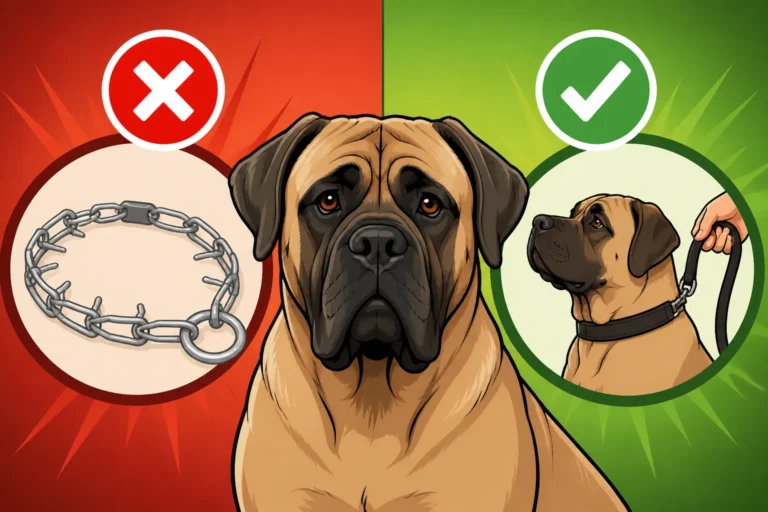
From day one, a Mastiff needs to learn impeccable manners, particularly "leave it," "stay," "down," and walking politely on a leash without pulling. A Mastiff that drags an adult around cannot safely coexist with a toddler. Teaching them to move calmly through the house, to settle on command, and to respect boundaries is essential. This training needs to be consistent, fair, and positive. Never use force or intimidation, as it can backfire and make a sensitive Mastiff fearful or defensive.
One of the most important lessons is teaching your Mastiff to stay on their bed or in their designated safe space when instructed. This provides a crucial management tool for times when the toddler is particularly rambunctious or when you need a moment of separation. Reward generously for calm, settled behavior. Teaching a Mastiff Before It Outweighs You emphasizes the importance of starting these lessons while your Mastiff is still a manageable size.
Supervision is Non-Negotiable
This cannot be stressed enough: a Mastiff and a toddler should never be left unsupervised together, not even for a second. This means constant, active adult presence. Even if you just step out of the room for a moment, the toddler should either come with you, or the dog and child should be safely separated. This isn't about distrusting your Mastiff; it's about acknowledging the inherent risks of two creatures with vastly different understandings of the world.
Active supervision means you are not just in the same room, but actively observing their interactions, ready to intervene. This includes being able to read your Mastiff's subtle body language cues that indicate stress or discomfort, such as lip licking, yawning, turning away, or a stiff posture. Intervene before a situation escalates. If you need to attend to something else, use physical barriers. Whether a Mastiff Should Be Supervised With Toddlers delves deeper into why this is so critical.
Creating Safe Spaces for Both
Both your Mastiff and your toddler need their own personal, inviolable safe spaces. For the Mastiff, this might be a crate, a designated dog bed in a quiet room, or a section of the house gated off with a sturdy baby gate. This is a place where they can retreat and be guaranteed not to be bothered by the toddler. Teach your children from the earliest age that when the dog is in their bed or crate, they are off limits.
For the toddler, a playpen or a separate, child-proofed room serves a similar purpose. This provides a safe zone where they can play freely without the risk of interacting with the dog, intentionally or accidentally. Investing in sturdy baby gates, readily available on platforms like Amazon, is non-negotiable for creating these vital boundaries. These physical barriers are your best friends in managing interactions and ensuring safety.
Red Flags and When to Seek Help
Even with the best intentions and diligent efforts, sometimes a Mastiff-toddler dynamic can become strained. Recognizing the warning signs and knowing when to seek professional intervention is crucial for the safety and well-being of everyone in the household.
Signs of Discomfort or Stress in Your Mastiff
It’s vital to become fluent in canine body language, especially the subtle signals your Mastiff might be giving to express discomfort or stress. These signs are often easily missed by untrained eyes, but they are critical warnings that a dog is feeling overwhelmed. Look for:
- Lip licking or yawning (when not tired): These are often appeasement gestures, indicating stress.
- Turning away or avoiding eye contact: The dog is trying to disengage from the situation.
- Stiff body posture or whale eye (where the whites of the eyes are visible): A clear sign of tension and unease.
- Panting (when not hot or exercised): Can indicate anxiety.
- Hiding or retreating repeatedly: The dog is actively seeking to escape interactions.
- Growling (even a soft one): This is a serious warning. It means the dog feels it has no other option to communicate its discomfort. Do not punish a growl, as it suppresses a valuable warning signal.
Any of these signs, particularly when observed in conjunction with toddler interactions, should be a red flag prompting immediate separation and reassessment of your management strategy. Ignoring these subtle cues forces the dog to escalate its communication, potentially leading to more serious reactions.
Aggression, Growling, and Snapping
Any overt display of aggression – growling, snapping (even if no contact is made), lunging, or biting – is a critical emergency and signals that the situation is no longer safe without immediate, drastic changes. A single incident of aggression towards a child is not something to dismiss as "just a warning" or "out of character." It means the dog has been pushed past its limits, and it's communicating a serious threat.
If your Mastiff ever growls at, snaps at, or makes contact with a toddler, you must immediately separate them and keep them separated. Do not attempt to "punish" the growl, as this teaches the dog not to warn you, making future incidents more dangerous. Instead, understand that the growl is the warning. This kind of behavior requires immediate professional help from a certified dog behaviorist. Trying to manage this on your own is incredibly risky and could lead to severe consequences. Whether a Mastiff Would Actually Bite discusses the gravity of such situations.
When to Call a Professional Trainer or Behaviorist
Don't wait until an incident occurs to seek help. If you're struggling with your Mastiff's behavior, their interactions with your toddler, or simply feel overwhelmed by the responsibility, it's always wise to consult a professional. A certified professional dog trainer or a veterinary behaviorist can observe your specific household dynamics, assess your Mastiff's temperament, and provide tailored strategies and training plans. They can help you implement safe management techniques, teach your Mastiff appropriate behaviors, and even guide you on how to teach your children to interact respectfully with dogs.
Look for professionals who use positive reinforcement methods and have experience with large breeds and family dynamics. Online training platforms, like BAXTER & Bella, also sometimes offer virtual consultations that can be a good starting point. Early intervention from an expert can prevent problems from escalating and help create a safer, more harmonious home environment for everyone. Sometimes, the honest answer might be that this particular dog and toddler combination is not safe, and a difficult decision may need to be made for everyone's well-being.
Comparing Mastiff Traits and Toddler Behaviors
To truly understand the challenges, it's helpful to see a direct comparison of inherent Mastiff traits against common toddler behaviors, and the necessary management strategies.
| Mastiff Trait | Typical Toddler Behavior | Potential Conflict Point | Management Strategy |
|---|---|---|---|
| Large Size/Weight | Small, unsteady, at knee height | Accidental bumps, knocking over | Constant supervision, dedicated safe zones, leash control |
| Protective Instincts | Approaches strangers, sudden movements | Misinterpretation as a threat | Early socialization, controlled introductions, training "settle" |
| Sensitivity to Noise/Movement | Loud shrieks, erratic running | Startles dog, fear reaction | Exposure to sounds, desensitization, dog's quiet retreat |
| Need for Personal Space | Invades space, climbs, leans | Stress, defensive reactions | Dog's safe zone (crate/bed), child gates, "leave it" command |
| Resource Guarding (potential) | Grabs toys/food, curious exploration | Growling, snapping over possessions | Separate feeding, secure toy storage, trading games, expert advice |
| Slow, Deliberate Movement | Quick, unpredictable, gets underfoot | Trip hazard, accidental stepping | Leash control indoors, teaching "wait" and "place" |
| Powerful Tail Wag | Face level for sitting child | Accidental injury to face/head | Teach "soft tail," safe zones, discourage tail chasing |
Disclaimer
This article is for general informational purposes only and does not constitute professional advice. Laws, prices and regulations vary by location and change over time. Consult a qualified professional for guidance on your specific situation.