Whether a Mastiff Can Hike
There's a lovely dream many of us share: envisioning our majestic Mastiffs gracefully scaling mountains or trotting effortlessly alongside us for miles through breathtaking landscapes. The reality, however, often brings a gentle thud back to earth. While the desire to share adventures with your beloved giant is strong, a Mastiff's unique physical makeup means that traditional "hiking" as most people understand it might not be the best fit for them. This guide aims to help you understand your Mastiff's capabilities, what kind of outdoor activities are truly safe and enjoyable for them, and how to prepare for those adventures responsibly.
Understanding the Mastiff's Physical Capabilities for Hiking
It’s tempting to look at your powerful Mastiff and imagine them as a rugged mountain dog, but their impressive size and bulk come with specific limitations that are crucial to understand before hitting any trail. These aren't built-for-endurance dogs; they are heavy, robust guardians whose bodies are not designed for sustained, high-impact exertion.
Breed-Specific Limitations
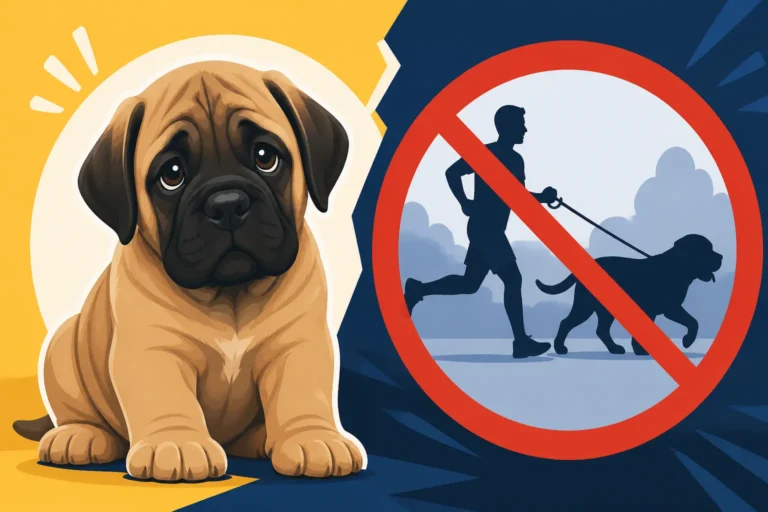
The very traits that make Mastiffs so awe-inspiring – their immense size, deep chests, and heavy bone structure – are precisely what limit their suitability for strenuous activities like prolonged hiking. Their considerable weight places significant stress on their joints, even during normal everyday movement. Imagine carrying an extra person on your back during a hike; that's akin to the constant pressure on a Mastiff's frame. Conditions like hip and elbow dysplasia are unfortunately common in the breed, and high-impact activities can exacerbate these issues or bring them to the forefront prematurely. We often talk about Why a Mastiff's Hips Fail Under Its Own Weight, and adding the stress of uneven terrain or long distances can be a recipe for discomfort or injury. Similarly, Elbow Dysplasia Affects One Mastiff in Seven, and pushing them too hard can quickly worsen any underlying elbow problems. Their growing years are particularly vulnerable, which is why Why a Mastiff Puppy Must Not Be Exercised Hard is such a critical piece of advice.
Beyond joint concerns, Mastiffs are also prone to overheating. Their massive body mass, combined with a relatively thick coat, makes it difficult for them to efficiently dissipate heat. Unlike leaner, more athletic breeds, a Mastiff's internal furnace runs hot, and they struggle in warm weather or during intense exercise. What might feel like a pleasant walk to you could be putting your Mastiff at risk of heatstroke. This isn't just a comfort issue; it's a serious health concern, and understanding Why Bulk Makes a Mastiff Overheat is paramount for any owner considering outdoor adventures. Their physiology simply isn't engineered for the sustained effort required for typical hiking.
Stamina and Endurance
When you think of a hiking companion, you likely picture a dog that can go for miles, keeping pace and enjoying the journey. A Mastiff's stamina and endurance are fundamentally different. They are built for short bursts of activity, followed by long periods of rest. Think of their historical role: guarding, deterring, rather than chasing prey over vast distances. A quick patrol of the yard, a short play session, or a leisurely stroll around the block is often the extent of their comfortable exertion. They have powerful muscles, but those muscles tire quickly under their own substantial weight.
Don't be fooled by their initial enthusiasm; a Mastiff might start a walk with gusto, but they'll often "hit a wall" much sooner than you'd expect from a dog their size. As they age, this limitation becomes even more pronounced. An older Mastiff, typically considered "senior" around five or six years old, will find any prolonged physical activity challenging. Understanding The Age a Mastiff Starts to Slow will help you manage expectations and tailor activities to their changing needs. Pushing a Mastiff past their comfort zone not only risks physical injury but can also lead to mental discomfort and resistance to future outings. Their "stubbornness" is often their body telling them they've had enough.
Preparing Your Mastiff for Trail Adventures
While traditional long, strenuous hikes might be off the table, that doesn't mean you and your Mastiff can't enjoy the great outdoors together. The key is in thoughtful preparation, gradually building their capacity, and ensuring they have the foundational training to be safe and pleasant companions.
Building Stamina Gradually
The concept of "gradual conditioning" is absolutely vital for a Mastiff. You wouldn't expect a human couch potato to run a marathon tomorrow, and the same principle applies with even more gravity to a giant breed. Start incredibly slow, with short, flat walks on soft surfaces like grass or dirt paths. Think five to ten minutes, then gradually extend the time and distance by only a few minutes each week, always observing your Mastiff for any signs of fatigue, lameness, or overheating. It's far better to err on the side of caution than to push too hard and risk injury or a setback. Pay close attention to their breathing, gait, and overall demeanor. Are they lagging behind? Are they panting excessively? These are cues that it's time to rest or head home.
Consistency is more important than intensity. Regular, moderate exercise builds muscle tone, improves cardiovascular health, and helps maintain a healthy weight without overtaxing their joints. This is especially critical during their developmental stages, where growth plates are still open. Remember the advice about Why a Mastiff Puppy Must Not Be Exercised Hard; even adult Mastiffs benefit from this measured approach. Incorporate short bursts of playful activity interspersed with rest, allowing their massive bodies time to recover. Think of it as cultivating a gentle fitness routine rather than training for an endurance sport.
Training for Trail Manners
Before you even consider venturing onto a trail, your Mastiff needs impeccable leash manners and a solid grasp of basic obedience commands. A 200-pound dog pulling on a leash isn't just inconvenient; it's a safety hazard for both of you, not to mention other trail users or wildlife. Imagine your Mastiff suddenly deciding to dart after a squirrel or plant itself firmly, refusing to move. As we often discuss, A Mastiff Does Not Pull You Over, It Simply Stops, and getting them to move when they've decided otherwise can be a monumental challenge. Training should begin early and be consistent, focusing on positive reinforcement to make walks an enjoyable experience.
A strong "leave it" command is non-negotiable for preventing them from investigating questionable items on the trail, from discarded food wrappers to potentially harmful plants. "Stay" and "come" are also crucial for moments when you need them to be still or return to your side immediately, especially if you encounter other dogs, children, or unexpected obstacles. For a comprehensive approach to training from puppyhood, resources like BAXTER & Bella offer online programs that can help instill good habits before your Mastiff reaches their full, formidable size. Investing in their training early makes every outing, whether a walk around the block or a gentle trail meander, infinitely safer and more enjoyable.
Navigating Different Types of Terrain and Climates
Choosing the right environment for your Mastiff's outdoor excursions is just as important as their physical conditioning and training. Not all trails are created equal, especially when you have a giant breed by your side. Thoughtful selection of terrain and careful consideration of the weather will ensure a positive experience for everyone.
Suitable Trail Conditions
When selecting a trail for your Mastiff, think "gentle." The ideal path is relatively flat, with a soft, forgiving surface. Paved paths can be okay for very short durations, but prolonged walking on hard asphalt or concrete can be jarring on their large joints. Unpaved dirt paths, wood chip trails, or grassy parkland are much more forgiving. Avoid anything with steep inclines or declines, as these put immense strain on their hips, knees, and elbows. Think about how difficult it is for a large dog to navigate stairs; similar physics apply to hills.
Rocky terrain is a definite no-go. Sharp rocks can injure sensitive paw pads, and uneven surfaces increase the risk of slips, falls, and joint twists. A Mastiff's sheer weight means a minor stumble can result in a significant injury. Slippery surfaces, like wet leaves or mud, are also hazardous as their body mass makes it difficult for them to regain balance. Traction is paramount, and as we've noted, What Bare Floors Do to a Growing Mastiff can highlight how crucial stable footing is for these giants. Look for trails that offer plenty of shade, especially if you're out during warmer parts of the day, to help mitigate the risk of overheating.
Managing Heat and Cold
Temperature is perhaps the single most important factor to consider when taking a Mastiff outdoors. Due to their size and deep chest, they are highly susceptible to overheating. During warmer months, plan your "hikes" for the very early morning or late evening when temperatures are cooler. Avoid midday excursions entirely. Watch for Signs a Mastiff Is Overheating, such as excessive panting, drooling, weakness, stumbling, or a dark red tongue. These are emergency signals, and you must act immediately to cool them down and seek veterinary attention. Always carry plenty of fresh water for your Mastiff and offer it frequently. Portable dog bowls are a must, and a cooling vest or bandanna can provide some relief on warm days.
While heat is the primary concern, extreme cold also warrants attention, though Mastiffs generally tolerate it better than heat. However, Whether a Mastiff Feels the Cold can depend on their individual health, age, and coat thickness. Older Mastiffs or those with underlying health issues might benefit from a protective coat in very cold, wet, or windy conditions. Pay attention to their paw pads; ice, salt, and freezing temperatures can cause discomfort or injury. Short, brisk walks are better than prolonged exposure in bitter cold. The goal is always to keep them comfortable and safe, prioritizing their well-being over covering long distances.
Essential Gear and Safety for Hiking with a Mastiff
Embarking on any outdoor adventure with a Mastiff requires more than just a leash and a collar. Given their size, strength, and specific needs, having the right gear and being prepared for potential emergencies is not just good practice, it's essential for a safe and enjoyable outing.
Leashes, Harnesses, and Water Gear
Choosing appropriate gear for a Mastiff is critical. A sturdy, non-extendable leash made of durable material (like nylon webbing or leather) is a must. A standard retractable leash simply isn't safe for controlling a dog of this magnitude. For harnesses, look for options specifically designed for giant breeds that distribute pressure evenly across their chest and shoulders, rather than putting strain on their neck. A front-clip harness can be incredibly effective for managing a Mastiff that tends to pull, giving you more control without causing discomfort. Brands found on platforms like Amazon often carry a good selection of heavy-duty, giant-breed specific harnesses. As we've explored in Whether a Mastiff Should Wear a Harness or a Collar, a harness is generally preferred for large dogs, especially to protect their neck and throat during walks.
Water is paramount. You should always carry significantly more water than you think you'll need, for both you and your Mastiff. Collapsible water bowls or bottle attachments make it easy to offer a drink whenever you pause. Electrolyte solutions designed for dogs can also be beneficial on longer, warmer outings to help prevent dehydration. Consider a small backpack for your Mastiff (once they are fully mature and conditioned) to carry their own water and a few essentials, but ensure it's lightweight and fits comfortably without restricting movement.
First Aid and Emergency Preparedness
Even on a well-planned, gentle outing, accidents can happen. A basic canine first aid kit is an absolute necessity. This should include bandages, antiseptic wipes, sterile saline solution, tweezers (for splinters or ticks), paw balm, and any prescribed medications your Mastiff needs. Know how to recognize common trail injuries like cuts, scrapes, or lameness. More importantly, understand the unique challenges of handling an emergency with a Mastiff. Their size means that if they get injured or become ill on the trail, moving them can be incredibly difficult, if not impossible, for one person.
In a true emergency, such as a severe injury or collapse, you might need to call for assistance. Be aware of your location and have a fully charged phone. Consider carrying an emergency lifting sling or heavy-duty blanket specifically designed to help move large, incapacitated dogs. It sounds dramatic, but it's a realistic consideration for a Mastiff owner. How a Clinic Moves a Collapsed Mastiff gives you a hint of the logistical challenges involved, and on a trail, those challenges are compounded. Always inform someone of your planned route and estimated return time, especially if you're venturing into less-trafficked areas. Preparedness isn't about fear; it's about responsibility and ensuring you can provide the best care for your gentle giant, no matter what happens.
Alternatives to Traditional Hiking for the Mastiff
While the image of a Mastiff scaling a mountain might be a romantic one, the reality is that many traditional hiking activities are simply not suitable or safe for these magnificent giants. But that doesn't mean you can't enjoy fulfilling and enriching outdoor experiences together. The key is to shift your perspective and focus on activities that cater to their unique physical and mental needs.
Enjoying Nature at Their Pace
Instead of aiming for miles and elevation gains, consider what your Mastiff truly enjoys: leisurely exploration, sniffing new smells, and spending quality time with you. Think of your outdoor excursions as "nature strolls" rather than "hikes." Flat, shaded paths in local parks, botanical gardens (where dogs are permitted), or even large, grassy fields are perfect settings. These environments offer novelty and sensory stimulation without the physical demands of rugged trails. Allow your Mastiff to stop frequently, sniff every interesting scent, and simply be in nature. This mental enrichment is often more beneficial and less strenuous than a forced march.
Short, frequent walks are far superior to one long, exhaustive one. For many Mastiffs, Why One Hour a Day Is Enough for a Mastiff of gentle activity is plenty. Break up that hour into two or three shorter outings. This approach helps keep their joints limber, their muscles toned, and their minds engaged without pushing their physical limits. Consider visiting dog-friendly lakes or calm riverbanks where they can wade or stand in shallow water on a warm day for a gentle, low-impact cool-down. Always ensure the water is clean, safe, and easily accessible for a large dog to enter and exit.
Mind-Stimulating Activities
Many Mastiffs are incredibly intelligent and thrive on mental stimulation. If intense physical activity isn't their forte (and for most, it isn't), then engage their magnificent minds! Scent work is a fantastic alternative that taps into their natural instincts and provides immense satisfaction without putting any strain on their bodies. You can hide treats or toys along a short, flat path and encourage them to find them, turning a simple walk into an engaging "sniffari." This is exactly why Scent Work as a Mastiff's Low Impact Sport is often recommended for the breed.
Puzzle toys, slow feeders, and training sessions that focus on new commands or tricks can also provide valuable mental exercise. Even a short session of "find it" indoors or in a secure yard can be incredibly tiring for a Mastiff's brain. Consider enrolling in online obedience classes, such as those offered by BAXTER & Bella, which provide structured mental challenges and strengthen your bond. The goal is to provide a rich and varied life that respects their physical limitations while nourishing their intelligent and sensitive spirits. You might not be summiting mountains with your Mastiff, but you can certainly conquer new challenges and create unforgettable memories right here on solid ground.
Disclaimer
This article is for general informational purposes only and does not constitute professional advice. Laws, prices and regulations vary by location and change over time. Consult a qualified professional for guidance on your specific situation.