Whether a Shy Mastiff Puppy Grows Out of It
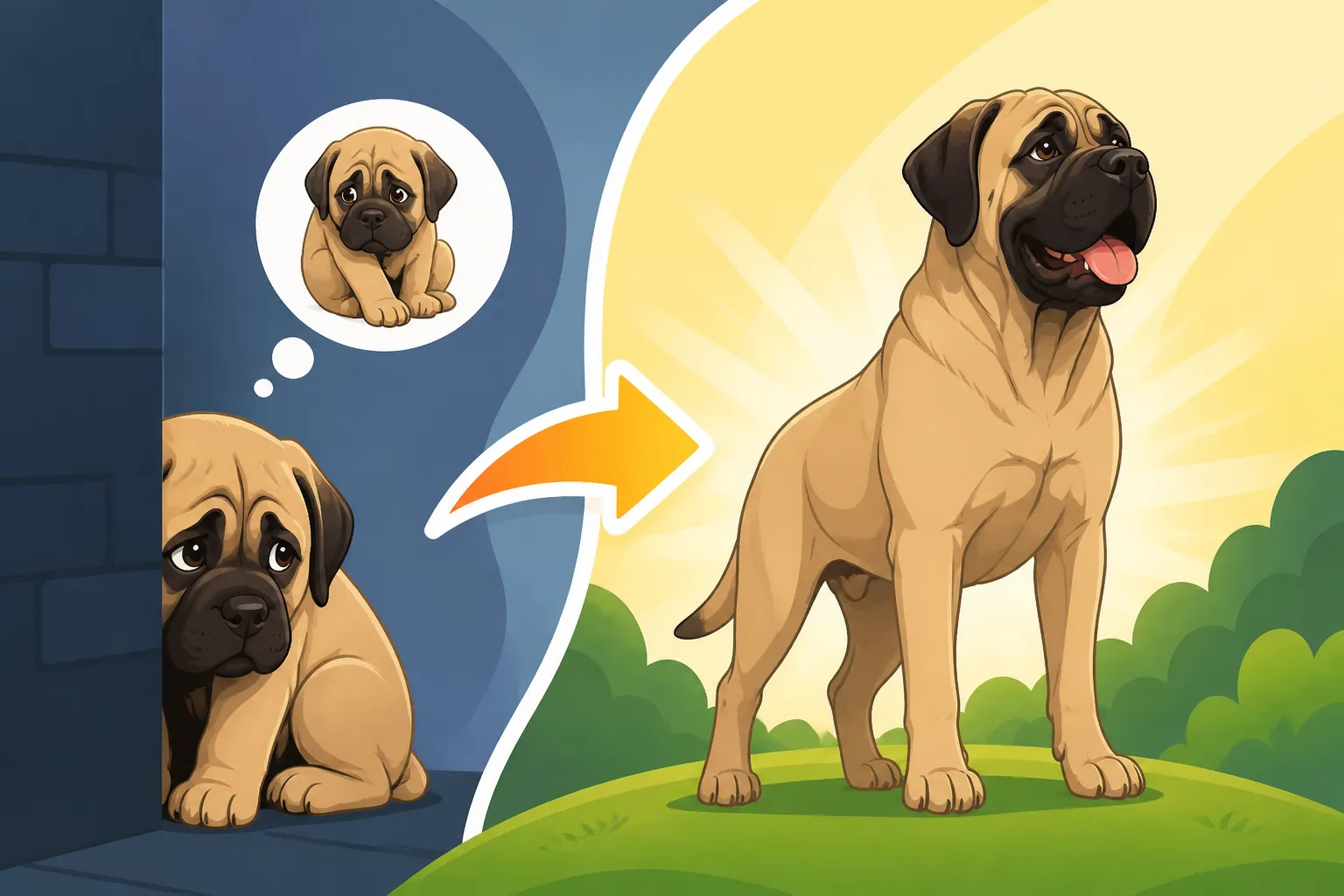
It’s a common worry for new Mastiff puppy parents: you bring home this enormous, fluffy bundle of potential, only to find they're not quite the boisterous, confident giant you imagined. Instead, you have a sweet but reserved little soul who shrinks from new experiences or barks at unfamiliar sounds. Many people wonder if this shyness is just a phase, something their Mastiff puppy will simply "grow out of" as they get bigger. This comprehensive guide will delve into the nuances of Mastiff puppy shyness, helping you understand its roots, how to differentiate it from normal caution, and the proactive steps you can take to nurture a confident, well-adjusted adult Mastiff.
Understanding Mastiff Temperament and Early Shyness
Mastiffs are often depicted as noble, stoic guardians, and while this is true, their temperament is far more complex than just "brave." They are incredibly sensitive dogs, and their large size can sometimes mask a surprisingly soft interior. Understanding this inherent nature is the first step in addressing any signs of shyness.
Is "Shy" Normal for a Mastiff Puppy?
When you first bring a Mastiff puppy home, it’s not uncommon to observe a degree of caution. These aren't the types of puppies who typically barrel headfirst into every new situation like a Labrador. Mastiffs are often more observant, taking in their surroundings before deciding how to react. This thoughtful, deliberate approach can sometimes be mistaken for shyness. They might hang back from a new visitor, preferring to watch from a distance rather than rushing in for pets. This measured response is actually quite normal for the breed. It speaks to their guardian instincts and their innate intelligence – they’re assessing the situation, not necessarily cowering from it.
However, there's a fine line between cautious observation and genuine fear-based shyness. A truly shy or fearful Mastiff puppy will often display more pronounced signs of anxiety, such as trembling, tail-tucking, excessive submissive urination, or even attempts to hide. They might avoid eye contact, refuse treats in new environments, or bark persistently at innocuous stimuli. While some general hesitancy is expected, extreme or prolonged fearfulness is not something to be ignored or dismissed as a "phase." It’s an indicator that your puppy needs careful, compassionate intervention to build their confidence.
Identifying True Shyness vs. General Caution
Distinguishing between a naturally cautious Mastiff and one that is genuinely shy is crucial for providing the right support. A cautious Mastiff might hesitate, but they’ll eventually approach or relax once they've had time to process. They might sniff a new person’s hand after a minute or two, or slowly investigate a strange object in the yard. Their body language will typically be neutral, perhaps a little stiff at first, but not overtly fearful. Their tail might be held naturally or wagging loosely, and they'll likely accept treats once comfortable.
True shyness, on the other hand, involves a deeper level of anxiety or fear. A truly shy Mastiff puppy might freeze, try to escape, whine, tremble, or even attempt to snap if cornered, especially if startled. They might tuck their tail tightly, flatten their ears, or try to make themselves as small as possible. This isn't just a brief hesitation; it's a profound discomfort that prevents them from engaging positively with the world around them. Ignoring these signs in the hope they'll disappear can unfortunately lead to an adult Mastiff who is fearful, potentially reactive, and difficult to manage. It's important to remember that these gentle giants are still The Sensitivity Nobody Expects in a Two Hundred Pound Mastiff.
| Behavior Trait | Normal Mastiff Caution | Problematic Mastiff Shyness |
|---|---|---|
| Initial Reaction | Observes, hesitates, takes in surroundings | Freezes, attempts to hide, tries to escape |
| Approachability | May approach slowly after assessment, accepts treats | Actively avoids, refuses treats, may tremble or urinate |
| Body Language | Neutral, perhaps stiff, tail natural/loose wag | Tail tucked, ears flattened, crouching, averting gaze |
| Vocalization | Minimal, perhaps a single "woof" to alert | Persistent, high-pitched barking; whining or whimpering |
| Recovery Time | Recovers quickly once deemed safe | Prolonged fear, takes a long time to relax or never does |
| Response to Touch | Tolerates gentle touch from known people | Shrinks from touch, may startle violently, or snap if forced |
Potential Causes of Shyness in a Mastiff Puppy
Shyness in any dog, including a Mastiff, can stem from a combination of factors. Genetics play a significant role. If a puppy’s parents or grandparents exhibited fearful tendencies, there’s a higher chance those traits will be passed down. This is why a reputable breeder will carefully screen their breeding stock not just for physical health, but for sound temperaments as well. You always want to meet the parents if possible, or at least see videos of them interacting calmly in different environments.
Beyond genetics, early life experiences are paramount. The period from birth to around 16 weeks is often called the critical socialization window. Puppies who are not exposed to a wide variety of sights, sounds, people, and gentle experiences during this time can develop fear responses to the unfamiliar later on. This could include a lack of handling, limited exposure to different environments, or even negative or traumatic experiences during this formative period. For a large breed like a Mastiff, every interaction, good or bad, carries immense weight. Even subtle things like loud noises in the home or being startled by an unexpected event can contribute to a shy disposition. Sometimes, a puppy might have an underlying medical issue, or even pain, that makes them more irritable or withdrawn, which can be misidentified as shyness.
The Critical Window: Socialization and Training for a Shy Mastiff Puppy
If you have a shy Mastiff puppy, the good news is that much can be done to help them. It's not about forcing them to be brave, but about building their confidence through carefully managed, positive experiences. Remember, a Mastiff is sensitive, and harsh correction can be extremely detrimental. Why Harsh Correction Ruins a Mastiff is a valuable read on this topic.
Gentle, Positive Socialization Strategies
For a shy Mastiff puppy, "socialization" doesn't mean throwing them into a crowded dog park or a loud event. It means carefully curated, positive exposures. Think small, controlled steps. Start in a quiet, familiar environment, like your backyard, and introduce one new, calm person at a time. Have that person sit on the ground, avoid direct eye contact, and offer high-value treats without forcing interaction. Let your puppy approach on their own terms. If they choose not to, that's okay. The goal is to create positive associations, so pairing these new experiences with delicious treats or favorite toys is key.
You can also introduce new sounds and sights gradually. Play recordings of city noises or children laughing at a very low volume while your puppy is eating, slowly increasing the volume over time. Take them to quiet, public places, like a deserted park bench, where they can simply observe the world from a safe distance without being approached. Short, positive interactions are far more valuable than long, overwhelming ones. Remember, it's about quality, not quantity. Think about How Many People a Mastiff Puppy Should Meet and ensure these meetings are calm and positive.
The Role of Early Obedience and Confidence Building
Beyond direct socialization, basic obedience training plays a huge role in building a shy puppy's confidence. Learning cues like "sit," "stay," "come," and "down" gives a puppy a sense of control and predictability in their world. When they understand what you're asking, and they're rewarded for responding, it empowers them. This is especially true for a Mastiff, who thrives on a clear understanding of expectations. Consider an online puppy training program like BAXTER & Bella, which offers structured, positive reinforcement-based lessons you can do at home at your puppy's pace. This can be less intimidating than a crowded group class, allowing you to build foundational skills in a safe environment.
Consistent, positive reinforcement makes all the difference. Every successful interaction, every treat given for a correct response, adds another brick to their confidence wall. Celebrate their small victories. If they hesitantly sniff a new object, praise them. If they walk past a stranger without a full-blown panic, reward them. Whether Positive Training Alone Works on a Mastiff is absolutely true for these sensitive dogs. This early training also sets the stage for future interactions, making it easier to manage their behavior as they grow into imposing adults. Teaching a Mastiff Before It Outweighs You is not just about physical control, but about mental and emotional development.
Avoiding Overwhelm and Negative Experiences
One of the biggest pitfalls when dealing with a shy puppy is pushing them too far, too fast. Forcing a shy Mastiff into a situation they're clearly uncomfortable with, like a boisterous dog park or a loud family gathering, can be incredibly counterproductive. It can reinforce their fears and even lead to a phenomenon known as "learned helplessness," where the dog simply shuts down or, worse, escalates to defensive aggression. Their natural size means any fearful reaction can quickly become a serious safety concern if not managed properly.
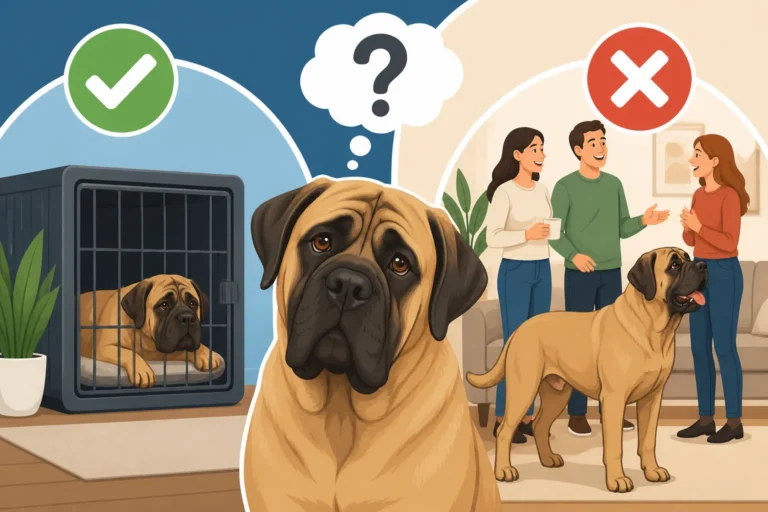
Instead, always provide an escape route or a safe haven. This might be their crate in a quiet room, or a specific spot on the couch they can retreat to. Respect their boundaries. If they show signs of stress – lip licking, yawning, turning away, trembling, or hiding – gently remove them from the situation. The goal is to build positive associations, not create traumatic ones. Patience is truly a virtue here. A well-managed exposure at a comfortable distance is always better than an up-close encounter that causes panic. Think of it as a marathon, not a sprint, especially during The First Year With a Mastiff Puppy That Doubles in Size.
When Shyness Lingers: Professional Help and Ongoing Management
Sometimes, despite your best efforts, a Mastiff puppy's shyness persists or even escalates. This is not a sign of failure on your part, but an indication that you might need a different toolkit or an expert guide.
Recognizing When to Seek Expert Guidance
It’s time to call in a professional when your Mastiff puppy's shyness isn’t improving, when it seems to be getting worse, or if it manifests as aggression. If your puppy is consistently showing fear-based behaviors like freezing, growling, snapping, or trying to bite when feeling threatened, or if they are unable to function normally in daily life (e.g., won't go outside, won't interact with family members), professional intervention is critical. These behaviors, especially in a dog that will weigh over 150 pounds, can become dangerous if not addressed.
A veterinary behaviorist or a certified professional dog trainer (CPDT-KA) specializing in fear and aggression can assess your puppy’s specific situation. They can rule out any underlying medical conditions, evaluate environmental factors, and help you develop a tailored behavior modification plan. Trying to address severe shyness or fear aggression on your own can often make the problem worse, as it requires a nuanced understanding of canine behavior and learning theory.
Finding the Right Professional
When searching for a professional, look for someone who emphasizes positive reinforcement and force-free methods. Avoid anyone who suggests using harsh corrections, fear-based training tools (like prong or shock collars), or outdated dominance theories. For a sensitive Mastiff, these methods will only exacerbate fear and break down trust. Ask about their credentials, experience with giant breeds, and their approach to fear-based behaviors. Many trainers offer initial consultations where you can discuss your concerns and get a feel for their philosophy.
A certified veterinary behaviorist (DACVB) is a veterinarian with additional specialized training in animal behavior. They can prescribe medication if anxiety is severe, which can be a valuable tool to help your puppy cope and be more receptive to behavior modification techniques. Combining medication with behavior modification often yields the best results for severe cases of shyness or anxiety. These experts understand that shyness isn't a moral failing, but often an emotional response that needs compassionate management.
Tools and Aids for Confidence Building
Beyond training techniques, there are several tools and aids that can support a shy Mastiff puppy. For starters, providing a truly secure and comfortable "den" can make a huge difference. This might be a large crate with soft bedding, covered to create a cave-like feel, placed in a quiet part of the house. This gives your Mastiff a safe space to retreat when feeling overwhelmed. You can find many excellent crate options and orthopedic beds suitable for giant breeds on platforms like Amazon.
Enrichment toys, particularly puzzle toys that dispense treats, can also build confidence by engaging their minds and rewarding independent problem-solving. Long-lasting chews can also help calm anxious puppies. Consider pheromone diffusers or calming supplements, always after consulting with your veterinarian, as these can sometimes help reduce general anxiety. Special harnesses, like a front-clip harness, can provide a bit more control on walks without adding pressure to the neck, which can be useful for a nervous walker. For walks in new places, a long line (a very long leash) can allow a shy Mastiff puppy to explore at their own pace while still remaining safely attached to you.
Preventing Future Shyness: Continuing Care and Exposure
Even after a Mastiff puppy shows improvement, ongoing effort is required. Shyness isn't necessarily something they "grow out of" and then it's gone forever; it's often something that needs consistent, gentle management throughout their lives.
Maintaining a Stable and Predictable Environment
A stable and predictable home environment is a cornerstone for a confident Mastiff. Routine provides security. Consistent feeding times, regular potty breaks, and a predictable schedule for walks and playtime help a sensitive Mastiff feel safe and in control. Sudden changes or chaotic environments can easily trigger anxiety in a dog prone to shyness. If changes are necessary, introduce them gradually. For example, if you need to rearrange furniture, do it in stages, allowing your Mastiff to explore and get used to each new arrangement.
Designate quiet, safe spaces where your Mastiff can retreat when they feel overwhelmed. This might be their crate, a specific dog bed, or even a particular room in the house. Teach family members, especially children, to respect these spaces and not disturb the dog when they are resting there. Establishing clear boundaries and consistent expectations in the home removes much of the guesswork for your Mastiff, allowing them to relax and build confidence in their primary territory.
Ongoing, Low-Key Exposure to New Experiences
Socialization isn't a one-and-done event; it's a lifelong process, especially for a Mastiff that started with shy tendencies. Continue to provide low-key, positive exposure to new sights, sounds, and people. This doesn't mean constant trips to bustling urban centers. It could be as simple as a quiet walk in a new park, a short car ride to a different neighborhood, or having one calm, dog-savvy friend visit for coffee. The key is to keep these experiences positive and under threshold—meaning your Mastiff is never pushed to the point of panic or fear.
Always observe your Mastiff's body language closely. If they seem uncomfortable, gently remove them from the situation. Pair every new experience with high-value treats and praise to maintain positive associations. If you have a specific goal, like your Mastiff becoming comfortable with children, start with very brief, supervised interactions with a calm, older child from a distance, gradually decreasing the distance as your dog shows comfort. Think about Whether a Mastiff Should Be Supervised With Toddlers to ensure safety for all parties involved. Remember, the goal is slow, steady desensitization and counter-conditioning, not immersion therapy.
The Importance of a Strong Owner-Dog Bond
Perhaps the most powerful tool in helping a shy Mastiff puppy is the bond you build with them. A strong, trusting relationship where your Mastiff feels safe and understood by you provides an anchor in an often-intimidating world. Spend quality time with your Mastiff every day, engaging in gentle play, quiet petting sessions, and consistent training. They look to you for guidance and reassurance. If you remain calm and confident in new situations, your Mastiff will often take their cue from you.
Your presence, your gentle touch, and your reassuring voice can be the most effective calming agents for a nervous Mastiff. This deep connection, built on positive experiences and mutual respect, allows your Mastiff to feel secure enough to explore and engage with the world more confidently. Whether a Mastiff Is Genuinely Sensitive is something to always keep in mind; their large size doesn't make them less emotionally vulnerable. With consistent effort, patience, and love, a shy Mastiff puppy can absolutely grow into a much more confident and happy adult, even if they always retain a bit of their thoughtful, reserved nature.
Disclaimer
This article is for general informational purposes only and does not constitute professional advice. Laws, prices and regulations vary by location and change over time. Consult a qualified professional for guidance on your specific situation.