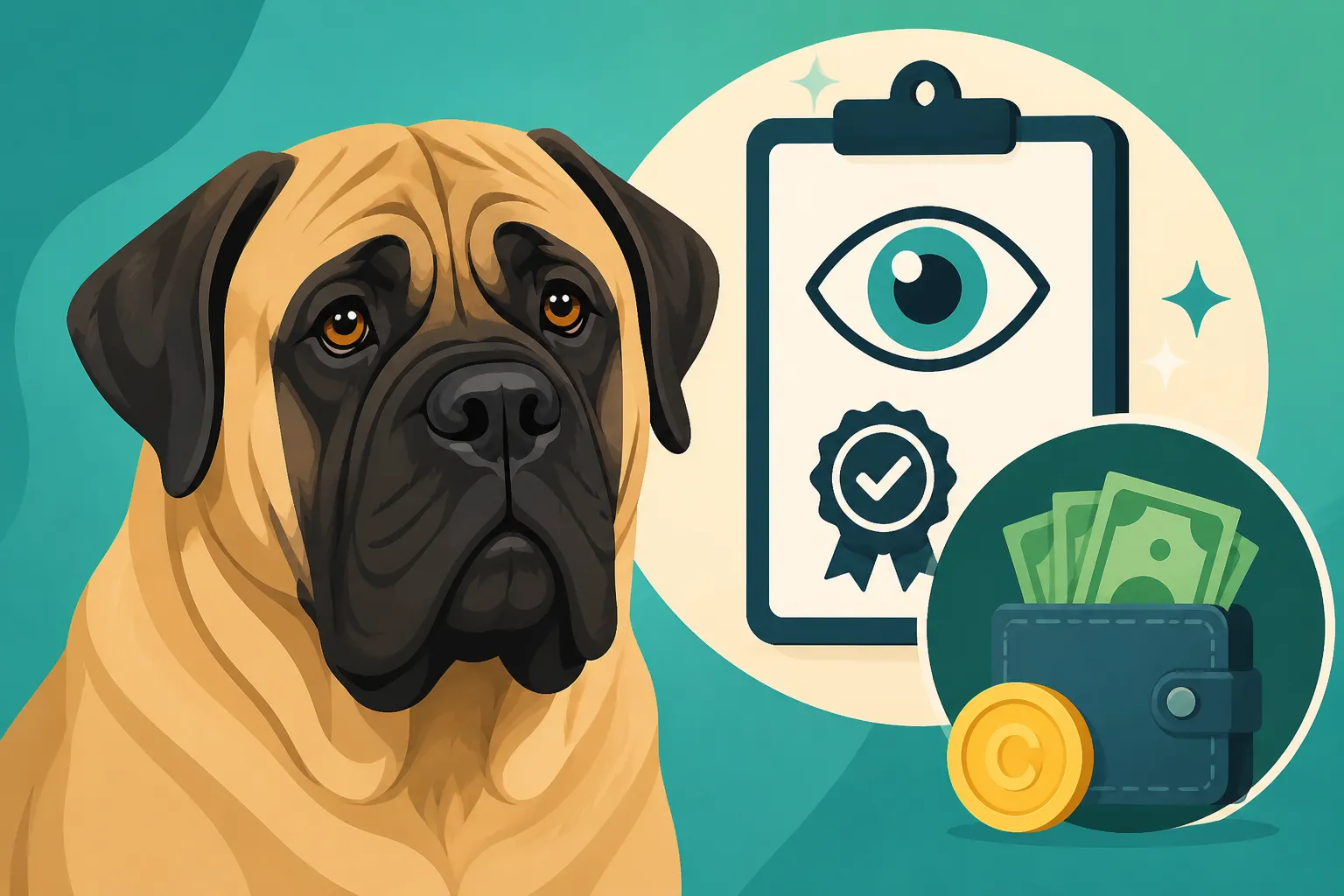
What a Mastiff Eye Certification Costs
Bringing a magnificent Mastiff into your life is an unparalleled joy, but many new owners quickly discover that responsible ownership, especially when it comes to health, comes with its own set of financial considerations. One area that often raises questions, particularly for those looking to ensure their gentle giant's well-being or considering breeding, is the cost associated with comprehensive eye certification. This guide will walk you through what to expect when investing in your Mastiff's ocular health, breaking down the various expenses involved in getting a proper eye certification.
Understanding Mastiff Eye Health and Certification
When you welcome a Mastiff into your home, you're embracing a breed known for its impressive size and equally impressive heart. But like all breeds, Mastiffs can be predisposed to certain health conditions, and eye health is a significant one. Proper eye certification isn't just a formality; it's a critical step in ensuring your Mastiff lives a comfortable life and, for breeders, helps to safeguard the health of future generations.
Why Eye Certification Matters for Mastiffs
Mastiffs, despite their robust appearance, are susceptible to several inherited eye conditions that can range from mildly irritating to severely debilitating. Conditions such as Progressive Retinal Atrophy (PRA), cataracts, entropion (inward-rolling eyelids), and ectropion (outward-rolling eyelids) can significantly impact a Mastiff's quality of life, potentially leading to pain, impaired vision, or even blindness. Imagine your beloved companion struggling to navigate familiar surroundings because their sight is failing, or experiencing chronic discomfort from an eyelid issue. It's a heartbreaking thought, and proactive certification helps identify these issues early or prevent them from being passed on.
For anyone who has seen a Mastiff stumble or become disoriented, understanding the importance of their vision becomes very real. A certified eye exam goes beyond a simple check, actively looking for genetic markers and physical abnormalities that might not be immediately obvious to the untrained eye. It's about providing the clearest possible picture of your Mastiff's ocular health, ensuring they can enjoy their world with the best vision possible. We've talked before about various eye issues in Eye and Eyelid Disease in a Mastiff, and certification is a key tool in managing these.
The Role of OFA and CERF in Eye Health
In the world of canine health, the Orthopedic Foundation for Animals (OFA) plays a crucial role, and this extends to eye health through collaboration with the American College of Veterinary Ophthalmologists (ACVO). While "CERF" (Canine Eye Registry Foundation) was the widely recognized term for many years, its function has largely been integrated into the OFA's companion animal eye registry. The goal remains the same: to identify and register purebred dogs that are free from heritable eye diseases. This process is incredibly important for maintaining breed health and providing transparency for breeders and prospective puppy owners.
When you seek eye certification for your Mastiff, you're not just getting an opinion from any veterinarian. You are consulting with a board-certified veterinary ophthalmologist – a specialist whose expertise lies solely in animal eyes. These specialists perform a thorough examination, documenting any findings, and then submit their results to the OFA registry. This standardized process ensures consistency and reliability across the country, creating a valuable database that tracks the prevalence of specific eye conditions within the Mastiff breed. For breeders, clearing tests like this contributes to achieving a The Four CHIC Tests a Mastiff Breeder Must Clear, a mark of a responsible breeding program.
Breaking Down the Costs of a Mastiff Eye Certification Exam
Now, let's get down to the brass tacks: what does it actually cost to get this vital eye certification? It's not a single fixed price, but rather a combination of professional fees and administrative charges. Understanding each component will help you prepare your budget and appreciate the value you're receiving.
The Veterinary Ophthalmologist's Consultation Fee
The most significant portion of the eye certification cost will be the fee charged by the board-certified veterinary ophthalmologist for their time and expertise. These are highly trained specialists who have undergone extensive additional schooling and residency programs beyond standard veterinary medicine. Their specialized equipment and in-depth knowledge come at a premium, which is entirely justified given the complexity of the canine eye and the precision required for diagnosis.
Consultation fees can vary quite a bit depending on your geographic location. A clinic in a major metropolitan area, for instance, might have higher overheads and thus higher fees than one in a more rural setting. It's always a good idea to call a few different veterinary ophthalmology clinics in your region to inquire about their current rates for an OFA eye examination. These fees generally encompass the ophthalmologist's initial assessment, review of your Mastiff's history, and their professional interpretation of the exam findings.
The Eye Exam Itself: Procedures and What's Included
The eye certification exam itself is a comprehensive process, not just a quick peek. It involves several key procedures designed to thoroughly assess all parts of your Mastiff's eyes. Typically, the exam begins with dilation of the pupils using eye drops. This allows the ophthalmologist to get a clear view of the retina and the back of the eye. They'll then use specialized tools like an indirect ophthalmoscope and a slit lamp biomicroscope.
The slit lamp provides a magnified, three-dimensional view of the front structures of the eye, such as the cornea, iris, and lens, helping to detect subtle cataracts or other anterior segment abnormalities. The indirect ophthalmoscope allows for a wide-angle view of the retina, optic nerve, and vitreous, crucial for identifying conditions like PRA. In some cases, a gonioscopy might be performed, which involves examining the drainage angle of the eye for signs of glaucoma. Because Mastiffs are large and sometimes stoic, or occasionally a bit anxious, some may require light sedation to ensure a calm and thorough examination, especially if they are unaccustomed to such detailed handling. This sedation is an additional cost, and as we often note, What a Mastiff's Weight Does to Every Line on the Vet Invoice means medication costs are scaled up for our giant companions.
OFA Submission Fees and Registry Costs
Once the veterinary ophthalmologist has completed their examination and documented their findings, the results need to be officially submitted to the OFA (or formerly, CERF) registry. This involves an administrative fee that covers the processing of the paperwork, inclusion of the data in the national database, and issuance of a certificate if your Mastiff's eyes are deemed free of heritable disease. This fee is standard across the board, regardless of where your Mastiff is examined.
These submission fees are essential for the integrity of the health registry. They ensure that information is consistently collected, stored, and made accessible to breeders and owners who want to research a Mastiff's lineage. Publicly available health clearances are a cornerstone of responsible breeding practices, providing transparency and aiding in the reduction of genetic health problems within the breed. For a prospective puppy owner, being able to verify a Mastiff's eye certification status online offers immense peace of mind.
Potential Additional Costs and Considerations
While the core components of an eye certification are fairly straightforward, there are a few other factors that can influence the overall expense, from unexpected findings to the practicalities of getting your Mastiff to the specialist.
Follow-Up Diagnostics or Treatments
The primary purpose of eye certification is to screen for heritable diseases. But what if something is found during the examination? This is where additional costs can quickly arise. If the ophthalmologist identifies a suspected condition, they might recommend further diagnostic tests. This could include specialized imaging, genetic testing for specific conditions like How Common Progressive Retinal Atrophy Is in Mastiffs, or more detailed evaluations. Each of these subsequent tests will incur its own fee.
Furthermore, if a treatable condition is diagnosed, you'll then be looking at the cost of treatment. For example, if your Mastiff is found to have entropion or ectropion, surgical correction would likely be recommended to alleviate discomfort and prevent further issues. We've covered Whether a Mastiff Needs Eyelid Surgery previously, and these procedures can be quite an investment. Even less severe conditions like Cherry Eye in a Mastiff might require medical management or surgical intervention, adding to your financial outlay. It’s important to remember that the certification exam is a diagnostic step, and sometimes, it uncovers issues that need addressing.
Travel and Time Investment
For many Mastiff owners, finding a board-certified veterinary ophthalmologist isn't as simple as walking into their local vet clinic. These specialists are often located in larger cities or at veterinary universities, meaning you might have to travel a significant distance. The cost of fuel, wear and tear on your vehicle, and potentially an overnight stay if the clinic is far away, can all add up.
Beyond the monetary cost, consider the time investment. You'll need to schedule an appointment, often weeks or even months in advance. The appointment itself can take several hours, especially if your Mastiff requires sedation or if there are multiple dogs from a breeder being examined. If you need to take time off work, that represents a tangible cost as well. It’s a commitment, but one that’s well worth it for the peace of mind and the health of your Mastiff.
Breeding Implications and Value
For those involved in Mastiff breeding, eye certification isn't just a cost; it's an investment that adds significant value to their puppies and their kennel's reputation. A breeder who consistently performs all recommended health clearances, including eye certifications, is demonstrating a commitment to producing healthy, sound puppies. This commitment is often reflected in the price of their puppies, and rightly so. Buyers are willing to pay more for a puppy from health-tested parents because it reduces the risk of expensive and heartbreaking genetic diseases down the line.
The data gathered from these certifications helps breeders make informed decisions, ensuring they are not inadvertently passing on predispositions to debilitating eye conditions. When a breeder includes eye certification as part of their comprehensive health testing, alongside hip and elbow evaluations, cardiac exams, and DNA tests, it contributes to the overall The CHIC Four Plus the DNA Stack Behind a Mastiff's Price. A puppy from an uncertified litter, conversely, often comes at a lower initial price, but carries a higher risk of future veterinary bills, as noted in discussions about Whether a Mastiff Under Fifteen Hundred Was Health Tested.
Budgeting for Mastiff Eye Care
Given the potential costs involved, it's wise to integrate eye care into your overall financial planning for your Mastiff. This involves distinguishing between routine care and specialist certifications, understanding how pet insurance can help, and recognizing opportunities for smart spending.
Regular Veterinary Check-ups vs. Specialist Exams
It's important to differentiate between the routine eye check your general veterinarian performs during an annual wellness exam and the specialized eye certification performed by a veterinary ophthalmologist. Your regular vet will always perform a basic visual inspection of your Mastiff's eyes, checking for obvious signs of infection, injury, or redness. This is crucial for overall health monitoring, and a good annual check-up should always include this. Think of it like your family doctor doing a quick check of your eyes during your physical.
However, a general vet typically doesn't have the specialized equipment or the advanced training of an ophthalmologist to detect subtle, inherited conditions or those deep within the eye. The eye certification exam is a much more in-depth, specialized screening aimed specifically at identifying heritable ocular diseases. You wouldn't expect your general practitioner to diagnose a complex retinal detachment, and the same principle applies here. While your vet can alert you to potential issues, the formal certification requires a specialist. Consistent annual exams, as explored in Whether a Mastiff Should Have a Yearly Eye Exam, remain vital for early detection of any health changes, including those affecting the eyes, much like Whether a Mastiff's Heart Should Be Scanned Yearly is for their cardiac health.
The Role of Pet Insurance
For unexpected eye conditions that arise after you've enrolled your Mastiff, pet insurance can be a financial lifeline. While most pet insurance policies typically don't cover routine health clearances like initial eye certifications (as these are considered preventative or screening tests for breeding purposes), they can often cover the costs of diagnosing and treating unexpected eye diseases or injuries. For instance, if your Mastiff suddenly develops cataracts, glaucoma, or suffers an eye injury, a good pet insurance policy could significantly offset the veterinary bills.
Providers like Healthy Paws offer comprehensive plans that could cover unexpected illness and accident costs, including those related to the eyes. It’s crucial to understand your policy's specifics, including waiting periods, deductibles, and what constitutes a "pre-existing condition," as these will impact coverage. If your Mastiff is diagnosed with a heritable eye disease before you enroll in a policy, it will likely be considered pre-existing and therefore excluded. Always research and get quotes early in your Mastiff's life, as waiting until issues arise is often too late for coverage. This is similar to considerations for other conditions like Whether Pet Insurance Covers a Mastiff's Elbows.
Saving on Supplies and Preventative Care
While you can't skimp on a professional eye certification, there are ways to be smart about everyday eye care and general health that indirectly benefit your Mastiff's eyes. Maintaining good overall health and hygiene can help prevent some minor eye irritations or infections. Regularly wiping away eye boogers or discharge with a soft, damp cloth can prevent build-up that might lead to irritation. For Mastiffs, whose deep folds and sometimes heavy brows can collect moisture and debris, paying attention to The Wrinkles and Folds a Mastiff Owner Cleans Every Week can also prevent secondary eye issues.
For routine supplies, online retailers like Chewy can be a great resource for everything from eye wipes and gentle cleansers to high-quality food that supports overall health. A well-balanced diet contributes to a strong immune system and healthy tissues, including those in the eyes. While not directly preventing genetic eye diseases, good nutrition can certainly support ocular health. Companies like Ollie, offering fresh, human-grade food, prioritize quality ingredients that can contribute to a Mastiff's vitality, though at significant cost given their size. Investing in premium food might seem like an upfront cost, but it's part of a holistic approach to your Mastiff's long-term health, potentially reducing the likelihood of some non-heritable health issues.
Cost Breakdown: Mastiff Eye Certification
To give you a clearer picture, here's a general breakdown of the various financial components you might encounter when pursuing Mastiff eye certification. Please remember that these are illustrative categories and actual costs will vary widely by location and specific clinic.
| Cost Component | Description | Typical Impact on Budget |
|---|---|---|
| Veterinary Ophthalmologist Fee | The core fee for the specialist's time, expertise, and use of specialized equipment (slit lamp, ophthalmoscope). This covers the examination itself and their professional assessment. | High |
| Dilation Drops | Cost of the eye drops used to dilate the pupils, essential for a thorough examination of the back of the eye. Often included in the ophthalmologist's fee, but sometimes listed separately. | Low |
| Sedation (If Needed) | If your Mastiff is particularly anxious or uncooperative, light sedation may be required to ensure a calm, comprehensive exam, adding to the total. | Moderate |
| OFA/ACVO Submission Fee | Administrative fee for processing the exam results, registering them in the national database, and issuing a certification. This is a fixed fee regardless of clinic. | Low |
| Travel Expenses | Cost of fuel, potential tolls, and vehicle wear-and-tear to get to the specialist, who may be located some distance away. | Variable |
| Time Off Work | Lost income or use of vacation/personal time if you need to take time off work for the appointment. | Variable |
| Follow-up Diagnostics | If a potential issue is identified, further tests (e.g., genetic tests, advanced imaging) will incur additional fees. | High (if needed) |
| Treatment/Medication | Should an issue be diagnosed, the cost of medications (eye drops, oral meds) or surgery (e.g., for entropion/ectropion) to manage or correct the condition. | High (if needed) |
As you can see, a significant portion of the cost is for the specialist's expertise and the thoroughness of the examination. While it may seem like a considerable expense, it’s a vital investment in your Mastiff’s well-being and, for breeders, in the health of the entire breed. Being prepared for these costs ensures you can make the best decisions for your gentle giant's eyes.
Disclaimer
This article is for general informational purposes only and does not constitute professional advice. Laws, prices and regulations vary by location and change over time. Consult a qualified professional for guidance on your specific situation.