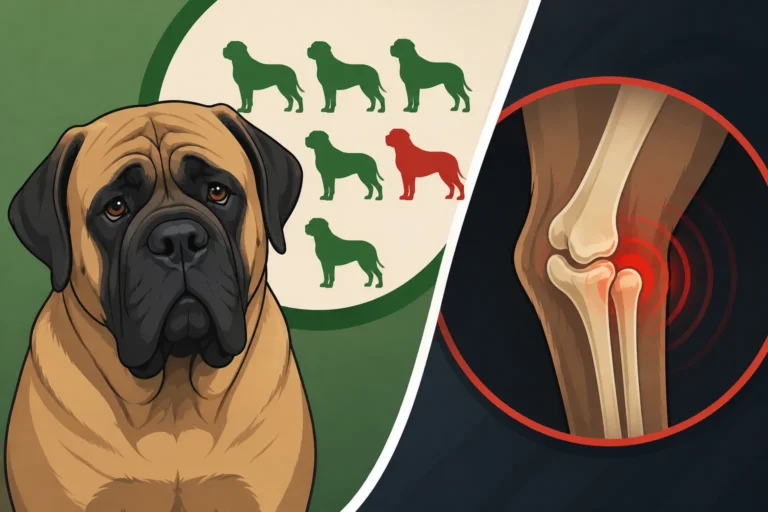
Whether a Mastiff’s Heart Should Be Scanned Yearly
One of the biggest worries for any Mastiff owner is the sheer number of health issues our beloved giants can face, and the question of how to stay on top of it all can feel overwhelming. Amongst the myriad of potential concerns, heart health often looms large, leaving many of us wondering if yearly cardiac screenings are truly necessary or just another expensive vet visit. This guide aims to cut through the confusion, offering a realistic look at whether a Mastiff's heart should be scanned yearly, what that entails, and how to make the best decisions for your gentle giant.
Understanding Mastiff Cardiac Health Concerns
Bringing a Mastiff into your home means preparing for a dog that defies expectations in so many ways – including their health profile. Their incredible size, while majestic, unfortunately predisposes them to certain conditions that smaller breeds might not face with the same intensity. When it comes to their hearts, the stakes feel even higher because these conditions can develop silently, often without obvious signs until they're quite advanced.
The Unique Challenges of Giant Breeds
The sheer volume of blood a Mastiff's heart has to pump and the immense body mass it has to support put a different kind of strain on their cardiovascular system compared to, say, a Beagle. This isn't just about size; it's about the physics and biology of a massive, rapidly growing, and ultimately short-lived animal. Their hearts are working harder from day one, making them more susceptible to specific cardiac issues. It’s a sad reality that while we adore their imposing presence, it comes with a built-in vulnerability. This is a big part of why learning about their health challenges, including topics like Why a Mastiff Only Gets Six to Ten Years, becomes so crucial for responsible ownership.
Common Heart Conditions in Mastiffs
While not all Mastiffs will develop heart disease, there are certain conditions that are more prevalent in the breed. One of the most talked-about is Dilated Cardiomyopathy (DCM). This is a heartbreaking disease where the heart muscle becomes thin and weak, leading to an enlarged heart that can't pump blood efficiently. The devastating thing about DCM is how stealthy it can be; a Mastiff might seem perfectly fine until suddenly they're not. Another concern can be Subvalvular Aortic Stenosis (SAS), a congenital condition where there's a narrowing below the aortic valve, making the heart work harder to push blood out. While less common than DCM, it's still something a good breeder will screen for. We discuss these specific issues in more detail, for example, in our article Whether a Mastiff Gets Dilated Cardiomyopathy. Understanding these breed-specific risks helps us approach the question of regular screenings with the right perspective.
When Routine Cardiac Screening Becomes Crucial
The idea of putting your enormous, sometimes stubborn, Mastiff through a detailed heart scan yearly might sound excessive, or even impossible. However, there are very distinct scenarios where regular screening isn't just a good idea, but an absolute necessity. It's about knowing when to be vigilant and when a "wait and see" approach is simply too risky for such a big heart.
Baseline Scans for Breeding Stock
For anyone involved in breeding Mastiffs, comprehensive cardiac evaluations are non-negotiable. Reputable breeders will ensure that their breeding dogs undergo thorough heart examinations, often including an echocardiogram by a board-certified veterinary cardiologist, before ever being bred. This isn't just about preventing inherited diseases; it's about making sure the parents are healthy enough to sustain pregnancy and whelping, and to pass on the best possible genes to their offspring. This is often part of the larger picture of health testing, as outlined in guides such as The Four CHIC Tests a Mastiff Breeder Must Clear, which includes a cardiac component. If you’re getting a puppy, asking about the parents’ cardiac clearances is a sign of a responsible breeder and can offer some peace of mind, though it doesn't guarantee your puppy will never develop an issue.
Signs That Warrant Immediate Investigation
Beyond routine checks, there are red flags that should send you straight to the vet for a cardiac work-up. These can be subtle, especially in a dog known for its stoicism. If your Mastiff starts showing signs like:
- Unusual lethargy or decreased exercise tolerance (they're already fairly low-energy, so watch for changes).
- Coughing, especially at night or when resting.
- Difficulty breathing or increased respiratory effort.
- Fainting or collapsing episodes.
- A swollen abdomen (ascites) or swollen limbs.
- A persistent, new heart murmur detected by your regular vet.
Any of these symptoms mean it's time for an in-depth look at their heart. Don't delay. For a dog as large as a Mastiff, waiting even a day or two can make a significant difference in prognosis. Sometimes, even what seems like a minor cough can be a sign of something more serious with their heart.
The Role of Age in Cardiac Care
As our Mastiffs age, just like us, their bodies experience wear and tear. A Mastiff over five years old is considered a senior, and this is when the risk of developing heart conditions, including DCM, generally increases. While a yearly scan for a perfectly healthy young Mastiff might not be recommended by all vets (unless they are breeding stock), the calculus changes dramatically for an older dog.
For a Mastiff reaching that five-year mark, incorporating an echocardiogram every 1-2 years, especially if there's any family history of heart disease or a new murmur has been noted, becomes a very sound strategy. Think of it as part of their regular senior check-up, alongside conversations about Caring for a Mastiff Past Five. Early detection of even subtle changes can allow for interventions that might prolong their quality of life. This proactive approach can make a world of difference. It also gives you time to consider options like pet insurance from providers like Healthy Paws, which can help mitigate the significant costs of ongoing diagnostics and treatments should an issue arise.
What a Cardiac Scan Entails for Your Mastiff
The thought of taking your enormous Mastiff for a specialized veterinary procedure can be daunting. Visions of wrestling a 200-pound dog onto a table might fill you with dread! But rest assured, veterinary professionals are adept at handling giant breeds, and cardiac screenings are generally non-invasive and well-tolerated. Understanding what to expect can help ease your mind and prepare your gentle giant for a smooth experience.
The Echocardiogram and Its Importance
The "gold standard" for assessing a Mastiff's heart is an echocardiogram. This is essentially an ultrasound of the heart. It’s a non-invasive, painless procedure that uses sound waves to create real-time images of your Mastiff’s heart, showing its size, shape, and how well it's pumping blood. A veterinary cardiologist can look at:
- The thickness of the heart muscle walls.
- The size of the heart chambers.
- The function of the valves.
- The blood flow through the heart.
- Any abnormal structures or fluid accumulation.
During the procedure, your Mastiff will typically lie on a padded table with a cut-out section, allowing the vet to access their chest. They might need a small area of fur shaved on their chest to get a good contact for the ultrasound probe. Most Mastiffs can undergo an echo without sedation, especially with a calm, patient veterinary team. However, if your Mastiff is particularly anxious, a mild sedative might be used, which brings considerations for Why Anesthesia Is Riskier in a Mastiff. This scan provides invaluable information, much more than a stethoscope alone can reveal, and helps determine if further action is needed. It’s crucial to remember that a thorough cardiac exam performed by a certified specialist can be the difference between catching a problem early or missing it until it's too late. Our article Whether a Mastiff Needs a Cardiac Exam provides more context on the general necessity of these examinations.
Beyond the Echo: ECG and Holter Monitoring
While the echocardiogram gives a fantastic structural and functional picture, sometimes a vet will recommend additional tests, especially if irregular heart rhythms (arrhythmias) are suspected.
- Electrocardiogram (ECG/EKG): This measures the electrical activity of the heart. It's a quick, non-invasive test where electrodes are attached to your Mastiff’s skin. It helps identify abnormal heart rhythms, heart rate, and can suggest if parts of the heart are enlarged. It's often done in conjunction with an echo or as a preliminary screening.
- Holter Monitor: For intermittent or subtle arrhythmias, a Holter monitor might be recommended. This is a small, portable device that your Mastiff wears for 24-48 hours, continuously recording their heart's electrical activity as they go about their normal routine. This is particularly useful because some arrhythmias only show up during specific activities or at rest, which might be missed during a short in-clinic ECG. The device is usually strapped to their back and is comfortable enough for them to wear without much fuss.
These additional tools give a more complete picture of the heart's health, allowing cardiologists to diagnose complex conditions and tailor treatment plans more precisely.
Preparing Your Giant for the Vet Visit
Preparing your Mastiff for a cardiac scan isn't as complex as you might imagine, but a little foresight goes a long way.
- Practice Relaxing: If your Mastiff isn't used to lying still on their side, practice this at home with treats and praise. This can make the process much smoother at the clinic.
- Bring Comfort Items: A familiar blanket, a favorite toy, or even a comforting scent can help reduce stress in an unfamiliar environment.
- Fasting (if needed): If sedation is a possibility, your vet will advise you to withhold food for a specific period before the appointment. Always follow their instructions meticulously.
- Manage Expectations: Be prepared for your Mastiff to be calm, but also for them to be a bit restless. The vet team has strategies for keeping giants comfortable.
- Consider Financials: Vet bills for specialized procedures can be substantial. Knowing What a Mastiff Cardiac Exam Costs upfront and having a plan, perhaps through pet insurance like Healthy Paws, can alleviate significant stress. Many owners find peace of mind knowing that a good policy can cover a substantial portion of these diagnostic and treatment costs, especially with a breed prone to these issues.
Making Informed Decisions for Your Mastiff's Heart
Deciding on the frequency and type of cardiac screening for your Mastiff is a deeply personal journey, balancing the desires for optimal health against the realities of cost, stress, and practicality. There's no one-size-fits-all answer, but by understanding all the factors, you can make choices that truly align with your Mastiff's needs and your family's circumstances.
Balancing Risk, Cost, and Quality of Life
The ideal scenario might be yearly echocardiograms for every Mastiff, but for many owners, this simply isn't feasible due to the financial commitment and the potential stress on the dog. What a Mastiff Cardiac Exam Costs can be significant, often ranging from several hundred to over a thousand dollars depending on your location and whether a specialist is involved. This is where you need to weigh the risk factors specific to your dog – their age, family history, any existing murmurs, and their overall demeanor – against the financial and emotional investment.
- High-risk dogs: If your Mastiff has a known heart murmur, a strong family history of DCM, or is already showing subtle symptoms, then regular, even yearly, scans are a wise investment in their health. This also allows for a proactive approach to managing conditions like Whether a Mastiff Puppy's Murmur Matters.
- Older dogs: As mentioned, once your Mastiff is over five, the likelihood of developing age-related cardiac issues increases, making regular checks more justifiable.
- Lower-risk, healthy dogs: For a young Mastiff with no history of issues and a clear baseline scan, your regular veterinarian's yearly physical exam, including thorough auscultation (listening to the heart), might be sufficient for a few years. They can advise if a repeat specialist scan is warranted.
It's about finding that sweet spot where you're being diligent without causing undue stress or financial strain, and always keeping your Mastiff's quality of life at the forefront.
The Value of Specialist Consultation
While your trusted family veterinarian is an invaluable resource, when it comes to specific cardiac concerns, consulting with a board-certified veterinary cardiologist is highly recommended. These specialists have advanced training and equipment to accurately diagnose and manage heart conditions in dogs. They can interpret complex echocardiogram images, perform specialized tests like Holter monitoring, and develop tailored treatment plans.
A referral to a cardiologist doesn't necessarily mean bad news, but it ensures that your Mastiff is receiving the most expert care possible. They can provide a definitive diagnosis, offer prognostic information, and guide you through treatment options, helping you understand what to expect. Given the complexities of giant breed cardiac health, their expertise is truly invaluable in situations where you might be asking yourself Whether a Mastiff Gets Dilated Cardiomyopathy or similar serious questions.
Proactive Care and Prevention
While not every heart condition is preventable, there are certainly things you can do as a Mastiff owner to support their overall cardiovascular health.
- Maintain a Lean Body Condition: Keeping your Mastiff at a healthy, lean weight is paramount. Excess weight puts additional strain on their heart and joints. It's often said that a lean Mastiff lives longer, and this is certainly true for heart health.
- Quality Diet: Feed a high-quality, large-breed specific diet appropriate for their age. Consult with your vet on the best nutritional plan.
- Appropriate Exercise: While Mastiffs aren't marathon runners, regular, moderate exercise is important for maintaining muscle tone and cardiovascular fitness. Avoid over-exertion, especially in warm weather.
- Regular Vet Check-ups: Don't skip those yearly physicals with your primary care vet. They are the first line of defense, often catching subtle changes during routine auscultation that might warrant further investigation.
- Consider Supplements: Some veterinarians might recommend supplements like fish oil (omega-3 fatty acids) for their anti-inflammatory properties and potential cardiac benefits, but always discuss this with your vet first.
- Pet Insurance: Having pet insurance, like a policy from Healthy Paws, can be a game-changer. It means you won't have to make critical health decisions based solely on cost. Knowing that a significant portion of diagnostic tests, medications, and even specialist visits might be covered allows you to pursue the best possible care without devastating your savings. Many Mastiff owners find this peace of mind invaluable.
By being proactive, observant, and working closely with your veterinary team, you can provide your Mastiff with the best chance for a healthy and happy life, giving their big, loving heart every opportunity to keep beating strong.
Cardiac Screening Modalities for Mastiffs
| Screening Method | Purpose | Key Findings | Frequency for Breeding Stock (Typical) | Frequency for Pet Mastiffs (General) |
|---|---|---|---|---|
| Auscultation | Initial assessment of heart sounds | Murmurs (valvular issues), arrhythmias (irregular beats) | Annually | Annually (during regular check-up) |
| Echocardiogram | Detailed structural and functional evaluation | Chamber size, muscle thickness, valve function, blood flow, DCM | Annually or Biennially | Baseline (1-2 yrs), then as symptoms/age |
| Electrocardiogram (ECG/EKG) | Measures electrical activity of the heart | Arrhythmias, heart rate, conduction abnormalities | As needed/part of full cardiac exam | As needed/if arrhythmias suspected |
| Holter Monitor | 24-48 hour continuous ECG recording | Intermittent arrhythmias, severity of known arrhythmias | As needed | As needed/if intermittent symptoms |
| Cardiac ProBNP Blood Test | Biomarker for heart muscle stretch/stress | Elevated levels may indicate heart disease | As needed | As needed/screening tool |
Note: Recommendations can vary based on individual Mastiff's health, age, and risk factors. Always consult a veterinary professional.
Disclaimer
Please remember that the information provided in this article is intended for educational purposes only and should not be considered a substitute for professional veterinary advice. Always consult with a qualified veterinarian or veterinary specialist regarding any health concerns or before making any decisions about your Mastiff's medical care.