How a Mastiff’s First Year Compares With Its Last
Bringing a Mastiff into your life is an extraordinary journey, filled with unparalleled companionship and moments of profound joy. But let's be realistic: it's also a significant financial commitment, one that shifts dramatically from the exciting chaos of puppyhood to the tender, often more complex, needs of their senior years. This guide will walk you through the distinct financial landscapes of owning a Mastiff during its first year compared to its last, helping you prepare for the fiscal realities of these magnificent, short-lived giants.
The Initial Financial Avalanche: Puppyhood's Price Tag
That adorable, clumsy Mastiff puppy, all wrinkles and oversized paws, comes with an undeniable "wow" factor, but also a hefty initial investment. This isn't just about the purchase price; it's about setting up their entire world and ensuring they get the healthiest start possible. Many first-time Mastiff owners are genuinely surprised by how quickly the bills accumulate, even before any unexpected issues arise. It’s a period of intense financial outlay, front-loaded with expenses you simply can't skimp on.
The Upfront Investment in Your New Companion
Before you even bring your Mastiff puppy home, there's a significant cost involved in acquiring them. A well-bred Mastiff puppy from a reputable breeder, one who prioritizes health and temperament, will reflect that care in their price. This isn't a frivolous expense; it often covers extensive health testing on the parents, proper nutrition for the dam and litter, initial vet checks, and early socialization. Breeders committed to the breed's future often invest heavily in ensuring their puppies have the best possible start, which means passing on some of that cost. Don't be tempted by suspiciously low prices, as these often indicate corners were cut on critical health screenings or proper care, potentially leading to much higher vet bills down the line. You can explore What a Mastiff Puppy Costs in 2026 for a deeper dive into these initial figures.
Beyond the puppy itself, you might have made a deposit months in advance, and then there are travel costs to consider if your ideal breeder isn't local. Given a Mastiff puppy's size even at eight or ten weeks, flying them as cargo can be complicated, and many people choose to drive, sometimes for hundreds or even thousands of miles, to pick up their new family member. This means factoring in gas, overnight stays, and potentially a larger vehicle rental just for the pick-up journey. It's truly a testament to how much we want these dogs when we're willing to go to such lengths, and it all adds to that initial financial push.
First Vet Visits and Preventative Care
The first year of a Mastiff's life is packed with veterinary appointments. Puppies need a series of vaccinations to protect them from common and dangerous diseases, followed by regular deworming treatments. Your vet will also discuss preventative medications for heartworm, fleas, and ticks, which are dosed by weight and become significantly more expensive for a giant breed. There's the crucial discussion about spaying or neutering, the timing of which is particularly important for Mastiffs to avoid potential health issues later, and the cost of the surgery itself. Why a Mastiff's Bills Arrive Front Loaded is a reality you'll feel keenly during this period.
Beyond the basics, many responsible owners opt for microchipping for identification and potentially early health screenings if there's any concern. Some breeders even start preliminary screenings like PennHIP or OFA for hips and elbows, though official certifications come later. The sheer volume of vet visits in that first year, coupled with the rising cost of medications tailored for a rapidly growing giant, can be a startling revelation for new owners. It's not just a few shots; it's a comprehensive health foundation being laid.
Setting Up Your Home for a Giant
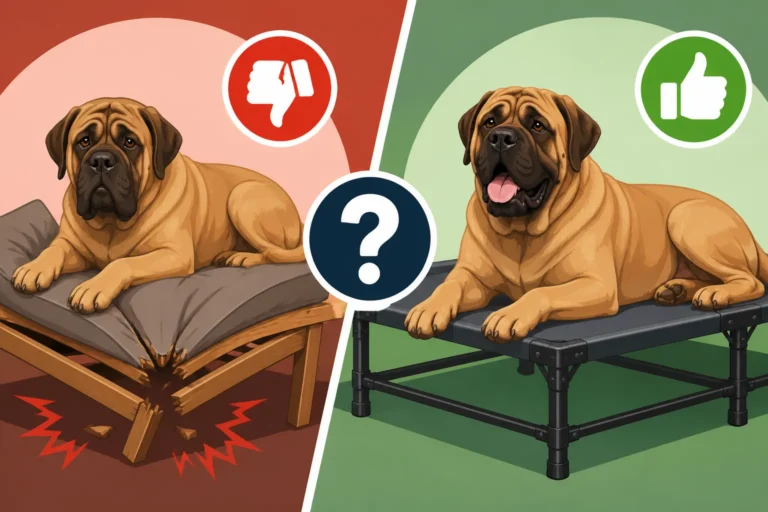
Your home environment needs to be ready for a Mastiff puppy, and that means investing in giant-sized essentials from day one. A large, sturdy crate is crucial for house training and providing a safe space, and these aren't cheap or small. Multiple durable beds will be needed, as a Mastiff puppy grows incredibly fast and will quickly outgrow smaller options, not to mention their potential to chew through less robust ones. Food and water bowls need to be appropriately sized and placed, and you'll go through a fair amount of puppy food formulated for large breeds, which often carries a premium. Consider reading The First Year With a Mastiff Puppy That Doubles in Size to understand their rapid growth and accompanying needs.
Then there's puppy-proofing your home. Anything within reach is fair game for curious jaws, and a Mastiff puppy can reach surprisingly high. Child locks, gates, and the removal of tempting, chewable items are essential. Toys need to be robust and designed for powerful chewers, and you'll find yourself replacing them more often than with smaller breeds. Leashes, collars, and harnesses also need to be heavy-duty and sized appropriately, and as your puppy grows, you'll likely need to upgrade these multiple times in the first year alone. All these items add up, making the first year a constant stream of new purchases and adaptations.
The Middle Years: Settling into a Routine, and Routine Costs
After the initial flurry of puppy expenses, the Mastiff enters its adult years. This period, typically from ages two to five or six, often feels more stable in terms of veterinary visits and frantic adjustments. However, "stable" doesn't mean "cheap." These are the maintenance years, where consistent, albeit predictable, expenses form the bulk of your budget. The sheer scale of a Mastiff means that even routine items come with a giant-sized price tag.
Ongoing Nutrition and Preventatives
Feeding a full-grown Mastiff is, without a doubt, one of your largest recurring expenses. These dogs can easily consume large quantities of high-quality kibble each month. While some might think a massive dog means massive food bills, Mastiffs actually have a slower metabolism than many other large breeds, and overfeeding can be detrimental to their joints. Still, buying food in bulk is almost a necessity, and premium giant-breed formulas – which are often recommended for their specific nutritional balance to support bone and joint health – come at a higher cost per bag. What Feeding a Two Hundred Pound Mastiff Costs a Month delves into this in detail. Brands like Chewy can be a lifesaver for scheduling regular bulk deliveries, helping you manage this consistent outflow.
On top of food, monthly or quarterly preventatives for fleas, ticks, and heartworm continue. Since these medications are dosed by weight, a two-hundred-pound Mastiff will always fall into the highest weight category, making these routine treatments considerably more expensive than for a smaller dog. It's a silent, steady drain on the budget, but one that is absolutely non-negotiable for their health. These aren't areas where you can compromise without putting your Mastiff at serious risk of preventable diseases.
Annual Check-ups and Potential Ailments
Even a healthy adult Mastiff needs annual veterinary check-ups. These visits are vital for monitoring their overall health, checking their teeth, assessing joint mobility, and discussing any changes in behavior or appetite. Given their size, special equipment might be needed, and routine bloodwork can be more costly due to the volume of reagents used. The vet might also recommend screening for conditions common to the breed, such as hypothyroidism or early signs of cardiac issues, adding to the annual expense.
While this period might have fewer emergency visits than puppyhood or seniority, Mastiffs are still prone to certain health concerns that can crop up unexpectedly. Skin fold infections, cherry eye, or allergies can require medication or even minor procedures. And then there's bloat (Gastric Dilatation-Volvulus), a life-threatening emergency that Mastiffs are particularly susceptible to due to their deep chests. An emergency bloat surgery is incredibly expensive and time-sensitive, a stark reminder of the unique vulnerabilities of the breed. It’s why some owners opt for a prophylactic gastropexy during spay/neuter surgery. You should definitely familiarize yourself with Bloat in the Deepest Chest of Any Breed: the Mastiff.
Maintenance and Upkeep
Beyond food and vet care, the middle years involve consistent maintenance. Even with a short coat, Mastiffs shed, and while they don't require extensive grooming, regular brushing, nail trims, and ear cleaning are necessary. Professional grooming, especially for nail trims on paws the size of dinner plates, can be more expensive due to the dog's size and the strength required to handle them. For many owners, DIY is the only affordable option, but it takes time and effort.
Your Mastiff will also continue to wear out beds, leashes, and toys. An orthopedic bed, while a good investment for their joints, may eventually need replacing. Training refreshers, whether through group classes or a private trainer, might be necessary to reinforce good manners, especially as a powerful adult. Even cleaning supplies see increased usage, from wiping drool off walls to handling larger "accidents." This steady stream of ancillary costs is often underestimated but contributes significantly to the overall expense of owning a large breed.
The Sunset Years: Navigating the Golden Age's Expenses
As Mastiffs are a giant breed, their "golden years" often begin earlier than many realize, sometimes around the age of five or six. This phase of their life, while incredibly precious, is almost universally the most financially demanding. Their bodies, having carried immense weight for years, begin to show the signs of age, and managing these conditions becomes a primary focus. Caring for a Mastiff Past Five is a stark look at this reality.
Increased Veterinary Needs for Aging Mastiffs
The frequency and cost of vet visits skyrocket in a Mastiff's last year or two. Arthritis is almost a given, requiring pain medication, joint supplements, and sometimes even specialized therapies like hydrotherapy or laser treatments. Older Mastiffs are also more prone to cancers, kidney disease, heart conditions, and other age-related ailments, each requiring diagnostic tests, ongoing medications, and specialized veterinary care. What a Mastiff's Weight Does to Every Line on the Vet Invoice becomes acutely clear here, as dosages for senior medications are based on their large size.
Diagnostic imaging, such as X-rays or ultrasounds, to pinpoint the cause of lameness or internal issues, can be considerably more complex and expensive for a two-hundred-pound dog. Sedation might be needed for many procedures, adding another layer of cost and risk. You're likely to be on a first-name basis with your veterinary staff, and the bills will reflect the increasing need for advanced care to keep your beloved companion comfortable and healthy for as long as possible.
Supporting an Aging Giant
An aging Mastiff will require significant adjustments to their environment and daily care, all of which come with financial implications. Orthopedic beds become even more critical to support aching joints and prevent pressure sores. These high-quality, dense foam beds, rated for a Mastiff's weight, are a definite investment. You might need multiple beds strategically placed around the house, so your dog doesn't have to navigate stairs or slippery floors unnecessarily. Consider What an Orthopedic Bed for a Mastiff Costs when budgeting for these essential items.
Mobility aids like lifting harnesses, ramps for cars or steps, and non-slip runners for hardwood floors become necessities. Specialized senior or prescription diets might be recommended to support kidney function, joint health, or weight management, and these often cost more than standard adult formulas. Administering multiple medications daily, sometimes for the rest of their lives, is a routine but costly part of senior Mastiff care. Your days will be structured around their needs, often involving more hands-on care for hygiene and comfort.
End-of-Life Planning
While heartbreaking to consider, planning for the end of a Mastiff's life is a responsible part of ownership. Euthanasia, cremation, or burial services all come with their own costs. The decision to say goodbye is emotionally devastating, and the added stress of financial concerns can make it even harder. Some owners opt for in-home euthanasia to provide a peaceful, familiar setting for their beloved friend, which typically costs more than a clinic visit.
Many people don't realize the range of options and associated costs until they are in the midst of grief. Pre-planning, or at least being aware of these potential expenses, can alleviate some burden during an already difficult time. It’s a somber reality that the final act of care for a Mastiff, like so many aspects of their life, comes with a distinct financial footprint.
Beyond the Invoice: Hidden Costs and Time Investments
The numbers on the vet bills and food receipts tell only part of the story when comparing a Mastiff's first year to its last. There are countless "hidden" costs, both financial and personal, that dramatically impact your life and your wallet throughout their lifespan. These are the elements that often surprise new owners and continue to shape the experience long after the puppy cuteness has worn off.
The Cost of Giant-Sized Everything
From the moment you bring home your Mastiff, you'll discover that everything needs to be bigger, stronger, and often, more expensive. Your car, for instance, needs to accommodate a growing and then fully grown giant, leading many to invest in SUVs or larger vehicles. Ramps for car entry become necessary, especially as they age, to protect their joints and save your back. The Furniture, Vehicle and Doors a Mastiff Changes is not an exaggeration – their size impacts your living space, from requiring wider doorways for crates to potentially needing more robust furniture to withstand their "lean" or their sheer mass.
Even items like heavy-duty vacuum cleaners for shedding, extra cleaning supplies for drool and accidents, and more frequent professional carpet cleanings contribute to the overall cost. Their sheer presence reshapes your home and your budget in ways you might not anticipate. It's not just about the items you buy; it's about the adaptations you make to your entire household to safely and comfortably house a gentle giant.
Time and Emotional Labor
The investment in a Mastiff isn't solely monetary; it's also a massive investment of time and emotional energy. Puppyhood demands constant supervision, house training, and socialization, often requiring hours each day dedicated to their development. Teaching them manners and basic obedience before they outweigh you is critical. Their sensitive nature means that positive, consistent training is paramount.
As they age, the time commitment shifts to specialized care: administering medications, helping them navigate your home, assisting them with getting up, and providing comfort during their declining health. The emotional toll of watching your beloved giant age, and dealing with chronic illnesses, can be immense. It's a constant act of love, compassion, and vigilance, often requiring you to put their needs above your own spontaneous desires.
Impact on Lifestyle and Travel
Owning a Mastiff significantly impacts your lifestyle. Spontaneous weekend trips become complicated, as finding boarding kennels or pet sitters willing and able to handle a dog of their size, with potentially complex medical needs, is a challenge. Many kennels have size restrictions or charge a premium. If you travel, you'll either pay substantially more for specialized care or bring your Mastiff, which limits your accommodation options and increases travel costs.
Even daily routines change. Walks need to be carefully managed to avoid overheating or overexertion, especially for puppies and seniors. Your social life might shift as well; not everyone is comfortable with a giant dog, and fitting a Mastiff into gatherings can be tricky. It's a commitment that pervades nearly every aspect of your life, making independent financial and personal decisions often secondary to your Mastiff's needs.
Planning for the Long Haul: Financial Strategies for Mastiff Ownership
Understanding the financial trajectory of Mastiff ownership, from the intense outlay of puppyhood to the comprehensive care of their senior years, is the first step. The next is to proactively plan for it. While no one can predict every twist and turn, strategic financial preparation can alleviate a great deal of stress and ensure your Mastiff receives the best possible care throughout their comparatively short life. What Eight Years With a Mastiff Comes To highlights the significant lifetime cost.
The Role of Pet Insurance
Pet insurance can be an invaluable tool for managing the unpredictable, often exorbitant, veterinary costs associated with a giant breed like the Mastiff. While premiums will naturally be higher for a large dog, especially one prone to conditions like bloat, hip and elbow dysplasia, and certain cancers, a good policy can soften the blow of major emergencies or chronic illness treatments. It's worth researching different providers and their coverage options early in your Mastiff's life, as pre-existing conditions are typically excluded.
Look for policies that offer robust coverage for accidents, illnesses, surgeries, diagnostics, and even some therapies. Some plans, like those offered by Healthy Paws, can provide peace of mind for those catastrophic "what if" scenarios, which are sadly a reality for many Mastiff owners. Carefully review waiting periods, deductibles, reimbursement percentages, and annual payout limits. Understanding these details before you need to file a claim is crucial. You can learn more about this by reading What Insuring a Mastiff for Its Six to Ten Years Costs.
Budgeting and Savings for the Unexpected
Beyond insurance, creating a dedicated budget for your Mastiff is non-negotiable. Break down expected monthly costs for food, preventatives, and routine grooming. Then, establish an emergency fund specifically for your dog. Even with insurance, you'll still have deductibles and a percentage of costs to cover. A healthy emergency fund can be a lifeline for sudden illnesses, accidents, or diagnostic tests that insurance might not fully cover.
Think about putting a certain amount aside each month from day one. Even if it's a modest sum, it accumulates over time and can be a huge relief when an unexpected vet bill for hundreds or thousands arrives. This proactive saving helps you avoid difficult choices driven by financial limitations during stressful times.
Smart Shopping for Giant Breed Needs
When it comes to the recurring costs of food and supplies, smart shopping can make a difference. Buying high-quality giant breed food in larger bags or bulk quantities often provides a better per-pound price. Setting up auto-shipments with retailers like Chewy can not only ensure you never run out, but sometimes also offer discounts. If you're exploring fresh food options, understanding the logistics and cost for a Mastiff's volume, as some providers like Ollie offer, is key. It's definitely a different ballgame than feeding a smaller dog.
For supplies like beds, crates, and toys, focus on durability. While the initial investment might be higher, a well-made, robust item that withstands a Mastiff's strength will ultimately be more cost-effective than constantly replacing cheaper alternatives. Joining Mastiff owner groups can also provide valuable insights into where to find deals on specialized equipment or reliable brands that stand up to giant breed wear and tear.
Disclaimer
This article is for general informational purposes only and does not constitute professional advice. Laws, prices and regulations vary by location and change over time. Consult a qualified professional for guidance on your specific situation.