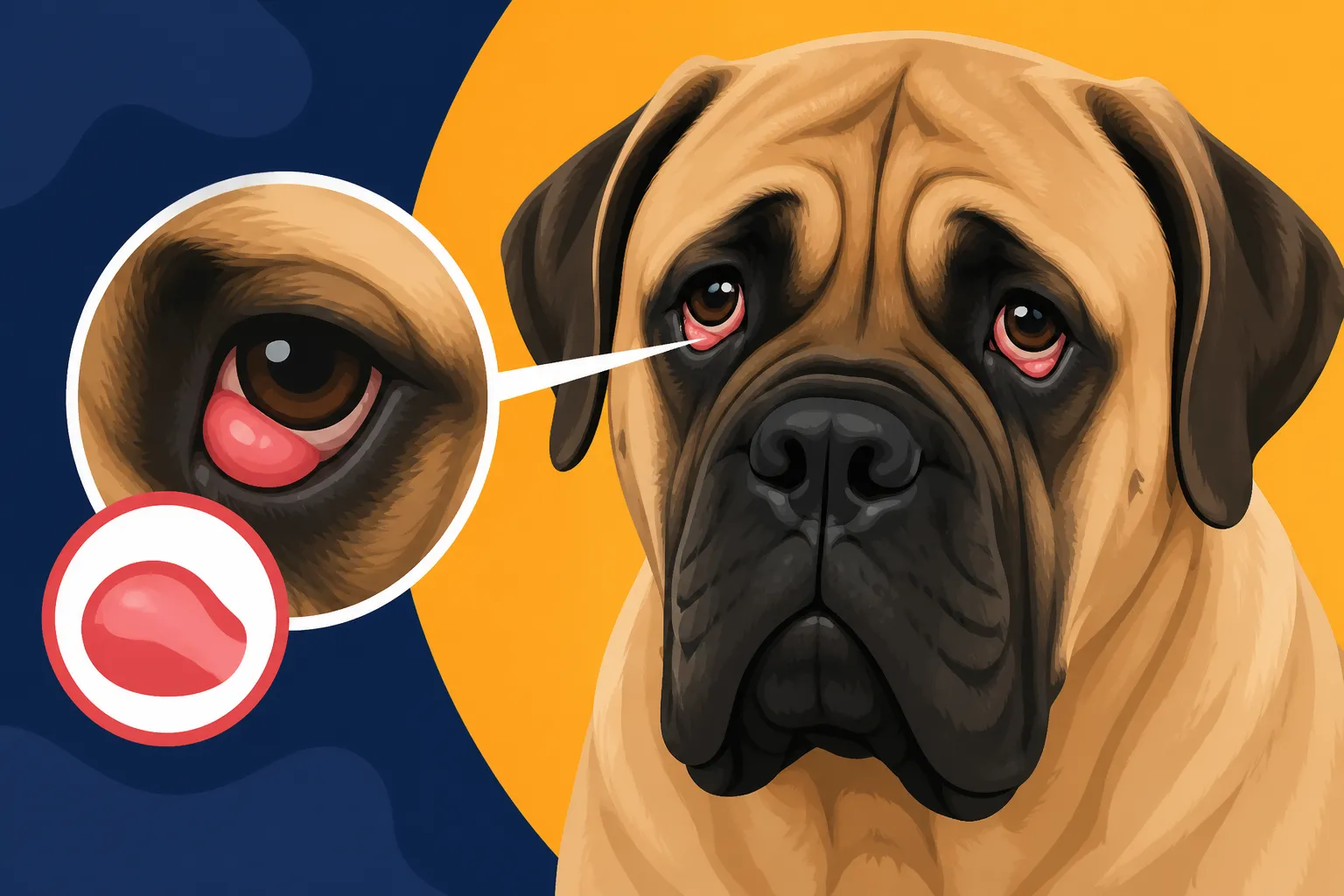
Cherry Eye in a Mastiff
Finding a sudden, bright red bulge in the corner of your gentle giant's eye can be incredibly alarming. This distressing sight, commonly known as cherry eye, isn't just cosmetic; it's uncomfortable for your Mastiff and can lead to more serious problems if not addressed promptly. This comprehensive guide will walk you through what cherry eye is, how to spot it, the unique reasons Mastiffs are susceptible, and the best ways to treat and manage this condition, helping you restore your beloved Mastiff's comfort and vision.
Understanding Cherry Eye in Mastiffs
When you look into your Mastiff's eyes, you expect to see deep, soulful pools, perhaps a bit of the characteristic droop, but certainly not a cherry-red mass protruding from the inner corner. This alarming appearance is precisely what gives "cherry eye" its name, and it’s a condition that Mastiff owners often encounter. It might seem to appear out of nowhere, but it's rooted in the anatomy of their third eyelid, also known as the nictitating membrane.
The Role of the Third Eyelid Gland
Dogs, unlike humans, have a third eyelid tucked away in the inner corner of their eye. This eyelid isn't just for show; it's a vital part of their ocular defense system. Embedded within this third eyelid is a lacrimal gland, responsible for producing a significant portion of the eye's tear film—around 30-50%, in fact. This tear production is crucial for keeping the eye moist, flushing out irritants, and delivering nutrients to the cornea. When this gland is healthy and functioning properly, you generally won't even notice its presence. It stays neatly secured in its normal position, diligently doing its job behind the scenes.
However, in certain breeds, including our magnificent Mastiffs, the connective tissue that anchors this gland in place can become weakened. Imagine a small anchor or ligament holding something securely; if that anchor stretches or breaks, the object it was holding can pop out. That's essentially what happens with cherry eye. The gland prolapses, meaning it pops out of its normal position and becomes visible as that distinctive red, swollen mass. It's not just an aesthetic issue; this exposed gland can't produce tears as efficiently, is prone to irritation, and can swell further, causing discomfort and potential long-term eye problems for your Mastiff.
Why Mastiffs Are Prone to This Condition
It's a frustrating reality that some breeds are just more predisposed to certain health issues, and cherry eye is one of them for Mastiffs. While it can occur in any breed, or even mixed breeds, it's particularly common in large, brachycephalic (short-nosed) breeds and certain giant breeds with loose facial skin or deep-set eyes, like our Mastiffs. The exact genetic mechanisms are still being researched, but it's widely accepted that there's a hereditary component at play.
One theory points to the overall conformation of the Mastiff's head and eyes. Their generally loose skin and sometimes deep-set eyes might contribute to a predisposition where the connective tissue securing the gland is inherently weaker or under greater stress. Think of it this way: if the surrounding structures don't provide as much inherent support, the delicate ligaments holding the gland are more likely to give way. This isn't a reflection of poor breeding in all cases, but rather a known breed-specific vulnerability. Responsible breeders are keenly aware of this and strive to select breeding stock that minimizes these risks, but it can still crop up unexpectedly. Knowing that your Mastiff might be more susceptible means being extra vigilant about regular eye checks and understanding the signs to look out for. Sometimes, the prolapse can happen suddenly after a bout of excitement, straining, or even just a sneeze, but the underlying weakness has usually been there all along.
Recognizing the Signs and Symptoms
Spotting cherry eye in its early stages is key to prompt and effective treatment. While the most obvious sign is that unmistakable red bulge, there are often subtle indicators that precede it or accompany it, which can help you catch the problem before it becomes severely inflamed or causes further complications. As a Mastiff owner, you're already attuned to your dog's nuances, and paying close attention to their eyes is an essential part of their overall care.
The Obvious Red Mass
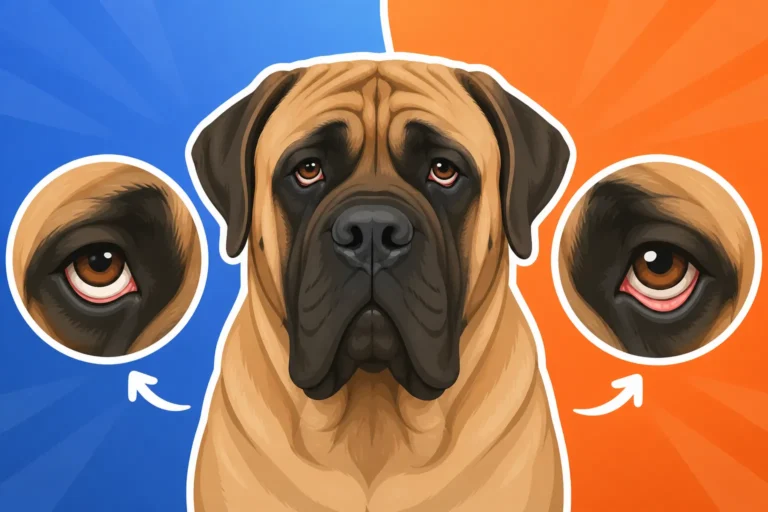
There’s no mistaking the signature sign of cherry eye: a small, round, reddish-pink mass protruding from the inner corner of your Mastiff's eye, closest to the nose. It truly looks like a tiny cherry has popped out. This is the third eyelid gland that has prolapsed. It can appear in one eye or, less commonly, in both eyes simultaneously. Sometimes, it might recede temporarily, only to pop back out again, especially during periods of excitement, exercise, or after sneezing or straining.
When the gland first prolapses, it might be relatively small and only mildly irritated. However, with continued exposure to air, dust, and other irritants, it can become inflamed, swollen, and even darker red. If left untreated, the exposed gland is vulnerable to drying out, which can impair its function and lead to secondary infections. You might notice your Mastiff rubbing their face on furniture or pawing at their eye, trying to relieve the discomfort. This rubbing, in turn, can exacerbate the irritation and swelling, creating a vicious cycle. The color is important to note; it should always be a vibrant red or pink. If it's a different color, like white or grey, it could be a different issue entirely, though this is less common with a prolapsed gland.
Accompanying Ocular Discomfort
While the visible "cherry" is the primary symptom, your Mastiff will likely exhibit other signs of discomfort. Because the exposed gland is no longer properly producing and distributing tears, you might notice the affected eye appears drier than usual. Conversely, you might also see increased tear production, as the eye tries to compensate for the malfunction or due to irritation from the exposed gland. This could manifest as clear, watery discharge, or even goopy, yellowish discharge if a secondary bacterial infection has set in.
Your Mastiff might be squinting, blinking excessively, or keeping the affected eye partially closed. These are all natural responses to pain, irritation, or light sensitivity. You might also observe them rubbing their face against furniture, carpets, or even using their paw to try and scratch at the area. This behavior can lead to further trauma, potentially scratching the cornea, which is a serious complication. It's crucial to prevent your Mastiff from self-traumatizing, even if it means using an Elizabethan collar (e-collar) until you can get to the vet. Remember, any change in your Mastiff's eye appearance or behavior warrants a prompt visit to your veterinarian. Early intervention can significantly improve the prognosis and minimize discomfort. Checking for issues like Whether a Mastiff's Eyes Water Constantly can also provide clues about general eye health.
Causes and Risk Factors Specific to Mastiffs
Understanding why cherry eye occurs in Mastiffs helps in both prevention and management. While it might seem like a random occurrence, there are underlying anatomical and genetic factors that place certain breeds, including our large-headed, often wrinkle-faced Mastiffs, at a higher risk. It’s not about blame, but about informed ownership.
Inherited Weakness in Ligaments
The primary culprit behind cherry eye is an inherited weakness in the connective tissue that holds the third eyelid gland in its proper position. Think of these ligaments as tiny, internal guy-wires. In breeds like the Mastiff, these "guy-wires" can be genetically predisposed to being too lax, too thin, or simply not strong enough to withstand the normal stresses on the eye area. When these ligaments fail, the gland, which is quite fatty and pliable, simply pops out. It’s not a disease of the gland itself, but rather a structural problem with its attachment.
This inherited predisposition means that if a Mastiff's parents or grandparents had cherry eye, the puppy has a higher chance of developing it too. This is why it's so important for prospective owners to ask breeders about the health history of their breeding stock, including any incidence of cherry eye. While not a life-threatening condition, it does require medical intervention, which can be costly and stressful. A breeder committed to the health of the breed will be transparent about these issues. This is also why What a Mastiff Eye Certification Costs is an important consideration for breeders to track and mitigate these genetic tendencies.
Anatomical Conformation of the Mastiff Head
The characteristic head conformation of the Mastiff, while beloved for its majestic appearance, can inadvertently contribute to the risk of cherry eye. Mastiffs often have a larger, heavier head, sometimes with a significant amount of loose skin around the face and eyes. This can sometimes lead to a slightly different tension or positioning of the ocular structures. Furthermore, the sheer size and weight of a Mastiff’s head mean that when they shake their head vigorously, sneeze powerfully, or even stretch, the forces on those delicate internal eye structures can be considerable.
While Mastiffs are not typically considered brachycephalic to the extent of a Bulldog, their facial structure often features a deeper orbital socket and sometimes a more prominent third eyelid. This can put additional strain on the gland's attachments. The combination of potentially weaker ligaments and the mechanical stresses of a large, heavy head can increase the likelihood of the gland prolapsing. This is not to say every Mastiff will get cherry eye, but it’s a known breed characteristic that warrants awareness. Understanding these anatomical nuances helps in recognizing that cherry eye isn't necessarily a sign of neglect, but rather a challenge inherent to the breed's magnificent physique.
Diagnosis and Initial Steps
Once you've noticed that alarming red protrusion in your Mastiff's eye, your next step is a trip to the veterinarian. Early diagnosis and intervention are crucial, not just for your dog's comfort, but to prevent potential secondary complications that can arise if the gland remains exposed and irritated. Don't try to "fix" it yourself; professional veterinary care is always the safest and most effective route.
Veterinary Examination and Confirmation
When you bring your Mastiff to the vet with suspected cherry eye, the diagnosis is usually quite straightforward, given the distinctive appearance of the prolapsed gland. Your veterinarian will perform a thorough ocular examination. This isn't just about looking at the cherry eye itself; they'll also check the other eye, assess overall eye health, and look for any concurrent issues. They'll likely perform a Schirmer tear test to measure tear production, especially in the affected eye, to determine if the prolapsed gland's function has already been compromised. They'll also check for any corneal abrasions or ulcers that might have resulted from your Mastiff rubbing the eye due to irritation.
In some cases, especially if there's any ambiguity or if the "cherry" doesn't present typically, your vet might recommend additional diagnostic tests. However, for a classic cherry eye presentation, the visual diagnosis is usually definitive. The vet will explain the condition, discuss the implications of leaving it untreated, and outline the available treatment options. It's a good time to ask any questions you have, from the specifics of the procedure to recovery expectations. They'll confirm that it is, indeed, a prolapse of the third eyelid gland and not another eye condition that might mimic its appearance, such as a tumor, although this is rare in this location. Understanding Eye and Eyelid Disease in a Mastiff more broadly can help you be a more informed owner.
Addressing Immediate Discomfort and Preventing Further Damage
Before any definitive treatment, your vet will want to address your Mastiff's immediate discomfort and prevent further damage. This usually involves prescribing anti-inflammatory eye drops or ointments to reduce swelling and irritation of the prolapsed gland. They might also prescribe antibiotics, especially if there are signs of a secondary bacterial infection, indicated by yellowish or green discharge. These medications help calm the inflammation, making your Mastiff more comfortable and creating a healthier environment for potential surgical intervention.
Crucially, your vet might recommend an Elizabethan collar (e-collar or "cone of shame") to prevent your Mastiff from pawing at or rubbing the affected eye. Self-trauma is a major concern with cherry eye, as scratching the eye can lead to serious corneal ulcers, which are much more painful and complex to treat. While your Mastiff might not be thrilled about wearing a cone, it's a temporary necessity for their well-being. Keeping the eye clean with a sterile saline solution might also be advised. These initial steps are vital for stabilizing the condition and preparing your Mastiff for the next phase of treatment, usually surgical correction.
Treatment Options: Medical vs. Surgical
When it comes to treating cherry eye in your Mastiff, you're generally looking at two main avenues: conservative medical management or surgical correction. While medical treatments can sometimes provide temporary relief or even resolve mild cases, surgery is overwhelmingly considered the most effective and permanent solution, especially for a large breed like the Mastiff where the prolapse tends to be more significant and persistent.
Medical Management: When It Might Work and Its Limitations
Medical management for cherry eye typically involves a regimen of topical anti-inflammatory medications, such as corticosteroid eye drops or ointments, and sometimes antibiotics if infection is present. The goal here is to reduce the swelling and inflammation of the prolapsed gland, in hopes that it might spontaneously retract back into its normal position. In very mild, acute cases, especially in younger puppies where the prolapse might be intermittent, a vet might attempt to manually reposition the gland with some gentle massage after applying medication.
However, the success rate of medical management alone for permanent resolution is relatively low, particularly in breeds like the Mastiff. Even if the gland recedes, it's often only temporary, and the cherry eye tends to pop back out, sometimes within hours or days. The underlying anatomical weakness remains unaddressed. Furthermore, long-term use of corticosteroid eye drops can have side effects and isn't ideal. For a Mastiff, whose comfort is paramount and who might struggle with prolonged e-collar use if the issue isn't resolved, relying solely on medical management usually leads to frustration and repeated veterinary visits. It might be a viable first step for very mild cases or as a temporary measure before surgery, but it's rarely the definitive answer.
Surgical Correction: The Gold Standard for Mastiffs
For most Mastiffs with cherry eye, surgical correction is the gold standard of treatment. The surgery aims to permanently reposition and secure the prolapsed gland back into its normal anatomical pocket behind the third eyelid. It's not about removing the gland, as that would significantly impair tear production and lead to lifelong dry eye, a far more serious condition. Instead, several surgical techniques exist, all designed to create a new, stronger attachment for the gland.
One common and highly effective technique is the "pocket technique" (Morgan pocket technique). In this procedure, the surgeon creates a small pocket or envelope of tissue within the third eyelid and tucks the prolapsed gland inside, then sutures the tissue closed over it. This essentially recreates the natural anchoring system. Another method involves tacking the gland down to the periosteum (bone covering) of the orbital rim. Both techniques have high success rates in properly trained hands. The surgery requires general anesthesia, and given a Mastiff's size, careful anesthetic monitoring is crucial. Your vet might recommend a specialist veterinary ophthalmologist for the procedure, especially if the case is complex or if there's significant inflammation. This surgery typically has a high success rate (over 90%), dramatically improving the Mastiff's comfort and preventing future complications. It's important to discuss all options thoroughly with your vet, including the risks and benefits. Given the financial implications, inquiring about Whether a Mastiff Needs Eyelid Surgery is a critical discussion point with your vet.
Here's a quick comparison of treatment approaches:
| Feature | Medical Management | Surgical Correction (Pocket Technique) |
|---|---|---|
| Goal | Reduce swelling, hope for spontaneous retraction | Permanently reposition and secure the gland |
| Effectiveness | Low success rate for permanent resolution | High success rate (over 90%) for permanent resolution |
| Invasiveness | Non-invasive (topical medications) | Invasive (requires general anesthesia and sutures) |
| Cost | Generally lower initial cost (medications, exams) | Higher initial cost (anesthesia, surgeon fees, follow-ups) |
| Recurrence | High likelihood of recurrence | Low likelihood of recurrence in the treated eye |
| Gland Function | May not fully restore if consistently exposed | Best chance of preserving full tear production |
| Comfort | Temporary relief, ongoing irritation possible | Long-term comfort after recovery |
| Best for | Very mild, intermittent cases; temporary measure | Most cases, especially persistent or recurrent prolapses |
The Importance of Not Removing the Gland
It bears repeating: the goal of cherry eye surgery is never to remove the third eyelid gland. Unfortunately, in the past, or sometimes in less informed practices, the gland was mistakenly removed. This is a severe error with lifelong consequences. The third eyelid gland is a crucial tear producer. Its removal drastically reduces the eye's natural tear production, leading to a debilitating condition called Keratoconjunctivitis Sicca (KCS), or "dry eye."
Dry eye in a Mastiff is a chronic, painful, and challenging condition that requires daily, lifelong medication (such as cyclosporine or tacrolimus eye drops) to stimulate tear production and manage symptoms. Without adequate tears, the eye becomes chronically irritated, prone to infections, corneal ulcers, and eventually can lead to impaired vision or even blindness. The financial and emotional burden of managing KCS is far greater than that of treating cherry eye surgically. Therefore, always ensure that any veterinary professional discussing cherry eye treatment emphasizes repositioning, not removal. Preserving your Mastiff's tear-producing gland is paramount for their long-term eye health and quality of life. For concerns about pet insurance covering such procedures, it’s worth investigating Whether Insurance Excludes a Mastiff's Eyes to ensure you’re covered.
Post-Operative Care and Long-Term Management
The journey doesn't end with surgery; post-operative care is crucial for a successful recovery and to ensure the gland remains in its new, secure position. Your Mastiff's comfort and long-term eye health depend on diligent follow-through after they come home from the veterinary clinic.
Ensuring a Smooth Recovery After Surgery
After cherry eye surgery, your Mastiff will need a quiet, comfortable place to recover. They will likely come home with an Elizabethan collar (e-collar) firmly in place, and it's absolutely vital that they wear it continuously for the recommended period, typically 10-14 days. This e-collar prevents them from pawing at the surgical site, which could reopen sutures, introduce infection, or cause severe damage. Removing the e-collar, even "just for a minute," can undo all the good the surgery achieved.
You’ll also be sent home with a regimen of eye drops and/or oral medications. These usually include anti-inflammatory drops to reduce swelling, antibiotic drops to prevent infection, and possibly oral pain relief. Administering these medications faithfully, exactly as prescribed, is paramount. For a large dog like a Mastiff, holding their head still for eye drops can be a challenge, so enlist help if needed and make it a positive experience with treats and praise. Keep the surgical site clean by gently wiping away any discharge with a sterile saline solution and a clean cotton ball, always wiping away from the eye. Monitor the eye daily for excessive swelling, redness, discharge, or signs of pain. Follow-up appointments with your vet are essential to check healing progress and remove any external sutures if necessary.
Potential Complications and What to Watch For
While cherry eye surgery has a high success rate, complications can occur, and it's important to be aware of them. The most common complication is recurrence, where the gland prolapses again, either in the same eye or, less commonly, the other eye if it wasn't affected initially. If this happens, a second surgery might be necessary, sometimes using a different technique or a specialist referral. This is where investing in pet insurance like Healthy Paws can truly alleviate some of the financial burden, as follow-up surgeries can add up.
Other potential complications include infection at the surgical site, which would manifest as increased redness, swelling, pus-like discharge, and pain. Contact your vet immediately if you suspect an infection. Corneal ulcers can also occur, either from self-trauma during recovery (if the e-collar isn't worn properly) or if the sutures irritate the cornea. Symptoms include squinting, excessive tearing, and cloudiness of the cornea. Decreased tear production leading to dry eye, while rare after proper repositioning surgery, is still a possibility and warrants ongoing monitoring, especially if tear tests were abnormal pre-operatively. Vigilant observation and adherence to post-operative instructions are your best defense against these issues.
Prevention and Breeder Considerations
While cherry eye is largely an inherited condition, there are steps owners can take, and responsible breeders absolutely should take, to minimize its occurrence and manage its impact on the breed. For potential Mastiff owners, choosing a puppy wisely is the first line of defense.
Choosing a Reputable Breeder and Health Screening
For anyone considering bringing a Mastiff into their home, selecting a reputable breeder is arguably the most important preventative measure against inherited conditions like cherry eye. Responsible Mastiff breeders will prioritize health and temperament above all else. They should be transparent about the health history of their breeding lines, including any incidence of cherry eye in parents, grandparents, or previous litters. While there isn't a specific DNA test for cherry eye, breeders should still be conducting general eye certifications through organizations like the Orthopedic Foundation for Animals (OFA) or the Canine Eye Registration Foundation (CERF), now part of OFA's Eye Certification Registry (ECR). These certifications, often included as part of The CHIC Four Plus the DNA Stack Behind a Mastiff's Price, involve an examination by a board-certified veterinary ophthalmologist to screen for various eye conditions, including cherry eye, before breeding.
A reputable breeder will not breed a Mastiff that has had cherry eye, or at least not without carefully considering the genetic implications and pairing with a mate from lines with no history of the condition. They should be willing to share all health clearances and discuss their breeding philosophy with you openly. Be wary of breeders who offer "bargain" Mastiff puppies without proof of health testing, as this often indicates corners have been cut, potentially leading to higher vet bills down the line. A healthy puppy from a responsible breeder is an investment in your Mastiff's future well-being. Looking for a breeder who regularly obtains Whether a Mastiff Should Have a Yearly Eye Exam for their breeding stock is a good indicator of their commitment to ocular health.
Managing Environmental Factors and Overall Eye Health
While genetics are the primary driver of cherry eye, maintaining optimal overall eye health and minimizing environmental irritants can support your Mastiff's ocular well-being. Ensure your Mastiff lives in a clean environment, free from excessive dust, smoke, or strong chemical fumes that could irritate the eyes. Regular gentle cleaning around the eyes with a damp cloth can help remove debris and prevent irritation.
Be mindful of activities that might cause excessive straining or head trauma. For instance, vigorous games with rough play or allowing your Mastiff to stick their head out of a car window at high speeds can potentially expose their eyes to trauma or excessive air current, which might exacerbate a latent weakness. While these aren't direct causes, minimizing unnecessary stress on the eyes can only be beneficial. Regular veterinary check-ups are also crucial for early detection of any eye issues. Your vet can spot subtle signs of irritation or inflammation before they escalate. And remember, for unexpected vet bills, investing in pet insurance like Healthy Paws can be a lifesaver, covering a significant portion of the costs for unforeseen conditions like cherry eye. Planning for The Full Cost of Eight Years With a Mastiff should always include a buffer for health issues.
Disclaimer
This article is intended for informational purposes only and does not constitute veterinary advice. Always consult with a qualified veterinarian for any health concerns or before making any decisions about your Mastiff's care.