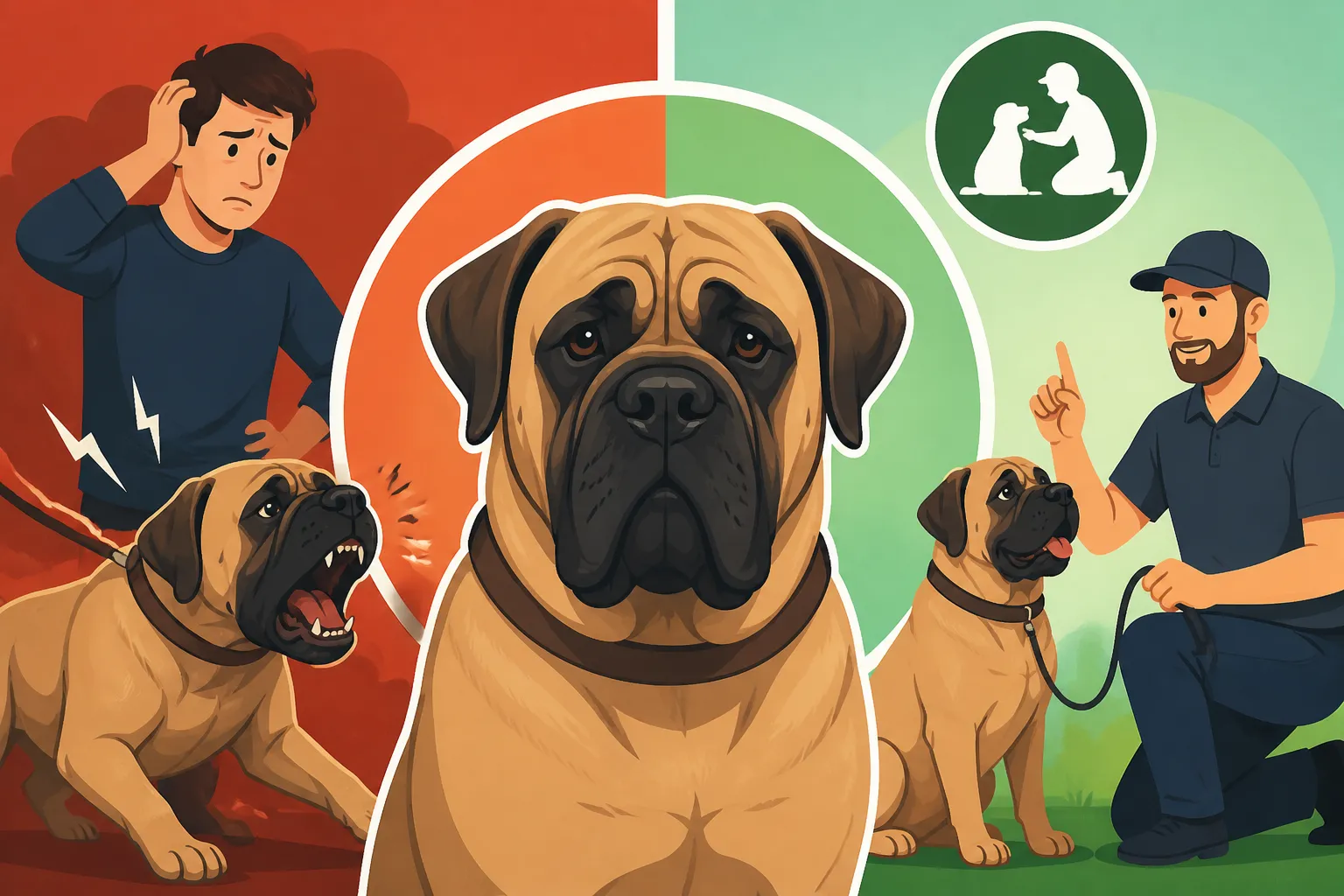
When a Mastiff Owner Should Hire Training Help
There comes a point for many Mastiff owners where that adorable, clumsy giant puppy starts to become… well, a truly giant dog. Suddenly, those cute quirks like leash tugging turn into genuinely dangerous pulling, and gentle nudges become body slams. It’s a common frustration, feeling like you’re losing control as your sweet companion grows exponentially, and you begin to realize that a traditional obedience class might not be enough. This guide is here to help you understand precisely when calling in professional training help isn't just a good idea, but a necessary step to ensure a happy, safe life for both you and your magnificent Mastiff.
When You Need to Lay the Groundwork Right Away
Bringing home a Mastiff puppy is an exciting time, but it’s also a race against the clock. These dogs grow so incredibly fast, reaching immense sizes before you know it. What might be an adorable puppy behavior at 30 pounds can become a massive problem at 150 pounds. This is why early, proactive training, often with professional guidance, is paramount.
Navigating the Critical Puppy Socialization Window
The period from approximately 8 to 16 weeks is crucial for a Mastiff puppy's socialization. During this time, they are like sponges, soaking up experiences and forming their understanding of the world. A Mastiff that isn't properly socialized during this window can develop fear, anxiety, or even aggression towards novel situations, people, or other dogs as an adult. Given their sheer size, an undersocialized Mastiff can be a genuine danger, even unintentionally.
Many new Mastiff owners, perhaps having experience with smaller breeds, underestimate the importance of this early work. A professional trainer, especially one familiar with giant breeds, can guide you through appropriate socialization experiences, ensuring your puppy meets a wide variety of friendly people and calm, vaccinated dogs without being overwhelmed. They can teach you how to read your Mastiff's subtle body language, how to create positive associations, and how to safely expose them to new sights and sounds. This isn't just about preventing bad habits; it's about building a solid foundation of confidence and good manners that will serve your Mastiff for its entire, albeit sometimes too short, life. Remember, a well-socialized Mastiff is a joy, but an isolated one can be a tragic burden. For more on this, you might find our article Socializing a Mastiff Puppy Before It Gets Heavy helpful.
Establishing Foundational Manners Before Size Becomes an Issue
Imagine a 200-pound dog jumping up to greet guests, or dragging you down the street on a leash. These aren't just annoying; they're dangerous. The window for easily teaching a Mastiff not to pull on a leash or jump on people closes rapidly as they gain size and strength. A professional trainer can help you instill these critical foundational manners while your Mastiff is still a manageable size.
They can teach you how to use positive reinforcement effectively, how to manage your environment, and how to choose the right tools (like a front-clip harness or head halter, which you might find browsing on Chewy) that won't cause pain or exacerbate fear. Learning these techniques early means you won't be battling a full-grown Mastiff whose behaviors have become deeply ingrained. It also means you’re protecting your Mastiff from inadvertently harming someone, which could have serious consequences. Don't wait until your Mastiff is literally dragging you; get help when they're still small enough to be physically guided. You want to avoid How Much Force a Mastiff Can Apply on a Leash at all costs.
Addressing Specific Behavioral Challenges Before They Escalate
Sometimes, despite your best efforts, particular behaviors emerge that are difficult to manage on your own. For a Mastiff, these issues can quickly become unmanageable due to their size, making professional intervention not just beneficial, but often essential for safety and peace of mind.
When Leash Reactivity or Aggression Starts to Show
Few things are more terrifying than being walked by a huge dog that suddenly lunges, barks, or growls at another dog or person. Mastiffs, despite their calm demeanor, can sometimes develop leash reactivity or even true aggression. This might manifest as pulling ferociously towards another dog, barking aggressively at strangers, or even trying to put themselves between you and a perceived threat. Whether a Mastiff Pulls on a Leash can go beyond a simple nuisance. These behaviors aren't just embarrassing; they pose a significant risk to the public and to your own physical well-being.
If you notice your Mastiff exhibiting any form of reactivity or aggression, even if it seems minor, it's time to call in a professional. A certified professional dog trainer or a veterinary behaviorist can help identify the root cause of the behavior, whether it's fear, anxiety, territoriality, or something else entirely. They can then develop a tailored behavior modification plan that focuses on positive reinforcement, counter-conditioning, and desensitization. Trying to handle these issues yourself, especially with a dog as powerful as a Mastiff, can inadvertently make the problem worse, potentially reinforcing the unwanted behavior or even putting you in a dangerous situation. This is where investing in professional help can literally be a lifesaver for your dog and a safeguard for everyone around them.
Managing Resource Guarding or Excessive Guarding Behaviors
Mastiffs were historically bred to guard, so some degree of protective instinct is natural. However, this instinct can sometimes escalate into problematic resource guarding (of food, toys, space, or even people) or excessive territorial guarding, like aggressively reacting to every knock at the door or person walking past your window. How a Mastiff Judges a Stranger at the Door is an important nuance. When a Mastiff decides a resource is theirs and becomes possessive, or views every approaching person as an intruder, it creates a very stressful and potentially unsafe living situation.
If your Mastiff is growling when you approach their food bowl, snapping when you try to take a toy, or becoming overly agitated and unmanageable when someone approaches your property, a professional trainer is crucial. They can help you implement strategies to mitigate resource guarding, such as "trade-up" games for toys, or structured feeding routines. For territorial guarding, a trainer can help you teach your Mastiff appropriate responses to stimuli, providing alternative behaviors and teaching them that not every visitor is a threat. They might also help you manage the environment more effectively, perhaps by blocking sightlines to windows or using crate training with a safe, cozy crate from Chewy to provide a secure space. Addressing these issues early can prevent a minor growl from escalating into a serious bite incident, preserving both your peace of mind and your Mastiff's place in your home and community.
When Your Mastiff Becomes Physically Difficult to Manage
Let's be honest, a full-grown Mastiff is an impressive physical specimen. Even the most well-meaning owner can struggle with their sheer strength and weight. Perhaps your Mastiff has decided to plant itself on the sidewalk and refuse to move, a common Mastiff trait known as "planting." Or maybe they jump on you with such force that you fear breaking a bone. When your Mastiff’s physical presence becomes a challenge you can no longer manage safely, a professional trainer is an invaluable resource.
A trainer can introduce you to specific handling techniques, appropriate walking equipment, and methods for redirecting that immense physical energy safely. They can teach you how to get a stubborn Mastiff moving again, or how to reliably cue a "four on the floor" behavior when guests arrive. Sometimes, simply learning how to leverage your own body weight and movement can make a huge difference in managing a large dog. They might even recommend specific enrichment activities, like scent work or puzzle toys from Chewy, to mentally tire your Mastiff without putting undue stress on their joints, especially relevant given Why a Mastiff Puppy Must Not Be Exercised Hard. Remember, being physically capable of managing your dog isn't about being stronger than them, but smarter.
When You're Feeling Overwhelmed or Outmatched
Owning a Mastiff is a deeply rewarding experience, but it's also a significant commitment that can be physically and emotionally taxing. There are times when the sheer scale of the challenge can feel overwhelming, and that’s a clear signal that it’s time to seek expert help.
If You're Experiencing Frustration or Helplessness
It's completely normal to feel frustrated, overwhelmed, or even helpless when dealing with a challenging dog behavior, especially with a breed as large and powerful as a Mastiff. You might be putting in hours of effort, reading books, watching videos, and still feel like you're getting nowhere. Perhaps you're constantly scrubbing drool off walls, trying to manage a counter-surfing expert, or dealing with destructive chewing that feels impossible to curb. The Stubbornness That Is Actually a Mastiff Thinking can be infuriating! This emotional toll can strain your relationship with your dog and even affect your household.
When these feelings become persistent, it’s a critical indicator that you need external support. A professional trainer or behavior consultant brings a fresh perspective, an objective eye, and a wealth of experience. They can identify subtle cues you might be missing, troubleshoot your current methods, and provide practical, step-by-step guidance. They can also offer emotional support and reassurance, reminding you that you're not alone in these challenges. Getting help isn't a sign of failure; it's a sign of a responsible owner who cares deeply about their Mastiff and wants the best for both of you. Sometimes, having an external guide is the only way to break through a rut and reconnect positively with your giant companion.
For Addressing Separation Anxiety or Destructive Behaviors
Mastiffs, despite their imposing size, can be incredibly sensitive and prone to Separation Anxiety in a Mastiff. If your Mastiff is exhibiting destructive chewing, excessive barking, house-soiling, or intense distress when left alone, these are classic signs of separation anxiety. This isn't just "being naughty"; it's a genuine panic disorder that requires careful, compassionate intervention. Similarly, if your Mastiff is constantly destroying furniture or digging up your yard out of boredom or anxiety, these are calls for help that extend beyond simple obedience.
Addressing these complex behavioral issues often requires the expertise of a professional, ideally a certified professional dog trainer with experience in anxiety or a veterinary behaviorist. They can help differentiate between true separation anxiety and other behavioral issues, then create a gradual, systematic plan to alleviate your Mastiff's distress. This might involve counter-conditioning, desensitization, medication in some severe cases, and environmental management. They can also advise on appropriate enrichment, such as long-lasting chews or puzzle toys from Chewy, to keep your Mastiff occupied and mentally stimulated. While training can seem like an added expense, the cost of replacing furniture damaged by a distressed Mastiff, or even vet bills related to anxiety (some of which pet insurance like Healthy Paws might cover), can quickly dwarf the cost of a good trainer. You might find that even incorporating high-value treats from a company like Ollie can aid in creating positive associations with your absence.
When Safety Concerns Arise for Family Members or Other Pets
The ultimate reason to seek professional training help is always safety. If you, your children, or other pets are at risk of injury due to your Mastiff's behavior, do not delay. This includes unintentional harm, such as a large dog accidentally knocking over a toddler, or more serious concerns like snapping, growling, or lunging at family members or other animals in the household. A Mastiff in a House With Small Children requires meticulous supervision and training.
A professional trainer or veterinary behaviorist can assess the situation, identify triggers, and help you implement management strategies to ensure everyone's safety immediately. They can also guide you through behavior modification protocols to change the underlying emotional responses that drive these concerning actions. This isn't a DIY project; the stakes are too high. Their expertise can help you establish clear boundaries, teach appropriate interactions, and rebuild trust within the household. Prioritizing safety through professional intervention is the most responsible action an owner can take, ensuring your Mastiff can remain a cherished member of your family without posing a risk.
Types of Professional Training Help and When to Engage Them
Understanding the different kinds of help available can guide you to the right resource at the right time. Not every issue requires a veterinary behaviorist, and some complex problems are beyond what a basic obedience instructor can address.
Understanding Different Training Professionals
It's important to know the difference between the various professionals who offer help with dog behavior.
- Dog Trainer/Obedience Instructor: These professionals typically focus on teaching obedience cues (sit, stay, come), leash manners, and basic problem-solving for common behavioral issues like house-training, jumping, and mild leash pulling. They often offer group classes or private sessions. They are excellent for foundational training and addressing issues before they become deeply ingrained.
- Certified Professional Dog Trainer (CPDT): These trainers have met specific requirements for experience and knowledge and have passed a certification exam. They often specialize in positive reinforcement methods and can handle a broader range of behavioral issues than a basic instructor, including some reactivity and fear-based behaviors. They are a good choice for most moderate behavioral challenges.
- Behavior Consultant: This term can sometimes overlap with CPDT, but often implies a deeper focus on behavior modification for more complex issues, without necessarily being a veterinarian. They have extensive knowledge of learning theory and behavior science.
- Veterinary Behaviorist (Dip. ACVB): This is a licensed veterinarian who has gone on to complete a residency and board certification in animal behavior. They are qualified to diagnose and treat behavioral disorders, including prescribing medication when necessary. They are the go-to specialists for severe aggression, severe separation anxiety, compulsive disorders, and when medical conditions might be contributing to behavioral problems. If you're consulting with a vet behaviorist, it's wise to ensure your pet insurance, like Healthy Paws, has robust coverage for behavioral therapy.
| Type of Professional | Best Suited For | Key Services Offered | When to Call Them |
|---|---|---|---|
| Obedience Instructor | Basic manners, puppy classes, simple cues | Group classes, basic private lessons | New puppy, foundational training, mild house-training issues, general manners, Teaching a Mastiff Before It Outweighs You |
| Certified Professional Dog Trainer (CPDT) | Moderate behavioral issues, fear, mild reactivity, complex obedience | Private consultations, behavior modification plans, specialized classes | Leash pulling, jumping, resource guarding (mild), shy dogs, improving handler skills |
| Veterinary Behaviorist (Dip. ACVB) | Severe behavioral disorders, aggression, phobias, anxiety, compulsive behaviors | Diagnosis, medication management, comprehensive behavior modification | Severe aggression towards people or animals, debilitating separation anxiety, sudden changes in behavior, when previous training has failed |
The Right Time to Seek Different Levels of Help
Knowing when to step up your request for help is key. For a Mastiff, given their potential impact, it’s often better to err on the side of caution and seek help sooner rather than later.
- Puppyhood: As soon as your Mastiff puppy comes home, consider a puppy class or private sessions with a positive reinforcement trainer. This is essential for early socialization and building a strong foundation. The Mastiff Puppy You Are Not Allowed to Exercise still needs mental stimulation and training.
- Emergence of Problem Behaviors: The moment you notice a consistent, unwelcome behavior—whether it’s pulling on the leash, jumping, counter-surfing, or growling over food—contact a certified professional dog trainer. Do not wait for the behavior to become entrenched, especially with a Mastiff.
- Safety Concerns or Escalating Aggression: If your Mastiff is showing any signs of aggression towards people or other animals, or if you feel unsafe managing them, immediately consult a veterinary behaviorist. Do not try to handle this alone. This is not a situation for an inexperienced trainer or self-help books.
- Unresolved Issues: If you've been working with a trainer and still aren't seeing progress, or if the behavior seems to be worsening, it might be time to escalate to a veterinary behaviorist who can explore underlying medical or psychological factors and potentially combine behavioral modification with medication.
Ultimately, investing in professional training for your Mastiff is an investment in their happiness, your peace of mind, and the safety of your community. It's not a luxury; for a giant breed like the Mastiff, it's often a necessity.
Disclaimer
This article is for general informational purposes only and does not constitute professional advice. Laws, prices and regulations vary by location and change over time. Consult a qualified professional for guidance on your specific situation.