Whether a Mastiff Needs Help Up Stairs
One of the biggest concerns for any Mastiff owner, especially those living in multi-story homes, is navigating stairs. Our gentle giants grow to an immense size, and their sheer bulk, coupled with a predisposition to joint issues, makes every step up or down a potential hazard. This guide aims to delve deeply into why stairs pose such a challenge for Mastiffs at every life stage, and more importantly, what practical steps you can take to keep your beloved companion safe and comfortable.
The Unique Challenges Mastiffs Face with Stairs
It’s not just about their size; it’s about their delicate growth, massive weight, and the silent struggles of aging. A Mastiff's body isn't built for the repetitive stress of stairs, and understanding this is the first step in providing the best care.
Growth Plate Vulnerability in Mastiff Puppies
Those adorable, clumsy Mastiff puppies might look robust, but their skeletal systems are incredibly fragile during their rapid growth phase. Their bones are growing at an astonishing rate, and the soft growth plates at the ends of their long bones are not yet fused and are highly susceptible to damage. Every jump, every hard landing, and yes, every trip up or down a flight of stairs, puts immense strain on these vulnerable areas.
Think of it like this: a human child's growth plates are still open for years, and we wouldn't encourage them to engage in high-impact activities. For a Mastiff puppy, which can easily double its weight in just a few months, the forces acting on those growth plates are exponentially higher. Allowing a young Mastiff to bound up and down stairs can lead to micro-traumas that may not show up immediately but can contribute significantly to debilitating conditions like hip and elbow dysplasia later in life. It's a silent damage that compounds over time. Many breeders and vets will strongly advise against any stair climbing for the first six months, sometimes even longer, depending on the individual puppy's development. It’s a crucial period where careful management can literally prevent a lifetime of pain. The Walk Length That Damages a Mastiff Puppy highlights how even controlled exercise needs to be managed for these growing giants.
Exacerbation of Joint Conditions in Adult Mastiffs
As Mastiffs mature, their weight becomes a dominant factor. An adult Mastiff can easily weigh upwards of 150-200 pounds, with some males tipping the scales even higher. This monumental mass puts constant pressure on their joints, especially the hips and elbows, which are already prone to genetic conditions like dysplasia. Going up stairs requires powerful propulsion from the hindquarters and significant flexion of the hip, knee, and hock joints. Coming down stairs, on the other hand, puts extreme braking forces on the front limbs, particularly the elbows and shoulders.
If your Mastiff already has subclinical or diagnosed hip or elbow dysplasia, even a few trips up or down stairs daily can exacerbate inflammation, increase pain, and accelerate degenerative changes. It's like asking someone with bad knees to regularly climb a ladder. They might manage it, but at what cost to their long-term joint health? The grinding impact and twisting motion can wear down cartilage faster, leading to earlier onset of Arthritis in a Mastiff at Four and a decreased quality of life. This isn't just about discomfort; it's about preserving their mobility for as long as possible.
Age-Related Mobility Decline in Senior Mastiffs
The golden years for a Mastiff often begin earlier than for smaller breeds, sometimes as young as five or six years old. Why a Mastiff Is Old at Five helps frame this timeline. With age comes a natural decline in muscle mass, joint flexibility, and proprioception – their awareness of where their body parts are in space. Arthritis, common in large breeds, becomes more pronounced. You might notice your once agile Mastiff hesitating at the bottom of the stairs, struggling to lift their hind legs, or losing their footing on the way down.
An older Mastiff might develop weakness in their hindquarters, making it hard to generate the power needed to climb. Descending can be even scarier, as poor vision, decreased balance, and painful joints make each step a precarious leap. A slip or fall on the stairs for a senior Mastiff isn't just an inconvenience; it can lead to severe injury, fractures, or strains that drastically impact their remaining years. It's heartbreaking to watch them struggle, and it's our responsibility to make their environment as safe and accessible as possible. At this stage, helping them isn't just an option; it's often a necessity for their comfort and safety.
Training Your Mastiff to Navigate Stairs Safely
Even with their inherent challenges, some Mastiffs can learn to use stairs, especially if introduced correctly and with appropriate caution. However, the emphasis is always on safety and minimizing strain.
Gradual Introduction and Positive Reinforcement
If you decide your Mastiff absolutely must use stairs, the approach needs to be incredibly slow and positive. Start with a single step, perhaps from a landing, using high-value treats and enthusiastic praise. The goal is to build confidence and associate stairs with positive experiences, not fear or pain. Place treats on the step, encourage them to take one step up, then immediately praise and reward. Repeat this for going down, always focusing on a slow, controlled movement.
Gradually, introduce more steps, but never force or rush your Mastiff. If they show any hesitation or discomfort, stop immediately. Short training sessions, perhaps just a few minutes, are key to preventing fatigue and maintaining their interest. This isn't about speed; it's about careful, deliberate movement. Remember, a Mastiff is sensitive and will shut down if pressured. The Sensitivity Nobody Expects in a Two Hundred Pound Mastiff truly underscores this point. You want them to choose to engage with the stairs, not feel compelled by fear or harsh correction. This might take weeks or even months, but patience is vital for such a large dog.
Using Harnesses and Lifting Aids for Support
For many Mastiffs, especially those with any degree of joint weakness or in their senior years, physical assistance is non-negotiable. A sturdy, well-fitting harness with a handle can be a lifesaver. This isn't just for control, but for providing crucial support as they navigate stairs. As they ascend, you can lift gently from the handle, taking some weight off their hindquarters. When descending, you can act as a brace, slowing their movement and preventing a sudden lurch or fall.
There are also specialized lifting aids and slings designed for large breeds, which can support their abdomen or hindquarters. These are particularly useful for older Mastiffs or those recovering from injury. Remember, Lifting an Old Mastiff That Cannot Get Up is a monumental task, and having the right equipment makes it safer for both you and your dog. Practice using these aids on flat ground first to get your Mastiff comfortable with the sensation of being supported before attempting stairs. Always ensure you have a firm grip and that the aid is properly adjusted to prevent discomfort or injury. You can find many options on platforms like Amazon or Chewy, making sure to read reviews for durability and fit for giant breeds.
The Importance of Non-Slip Surfaces
Slippery stairs are an accident waiting to happen for a Mastiff, especially one with a heavy build and sometimes awkward gait. Hardwood, tile, or polished concrete stairs offer no traction, making it incredibly difficult for their large paws to gain purchase. This can lead to dangerous slips, falls, and injuries. Even if your Mastiff is young and seemingly agile, a single slip can cause significant damage to their joints.
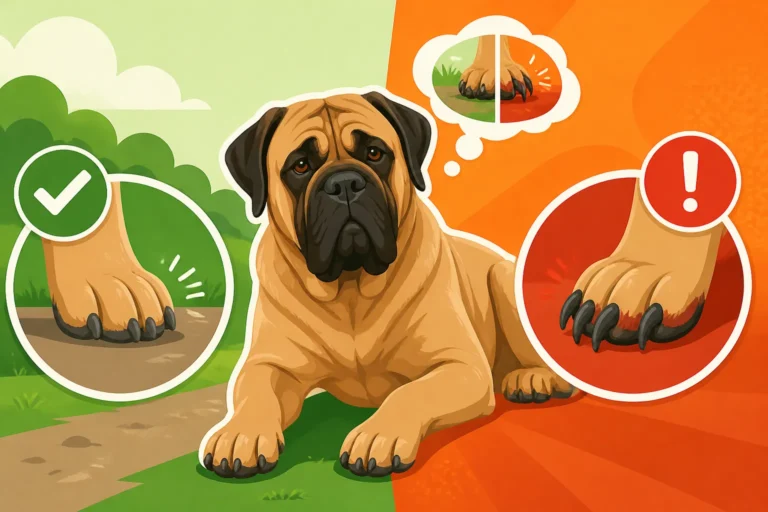
The simplest solution is to install non-slip runners or carpet on your stairs. Ensure they are securely fastened and cover the entire width of each tread. For a temporary solution, you can use non-slip mats or strips, but always prioritize safety over aesthetics. Regularly trim your Mastiff's nails and keep the hair between their paw pads short to maximize their natural grip. A combination of good paw care and appropriate stair coverings can dramatically reduce the risk of accidents and instill more confidence in your Mastiff as they use the stairs. What Bare Floors Do to a Growing Mastiff speaks to this critical need for traction throughout your home.
When and How to Provide Direct Assistance
Knowing when to step in and how to effectively help your Mastiff up or down stairs is crucial for their well-being. It's about recognizing the signs of struggle and having a plan.
Recognizing Signs of Difficulty or Pain
Your Mastiff can’t tell you in words that their hips ache or their elbows are sore, but they will communicate through their behavior. Pay close attention to any changes in their stair-climbing habits. Are they hesitating at the bottom or top of the stairs? Do they move slower than usual? Are they leaning heavily against the railing or wall? Do they whimper, grunt, or show any signs of discomfort?
Lameness, stiffness, or a reluctance to put weight on a particular leg after using the stairs are clear red flags. If they lose their footing repeatedly, or seem disoriented, it’s a strong indication they need help. Sometimes, they might simply sit down and refuse to move, a classic Mastiff communication that something is wrong or too difficult. Any of these signs warrant a discussion with your veterinarian. They can assess for underlying conditions like What Degenerative Myelopathy Does to a Mastiff or severe arthritis and advise on pain management or physical therapy. Ignoring these signals can lead to further injury and unnecessary suffering.
Using Ramps or Building a Staircase Alternative
For many Mastiff owners, the safest and most comfortable solution is to bypass the stairs entirely or provide an easier alternative. Portable ramps are an excellent option for a few steps or for getting in and out of a vehicle. For an internal staircase, however, a more permanent ramp might be considered if the space allows. These ramps need to be sturdy, have a non-slip surface, and be wide enough for your Mastiff to feel secure. The incline should also be as gentle as possible.
Some owners even consider more elaborate home modifications, such as building a gentle slope or a wider, shallower set of steps. This isn't always feasible, but it shows the lengths some go to ensure their Mastiff's comfort. If you have a single step or a small rise, even a pet stair or block that reduces the height of the jump can be beneficial. When choosing a ramp, make sure it's rated for your Mastiff's full adult weight and beyond. You can find heavy-duty options from online retailers such as Chewy or Amazon, which specialize in pet supplies for larger breeds.
Physically Assisting a Mastiff Up and Down
When direct physical assistance is needed, especially for a senior or injured Mastiff, it becomes a two-person job for safety. One person should be at the front, guiding and reassuring, while the other supports the rear. For going up, the person at the back can use a towel sling, a specially designed lifting harness, or even just their hands under the hips to provide a boost. The person in front encourages forward movement slowly.
For going down, the front person helps guide the dog down each step deliberately, while the person at the back uses the sling or harness to control the descent, preventing a lunge or fall. It's like a coordinated slow dance. Always lift with your legs, not your back, to prevent injury to yourself. Communication between the two people is vital. If you're on your own, a harness with handles (Whether an Old Mastiff Needs a Harness With Handles) or a full-body sling is indispensable. Remember that a Mastiff's bulk makes any lifting challenging, and doing it incorrectly can lead to injury for both of you. Consider professional guidance from a vet or physical therapist on proper lifting techniques for a giant breed.
Home Modifications and Long-Term Strategies
Making your home Mastiff-friendly, especially concerning stairs, requires foresight and sometimes significant changes. These strategies ensure comfort and prevent future problems.
Installing Safety Gates and Limiting Access
The most foolproof way to protect a Mastiff from stair-related injury, especially a young puppy or a frail senior, is to prevent access altogether. Heavy-duty safety gates are your best friend here. These aren't the flimsy baby gates that a determined Mastiff could easily bowl over. You’ll need pressure-mounted or, even better, hardware-mounted gates that can withstand the weight and curiosity of a giant breed.
Install gates at both the top and bottom of all staircases. This not only prevents accidental falls but also helps you manage their movement throughout the house. For instance, if you want your Mastiff to stay on one floor during certain times, a gate is far more effective than just closing a door, which they might push open. It’s an upfront investment that pays dividends in peace of mind and your Mastiff’s long-term health. Consider gates from brands that cater to large dogs, which you can often find through online pet supply stores.
Ergonomic Bedding and Joint Support
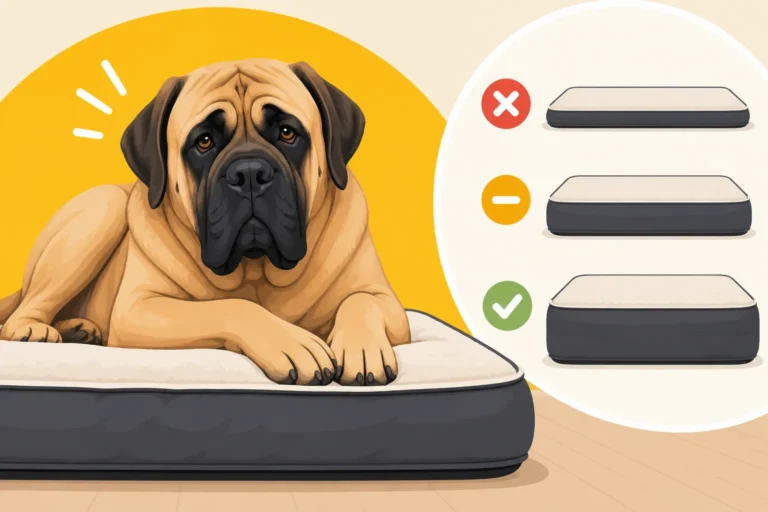
While not directly related to stairs, providing excellent ergonomic bedding and proper joint support is a crucial long-term strategy that impacts your Mastiff's overall mobility, making stair navigation (or avoiding it) much easier. A Mastiff spends a lot of time lying down, and their enormous weight can quickly flatten even thick beds, offering no support to their pressure points.
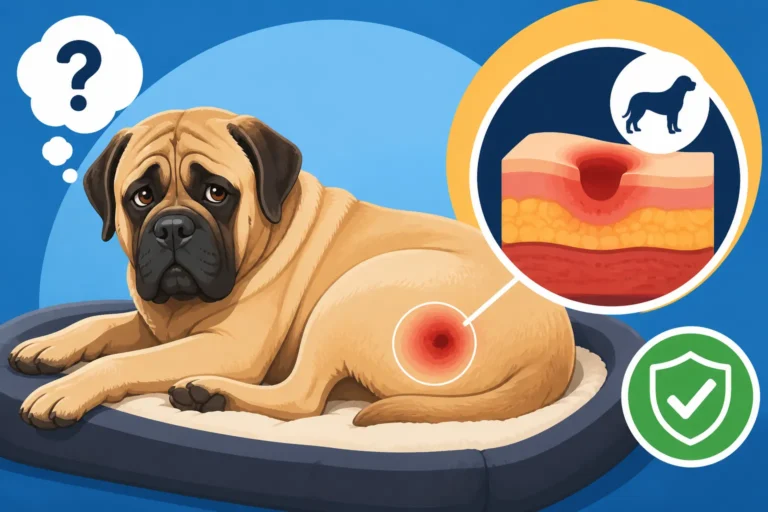
Invest in a high-quality orthopedic bed with dense foam that retains its loft. This provides cushioning for their joints, especially their elbows and hips, which can develop painful calluses or pressure sores. Good bedding helps reduce inflammation and stiffness, which translates to better mobility when they do need to move around. Consider placing several beds around the house – in every room where your Mastiff likes to rest – to encourage them to relax comfortably without having to move far or navigate difficult areas. Additionally, discuss Joint Supplements for a Mastiff with your vet. Glucosamine, chondroitin, and omega fatty acids can help maintain cartilage health and reduce inflammation, contributing to overall joint comfort, which in turn might make navigating a single step less daunting.
Regular Veterinary Check-ups and Pain Management
Proactive veterinary care is paramount for Mastiffs, particularly as they age or if they have known joint issues. Regular check-ups allow your vet to monitor their joint health, catch early signs of arthritis or other mobility issues, and initiate appropriate treatment. This might include anti-inflammatory medications, pain relievers, or even referral for physical therapy or acupuncture.
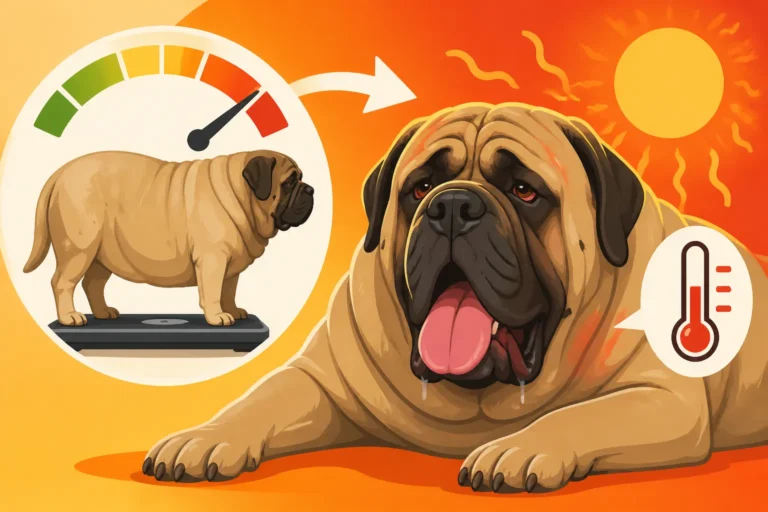
Discussing a pain management plan with your vet before severe symptoms arise can make a huge difference in your Mastiff's quality of life. This includes not only medication but also weight management – keeping a Mastiff lean is one of the best ways to protect their joints. Your vet can also advise on appropriate exercise routines and even discuss specific dietary needs that support joint health. For example, some owners choose specialized senior dog foods that are formulated with higher levels of joint-supporting nutrients. While not a direct solution for stairs, managing pain and maintaining optimal joint health makes any movement, including the occasional stair negotiation, much less painful and risky.
| Mastiff Life Stage | Stair Risk Level | Recommended Approach | Key Considerations |
|---|---|---|---|
| Puppy (0-12 mos) | High | Strict Avoidance/Carrying | Growth plate damage, hip/elbow dysplasia prevention. Never allow unsupervised stair use. Lift when necessary (if feasible). |
| Adolescent (1-2 yrs) | Moderate-High | Limited/Supervised Training | Joints still developing, but stronger. Use short, positive sessions with support. Focus on slow, controlled movement. |
| Adult (2-5 yrs) | Moderate | Managed Access/Monitoring | Assess individual joint health. Continue non-slip surfaces. Use harness for support on difficult stairs. |
| Senior (5+ yrs) | High | Assisted Access/Ramps/Gates | Arthritis, muscle loss, decreased balance are common. Prioritize ramps, gates, and direct physical assistance. Consult vet for pain management. |
Conclusion: Prioritizing Your Mastiff's Safety and Comfort
Deciding whether a Mastiff needs help up stairs isn't a simple yes or no; it's a nuanced consideration that changes throughout their life. From protecting the delicate growth plates of a clumsy puppy to supporting the aching joints of a wise old senior, our role as Mastiff guardians is to ensure their environment promotes health, not hinders it. It's about being proactive, patient, and prepared to make the necessary adjustments to your home and routine. While they might occasionally manage a few steps on their own, the wisest approach is almost always to err on the side of caution, providing assistance, limiting access, and offering alternatives like ramps. Your Mastiff's long-term comfort and mobility are worth every effort.
Disclaimer
This article is for general informational purposes only and does not constitute professional advice. Laws, prices and regulations vary by location and change over time. Consult a qualified professional for guidance on your specific situation.