Whether a Mastiff Gets Pressure Sores on Its Hips
It's a common sight: your magnificent Mastiff, a true gentle giant, stretched out, perhaps snoring softly, looking utterly content. But with that impressive bulk comes a unique set of challenges, and one often overlooked issue is the risk of pressure sores, especially on their hips. This guide aims to shed light on why these painful lesions occur in our big dogs, how to spot them, and most importantly, how to prevent and manage them, ensuring your Mastiff remains comfortable and healthy.
Understanding Pressure Sores in Mastiffs
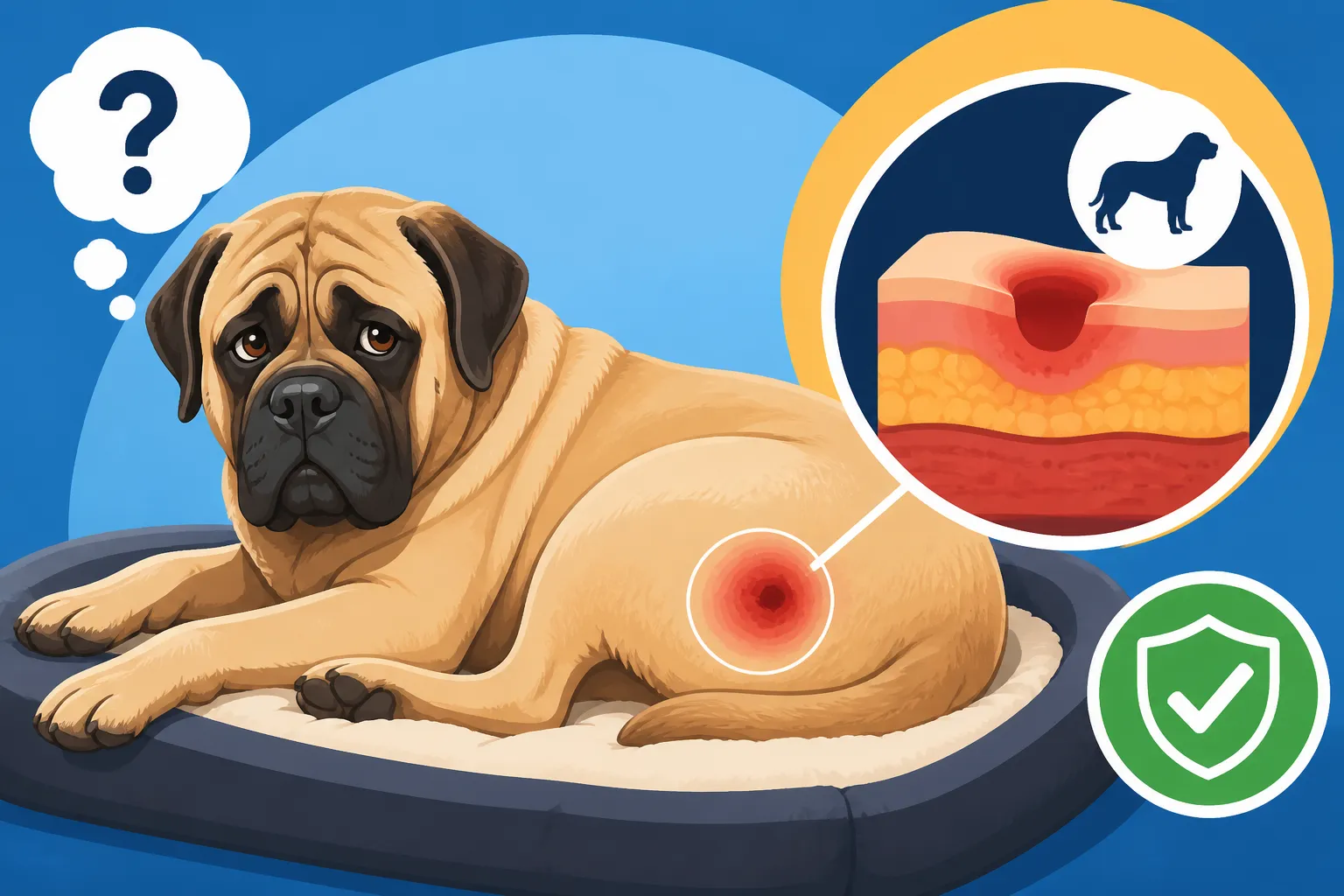
Pressure sores, medically known as decubitus ulcers or bedsores, are areas of skin damage that occur when constant pressure restricts blood flow to a specific area. While often associated with immobile humans, they are a very real concern for large, heavy breeds like Mastiffs, whose sheer weight can be a disadvantage when it comes to prolonged lying on hard surfaces.
Why Mastiffs Are Particularly Susceptible
Our beloved Mastiffs are built for impressive size and strength, but this comes with a trade-off. Their significant body weight means that when they lie down, an enormous amount of pressure is concentrated on their bony prominences – areas where bone is close to the surface of the skin with little muscle or fat padding. Think about A Mastiff Lying Two Hundred Pounds on One Elbow All Day; that same principle applies to their hips. This constant pressure, particularly when combined with a sedentary lifestyle or reduced mobility due to age or joint issues, can lead to serious problems. The skin and underlying tissues simply don't get enough blood flow, leading to tissue death and open wounds.
Common Locations for Pressure Sores
While pressure sores can develop anywhere there's sustained pressure, certain areas are hotspots for Mastiffs. The most common sites include:
- Elbows: The point of the elbow is probably the most frequent culprit, often developing thick calluses that can crack or become infected.
- Hips (Greater Trochanter/Iliac Crest): This is the focus of our discussion today. The prominent bone on the side of the hip, or the top ridge of the pelvis, can bear a lot of weight when a Mastiff lies on its side, especially if they favor one side.
- Hocks (Ankles): The joint at the back of their hind leg can also be affected.
- Stifles (Knees): Less common, but still a possibility.
- Sternum: For dogs that spend a lot of time lying on their chest.
The weight distribution in a Mastiff lying down means that these areas are constantly under siege. It's not just about the external skin; the damage often starts deeper, in the tissues closest to the bone, and works its way out.
Identifying and Preventing Pressure Sores
Catching pressure sores early or, better yet, preventing them altogether, is key to maintaining your Mastiff's comfort and health. It requires diligence and a proactive approach to their environment and care.
Early Warning Signs and Regular Checks
The first step is knowing what to look for during your regular grooming and petting sessions. You should be familiar with your Mastiff's body, feeling for any changes in skin texture or temperature, and observing their behavior.
Signs to Watch For:
- Redness or Discoloration: Any persistent redness, especially over a bony area, is a red flag. In Mastiffs with darker pigment, this might appear as a purplish or brownish hue.
- Hair Loss: The skin over developing pressure points might start to lose hair.
- Thickened or Hardened Skin: The skin can become calloused as a protective response, but these calluses can become too thick and prone to cracking.
- Tenderness or Pain: Your Mastiff might flinch or show discomfort when you touch the affected area.
- Swelling: Localized swelling around a bony prominence.
- Open Sores or Ulcers: In advanced stages, the skin will break down, leading to an open wound, which is often painful and prone to infection.
- Limping or Reluctance to Move: If a sore is painful, your dog might avoid putting weight on that limb or be hesitant to get up.
Make it a habit to routinely check these high-risk areas. Gently part their fur and examine the skin. If you notice any of these signs, don't wait; consult your veterinarian immediately.
Essential Preventative Measures
Prevention truly is the best medicine when it comes to pressure sores. Given their size, it's about making their environment as supportive as possible.
High-Quality, Supportive Bedding
This is perhaps the single most important preventative measure. A Mastiff needs a bed that can adequately cushion their immense weight and relieve pressure points. Thin, cheap beds simply won't cut it.
- Orthopedic Beds: Look for beds with high-density foam, memory foam, or even a combination of layers. These materials conform to your dog's body, distributing weight more evenly. Think of it like a human memory foam mattress – it's designed to cradle and support. Brands like Chewy and Amazon offer a wide range of orthopedic beds specifically designed for giant breeds. You might want to read more about How Thick a Bed a Mastiff Needs and What an Orthopedic Bed for a Mastiff Costs to understand the investment.
- Multiple Beds: Consider placing beds in multiple locations where your Mastiff likes to rest. This ensures they always have a soft, supportive surface available, rather than opting for a hard floor out of convenience. Whether a Mastiff Needs a Bed in Every Room explores this further.
- Regular Bedding Maintenance: Keep beds clean and dry. Moisture can exacerbate skin issues and lead to infections. Wash covers frequently and check the foam for compression or deterioration, replacing beds as needed. A flattened bed is no longer doing its job.
Appropriate Flooring and Home Environment
Hard floors are the enemy of a Mastiff's joints and skin. While they might enjoy the cool tile on a hot day, prolonged contact can contribute to pressure sores.
- Rugs and Runners: Cover hard floors with area rugs, carpet runners, or even yoga mats in areas where your Mastiff spends a lot of time. This provides cushioning and Traction: Why a Mastiff Cannot Live on Bare Hardwood.
- Avoid Concrete: Absolutely minimize time spent on concrete, asphalt, or other unyielding surfaces. If they have an outdoor kennel, ensure it has soft, clean bedding or a raised, cushioned platform.
- Ramps and Steps: If your Mastiff has difficulty navigating stairs or getting into vehicles due to age or joint issues, provide ramps. This reduces strain and minimizes the chance of them collapsing or slipping on hard surfaces, leading to unexpected hard landings. What Bare Floors Do to a Growing Mastiff also highlights the general impact of hard surfaces.
Weight Management and Exercise
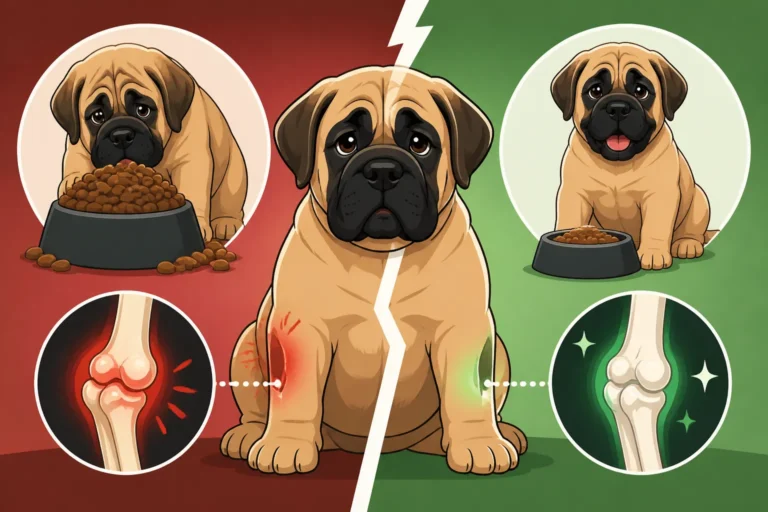
Keeping your Mastiff at a healthy, lean weight is crucial for their overall health, including preventing pressure sores. Every extra pound adds more pressure to those bony prominences.
- Balanced Diet: Feed a high-quality, balanced diet appropriate for their age and activity level. Consult your vet for ideal weight ranges and dietary advice. More information on this can be found in Keeping a Mastiff Lean on Purpose.
- Moderate Exercise: While Mastiffs don't need hours of intense exercise, regular, gentle activity helps maintain muscle tone, improves circulation, and encourages them to shift positions more often. Even a leisurely walk for Why a Mastiff Only Needs One Hour a Day can make a difference. Avoid over-exercising young Mastiffs, but ensure sufficient daily movement for adults. Joint Supplements for a Mastiff can also be considered to support overall mobility.
Regular Skin Checks and Hygiene
In addition to looking for signs of sores, proactive skin care is vital.
- Daily Inspection: Make it a habit to quickly run your hands over your Mastiff's body daily, paying special attention to elbows, hips, and hocks.
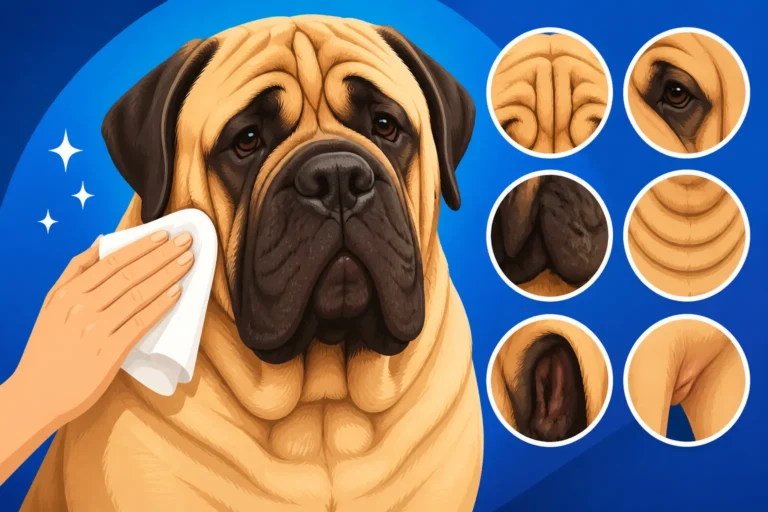
- Cleanliness: Keep their skin clean and dry, especially in areas prone to moisture or dirt. This includes cleaning any The Wrinkles and Folds a Mastiff Owner Cleans Every Week, as skin fold dermatitis can weaken the skin and make it more vulnerable to pressure sores.
Treating Existing Pressure Sores
If you discover a pressure sore on your Mastiff, the first and most critical step is to contact your veterinarian immediately. These are not minor scrapes; they can become deeply infected and incredibly painful.
Veterinary Consultation and Diagnosis
Your vet will assess the severity of the sore and recommend the appropriate course of action. They will determine if it's superficial or deep, and if there's any infection present. This usually involves a physical examination, and potentially swabbing the wound for bacterial culture if infection is suspected. Never try to self-diagnose or treat an open pressure sore without professional guidance.
Medical Treatment Options
Treatment for pressure sores can vary widely depending on their stage and whether they are infected.
- Cleaning and Debridement: The wound will need to be cleaned thoroughly with antiseptic solutions. In some cases, dead tissue (necrotic tissue) might need to be surgically removed (debridement) to allow for healthy tissue regeneration.
- Antibiotics: If the sore is infected, oral or topical antibiotics will be prescribed. It's crucial to complete the entire course of antibiotics, even if the wound appears to be improving.
- Pain Management: Pressure sores are painful. Your vet will likely prescribe pain medication to keep your Mastiff comfortable during the healing process.
- Protective Dressings and Bandages: Special dressings and bandages are often applied to keep the wound clean, protect it from further injury, and promote healing. These may include hydrogel, honey-based, or silver-infused dressings. The bandage needs to be changed regularly according to your vet's instructions.
- Laser Therapy or Other Advanced Treatments: For stubborn or slow-healing wounds, your vet might recommend advanced therapies like cold laser therapy, which can stimulate cellular repair and reduce inflammation.
- Surgery: In very severe cases, particularly with deep, extensive ulcers, surgical repair might be necessary to close the wound or graft healthy skin.
It's vital to follow your veterinarian's instructions precisely. Healing can be a slow process, and consistency in care is paramount.
Long-Term Management and Lifestyle Adjustments
Even after a pressure sore has healed, ongoing vigilance and proactive management are essential to prevent recurrence. Mastiffs, especially as they get older, will always be prone to these issues. Caring for a Mastiff Past Five becomes even more critical in this regard.
Continued Emphasis on High-Quality Bedding
Don't let your guard down once a sore heals. The same principles that prevented the first sore will prevent the next.
- Permanent Orthopedic Solutions: Ensure all resting areas, both indoors and out, are equipped with deep, supportive orthopedic beds. Consider brands like Big Barker or Mammoth Dog Beds, available through retailers like Chewy or Amazon, known for their durable, high-quality giant breed beds.
- Strategic Placement: Place beds in areas that are easy for your Mastiff to access and where they naturally choose to rest. If they tend to gravitate to a certain spot on the hard kitchen floor, put a bed there.
Encouraging Movement and Position Changes
While we've established that Mastiffs don't need intense exercise, encouraging gentle movement throughout the day is beneficial.
- Short, Frequent Walks: Instead of one long walk, consider several shorter strolls to keep them mobile and promote circulation.
- Interactive Play: Gentle games that encourage them to get up and move around the house, even just for a few minutes, can help.
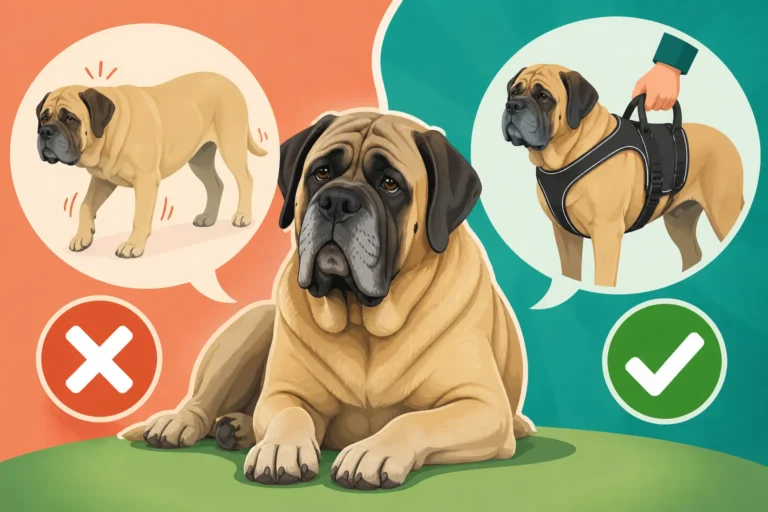
- Assisted Mobility: For older Mastiffs or those with joint issues, consider using lifting harnesses with handles. These can help you assist them in getting up or changing positions if they're struggling, reducing prolonged pressure on one area. Why an Old Mastiff Cannot Get Up emphasizes the difficulty they face.
Dietary Support and Hydration
Nutrition plays a role in skin health and overall recovery.
- Skin-Supporting Nutrients: Discuss with your vet if any dietary supplements, such as Omega-3 fatty acids (fish oil), vitamin E, or zinc, could benefit your Mastiff's skin health. Many premium dog foods, like those found on Ollie, also contain ingredients aimed at skin and coat health.
- Hydration: Ensure your Mastiff always has access to fresh, clean water. Good hydration is vital for skin elasticity and overall health.
Ongoing Monitoring and Proactive Care
Making pressure sore prevention a routine part of your Mastiff's daily care is the most effective strategy.
- Daily Body Checks: Continue your routine checks of all bony prominences.
- Maintain a Lean Body Condition: Revisit your Mastiff's weight periodically with your vet to ensure they aren't gaining excess weight, which increases pressure.
- Early Intervention: At the first sign of redness or irritation, immediately take steps to increase padding, encourage movement, and contact your vet if there's no improvement within a day or two.
By understanding the unique challenges their magnificent size presents and by implementing these preventative and management strategies, you can significantly reduce the risk of pressure sores and keep your Mastiff happy and healthy for as long as possible.
Disclaimer
This article is for general informational purposes only and does not constitute professional advice. Laws, prices and regulations vary by location and change over time. Consult a qualified professional for guidance on your specific situation.