Whether Mastiff Drool Damages Painted Walls
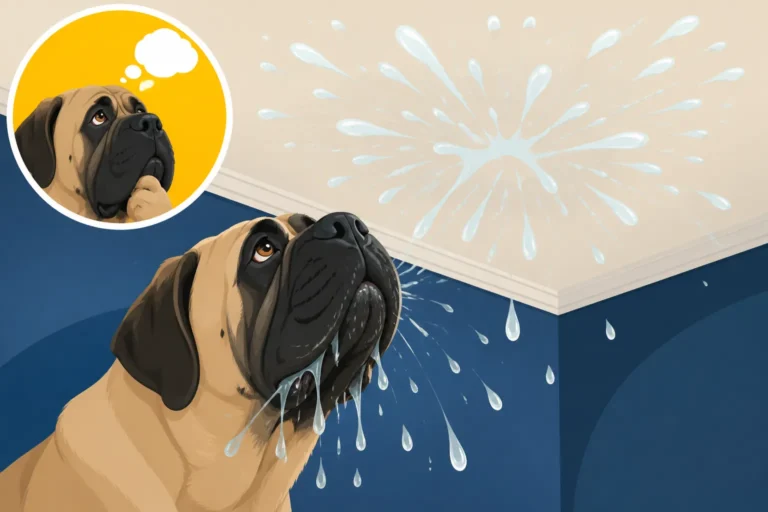
Anyone who has ever lived with a majestic Mastiff knows that their presence brings immense joy, endless love, and, let's be honest, a significant amount of drool. That quintessential head shake, often happening just after they've taken a long drink or finished a meal, can send a shimmering arc of slobber across your kitchen, your living room, or even up onto your pristine painted walls. It's a frustrating reality that leaves many owners wondering: does Mastiff drool actually cause lasting damage to paint, or is it just a messy, temporary inconvenience? This guide will dive deep into the sticky truth, helping you understand the impact and how to protect your home.
The Unique Nature of Mastiff Drool
Living with a Mastiff means becoming intimately familiar with their jowls – those magnificent, pendulous lips that give them their distinctive, dignified expression. These jowls, while a hallmark of the breed, are also the primary reason for their legendary drool production. It's not just a little slobber; it's a fundamental part of their physiology, and understanding it is the first step to managing its impact on your home.
Why Mastiffs Drool So Much
The sheer volume of drool often surprises new Mastiff owners, but it's largely due to their unique oral anatomy. Mastiffs, along with many other giant breeds like Saint Bernards and Newfoundlands, have loose, open jowls that don't effectively contain saliva within their mouths. Imagine trying to hold a mouthful of water with a leaky bucket – that's essentially what a Mastiff's mouth is doing. When they drink, eat, get excited, or simply pant, saliva production increases, and with those open jowls, gravity takes over. The excess simply spills out.
Beyond the physical structure, various factors can exacerbate drooling. Anticipation of food, stress, excitement, or even certain medications can increase saliva flow. The Anatomy Behind a Mastiff's Drool is a complex topic, but suffice it to say, it's not a sign of poor health in a Mastiff; it's just who they are. Their body is producing saliva as any dog's would, but their facial structure means it doesn't stay neatly tucked away.
What's in That Slobber Anyway?
Mastiff drool isn't just water; it's a complex cocktail of enzymes, proteins, salts, and other organic compounds designed to aid digestion. While mostly water, the presence of these other components is what gives drool its characteristic stickiness and, potentially, its ability to interact with surfaces like painted walls. When a glob of drool lands on your wall, it adheres, and as the water evaporates, it leaves behind a concentrated residue of these substances.
These enzymes and proteins, while harmless to your dog, can be a mild irritant or even a food source for bacteria if left to sit on certain materials. Think of it less like pure water dripping and more like a very dilute, slightly acidic, slightly oily biological film. This is why mere wiping with a dry cloth isn't always enough to prevent staining or long-term issues.
The Impact of Drool on Painted Surfaces
Now for the million-dollar question: does it damage the paint? The answer, like most things in life with a Mastiff, isn't a simple yes or no. It depends on several factors, including the type of paint, the finish, how often it happens, and how quickly it's cleaned up.
Staining Versus Structural Damage
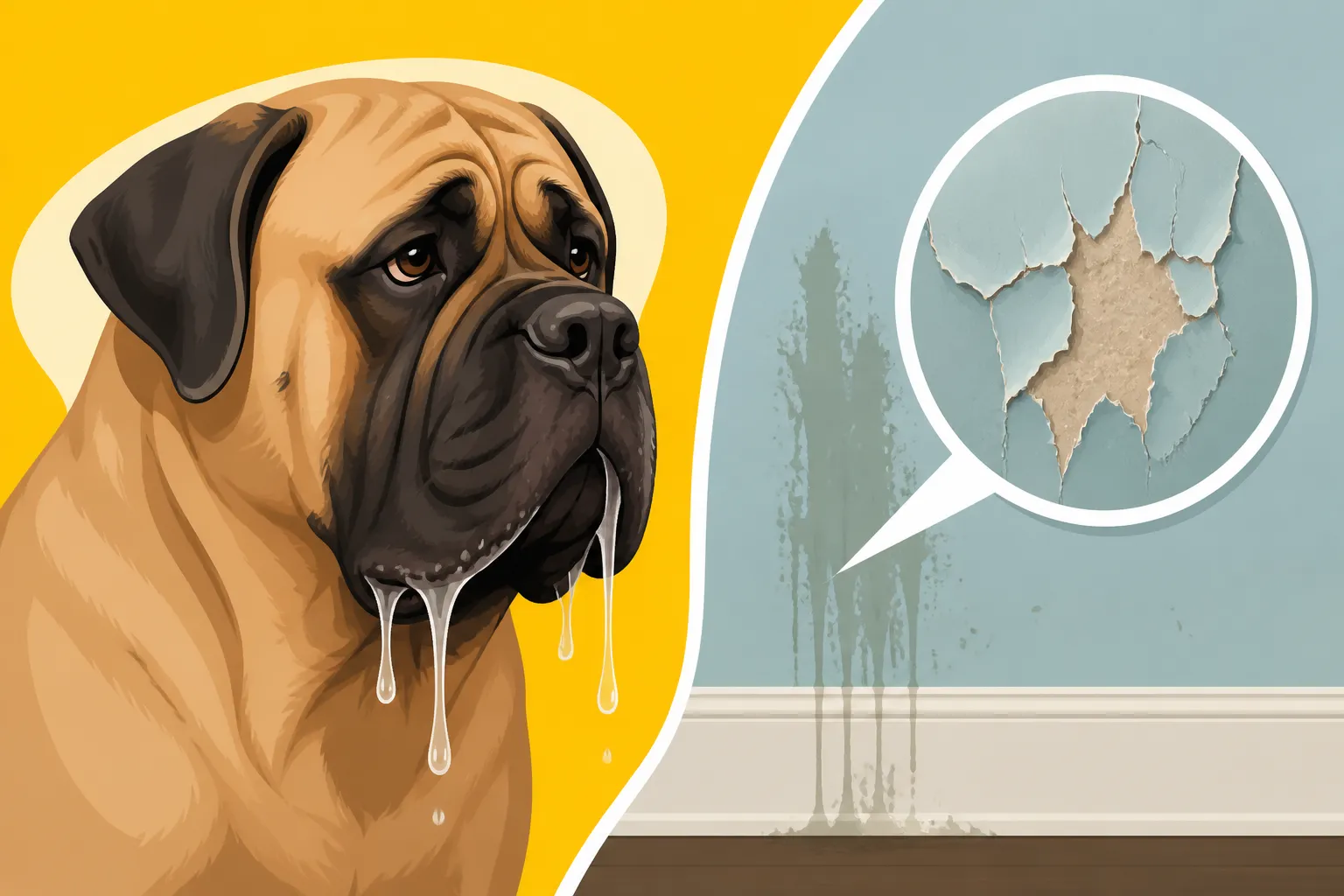
Most commonly, Mastiff drool leads to staining rather than outright structural damage to the paint itself. When drool dries, it often leaves a yellowish or brownish residue, which can be particularly noticeable on lighter-colored walls. This residue is primarily from the proteins and other organic matter in the saliva. If left for an extended period, especially in areas with poor ventilation, this organic residue can even encourage the growth of mildew or bacteria, leading to darker, more pervasive stains that can penetrate porous paint finishes.
True structural damage, where the paint actually peels, bubbles, or erodes, is less common but not impossible. Repeated exposure to moisture, especially if combined with harsh cleaning chemicals used in an attempt to remove old stains, can weaken the paint's adhesion to the wall or break down its protective layers. Areas that are frequently hit, like lower walls near eating or resting spots, are most susceptible.
Different Paint Finishes and Their Vulnerability
The type of paint finish on your walls plays a huge role in how well it stands up to Mastiff drool. Here's a quick breakdown:
| Paint Finish | Characteristics | Drool Vulnerability | Cleaning Ease |
|---|---|---|---|
| Flat/Matte | Non-reflective, hides imperfections, very porous. | Highest: Absorbs drool quickly, leading to deep stains and potential discoloration. | Difficult; requires gentle dabbing. |
| Eggshell/Satin | Slight sheen, more durable than flat, moderately porous. | Moderate: Some absorption, but surface can be wiped more easily. | Moderate; can be wiped carefully. |
| Semi-Gloss | Noticeable sheen, very durable, less porous. | Low: Resists absorption well, drool tends to sit on the surface. | Easy; wipes clean readily. |
| High-Gloss | Very shiny, extremely durable and non-porous. | Lowest: Drool beads up and is easily wiped away without staining. | Easiest; very simple wipe-down. |
As you can see, the shinier and less porous the paint, the better it will resist drool penetration and staining. If you're painting a new home or refreshing an existing one with a Mastiff in residence, opting for an eggshell, satin, or even semi-gloss finish in high-traffic, drool-prone areas is a wise investment. The cost difference is negligible compared to the frustration of constant cleaning or repainting.
Proactive Strategies for Wall Protection
The best defense against drool damage is a good offense. Implementing a few simple strategies can drastically reduce the amount of slobber reaching your walls and the likelihood of it causing issues.
Daily Drool Management
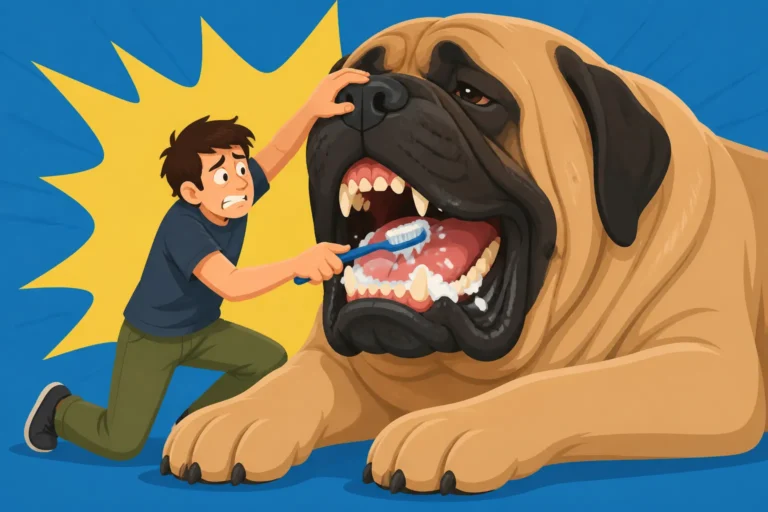
This might sound like a lot of work, but it becomes second nature. Wiping your Mastiff's jowls, especially after they drink, can prevent those infamous head shakes from ever happening. Keep a dedicated "drool towel" or a stack of soft rags strategically placed around your home. Some owners even use pet-safe, unscented wipes. How Often a Mastiff's Jowls Need Wiping truly depends on your dog and their habits, but consistency is key.
Consider adjusting their drinking habits. Some Mastiffs dunk their entire muzzles into the water bowl, saturating their jowls. A wider, shallower bowl might encourage them to drink more carefully. There are also specially designed "slobber stopper" bowls available from retailers like Chewy and Amazon that aim to reduce splashing and limit how much water stays on their jowls. While no bowl is 100% foolproof for a Mastiff, every little bit helps.
Physical Barriers and Protective Coatings
For areas that are frequently hit – perhaps behind their feeding station, next to their favorite napping spot, or along the path they take to greet you at the door – physical barriers can be incredibly effective. Clear acrylic or plastic panels can be installed directly onto the wall, providing an easily wipeable surface that protects the paint underneath. These can be cut to size and secured with adhesive strips or small screws, making them a discreet and durable solution.
Another option is to consider specialty paints. While not entirely drool-proof, some paints are marketed as "washable" or "scrubbable" and are designed to withstand frequent cleaning without losing their finish. However, be wary of relying solely on these for flat or matte finishes, as repeated scrubbing, even with a washable paint, can eventually lead to burnishing or dulling of the surface.
Cleaning and Restoring Drool-Stained Walls
Even with the best preventative measures, some drool will inevitably find its way to your walls. Knowing how to clean it effectively and safely is crucial to prevent long-term damage.
Gentle Cleaning for Fresh and Dried Drool
For fresh drool, a quick wipe with a clean, damp cloth is usually all it takes. The key is to act fast before the moisture evaporates and the organic compounds dry and set into the paint.
For dried drool, resist the urge to scrub aggressively, especially on less durable paint finishes. Instead, start with the gentlest approach:
- Damp Cloth: Lightly dampen a soft cloth with warm water. Gently dab at the dried drool to rehydrate it.
- Mild Soap Solution: If water alone isn't enough, add a tiny drop of mild dish soap to the water, or use a gentle, pet-safe enzymatic cleaner. These cleaners, often found on Amazon or Chewy, are designed to break down organic matter without harsh chemicals. Test any cleaner in an inconspicuous spot first to ensure it doesn't discolor or damage your paint.
- Wipe and Dry: Gently wipe the stain away. Once clean, use a separate, dry cloth to lightly blot the area, removing excess moisture. Allowing water to sit can be just as damaging as the drool itself, especially on porous surfaces.
Dealing with Stubborn Stains and Lingering Odors
If a drool stain has been neglected for a while and has deeply penetrated the paint, or if you notice a lingering odor (which can happen if bacteria have started to grow on the organic residue), more intensive measures might be needed.
For stubborn stains, consider a magic eraser-type product, but use it with extreme caution. These abrasive sponges can easily remove paint along with the stain, especially on flat finishes. Always test first and use a very light touch. If the stain persists, a spot primer might be necessary before touching up the paint. These primers are designed to block stains from bleeding through new coats of paint.
Lingering odors are often a sign that organic matter has broken down or that mold/mildew has begun to form. After cleaning, ensure the area is completely dry. You can try a pet-safe odor eliminator spray. If the odor persists, repainting with an odor-blocking primer might be the only solution. Always address the underlying cause (the drool) to prevent recurrence. What Cleaning Mastiff Drool Off Walls Costs isn't just about the initial clean; it's about potentially repainting entire sections.
When Repainting Becomes Necessary
Sometimes, despite your best efforts, the paint is simply too stained or damaged to be salvaged. This is where a fresh coat of paint comes in. If you're repainting a drool-prone area, take the opportunity to choose a more durable, washable finish like a semi-gloss.
Before repainting, thoroughly clean the walls as best you can. If there are deep stains or potential mildew, a good quality primer (especially one designed for stain blocking) is essential. Don't skip this step, or old stains might magically reappear through your fresh paint. Remember that maintaining a Mastiff comes with unique considerations for your home, and occasional repainting of high-traffic or drool-impacted areas is just part of being a responsible owner. These large, loving companions are worth the extra effort to keep your home both beautiful and dog-friendly.
Disclaimer
This article is for general informational purposes only and does not constitute professional advice. Laws, prices and regulations vary by location and change over time. Consult a qualified professional for guidance on your specific situation.