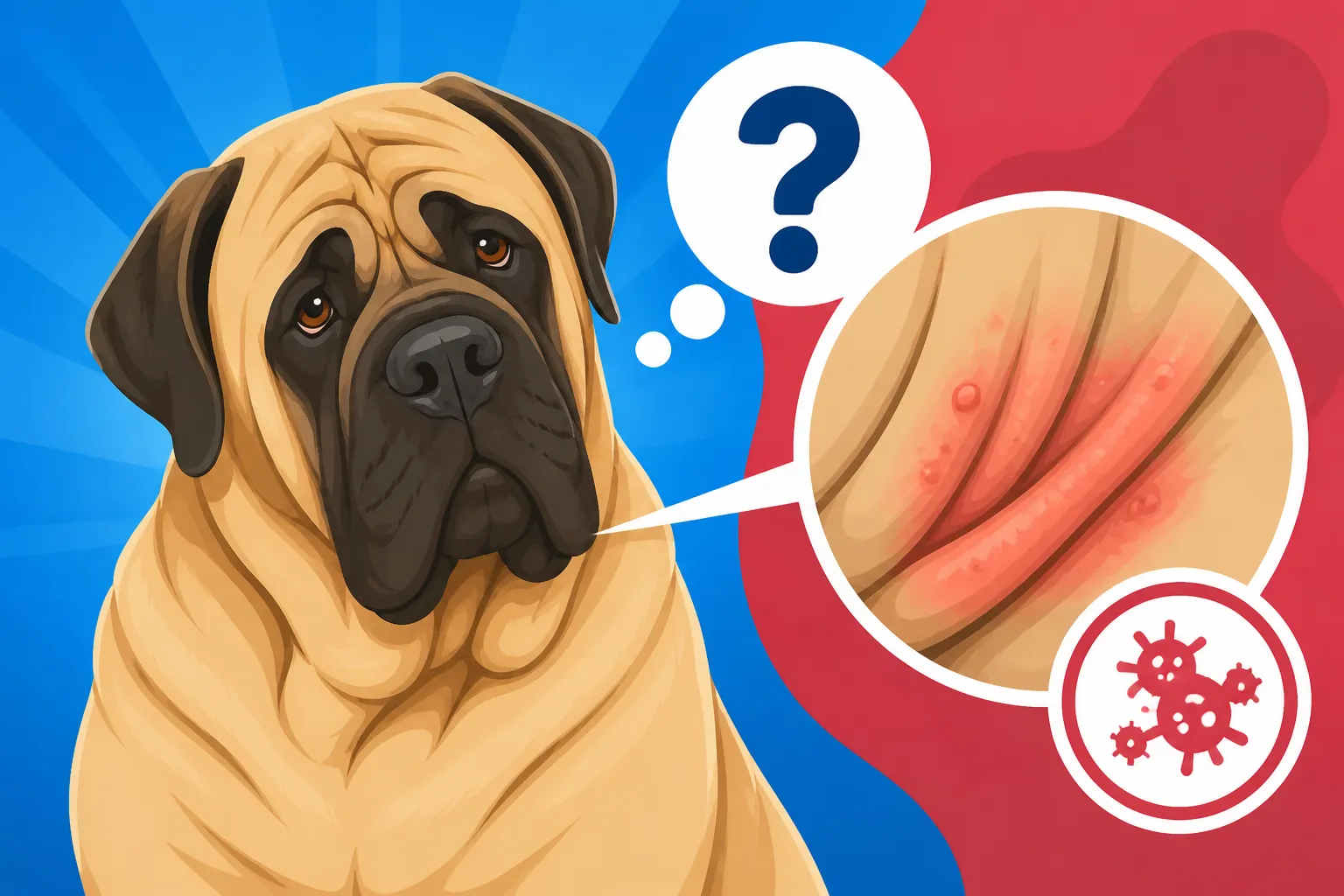
Whether a Mastiff Gets Skin Fold Infections
One of the most disheartening things about loving a Mastiff is knowing they're prone to certain health issues, and among them, skin fold infections are a common, uncomfortable, and often recurring nightmare for many owners. It's not just a minor irritation; these infections can cause significant pain, foul odors, and can become serious if not addressed promptly. This comprehensive guide will walk you through why Mastiffs are susceptible to these issues, how to spot the early warning signs, the best prevention strategies, and what to do when an infection takes hold.
Understanding Mastiff Skin Folds and Why They Are Prone to Issues
It’s easy to adore the magnificent wrinkles and folds on a Mastiff’s face and body – they’re a hallmark of the breed’s distinguished appearance. But those same charming features can become a breeding ground for problems, particularly skin fold dermatitis or pyoderma. It’s a sad reality that while we love their majestic appearance, it comes with a built-in vulnerability.
The Anatomy of a Mastiff's Folds
Mastiffs, true to their Molosser heritage, possess a substantial amount of loose skin, particularly around their head, neck, and sometimes other areas like the armpits, groin, and even at the base of the tail. These folds, especially on the face – around the muzzle, under the eyes, and over the brow – are deep and can be quite restrictive. This isn't just surface-level wrinkling; we're talking about actual pockets and crevices where skin meets skin. Imagine constantly having skin pressed against itself, unable to air out properly. It's a recipe for trouble. The sheer volume of this extra skin means there are countless nooks and crannies that aren't exposed to light or air, creating an ideal environment for unwelcome guests.
Why These Folds Create a Problematic Environment
Think of those deep folds as tiny, warm, humid microclimates. Moisture gets trapped easily – whether it’s from drinking water, drool, tears, or even just humidity in the air. This moisture, combined with natural skin oils, dead skin cells, and any debris that might settle there, creates a perfect breeding ground for bacteria and yeast. It’s not a matter of if, but often when, an imbalance will occur. The constant rubbing of skin against skin also causes irritation and can break down the skin barrier, making it even easier for pathogens to infiltrate and cause an infection. This constant friction can be particularly aggravating, similar to chafing in humans, but in an area that’s almost impossible for the dog to properly ventilate or clean themselves. It's a persistent challenge.
Common Areas Where Infections Occur
While facial folds are often the first that come to mind, skin fold infections can manifest in several places on a Mastiff. The most common culprit is definitely the facial folds, particularly the lip folds (also known as "lip-fold pyoderma"), where drool and food particles get caught. The deep folds around the nose are another hot spot, prone to collecting moisture from nasal discharge or simply drinking. However, you can also find infections under the armpits, in the groin area, between the toes, and surprisingly often, at the base of the tail, especially in dogs with tightly curled or docked tails that create a deep pocket. Even deep wrinkles on the neck or body can be affected, though these are generally less common than the facial areas. Being vigilant about checking all these areas is crucial, not just the obvious face wrinkles. Regularly checking these spots is part of The Wrinkles and Folds a Mastiff Owner Cleans Every Week.
Recognizing the Signs of a Skin Fold Infection
Spotting an infection early is key to quicker recovery and preventing it from becoming a more severe, deeply rooted problem. Sometimes, the signs can be subtle, especially in the early stages, and it takes a keen eye and a familiar nose to catch them. Don't underestimate your ability to know your dog's normal scent!
Visual Clues to Watch For
The first things you'll likely notice are visual changes in the affected area. The skin within and around the fold might appear red, inflamed, or even raw and ulcerated in more severe cases. You might see pustules or pimple-like bumps, which indicate a bacterial infection. The fur in the area could be wet, matted, or discolored, often a reddish-brown stain from yeast overgrowth or a yellowish-green from bacterial discharge. Hair loss in the fold is also a common sign. Sometimes, the skin itself will thicken and darken, which is called lichenification, and suggests a chronic issue. Always lift those folds and get a good look. If you see any of these, it's a good indication you need to take action. This is directly related to Signs a Mastiff's Fold Has Become Infected.
Behavioral Indicators Your Mastiff Might Be Uncomfortable
Your Mastiff, being the stoic giant they are, might not always make it obvious they’re in discomfort, but there are behavioral cues. You might notice them rubbing their face excessively on furniture or the carpet, especially after eating or drinking. They might paw at their muzzle or try to scratch at their ears or neck more frequently. Some dogs will become more withdrawn or lethargic if the pain is significant. A clear sign is if they flinch, pull away, or even snap when you try to examine or clean a specific fold – a sure indicator of tenderness. They might also shake their head frequently if the infection is in the facial folds, trying to dislodge the discomfort.
When to Seek Veterinary Attention
If you notice any of the visual or behavioral signs, especially if they are worsening or your home remedies aren't making a difference within a day or two, it’s time to call your veterinarian. Don't wait until the infection is severe. Early intervention can prevent a mild problem from escalating into a serious, painful condition that requires stronger medications or even sedation for cleaning. A vet can accurately diagnose whether it's bacterial, yeast, or both, and prescribe the correct treatment. Ignoring the problem can lead to deeper skin infections (pyoderma), abscesses, or systemic issues. It's always better to be safe than sorry, especially with a breed as prone to these issues as a Mastiff. If you notice a foul smell, particularly a cheesy or yeasty odor, it could be a sign that a Mastiff's fold smells yeasty.
Preventing Skin Fold Infections: Daily Care and Maintenance
Prevention truly is the best medicine when it comes to Mastiff skin fold infections. Establishing a consistent, thorough routine can make all the difference in keeping your gentle giant comfortable and healthy. It takes dedication, but it's far easier than treating a full-blown infection.
The Importance of Regular Cleaning Routines
This cannot be stressed enough: regular cleaning is paramount. Depending on the depth of your Mastiff’s folds and their individual propensity for moisture and drool, this might mean daily cleaning, or at least every other day. After meals, especially if your Mastiff is a messy eater, and after they drink, a quick wipe down of the facial folds can prevent food particles and excess moisture from sitting there. Consistency is key; a sporadic cleaning schedule won’t cut it. It’s a part of responsible Mastiff ownership, as essential as feeding and walking them. Neglecting these areas will almost certainly lead to problems down the line. You'll want to be familiar with How Often a Mastiff's Folds Need Cleaning.
Choosing the Right Cleaning Products and Tools
When it comes to cleaning, gentle but effective is the name of the game. For routine daily cleaning, a soft, damp cloth or a plain unscented baby wipe can work wonders. Make sure to thoroughly dry the area afterward; whether a Mastiff's folds need drying after cleaning is a resounding yes. Trapped moisture exacerbates the problem. For more proactive care or if you notice slight irritation, medicated wipes containing chlorhexidine or benzoyl peroxide can be incredibly helpful. Brands like Duoxo S3 Pyo or Malaseb wipes are often recommended by vets. These wipes help to kill bacteria and yeast before they can take hold. Always check with your vet for recommendations, especially if your Mastiff has sensitive skin. Remember, what you use to clean a Mastiff's wrinkles with can make a big difference. When considering if a medicated wipe suits a Mastiff's wrinkles, your vet's advice is invaluable.
Environmental Factors and Lifestyle Adjustments
Beyond direct cleaning, consider factors in your home and your Mastiff’s daily life. Keep their water bowls clean and change water frequently to minimize bacteria. Elevated food and water bowls can sometimes help reduce the amount of food and drool that ends up in facial folds, although opinions vary on their impact on bloat risk, so discuss this with your vet. Ensuring your home isn't overly humid can also indirectly help. In warmer months, Mastiffs are more prone to overheating, which can increase skin moisture and thus infection risk. Provide plenty of shade and cool spots for them. Regularly cleaning bedding can also reduce exposure to bacteria and yeast that can transfer to skin folds. Remember that a Mastiff's lip folds trap food, making post-meal cleaning crucial.
Treating an Existing Skin Fold Infection
Even with the best preventative care, sometimes an infection still happens. It’s not a reflection of your care, but simply a reality of living with a Mastiff’s unique anatomy. The good news is that most skin fold infections are treatable, especially if caught early.
Initial Steps You Can Take at Home
If you notice signs of a mild infection, you can try some home care for a day or two, after consulting with your vet. Gentle cleaning with a mild antiseptic solution (like diluted chlorhexidine rinse, again, vet-approved) followed by thorough drying can sometimes nip a minor issue in the bud. Over-the-counter medicated wipes, as mentioned earlier, can also be beneficial. Applying a very thin layer of a vet-approved antibiotic or antifungal cream (like Miconazole or Neosporin, but ONLY if specifically advised by your vet and confirmed safe if licked) can help. However, be cautious: if the area is already raw or your dog is clearly in pain, or if it's not improving rapidly, it’s time for professional help. Home remedies are a stop-gap, not a replacement for veterinary diagnosis.
Veterinary Diagnosis and Treatment Options
When you visit the vet, they will likely take a swab or scrape of the affected area to examine under a microscope. This helps them determine if the infection is bacterial, yeast, or a combination, and what specific type of bacteria or yeast might be present. Based on the diagnosis, they might prescribe oral antibiotics or antifungals, or a stronger topical medication. Often, a combination of both is needed for deeper or more stubborn infections. In some rare and severe cases, surgical intervention, known as cheiloplasty (lip fold resection) or fold removal, might be considered, particularly for chronic, recurring lip fold infections that don't respond to medical management. This is usually a last resort for extreme cases. For instance, whether a Mastiff's fold infection needs antibiotics will depend entirely on your vet's findings.
Long-Term Management and Recurrence Prevention
Once an infection is cleared, the goal shifts back to prevention and long-term management. This often means continuing with the rigorous cleaning routine we discussed, perhaps using medicated wipes a few times a week as a preventative measure. Dietary changes might be explored if allergies are suspected to be contributing factors to skin inflammation. For Mastiffs with chronic or severe recurring issues, your vet might recommend regular prophylactic use of medicated shampoos or rinses. It’s also crucial to monitor for other underlying conditions, such as allergies or hypothyroidism, which can compromise skin health and make a Mastiff more susceptible to infections. Regular check-ups are important, and keeping detailed notes on when infections occur and what treatments work can be invaluable for both you and your vet. For broader health concerns, remember to understand topics like Eye and Eyelid Disease in a Mastiff or even Caring for a Mastiff Past Five as part of holistic care.
Here’s a quick overview of common fold infection types:
| Infection Type | Primary Cause | Common Location | Key Signs to Watch For | Initial Home Care (Vet Consult Advised) |
|---|---|---|---|---|
| Bacterial (Pyoderma) | Staphylococcus bacteria | Lip folds, nose folds, tail base | Redness, pus, pimples, foul odor, hair loss, pain | Gentle antiseptic wipes (chlorhexidine), topical antibiotic cream |
| Yeast (Malassezia Dermatitis) | Malassezia yeast | Lip folds, armpits, groin | Greasy skin, reddish-brown discoloration, strong yeasty odor, itching | Antifungal wipes, topical antifungal cream, apple cider vinegar rinse (diluted) |
| Moisture Dermatitis | Trapped moisture | Any deep fold | Redness, irritation, wetness, mild odor, chafing | Regular cleaning, thorough drying, cornstarch powder (vet-approved) |
Remember, this table provides general guidance. Always consult your veterinarian for specific diagnoses and treatment plans for your Mastiff. Pet insurance providers like Healthy Paws can often help cover the costs of diagnostics and treatments for these skin issues, which can add up, especially if they become chronic. It's a wise consideration for any Mastiff owner.
Disclaimer
This article is for general informational purposes only and does not constitute professional advice. Laws, prices and regulations vary by location and change over time. Consult a qualified professional for guidance on your specific situation.